
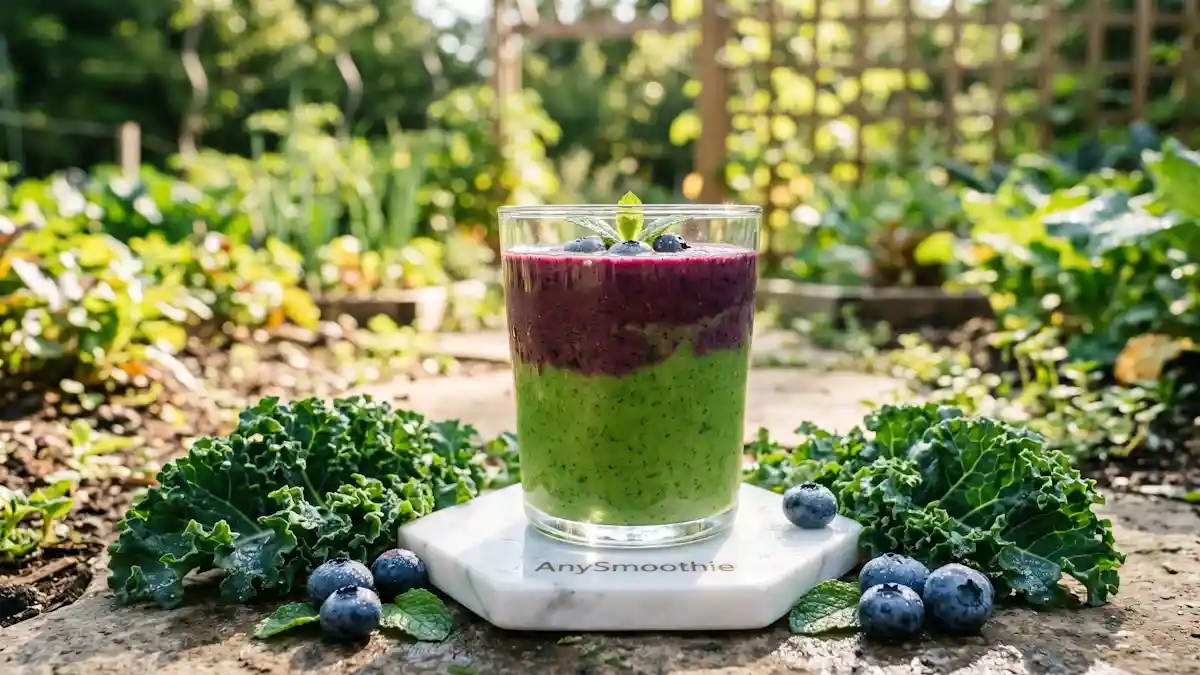
A bio smoothie for nutrient purity is built for more than taste. It uses clean ingredients, tight sourcing, and smart pairing so your body gets more usable fuel with less junk to process. That matters if you care about longevity, because cells work better when they aren’t bogged down by extra contaminants or weak nutrient delivery.
The goal here isn’t hype. It’s a practical smoothie that supports metabolic efficiency, helps nutrient uptake, and fits a long-term wellness routine.
Molecular Purity: The Foundation of Cellular Longevity
What goes into your smoothie can help your body or add extra work. In simple terms, nutrient purity means fewer pesticide residues, fewer fillers, and more intact plant compounds that your cells can use. The cleaner the input, the less cleanup your body has to do before it can use the nutrition.
That matters because a smoothie is often a daily habit. If the habit is built on residue-heavy produce or weak powders, the burden adds up. A cleaner blend gives your system a better chance to focus on normal repair, steady energy, and routine cell maintenance.
How pesticide residues can add unnecessary stress to mitochondria
Pesticide residues are a form of xenobiotic load, which means outside compounds your body has to process. That doesn’t mean every conventional fruit or vegetable is a problem. It does mean residue-heavy produce can work against a longevity-focused routine, especially when it shows up every day in the same drink.
Mitochondria make energy, so they care about clean inputs. When the body spends more effort clearing unwanted compounds, recovery and energy production can feel less efficient. For a longevity smoothie, reducing that background stress is a smart move.
A recent systematic review on organic residues found lower detectable pesticide residues in organic crops. That doesn’t make every organic product perfect, but it does show why sourcing matters.
Why organic phytochemicals offer cleaner support for repair pathways
Organic plant foods often bring a better mix of antioxidants, polyphenols, and natural co-factors. Those compounds work together better than isolated nutrients in many cases. They also create a mild stress signal, called hormetic stress, which may help the body maintain its own repair systems.
| Longevity factor | Purity level | Nutrient density | Bio-synergy | Impact on sirtuin pathways |
|---|---|---|---|---|
| Organic phytochemicals | Lowest xenobiotic residue load | High mineral and vitamin ratio | Strong, with natural co-factors | Best support through gentle hormetic stress |
| Conventional nutrients | Moderate residue exposure | Variable, depends on farming and handling | Moderate, with fewer plant co-factors | Mixed support |
| Concentrated isolates | Very low residue load if purified | Narrow nutrient profile | Low, since compounds are separated | Limited and less balanced |
The takeaway is simple. Whole plant compounds tend to work better together than stripped-down pieces. That synergy is one reason a clean smoothie can feel more complete than a protein shake with added powders.
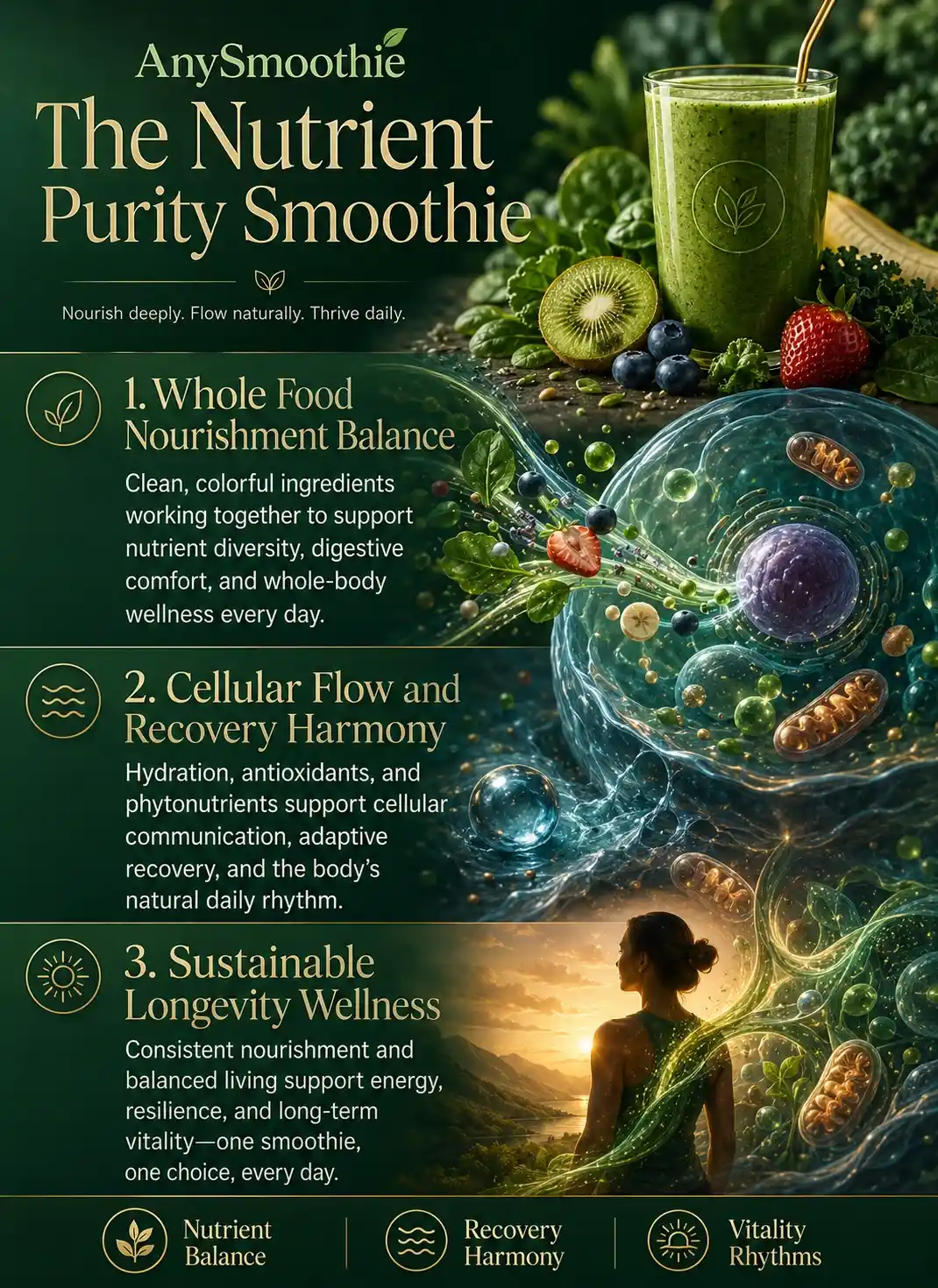
What makes a longevity smoothie more than just a healthy drink
A true longevity smoothie is built like a system. Ingredient quality matters, but so does nutrient partitioning, which means directing nutrients where they’re most useful instead of flooding the mix with sugar or filler.
It also depends on transport. Fat, fiber, and plant compounds influence how well certain nutrients move through digestion and into use. Some blends benefit from phospholipids or creamy fats that support a liposomal-style transport pattern in the gut. In plain terms, the right pairing helps your body use more of what’s in the cup.
Balancing fiber, fats, and phytonutrients for better nutrient uptake
Fiber slows digestion in a good way. It helps keep blood sugar steadier and gives the gut more time to work. Healthy fats, such as avocado, hemp seeds, or chia, help with fat-soluble compounds and make the smoothie more satisfying.
Colorful plant foods add phytonutrients that protect cells from daily wear. When fiber, fats, and pigments show up together, the result is smoother energy and better nutrient use.
Sirtuin support: the plant compounds that help aging pathways stay active
Sirtuins are enzymes linked to cell maintenance and stress response. They respond to signals from nutrients and from mild metabolic stress. That is why polyphenol-rich foods matter in a longevity smoothie.
Compounds like quercetin and resveratrol are often studied for their role in these pathways. A review on SIRT1, resveratrol, and aging explains that resveratrol has been studied for SIRT1-related effects, while bioavailability still matters. The point for smoothie design is modest and practical. Use plant compounds that support normal repair signaling, without expecting magic.
3 longevity-pure smoothie formulas you can actually make
These are not fancy recipes. They are clean templates built around purpose, texture, and nutrient density. If you want one of the easiest longevity habits, start here.
You’ll see the same pattern in each one, clean produce, smart fats, and a short ingredient list. That’s the point.
Bio-Certification Biohack: Understanding Soil Quality and Nutrient Density
Labels help, but they don’t tell the full story. Soil quality shapes what ends up in the plant, and that affects the final smoothie. Healthy soil can improve mineral cycling and plant vitality, which then affects nutrient density in the produce you buy.
A 2024 review on soil health and food quality links healthy soil ecosystems with better mineral and phytochemical availability. That doesn’t mean every organic crop is superior in every case. It does mean growing conditions matter as much as the label.
Mineral saturation: Why organic soil leads to higher bioavailability
When soil has strong microbial life and good organic matter, plants can access more trace minerals. Better mineral saturation often means better plant balance. That can affect taste, color, and how well the food supports your body.
In practical terms, soil-fed plants often feel more complete in a smoothie. You get more than sweetness. You get a fuller nutritional profile.
Simple shopping cues that help you find purer produce
Seasonal produce is a good start. Short ingredient lists matter too, especially for powders and bottled add-ins. Freshness helps, but so does minimal processing and a trusted source.
Frozen produce can still be a strong choice when it’s clean and harvested well. It’s often cheaper, easy to store, and good for daily use. For a bio smoothie, consistency beats complexity.
Conclusion
A longevity smoothie works best when it stays clean, balanced, and built with intention. That means nutrient purity, strong plant compounds, and ingredient quality all matter at the same time.
When you choose better soil, better sourcing, and better pairings, your smoothie does more useful work. It supports sirtuin-friendly plant chemistry, steadier energy, and a cleaner daily routine.
Build one cleaner smoothie this week, keep it simple, and let the habit do its work.
⚠️ Safety Notes for Bio-Purity & Longevity Smoothies
Detox Symptoms: Switching to a high-purity, polyphenol-rich smoothie can occasionally trigger “Herxheimer-like” reactions or mild headaches as the body adjusts to a lower xenobiotic load and improved elimination. Increase water intake to support your kidneys during this transition.
Amla and Blood Thinners: Amla (Indian Gooseberry) is exceptionally high in Vitamin C and may have mild antiplatelet effects. If you are on anticoagulant medications (e.g., Warfarin), consult your physician as it may slightly increase the risk of bruising.
Oxalate Management: Even organic spinach contains oxalates. To prevent kidney stone formation in susceptible individuals, rotate your organic greens with low-oxalate options like organic bok choy or romaine lettuce.
Phytoestrogen Balance: Ingredients like flax or hemp seeds contain lignans. While generally beneficial for longevity, individuals with hormone-sensitive conditions should monitor their intake and ensure they are part of a balanced, non-excessive routine.
Heavy Metals in “Superfoods”: Even bio-certified powders (like cacao or greens powders) can contain heavy metals absorbed from the soil (lead, cadmium). Always source from brands that provide third-party lab results for heavy metal purity.
FAQ
Why is “purity” a critical factor for longevity in smoothies
Longevity is a game of reducing cellular stress. Conventional ingredients often carry residues of xenobiotics, such as pesticides, which can interfere with mitochondrial function and disrupt endocrine signaling. By focusing on nutrient purity and organic certification, you minimize this exogenous toxic load, allowing your body’s physiological systems to focus energy on DNA repair and autophagy rather than detoxification of synthetic compounds.
How do Sirtuins support aging optimization
Sirtuins are a family of proteins that act as metabolic sensors and guardians of the genome. They support the natural pathways of DNA repair and regulate mitochondrial biogenesis. Specific polyphenols found in high-purity organic foods, such as resveratrol and quercetin, act as sirtuin-activating compounds (STACs). Including these in your smoothie supports the body’s natural ability to maintain cellular health over time.
Does organic soil really impact the nutrient density of my smoothie
Yes, the biochemical mechanics are clear: plants grown in healthy, organic soil develop more robust secondary metabolites, such as polyphenols and antioxidants, as part of their natural defense systems. This results in a higher nutrient density compared to conventional crops. For your longevity smoothie, this means more “biological information” per sip to support your metabolic efficiency and mineral saturation.
What is the “Hormetic Effect” of organic phytochemicals
Many organic plants produce small amounts of natural “stress” compounds to survive without synthetic pesticides. When we consume these in a smoothie, they trigger a process called mitohormesis in our cells. This mild stress activates the body’s natural antioxidant pathways and repair mechanisms, making the cells more resilient to future damage and supporting long-term structural integrity.
Can I achieve nutrient purity with frozen organic ingredients
Absolutely. Frozen organic fruits and vegetables are often processed at the peak of their nutrient density, locking in the phytochemicals and enzymes. For a longevity protocol, this is an ultra-practical way to ensure you are getting a consistent supply of sirtuin-activating nutrients and pure fiber, which supports the estrobolome and the natural clearance of metabolic waste.

Medical Disclaimer: AnySmoothie content is for educational purposes only and is not a substitute for professional medical advice. Consult a healthcare provider for personalized guidance. See our full Disclaimer & Terms of Use. AI Transparency: AnySmoothie may use AI to support content development. All content undergoes human editorial review for accuracy, clarity, and editorial quality. See our full AI Transparency.