

What food boosts metabolism the most is a question many people ask when they want to burn more calories, feel more awake, or manage their weight. Your metabolism is how your body turns food into energy. It runs all day and all night, even when you are sleeping.
There is no magic food that melts fat on its own. Still, some foods help your body burn a few more calories and support healthy energy. When you eat them often, along with good sleep and movement, the effect can add up.
Weight Loss Programs
Diet & Weight Loss

Diet & Weight Loss

Diet & Weight Loss
Diet & Weight Loss
This guide walks you through the top metabolism friendly foods, how they work, and simple ways to use them in your everyday meals.
Understanding Metabolism Before You Pick the Best Foods
Before you try to figure out what food boosts metabolism the most, it helps to know what metabolism actually is. Think of it like a tiny engine in every cell that uses fuel from food to keep you alive and moving.
You do not only burn calories when you work out. Your body burns calories all the time, just to keep your heart beating, lungs breathing, and brain thinking. That basic burn is a big part of your total daily energy use.
Food can help, but it is not the only factor. Your age, your genes, your muscles, and even your sleep all play a role. This is why two people can eat very similar diets and still have different results.
If you want a deeper medical look at how metabolism connects with weight, the Mayo Clinic article on metabolism and weight loss gives a clear overview. For now, we will keep things simple and focus on the basics that matter most for daily life.
What Is Metabolism and How Does It Burn Calories?
Metabolism is the process your body uses to change food and drink into energy. Your cells use oxygen to break down nutrients and release energy that powers everything you do.
You burn calories even when you sleep, watch TV, or sit at your desk. The calories your body uses just to stay alive are called your resting metabolic rate. That covers things like breathing, pumping blood, and keeping your body warm.
Metabolism is not just about weight loss. It also affects:
- How much energy you feel you have during the day
- Your body temperature and how warm you feel
- How clear or foggy your mind feels
When people talk about “speeding up” metabolism, they are usually talking about raising this daily calorie burn by a small amount, or helping their body use energy in a more steady way.
What Really Affects Metabolism (Not Just Food)
Food matters, but it is only one part of the picture. Some key factors that affect metabolism are:
- Age: As people get older, they tend to lose muscle and move less. This often lowers metabolism.
- Genetics: Some people are simply born with a faster or slower burn.
- Muscle mass: Muscle uses more calories than fat, even when you rest. Someone with more muscle usually burns more all day.
- Activity level: Walking, climbing stairs, and exercise all raise how many calories you burn. Regular movement keeps metabolism stronger.
- Sleep: Poor sleep can throw off hormones that control hunger and energy, which can slow your burn over time.
- Hormones: Thyroid hormones, stress hormones, and sex hormones all influence how your body uses fuel.
This is why a lifestyle that mixes good food, sleep, and movement works better than focusing on food alone. For a practical view of lifestyle and metabolism, you can check MedlinePlus on whether you can boost your metabolism.
How Much Can Food Actually Speed Up Metabolism?
Food can give your body a small push through something called the thermic effect of food. This means your body uses some calories just to chew, digest, and process what you eat.
Your body works harder to digest protein than it does for fat or carbs. High fiber foods also take more effort to break down. This is why protein and fiber often show up in “metabolism” lists.
Still, the boost is usually modest. Think of it as burning a few extra calories per meal, not hundreds. That might not sound like much, but over weeks and months, small changes can support your goals. Harvard Health explains this idea of food and energy burn in a helpful way in their piece on increasing your metabolism with diet and activity.
What Food Boosts Metabolism the Most? Top Metabolism Power Foods
When we look at what food boosts metabolism the most, high protein foods stand out as the top everyday choice. Around that, spicy foods, caffeinated drinks, fiber rich whole foods, and fish all play supporting roles.
High Protein Foods (The Most Effective Everyday Metabolism Boosters)
If you want one clear answer to what food boosts metabolism the most, it is high protein foods. Protein has the highest thermic effect, so your body burns more calories digesting it than it does for fat or carbs.
Protein also helps you build and keep muscle. Since muscle uses more energy at rest, this supports a higher metabolism over time. On top of that, protein helps you feel full longer, which can make it easier to eat less without feeling deprived.
Great protein choices include:
- Eggs
- Greek yogurt and cottage cheese
- Chicken breast and turkey
- Fish and seafood
- Tofu, tempeh, and edamame
- Lentils, beans, and chickpeas
Simple ways to add more protein: have Greek yogurt with fruit at breakfast, toss beans into salads or soups, choose grilled chicken or tofu at dinner, or keep cottage cheese as an afternoon snack. An overview from UnityPoint on metabolism boosting foods also highlights fish, legumes, and lean meats for this reason.
Spicy Foods With Chili Peppers (Short-Term Heat for More Calorie Burn)
Spicy foods that contain chili peppers have a compound called capsaicin. This is what makes them hot. Capsaicin can slightly increase calorie burn and body heat for a short time after you eat.
The effect is small, but when you use spicy foods along with high protein meals and movement, it may add a bit more support. You might notice you feel warmer or even start to sweat a little after a very spicy dish.
You can try: hot sauce on eggs, chili flakes on pizza or pasta, jalapeños in tacos, or cayenne pepper in soups and stir fries.
If you have heartburn, IBS, or other stomach issues, start with a small amount. Some people need to limit spicy foods so they do not irritate the gut.
Coffee, Green Tea, and Other Caffeinated Drinks
Caffeine is a natural stimulant that can raise alertness and slightly increase metabolism for a short time. It may also help the body use fat for energy during that window.
Common sources are:
- Coffee
- Green tea
- Black tea
- Some unsweetened energy drinks or yerba mate
Green tea has plant chemicals called catechins. These may help your body burn a bit more fat when paired with caffeine.
To keep calories under control, drink coffee and tea plain or with a small splash of milk and a little sugar, not heavy cream and syrups. Limit caffeine if it gives you jitters, anxiety, or trouble sleeping. Children, pregnant women, and some people with heart issues need to be more careful with caffeine and should follow medical advice.
Fiber-Rich Whole Foods That Support a Healthy Metabolism
Fiber rich foods do not crank your metabolism in a huge way, but they do support it. They take longer to chew and digest, which can slightly raise the calories you burn after eating. More importantly, they help keep blood sugar steady and support gut health.
Good fiber sources include:
- Oats and oatmeal
- Whole grain bread and pasta
- Brown rice and quinoa
- Beans and lentils
- Apples, berries, and pears
- Vegetables like broccoli, carrots, and leafy greens
Try swapping white bread for whole grain bread, using brown rice instead of white, or adding beans to chili and soups. Over time, this pattern supports a more stable metabolism and can help with hunger control.
Protein-Rich Fish and Seafood With Bonus Omega-3 Fats
Fish and seafood give you high quality protein plus healthy fats. Fatty fish like salmon, mackerel, sardines, and trout provide omega 3 fats, which may help lower inflammation and support heart and muscle health. Lean fish like cod and tilapia still give plenty of protein with fewer calories.
This mix of protein and healthy fat can help you feel satisfied, keep muscles strong, and support an active lifestyle, all of which connect to a stronger metabolism.
Easy ideas: bake salmon with a tray of vegetables, make tuna salad with Greek yogurt instead of heavy mayo, or add shrimp to a stir fry with brown rice and mixed veggies.
If you are curious about the science side of how foods like nuts and fats tie into metabolic health, this article in Metabolism on new research developments in metabolic risk factors gives a research focused look, though it is more technical.
How To Use Metabolism Boosting Foods In Real Life Meals
Knowing what food boosts metabolism the most is helpful, but your daily habits matter more than any single snack. The goal is to build simple meals that include protein, some fiber, and maybe a small boost from spices or caffeine.
Simple Meal Ideas That Include the Top Metabolism Foods
Here are some easy ways to pull everything together:
- Breakfast: Greek yogurt with berries and a spoon of oats, or scrambled eggs with chili flakes and a slice of whole grain toast.
- Lunch: A salad with mixed greens, grilled chicken or tofu, beans, and a light dressing, or tuna salad on whole grain bread with veggie sticks.
- Dinner: Baked salmon with brown rice and broccoli, or a turkey and bean chili with tomatoes, onions, and a bit of cayenne.
- Snacks: Cottage cheese with fruit, a small handful of nuts, or apple slices with a bit of peanut butter.
You can sip coffee or green tea with breakfast or a snack to get a small caffeine lift without adding many calories.
Easy Habits To Get the Most From Metabolism Friendly Foods
Food can support your metabolism best when it fits into steady habits. Helpful steps include:
- Eat some protein at every meal, like eggs, yogurt, beans, fish, or chicken.
- Drink water through the day so you do not confuse thirst with hunger.
- Do not feel forced to eat breakfast, but avoid going so long without food that you overeat later.
- Pair coffee or green tea with a balanced snack, not pastries alone.
- Move more during the day, such as walking, taking the stairs, or doing short strength sessions at home.
Strength exercises that build muscle help your body use these foods better by raising your resting metabolic rate. Even a few short sessions each week can make a difference over time.
Conclusion
So, what food boosts metabolism the most? The best overall answer is high protein foods, since they take more energy to digest and help you build and keep muscle. Spicy foods with chili peppers, coffee or green tea, fiber rich grains and beans, and protein packed fish all add helpful support.
No single food will fix metabolism on its own. What matters is a pattern of smart choices, enough movement, and good sleep.
Pick one or two of these metabolism friendly foods to add to your next grocery list, try a new meal idea this week, and notice how your energy and hunger feel over time. Small, steady changes can shift your metabolism in a better direction.
You might also like:
What Food Boosts Metabolism the Most FAQs:
What foods actually boost metabolism the most?
No single food flips a “high metabolism” switch, but some help your body burn a bit more energy, especially when you eat them in a balanced way.
Foods with the strongest evidence include:
- Protein rich foods (chicken, turkey, eggs, Greek yogurt, cottage cheese, tofu, beans, lentils, fish)
- Spicy foods with chili peppers or cayenne (capsaicin)
- Coffee and tea, especially green tea
- Whole grains (oats, quinoa, brown rice)
- Water rich foods like fruits and vegetables
Protein has the biggest and most consistent impact because your body burns more calories digesting it compared to carbs or fat. Spicy foods, coffee, and green tea give a smaller, short term bump in calorie burn.
Used together in regular meals, these foods support a slightly higher daily energy burn, especially alongside strength training and enough sleep.
Do spicy foods really speed up metabolism?
Spicy foods can raise metabolism a bit for a short time, mainly due to capsaicin, the compound that makes chili peppers hot.
Here is what research suggests:
- Capsaicin can slightly increase thermogenesis (heat production) and calorie burn after a meal
- The effect is usually small, not hundreds of calories a day
- You need enough spice to feel the heat for any real effect
Spicy foods can also:
- Help you feel more satisfied with meals
- Sometimes reduce appetite a little for some people
If your stomach is sensitive or you have acid reflux, too much heat can backfire. A little hot sauce, chili, or cayenne in meals is enough to get any benefit without overdoing it.
Is protein really the best nutrient for boosting metabolism?
Protein is the top macronutrient for a higher metabolic burn.
Here is why it matters:
- Your body uses more energy to digest protein than it does for carbs or fat
- Protein supports and maintains muscle mass, which burns more calories even at rest
- Higher protein meals can help you feel full longer
To support metabolism:
- Aim for 20–30 grams of protein per main meal for most adults
- Spread protein through the day, not just at dinner
Good protein sources include eggs, Greek yogurt, cottage cheese, lean meat, fish, tofu, tempeh, edamame, beans, and lentils.
Protein will not replace exercise or sleep, but it helps your body hang on to calorie burning muscle while you lose fat.
Can coffee or green tea really boost metabolism, and are they safe?
Coffee and green tea can increase metabolism a bit because of caffeine and, in green tea, catechins.
You may notice:
- A small increase in calorie burn in the hours after drinking
- A mild boost in energy and focus, which can help you move more
Typical helpful amounts for most healthy adults:
- Coffee: 1–3 cups per day, depending on sensitivity
- Green tea: 2–4 cups per day
Keep it safe by:
- Avoiding heavy sugar or cream that adds many calories
- Not drinking large amounts late in the day, which can hurt sleep
- Talking to a doctor if you have heart issues, anxiety, are pregnant, or take certain meds
The boost from coffee and tea is modest, but they can support an active lifestyle if you tolerate caffeine well.
How much can food really change my metabolism?
Food can shift your metabolism, but the changes are typically modest, not dramatic.
Here is a simple way to see it:
| Approach | Typical Impact on Metabolism |
|---|---|
| Higher protein intake | Small daily increase, supports muscle maintenance |
| Spicy foods with capsaicin | Short term bump after meals, small overall effect |
| Coffee and green / oolong tea | Small short term boost while caffeine is active |
| Whole, minimally processed foods | Slightly more calories burned through digestion |
| Ultra processed, soft foods | Lower digestion cost, less calorie burn |
The bigger impact on your long term metabolism comes from:
- Muscle mass (strength training, protein, recovery)
- Total daily movement (steps, active hobbies, less sitting)
- Sleep and stress (both affect hormones that control appetite and energy use)
Food helps support a healthier metabolism, but it is one part of the picture, not a magic fix.
What should I eat in a day if I want a higher metabolism?
Think in terms of patterns, not products. A metabolism friendly day of eating focuses on protein, fiber, and whole foods, plus enough total calories.
Example structure:
- Breakfast: Eggs or Greek yogurt with berries and oats
- Lunch: Grilled chicken, tofu, or beans with brown rice and mixed vegetables
- Snack: Cottage cheese with fruit, or hummus with carrots and snap peas
- Dinner: Salmon, turkey, or lentils with quinoa and roasted veggies, lightly seasoned with herbs and a bit of chili
- Drinks: Water, unsweetened tea, and coffee in moderation
Key habits that support metabolism:
- Include protein at every meal
- Add fiber rich veggies, fruit, and whole grains
- Drink enough water throughout the day
- Use spices, including chili or cayenne, if your stomach handles them
This style of eating supports better blood sugar control, muscle repair, and a higher daily calorie burn when combined with regular movement.
Are “metabolism boosting” snacks and supplements worth it?
Most labeled “metabolism boosting” products do not live up to the hype.
Common issues:
- Many have caffeine as the main active ingredient
- Some use high doses of stimulants that can raise heart rate or anxiety
- Claims are often based on small or weak studies
Whole foods usually give better value, better nutrition, and fewer side effects. For most people, it is smarter to invest in:
- Quality protein sources
- Fresh or frozen produce
- Whole grains and healthy fats
If you are curious about a specific supplement, talk with a healthcare provider or registered dietitian who can look at the ingredients and your health history before you try it.

The AnySmoothie team is all about smarter smoothie recipes made with whole-food ingredients. Everything we share centers on balanced nutrition, steady energy, and low-glycemic choices, so you can sip a smoothie that keeps you full, feels good, and helps you avoid sugar crashes.
- Disclaimer: This content is for educational use only. These smoothie recipes and nutrition details aren’t a substitute for medical advice from a licensed health professional. Please read our full Medical Disclaimer here.
Dietary Supplements
Dietary Supplements

Dietary Supplements

Dietary Supplements
Dietary Supplements
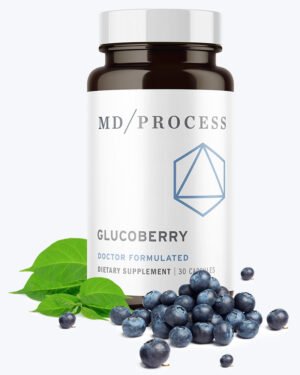
GlucoBerry – Daily Support for Healthy Blood Sugar and Energy