
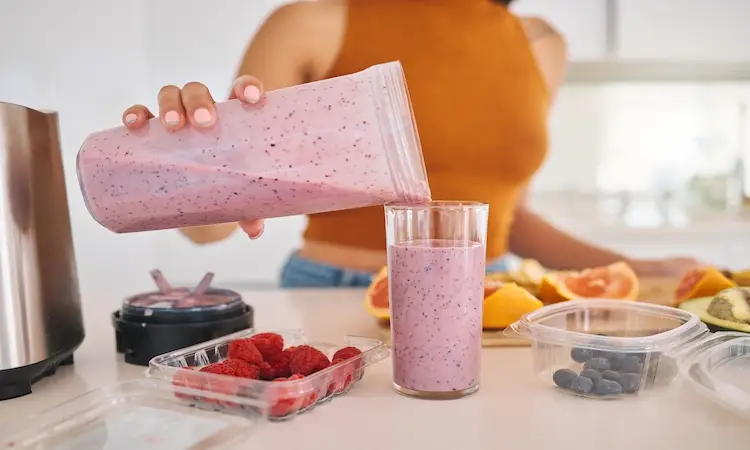
If you’ve ever tried to “drink healthy” and ended up hungrier an hour later, you’re not alone. Smoothies can support fat loss, but they can also backfire fast. The difference usually comes down to fullness, added sugar, and portion size.
In this post, “burn fat naturally” doesn’t mean a magic ingredient that melts pounds overnight. It means building smoothies that support the basics that drive results: steady blood sugar, fewer cravings, more protein and fiber, and fewer empty liquid calories. Think of it like setting up your day so you’re not fighting hunger all afternoon.
Weight Loss Programs
Diet & Weight Loss
Old School New Body – Transformative Fitness & Nutrition Program
Diet & Weight Loss
Diet & Weight Loss
Diet & Weight Loss
These ideas are for busy mornings, sweet cravings that hit at 3 pm, and post-workout meals that need to be quick. Used the right way, weight loss smoothies can make healthy eating feel simpler, not harder.
What makes a smoothie good for fat loss (and what makes it backfire)
A fat-loss-friendly smoothie should act more like a small meal and less like a milkshake. The goal is simple: keep you full on fewer calories, with steady energy that doesn’t spike and crash.
The most reliable formula is protein plus fiber, with a little healthy fat. Protein helps curb hunger, fiber slows digestion, and fat adds staying power. When one of those is missing, cravings tend to show up early and loud.
Sugar is the other big factor. Fruit is nutritious, but it’s easy to turn a blender into a sugar delivery system. Two bananas, a big splash of juice, and sweetened yogurt can push a smoothie into dessert territory. If you want a helpful reality check on common “fat-burning smoothie” claims, see this overview of science-backed smoothie ideas for healthy fat loss.
Also, don’t put too much faith in “metabolism boosters.” Caffeine, spices, and green tea can offer small nudges, but they don’t replace calorie control and consistency. The main driver is still the boring stuff: how much you eat across the day, and how well your meals keep you satisfied.
The 4 building blocks: protein, fiber, smart carbs, and healthy fats
Protein (the anchor): This is what turns diet smoothies into something that actually holds you over. Easy options include plain Greek yogurt, cottage cheese, protein powder (whey or plant-based), silken tofu, or even pasteurized egg whites. A simple guide is 1 palm-sized portion of protein, which usually looks like 3/4 to 1 cup yogurt or cottage cheese, or 1 scoop protein powder.
Fiber (the “stay full” factor): Fiber adds volume without many calories. Frozen berries, chia seeds, ground flax, oats, spinach, and cauliflower rice (yes, it works) are all easy adds. Aim for 1 to 2 fists of high-fiber produce, plus 1 tablespoon chia or flax if you want more staying power.
Smart carbs (the energy dial): Carbs aren’t the enemy, they’re adjustable. For a lighter smoothie, use 1/2 banana or 1/3 cup oats. If you’re active, a bit more carb can help around workouts. Some people even blend a small amount of cooked and cooled potato or rice for a thicker texture, but keep it modest.
Healthy fats (the “slow burn”): Fat helps with satisfaction, but it’s also easy to overdo. Use 1 tablespoon nut butter, 1/4 avocado, or 1 tablespoon chia. Think 1 thumb of fat, not a free pour.
Common smoothie mistakes that stall weight loss
Most smoothie “problems” are fixable with one quick swap.
- Too much fruit: Keep fruit to about 1 cup (or 1/2 banana plus berries). Add greens or cauliflower rice for volume.
- Using juice as the base: Juice makes it easy to drink a lot of calories fast. Swap to water, unsweetened almond milk, or plain dairy milk.
- Sweetened yogurt: Many flavored yogurts add a lot of sugar. Use plain Greek yogurt, then add cinnamon or vanilla extract for flavor.
- Honey, syrup, or “health” sweeteners: If you need sweetness, use berries, a few pineapple chunks, or a pitted date (not five).
- Portion creep: A 32-ounce “smoothie” can be two meals. A practical range is 12 to 16 ounces for most people.
- Stacking calorie add-ons: Nut butter plus granola plus coconut oil plus chocolate chips adds up fast. Pick one extra, not four.
- Low protein, fast drinking: If it’s mostly fruit and liquid, it won’t satisfy. Add protein, blend thicker, and drink it slowly.
For more examples of how recipe sites build fat burning smoothies, compare approaches like these fat-burning smoothie recipes and notice how protein and added sugars vary.
7 weight loss smoothie recipes that support fat burning naturally
Each recipe below is designed to be repeatable, grocery store friendly, and lower in added sugar. They’re also easy to adjust. If you’re hungrier, bump protein first, then fiber. If fat loss has stalled, reduce fruit portions and keep the add-ons tight.
Green protein smoothie for all day fullness
Why it works: High protein and fiber, with just enough fruit to taste great.
Ingredients
- 1 cup unsweetened almond milk or water
- 1 cup spinach (or baby kale)
- 1/2 cup frozen pineapple or mango
- 3/4 cup plain Greek yogurt (or 1 scoop protein powder)
- 1 tablespoon chia seeds
- Juice of 1/2 lime or lemon
- Ice (optional, for thickness)
Method: Add liquid first, then greens, then yogurt, then frozen fruit and chia. Blend until smooth. Taste and add more citrus if you want a brighter flavor.
Taste tip: citrus and pineapple cover the “green” taste better than most add-ins.
Berry chia smoothie to fight cravings
Why it works: Berries plus chia bring fiber, which helps you feel full longer.
Ingredients
- 1 cup water or milk of choice
- 1 to 1 1/2 cups frozen mixed berries
- 3/4 cup plain Greek yogurt or cottage cheese
- 1 tablespoon chia seeds
- 1/2 teaspoon cinnamon
- Optional: 2 tablespoons rolled oats (for a more filling version)
Method: Blend liquid, yogurt, cinnamon, and chia first. Add berries and blend again. Let it sit 2 minutes to thicken, since chia absorbs liquid.
This one fits well when sweet cravings hit, but you still want slimming smoothies that feel like a treat.
Chocolate peanut smoothie that feels like dessert
Why it works: Chocolate flavor without loading up on sugar, plus enough protein to make it stick.
Ingredients
- 1 cup milk of choice
- 1/2 banana (frozen if you can)
- 1 scoop chocolate or vanilla protein powder
- 1 tablespoon unsweetened cocoa powder
- 1 to 2 tablespoons powdered peanut butter (or 1 tablespoon nut butter)
- Handful of ice
Method: Blend everything until thick and creamy.
Lighter option: powdered peanut butter gives the peanut flavor with fewer calories than a big spoonful of nut butter. Extra ice also thickens without adding energy.
Coffee cinnamon smoothie for a morning metabolism push
Why it works: Protein plus coffee can feel energizing, especially pre-workout.
Ingredients
- 3/4 cup chilled coffee or cold brew
- 1/2 cup milk of choice
- 1 scoop vanilla protein powder (or 3/4 cup Greek yogurt)
- 1/2 teaspoon cinnamon
- 1 teaspoon cocoa powder or 1/2 teaspoon vanilla extract
- Ice
Method: Blend until frothy and smooth.
Caffeine can help energy and workout performance for some people. Keep it earlier in the day, and skip added sugar. If you like curated lists of diet smoothies, this roundup of weight-loss smoothie recipes shows how often sugar sneaks in through flavored bases.
Tropical cottage cheese smoothie for high protein and low sugar
Why it works: Cottage cheese blends surprisingly smooth and adds a lot of protein.
Ingredients
- 3/4 cup cottage cheese
- 1/2 cup frozen mango or pineapple
- 1/2 to 1 cup water (or unsweetened almond milk)
- 1 teaspoon grated ginger (or a pinch of ground ginger)
- Juice of 1/2 lime
- Ice (optional)
Method: Blend cottage cheese and liquid first until fully smooth. Add fruit, ginger, and lime, then blend again.
This is a great option when you want low calorie smoothies that still feel creamy.
Oatmeal smoothie that works as a meal replacement
Why it works: Measured oats plus protein make a steady, filling breakfast.
Ingredients
- 1 cup milk of choice
- 1/3 cup rolled oats
- 1 scoop protein powder (or 3/4 cup Greek yogurt)
- 1/2 cup berries (or 1/2 banana)
- 1 tablespoon ground flax
- Pinch of salt
- Ice (optional)
Method: Blend oats with milk first to break them down. Add the rest and blend until smooth.
When to use it: busiest mornings, or after a workout. Keep oats measured so it stays a true meal replacement smoothie, not a calorie bomb in a cup.
High fiber “PB and jelly” smoothie without the sugar crash
Why it works: “Jelly” flavor from berries, plus fiber and protein for steadier energy.
Ingredients
- 1 cup unsweetened milk of choice
- 1 1/2 cups frozen strawberries or raspberries
- 1 scoop vanilla protein powder (or 3/4 cup Greek yogurt)
- 1 tablespoon ground flax
- 1 tablespoon powdered peanut butter (or 1 teaspoon to 1 tablespoon nut butter)
- Ice (as needed)
Method: Blend liquid and protein first, then add berries and flax. Blend until thick.
Tip: add a handful of spinach for extra fiber with almost no flavor change. It’s a simple way to make fat burning smoothies more filling without adding much sugar.
How to use smoothies in your day so the scale actually moves
Smoothies work best when they have a job. If you drink one randomly on top of your usual meals, results tend to stall. If you use one to replace a meal you’d normally overeat, that’s where the change shows up.
A practical rhythm is 3 to 5 smoothies per week, not necessarily every day. Start with the moment you’re most likely to grab fast food, pastries, or a giant sweet coffee. That’s usually breakfast or the late afternoon snack zone.
If you don’t track calories, use “container control.” A 12 to 16-ounce cup is a solid default for most meal-style smoothies. If you’re still hungry after 20 to 30 minutes, add something small and crunchy on the side next time, like a boiled egg, a piece of fruit, or baby carrots. If you’re hungry in 60 minutes, your smoothie probably needs more protein.
Hydration and sleep matter too. When you’re dehydrated or short on sleep, hunger feels sharper and cravings get louder. Keeping water nearby and aiming for a consistent bedtime helps more than people expect. If you want another perspective on smoothie structure and timing, this set of smoothies backed by nutritionists highlights similar themes.
Breakfast, lunch, or snack, choose the right role for your smoothie
A snack smoothie is smaller and lighter. Use 8 to 12 ounces, prioritize protein, and keep fruit modest. This works well an hour or two before dinner if that’s when you tend to graze.
A meal smoothie is thicker and higher protein. Use 12 to 16 ounces, include fiber (chia, flax, berries, greens), and consider a small amount of carbs if it’s replacing breakfast or lunch.
Active people can time carbs around training. If you lift or do hard cardio, it’s reasonable to add 1/3 cup oats or 1/2 banana post-workout. That supports recovery and can reduce later cravings.
Prep once, blend fast: the easiest way to stay consistent
Consistency is the real “metabolism smoothie” trick. The easiest way to stay on track is to prep freezer packs.
Once a week, fill 5 to 7 bags with fruit, greens, and chia or flax. Label each bag with the recipe name, then keep protein powder, yogurt, and nut butter in a predictable spot (your “smoothie shelf”). In the morning, dump a bag into the blender, add liquid and protein, and blend.
A blender order that reduces clumps: liquid first, then powders, then soft foods (yogurt, cottage cheese), then frozen items, then ice.
Storage basics: a blended smoothie can sit in the fridge up to 24 hours, but texture is best fresh. Freezer packs hold well for 2 to 3 months if they’re sealed tightly.
Conclusion
Smoothies don’t melt fat on their own, but the best ones make fat loss easier. Keep them high protein, high fiber, low in added sugar, and portion smart, and you’ll usually feel the difference in hunger and cravings within a week.
Pick one or two recipes from this list and repeat them for seven days. Then adjust based on real feedback: Are you satisfied, are you snacking less, is your energy steadier? If you’re pregnant, managing diabetes, or taking meds affected by diet changes, check with a clinician before making big shifts.
Now make it simple: choose one smoothie, build a few freezer packs today, and set yourself up for a smoother week.

The AnySmoothie team is all about smarter smoothie recipes made with whole-food ingredients. Everything we share centers on balanced nutrition, steady energy, and low-glycemic choices, so you can sip a smoothie that keeps you full, feels good, and helps you avoid sugar crashes.
- Disclaimer: This content is for educational use only. These smoothie recipes and nutrition details aren’t a substitute for medical advice from a licensed health professional. Please read our full Medical Disclaimer here.
Dietary Supplements
Dietary Supplements
Dietary Supplements
Dietary Supplements
Dietary Supplements
NeuroQuiet – Daily Support for Brain Health, Hearing, and Tinnitus Relief