
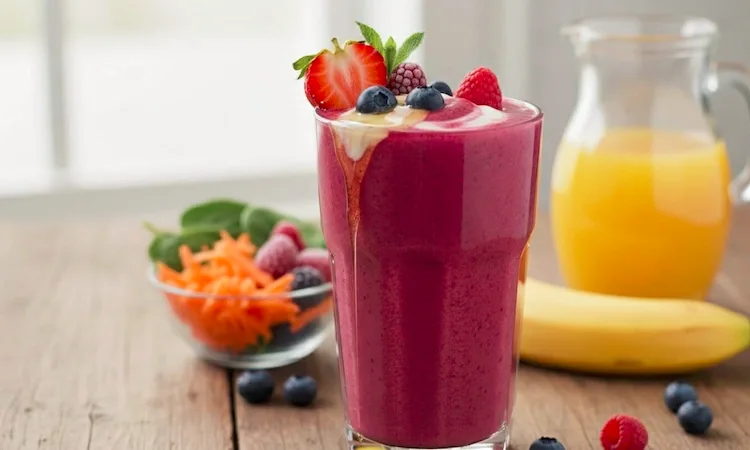
If you want the health perks of veggies but can’t stand the taste, smell, or gritty bits, you’re not alone. A lot of “healthy” smoothies still end up tasting like blended salad, and that’s enough to make anyone quit.
The good news is that a smoothie for people who hate vegetables can still taste sweet, thick, and satisfying. The trick is picking mild veggies that disappear (think spinach, zucchini, cucumber, or carrot), then pairing them with dessert-like flavors so your brain reads “treat,” not “greens.”
Weight Loss Programs
Diet & Weight Loss
Diet & Weight Loss
Diet & Weight Loss
Diet & Weight Loss
In this post, you’ll get a simple plan that works even if you’re picky. We’ll start with milkshake-style bases (frozen banana, creamy yogurt, and frozen fruit), then add “invisible” veggies in tiny steps so you never get hit with that raw-veg flavor.
You’ll also learn a couple of texture fixes that matter more than most recipes admit, like blending greens with liquid first and keeping the liquid low until the end. The goal is easy, drinkable nutrition that still feels like dessert.
Why veggie smoothies taste bad (and how to fix it fast)
Most veggie smoothies taste “off” for a few predictable reasons. Bitter greens (hello, raw kale) read as sharp and grassy. Earthy veggies can taste like dirt even when they’re fresh (beets and celery are common culprits). Then there’s the “thin and sad” problem: too much liquid makes the whole thing watery, which makes veggie flavors louder. Finally, chunks from under-blended greens or fibrous veg can make every sip feel like you’re chewing a salad.
The fixes are simple, and you’ll use them in every dessert-style smoothie in this post:
- Balance bitter with sweet and acid (fruit plus a squeeze of lemon or lime).
- Fix texture first (frozen fruit plus a creamy add-in).
- Control smell and aftertaste (start with mild veggies that disappear).
If you want more beginner-friendly veggie picks, mindbodygreen’s list of mild smoothie veggies lines up well with what actually blends in quietly.
Flavor math that works: sweet, creamy, and a little tang
Here’s the rule of thumb that keeps veggie flavor on mute while your smoothie still tastes like dessert:
2 cups fruit + 1 cup liquid + 1 creamy add-in, then finish with a pinch of salt or cinnamon (optional) and a squeeze of citrus (optional).
A few notes that make this “math” work:
- Bananas, mango, and pineapple are the best cover-up fruits. They’re strong, sweet, and they drown out green notes fast.
- Acid is the secret weapon. A small squeeze of lemon or lime brightens the fruit and cuts that earthy aftertaste.
- A tiny pinch of salt doesn’t make it salty. It makes it taste more like a real milkshake.
Quick example combo (easy, forgiving, and veggie-proof):
Frozen mango + frozen banana + milk (or oat milk) + Greek yogurt + squeeze of lime + baby spinach. It lands like a tropical creamsicle, not a vegetable drink.
Texture matters more than you think: make it thick like a milkshake
A thin smoothie makes veggie flavors harder to ignore. Thickness is your disguise. The fastest path to milkshake texture is frozen fruit, because it chills and thickens without watering things down.
Use these habits and the texture problem usually disappears:
- Start with less liquid than you think (you can always add more). Aim for about 1 cup to begin.
- Use frozen fruit as the base, not ice. Ice can make it slushy and dull the flavor.
- Blend longer than you think, especially if you’re adding greens. Most “chunks” are just under-blending.
- High-power blender helps, but you can still win with a basic blender if you go slower, add liquid gradually, and blend an extra 30 to 60 seconds.
- Add ice only if needed after it’s already smooth and thick.
For creaminess that reads like dessert, rotate in:
- Greek yogurt (thick, tangy, and masks bitterness)
- Oats (makes it shake-like and smooth)
- Nut butter (adds richness and covers green flavors)
If banana isn’t your thing, The Kitchn’s ideas for smoothies without bananas are a good backup plan.
Pick mild veggies first so you do not taste them
For a smoothie for people who hate vegetables, your first goal is “invisible,” not “super green.” Start with veggies that don’t announce themselves.
Beginner-friendly options that hide well:
- Frozen cauliflower: surprisingly creamy and neutral, it disappears behind fruit.
- Zucchini: mild and watery in a good way, it blends smooth when paired with frozen fruit.
- Baby spinach: much milder than kale, especially when you keep the amount small at first.
- Cooked and chilled carrot: naturally sweet, it fits right into dessert flavors like vanilla, cinnamon, and orange.
Save these stronger flavors for later, once you’ve nailed your base:
- Raw kale (bitter)
- Beets (earthy, and they can take over fast)
- Celery (sharp, “fresh” smell that lingers)
A simple starting move: add a small handful of a mild veggie to a fruit-forward smoothie, then increase only when you stop noticing it. That’s how you build a veggie habit without ruining breakfast.
The best smoothie for people who hate vegetables, 6 dessert-style recipes with hidden nutrition
If you want a smoothie for people who hate vegetables, you need two things: strong dessert flavors (fruit, vanilla, cocoa, cinnamon) and a texture that feels like a treat (thick, cold, creamy). These six recipes taste like milkshakes, soft-serve, or pie filling, but they can still sneak in mild veggies that blend in quietly.
Each one includes a hidden veggie option you can skip or add, plus an easy swap so you can make it work with what you have.
Strawberry Banana Cream Smoothie (no veggie taste)
This is the “safe” smoothie. It tastes like strawberry ice cream with banana, and if you add a small handful of spinach, it stays sweet.
Ingredients (1 large smoothie)
- 1 cup frozen strawberries
- 1 medium ripe banana (fresh or frozen)
- 3/4 to 1 cup milk of choice
- 1/2 cup plain or vanilla Greek yogurt
- 1 to 2 tsp honey or 1/2 tsp vanilla (optional)
- Hidden veggie option: 1 small handful baby spinach (optional)
How it tastes: creamy, fruity, and dessert-sweet, like a strawberry-banana milkshake.
How to blend
- Add milk and yogurt first, then fruit, then spinach (if using).
- Blend until totally smooth, 45 to 90 seconds.
Thickness fixes
- Want it thicker? Use less milk (start with 3/4 cup) or freeze the banana.
- Want it thinner? Add a splash of milk and blend again.
Veggie-free option and swap
- No spinach today? Skip it, this recipe still works.
- Swap Greek yogurt with a thick dairy-free yogurt if needed.
If you want a similar “hidden veggie” approach, this Hidden Cauliflower Smoothie with Strawberry and Banana shows how well fruit can cover mild add-ins.
Peanut Butter Banana Oat Smoothie (breakfast milkshake)
This one drinks like a peanut butter milkshake, but it’s filling enough to replace breakfast. Oats make it thick and smooth, and a little cinnamon gives it that bakery vibe.
Ingredients (1 large smoothie)
- 1 banana (fresh or frozen)
- 2 tbsp peanut butter
- 1/4 cup rolled oats
- 3/4 to 1 cup milk
- 1/2 cup Greek yogurt
- 1 pinch cinnamon
- Hidden veggie option: 1/2 cup frozen cauliflower (optional, for extra creaminess)
How it tastes: rich, nutty, and lightly sweet, like a peanut butter banana shake.
Hidden veggie (or veggie-free)
- Frozen cauliflower disappears because it’s mild and adds body. Use small florets, or buy frozen riced cauliflower.
- Skip it if that idea still feels like a bridge too far.
Easy swaps
- Nut allergy? Use sunflower seed butter.
- No peanut butter? Almond butter works great, it’s slightly sweeter.
- No oats? Use 1 tbsp chia, then let it sit 5 minutes to thicken.
Tropical Vacation Smoothie (mango, pineapple, coconut)
This smoothie is bright, sweet, and beachy. The tropical fruit and coconut hide mild veggies well, and it never tastes “green.”
Ingredients (1 large smoothie)
- 1 cup frozen mango
- 1 cup frozen pineapple
- 1/2 banana (helps it taste like a sorbet)
- 3/4 cup coconut milk (carton or canned, your choice)
- 1 tbsp lime juice (about half a lime)
- Hidden veggie option: 1/2 cup chopped zucchini or 1/2 cup frozen cauliflower
How it tastes: like a tropical sorbet with a splash of piña colada energy, sweet and tangy.
Hidden veggie tip
- Zucchini is the stealth pick here. Peel it if you’re sensitive to “vegetable” thoughts.
- Cauliflower makes it thicker and more like soft-serve.
Easy swaps
- Too tart? Add 1 tsp honey or an extra 1/4 banana.
- Want more protein? Add 1/2 cup Greek yogurt without changing the flavor much.
Blueberry Vanilla Smoothie with “invisible” frozen cauliflower
If you want the top stealth-veg trick, this is it. Blueberry plus vanilla covers almost everything, and cauliflower turns into creamy body with no real taste.
Ingredients (1 large smoothie)
- 1 1/2 cups frozen blueberries
- 1 banana (preferably frozen)
- 3/4 cup milk
- 1/2 cup vanilla Greek yogurt
- 1/2 cup frozen cauliflower florets (small pieces)
How it tastes: like blueberry frozen yogurt, sweet and creamy.
Why cauliflower disappears
- It has a neutral flavor, especially when frozen.
- It adds a thicker, creamier texture, kind of like a milkshake thickener.
- Blueberries and vanilla take the lead, so you notice “dessert,” not veggies.
Easy swap
- No vanilla yogurt? Use plain yogurt plus 1/2 tsp vanilla and 1 to 2 tsp honey.
For another version of this idea, EatingWell’s berry-banana cauliflower smoothie is a good reference for how common and practical this combo is.
Chocolate Cherry Smoothie that hides greens
Chocolate is the ultimate cover. Pair it with cherries and banana (or dates) and you get a smoothie that tastes like dessert, even with a little spinach blended in.
Ingredients (1 large smoothie)
- 1 1/2 cups frozen cherries
- 1 tbsp unsweetened cocoa powder
- 1 banana or 2 to 3 pitted dates
- 3/4 to 1 cup milk
- 1/2 cup Greek yogurt
- Hidden veggie option: 1/2 cup baby spinach (start with 1/4 cup if you’re nervous)
How it tastes: like a chocolate-covered cherry milkshake.
Hidden veggie tip
- Cocoa powder covers green flavors better than most ingredients. Keep the spinach amount small at first, and blend it fully.
Easy swaps
- No yogurt? Use a frozen banana plus an extra 1 tbsp nut butter for creaminess.
- Dairy-free? Use oat milk and a thick plant-based yogurt.
Apple Pie Smoothie (sweet spice covers everything)
This is cozy and dessert-like, with cinnamon doing most of the heavy lifting. It tastes like apple pie filling with vanilla ice cream vibes, and mild veggies blend right in.
Ingredients (1 large smoothie)
- 1 frozen banana
- 1/2 cup applesauce (unsweetened) or 1 small apple, chopped
- 1/4 cup rolled oats
- 3/4 cup milk
- 1/2 cup Greek yogurt
- 1/2 tsp cinnamon
- 1 pinch salt
- Hidden veggie option: 1/3 cup cooked and chilled carrot or 1/2 cup peeled zucchini
- Optional: 1/2 tsp vanilla (adds the “pie à la mode” feel)
How it tastes: like apple pie oatmeal, sweet, cinnamon-forward, and creamy.
Hidden veggie (and why it works)
- Cooked carrot is naturally sweet, so it fits the flavor.
- Zucchini is mild and basically vanishes under cinnamon and vanilla.
Easy swaps
- No applesauce? Use a chopped apple and blend longer.
- Want it sweeter without sugar? Add one date or a bit more banana.
How to sneak in vegetables without noticing: a step-by-step tolerance plan
If the idea of “veggie smoothies” makes you think of lawn clippings in a cup, this plan is for you. Think of it like turning down the volume on vegetable flavor while you turn up the dessert vibes. You’ll start with almost invisible amounts, then slowly increase only when your taste buds stop flagging it.
Before you begin, here are the safe picks and the ones to save for later:
- Stealth veggies (start here): frozen cauliflower, zucchini (peeled if you want), baby spinach, cooked and chilled carrot
- Strong veggies (avoid early): raw kale, beets, celery, raw broccoli, green pepper
One more rule that makes this work: keep it cold and thick. A thick smoothie hides veggie flavor way better than a thin one.
Stage 1: Add 1 to 2 tablespoons of a neutral veggie
Start with frozen cauliflower or frozen zucchini. At this stage, you’re not trying to “eat vegetables,” you’re just teaching your smoothie that veggies can exist without taking over.
How to measure it (keep it simple):
- Use a regular tablespoon and add 1 tablespoon first.
- Next time, try 2 tablespoons.
- If you’re using frozen riced cauliflower, it’s even easier to measure.
When to add it (so it blends smooth):
- Add your liquid and yogurt first (or any creamy base).
- Add the fruit.
- Add your 1 to 2 tablespoons of frozen cauliflower or zucchini last.
How to keep it cold so it stays thick:
- Use frozen fruit as your base (not ice).
- Keep liquid on the low side at first, then add a splash only if needed.
- If you pre-portion smoothie packs, store the veggie in the bag already frozen so it never softens.
If you stop at Stage 1, you still win. You’re getting a little extra fiber and nutrients with no “vegetable smoothie” experience.
Stage 2: Move up to 1/4 cup, then 1/2 cup
Once 2 tablespoons feels normal, move to 1/4 cup for a few smoothies. Then, if you want, bump it to 1/2 cup.
A few pairings make this jump feel easy:
- Blueberry + cauliflower: blueberries and vanilla cover everything and cauliflower adds creaminess.
- Tropical fruit + zucchini: mango, pineapple, and coconut make zucchini disappear.
- Chocolate + spinach: cocoa is a strong mask, especially with banana or dates.
If the smoothie starts tasting “healthy,” don’t force it. Fix it fast:
- Add more banana (fresh or frozen) for sweetness and body.
- Add 1 pitted date for a caramel-like sweetness.
- Add 1/4 to 1/2 tsp vanilla to push it back into dessert territory.
Tip for families and picky eaters: try the “two-sip rule.” Offer a small glass first, ask for two sips, and keep it low-pressure. You’ll get more buy-in over time. For more picky-eater-friendly smoothie ideas, Autism Dietitian’s smoothie tips are practical and realistic.
Stage 3: Try mild greens, then stronger veggies only if you want
When you’re ready to add a green, start with baby spinach. It’s much milder than kale and it blends into fruit smoothies without that sharp bite.
Your green progression:
- Baby spinach: start with 1/4 cup, then go to 1/2 cup
- Optional later: kale, start with 1 to 2 tablespoons, then increase only if you truly like it
If you taste bitterness, use this quick fix checklist (pick 1 or 2, not all):
- Add citrus: lemon or lime wakes up fruit flavor and distracts from greens.
- Add banana: sweetness plus creaminess calms bitter notes.
- Add a pinch of salt: it makes chocolate and fruit taste richer.
- Add cocoa or cinnamon: both cover green flavors well.
- Chill more: more frozen fruit, or pop the smoothie in the freezer for 10 minutes.
Tip for picky kids: blend greens with the liquid first until fully smooth, then add fruit. It removes the “tiny green bits” problem that turns some kids off. If you want more general ideas for sneaking veggies into kid favorites, Thriving Home’s list of veggie hideouts can help beyond smoothies too.
This is the simplest path to a smoothie for people who hate vegetables: start tiny, keep it thick, and only increase when you stop noticing.
Smoothie add-ins that boost nutrition without a veggie flavor
When you’re making a smoothie for people who hate vegetables, the easiest win is to upgrade what’s already delicious. Think of add-ins like “quiet helpers”, they change how filling and balanced the smoothie feels, without turning it into a green drink. Start with one add-in at a time, keep the flavors familiar (vanilla, chocolate, berry), and you’ll notice the difference by lunchtime.
Protein choices that stay mild: Greek yogurt, milk, and powders
Protein is what turns a sweet smoothie into something that actually keeps you full. If your smoothie tastes great but you’re hungry again in an hour, it usually needs more protein (and sometimes more fat or fiber too).
Here are mild options that blend in easily:
- Greek yogurt: Thick, creamy, and slightly tangy in a good way. It makes fruit taste more like frozen yogurt. Plain works, but vanilla is the “dessert” shortcut.
- Cottage cheese: Sounds weird, tastes normal once blended. It turns into a cheesecake-like base when you pair it with berries, vanilla, or cocoa.
- Milk options: Dairy milk is neutral and creamy. Soy milk is a good plant option when you want more protein without a strong flavor.
- Protein powder (whey or plant-based): If you use powder, pick vanilla or unflavored first. Skip anything marketed as “greens,” “superfood,” or “matcha” if you hate grassy notes. For more ideas, this Health.com list of protein add-ins for smoothies is a solid roundup.
Simple tip: if you can taste the protein powder, you used the wrong flavor or too much. Start with half a scoop, then adjust.
Fiber and healthy fats for a creamy, filling smoothie
Fiber and healthy fats help your smoothie stick with you. They also make the texture feel more like a milkshake instead of fruit juice.
The best “no veggie flavor” picks:
- Rolled oats: The easiest way to get a thicker, creamier smoothie that feels like breakfast. Start with 2 to 3 tablespoons, blend well.
- Chia seeds: Great thickener, but they can feel gritty if you go heavy. Start with 1 teaspoon, then let the smoothie sit 3 to 5 minutes.
- Ground flaxseed: Adds fiber and a subtle nutty taste. Use 1 teaspoon to 1 tablespoon, and make sure it’s ground (whole flax can pass right through you).
- Nut butter: Peanut butter, almond butter, or cashew butter adds richness and covers “healthy” flavors fast. 1 tablespoon is usually enough.
- Avocado (small amount): Avocado is more about texture than taste. Use 1 to 2 tablespoons for extra creaminess, especially in chocolate or tropical blends.
If you want a broader checklist of smoothie add-ins (including fiber and fats), this Hartford HealthCare guide to healthy smoothie ingredients has good, practical options.
Flavor boosters that make it taste like a treat
This is where you turn “healthy smoothie” into “dessert smoothie,” without needing ice cream.
A few tiny additions make a big difference:
- Vanilla extract: The fastest way to make a smoothie taste like cake batter or a milkshake (start with 1/4 teaspoon).
- Cinnamon: Adds bakery flavor, especially with banana, oats, apples, or nut butter.
- Cocoa powder: Covers almost anything and instantly reads as dessert.
- Espresso powder: Just a pinch makes chocolate taste deeper (like mocha).
- Citrus zest (lemon or orange): Brightens fruit and masks earthy aftertaste.
- Frozen fruit blends: Mixed berries, cherry blends, or tropical mixes create a stronger “fruit-forward” flavor that keeps veggies in the background.
- A pinch of salt: It won’t taste salty, it makes sweet flavors pop.
For sweetness, use the smallest amount needed so it still tastes like a treat, not candy:
- 1 to 2 dates for caramel vibes
- 1 teaspoon honey for gentle sweetness
- 1 teaspoon maple syrup for a warm, dessert flavor (great with cinnamon)
Conclusion
A smoothie for people who hate vegetables doesn’t have to taste like a salad. When you keep it thick and cold, stick with mild add-ins (spinach, zucchini, cauliflower, or cooked carrot), and build around dessert flavors like banana, berries, cocoa, vanilla, and cinnamon, the “veggie” part stays quiet. The biggest wins come from texture, frozen fruit for body, less liquid up front, and blending long enough to remove every last bit.
Your simple next step is this, pick one dessert-style recipe from above, use frozen fruit, then try the Stage 1 stealth veggie (just 1 to 2 tablespoons). That small amount is how you build consistency without triggering the taste buds that usually say “nope.” Consistency beats perfection, a “pretty good” smoothie you’ll drink all week is better than a “perfect” one you quit after two days.
Try one recipe tomorrow morning, then tweak it to taste (sweeter, thicker, more vanilla, or a pinch of salt) until it feels like your new normal.

The AnySmoothie team is all about smarter smoothie recipes made with whole-food ingredients. Everything we share centers on balanced nutrition, steady energy, and low-glycemic choices, so you can sip a smoothie that keeps you full, feels good, and helps you avoid sugar crashes.
- Disclaimer: This content is for educational use only. These smoothie recipes and nutrition details aren’t a substitute for medical advice from a licensed health professional. Please read our full Medical Disclaimer here.
Dietary Supplements
Dietary Supplements

Dietary Supplements

Dietary Supplements
Dietary Supplements
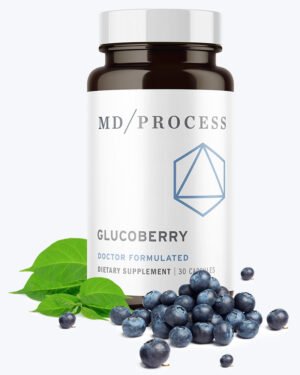
GlucoBerry – Daily Support for Healthy Blood Sugar and Energy