
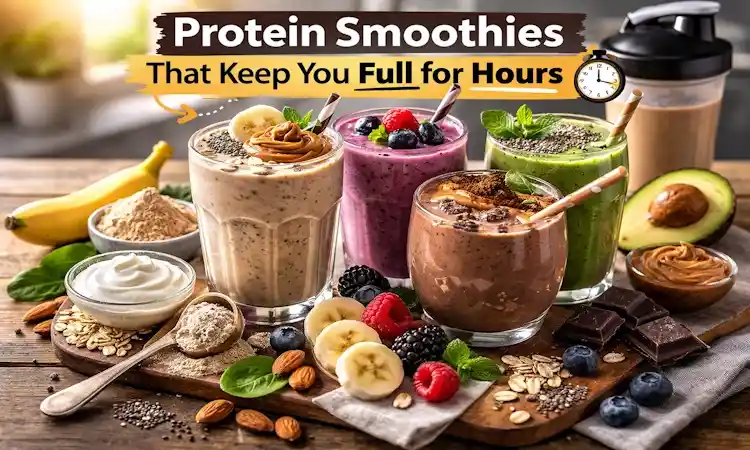
Ever finish a smoothie, toss the cup, and feel hungry again before you’ve even checked your email? That’s the most common smoothie problem. Many blends are basically fruit juice with a different texture. They taste great, yet they don’t have the building blocks that tell your body, “We’re good for a while.”
A protein smoothie can fix that, but only if it’s built like a real meal (or a real snack). The goal is simple: steady energy, fewer cravings, and a stomach that doesn’t start negotiating an early lunch.
Weight Loss Programs
Diet & Weight Loss
Diet & Weight Loss
Diet & Weight Loss
Diet & Weight Loss
In this guide, you’ll learn the three keys that make protein smoothies filling: enough protein, enough fiber, and a little healthy fat. You’ll also use “smart thickness” (ice, frozen fruit, oats) so it takes longer to drink. Then you’ll get an easy mix-and-match formula plus six filling protein shake recipes you can use for weight loss, appetite control, or a full meal replacement.
What actually keeps a protein smoothie filling for hours?
Fullness is part biology and part behavior. When you drink calories fast, your brain often gets the message late. That’s why a thin smoothie can vanish in two minutes and leave you prowling the pantry by 10 a.m.
To keep a smoothie satisfying, you control four practical levers:
1) Protein amount (your anchor). Protein is slow to digest and supports steady appetite signals. For most people, a good target is 25 to 35 grams of protein for a snack smoothie, and 35 to 50 grams if you’re using it as a meal replacement. You don’t need perfection. You just need to be in the right neighborhood.
2) Fiber (your “brakes”). Fiber adds bulk and helps slow digestion. It also makes a smoothie thicker without adding much sugar. When possible, aim for 8 to 12 grams of fiber in a filling blend. If that sounds high, start lower and build up over a week or two.
3) Healthy fat (your “staying power”). A small amount of fat can extend how long the smoothie sits with you. You don’t need a lot. One tablespoon of nut butter, a quarter avocado, or a tablespoon of hemp hearts is often enough.
4) Volume and thickness (your pace). Thick, cold smoothies take longer to consume. That extra time matters because your body doesn’t “count” fullness instantly. If you want more ideas for high-protein smoothies that are designed to satisfy, this roundup from TODAY’s high-protein smoothie list is useful for flavor combos, even if you adjust the portions to fit your goals.
One more reality check: blending can make calories easier to take in quickly. That’s not “bad,” but it means your smoothie should act like food, not a beverage. Build it thick, drink it slowly, and treat it like you’re eating breakfast with a spoon.
The satiety trio: protein, fiber, and healthy fat
Think of this trio like a sturdy chair. If one leg is missing, it wobbles. If all three show up, you sit comfortably for longer.
Protein options (pick one or mix): Greek yogurt, milk, soy milk, whey, pea protein, cottage cheese, silken tofu. Many people also like protein powders because they’re simple and consistent.
Fiber options (choose at least one): berries, chia seeds, ground flax, oats, spinach, frozen cauliflower rice. Even if you “hate vegetables,” a cup of spinach usually disappears under fruit and cocoa.
Healthy fats (use a small add-on): peanut butter, almond butter, avocado, hemp hearts. Keep the portion modest if your goal is a low-calorie high-protein smoothie recipe.
Two quick combos that work well:
- Greek yogurt + mixed berries + chia. Creamy, thick, and easy to hit both protein and fiber.
- Soy milk + pea protein + spinach + peanut butter. Higher protein, still balanced, and great for protein smoothies for appetite control.
If you want a medically reviewed example of how a higher-calorie, higher-protein smoothie can be structured, see the Mayo Clinic’s high-protein smoothie recipe. You can also scale it down by using unsweetened milk and less fruit.
Texture tricks that make you feel fuller
Thickness isn’t just about taste. It changes how fast you drink, which changes how fast you want more food.
Use these simple tricks:
- Go heavy on frozen ingredients: frozen berries, frozen banana slices, frozen mango, or even frozen zucchini.
- Use less liquid than you think: start small, then add a splash if needed.
- Add “gel fibers”: chia and oats thicken as they sit.
- Blend longer: more time in the blender can make it feel like a milkshake.
- Chill your cup: a cold glass keeps it thicker longer.
- Slow down on purpose: use a straw with a smaller opening, or eat it with a spoon.
If your smoothie is thin enough to chug, it’s often too easy to out-drink your fullness. Aim for “soft-serve” thickness when you want the best protein shakes for satiety.
A practical pacing goal: take 10 to 15 minutes to finish it. That single change can make a snack smoothie feel like a real mini-meal.
Build your own filling protein smoothie with this simple formula
Once you understand the levers, you don’t need a perfect recipe. You need a template you can repeat on busy mornings.
Here’s a simple formula that works for high-protein smoothies for weight loss and for meal replacement protein smoothies:
Step 1: Choose a liquid (3/4 to 1 1/4 cups).
Unsweetened almond milk, dairy milk, soy milk, or cold brew coffee. Use more liquid for a lighter drink, less for a thick one.
Step 2: Add protein (aim for your target range).
This might be 1 scoop of protein powder, plus Greek yogurt, or a block of silken tofu. If you prefer whole foods over powders, you’ll usually use a bigger portion of yogurt, cottage cheese, or tofu.
Step 3: Add fiber and bulk (at least 1 pick).
Frozen berries (1 cup), oats (1/4 cup), chia (1 tablespoon), spinach (1 to 2 cups), or ground flax (1 tablespoon).
Step 4: Add a small fat (optional but helpful).
Nut butter (1 tablespoon), avocado (1/4), or hemp hearts (1 tablespoon).
Step 5: Make it thick.
Add ice (1 to 2 cups), use frozen fruit, and start with less liquid. Let chia or oats sit for 3 minutes, then blend again.
To keep calories lighter, choose unsweetened milk, use more berries and less banana, and keep nut butter to a tablespoon (or swap to powdered peanut butter). To make it a full meal, add oats, half a banana, and a little more fat.
If you want more examples of smoothies that stay high-protein without relying on powder, EatingWell has helpful ideas in high-protein weight-loss smoothies without protein powder.
Pick your protein base (and how to choose the best option)
Protein can come from powder, foods, or both. The best choice is the one you digest well and will actually use.
Here’s a quick comparison to make the choice easier:
| Protein base | Why it helps fullness | Watch-outs | Best for |
|---|---|---|---|
| Whey protein powder | Easy way to raise protein fast | Some people get bloating | Most snack smoothies |
| Plant protein powder (pea, blend) | Dairy-free, usually easy to store | Texture can be gritty | Vegan, dairy-free |
| Greek yogurt | Thick, creamy, adds protein | Flavored versions can add sugar | Low-calorie high-protein smoothie recipes |
| Cottage cheese | Very high protein, creamy when blended | Can taste “salty” alone | Meal-like smoothies |
| Silken tofu | Smooth texture, solid protein | Needs flavor support | Vegan meal replacement smoothies |
| Soy milk | Adds protein as the liquid | Not for soy-sensitive | Dairy-free, higher protein |
If lactose bothers you, try lactose-free milk, whey isolate, or a plant protein. If you feel “heavy” after dairy, swap Greek yogurt for soy yogurt or silken tofu. Small changes make a big difference in how you feel.
Add fiber and bulk without blowing up calories
Fiber is the easiest way to make a smoothie feel like it has substance. It also helps keep the sweetness in check.
High-impact add-ins (typical amounts):
- Chia seeds (1 tablespoon): thickens fast, adds fiber.
- Ground flax (1 tablespoon): mild flavor, blends smoothly.
- Old-fashioned oats (1/4 cup): makes it creamy, more like breakfast.
- Frozen berries (1 cup): fiber plus tartness, great for appetite control.
- Spinach (1 to 2 cups): adds volume with very little taste.
- Psyllium (optional): start very small, like 1 teaspoon, then increase if tolerated.
Increase fiber slowly, especially with psyllium or a lot of chia. Also drink water later in the day. You want fiber to help, not to make you feel stuck.
For more context on why high-protein smoothies can support satiety (and what ingredients often work best), this guide on high-protein smoothies to promote satiety is a solid reference.
6 filling protein smoothie recipes for weight loss, appetite control, or a full meal
These recipes are built for thickness and staying power. Each one is also easy to adjust. Add more ice to thicken, or a splash of liquid to thin.
Low-calorie high-protein options that still feel like a real snack
1) Berry Greek Yogurt Protein Smoothie
Ingredients: Greek yogurt, frozen mixed berries (about 1 cup), 1 tablespoon chia, water or unsweetened milk, ice, optional half scoop whey.
Directions: Blend liquid + yogurt first, then add berries, chia, and ice, blend until thick.
Why it keeps you full: protein + fiber + cold thickness.
Swap: Use soy yogurt and a plant protein for dairy-free.
2) Chocolate Peanut Butter Hunger Buster
Ingredients: chocolate or vanilla protein powder, 1 tablespoon cocoa, 1 to 2 tablespoons powdered peanut butter (or 1 tablespoon peanut butter), frozen zucchini or frozen cauliflower (about 1 cup), unsweetened milk, ice, pinch of salt.
Directions: Blend milk + powder + cocoa, then add frozen veg and ice, blend longer than usual.
Why it keeps you full: protein + volume, plus a little fat if you use real nut butter.
Swap: Use pea protein and soy milk for a vegan option.
3) Green Apple Pie Protein Smoothie
Ingredients: vanilla protein, spinach (1 to 2 cups), frozen apple slices, cinnamon, 1 tablespoon chia or 1/4 cup oats, unsweetened milk, ice.
Directions: Blend milk + spinach first until smooth, then add the rest and blend thick.
Why it keeps you full: fiber-forward and spoon-thick, with enough protein to count as a snack.
Swap: Use plant protein and soy milk, keep oats if you want it more meal-like.
If you want more “snack that feels like dessert” inspiration, this list of high-protein smoothie recipes can help you rotate flavors without falling back on juice-heavy blends.
Meal replacement protein smoothies when you need to stay full longer
4) Oatmeal Cookie Breakfast Smoothie
Ingredients: oats (1/4 cup), cinnamon, vanilla protein, Greek yogurt (or soy yogurt), half a banana, 1 tablespoon ground flax, unsweetened milk, ice.
Directions: Blend milk + yogurt first, then add oats, banana, flax, and ice, blend until creamy.
Why it keeps you full: protein + fiber + slow carbs, like portable oatmeal.
Swap: Use soy yogurt and plant protein for dairy-free.
5) Coffee Protein Smoothie
Ingredients: cold brew (3/4 cup), milk (1/2 cup), protein powder, frozen banana (half to one), 1 tablespoon chia, optional 1 tablespoon nut butter, ice.
Directions: Blend cold brew + milk + protein, then add frozen banana, chia, and ice, blend thick.
Why it keeps you full: protein + chia gel, plus optional fat for longer satiety.
Swap: Use soy milk and plant protein, keep banana to half for lower sugar.
6) Tropical Tofu Smoothie
Ingredients: silken tofu, frozen mango, frozen pineapple, lime juice, 1 tablespoon hemp hearts, soy milk, ice.
Directions: Blend soy milk + tofu first until silky, then add frozen fruit, hemp hearts, lime, and ice.
Why it keeps you full: protein + healthy fat + thickness, with a refreshing flavor.
Swap: Use pea protein and coconut water if you want a lighter feel, although it will be less filling.
For meal replacement protein smoothies, don’t be shy about texture. If it pours like juice, it probably won’t hold you.
If you want another framework for building a full meal in a blender, this smoothie diet guide offers helpful balance ideas you can adapt to your taste.
Conclusion
A protein smoothie keeps you full for hours when it hits the right targets and feels like food. Start with 25 to 35 grams protein for a snack, or 35 to 50 grams for a meal. Then add fiber, a little healthy fat, and enough frozen ingredients to make it thick.
Pick one recipe above and run it for a week. Next, follow this smoothie guide: first, pick your target (a snack or a full meal). Then choose a protein base, add one fiber boost, and keep tweaking the thickness until it takes 10 to 15 minutes to drink. After that, it starts to feel less like a quick tease and more like a plan you can stick with.

The AnySmoothie team is all about smarter smoothie recipes made with whole-food ingredients. Everything we share centers on balanced nutrition, steady energy, and low-glycemic choices, so you can sip a smoothie that keeps you full, feels good, and helps you avoid sugar crashes.
- Disclaimer: This content is for educational use only. These smoothie recipes and nutrition details aren’t a substitute for medical advice from a licensed health professional. Please read our full Medical Disclaimer here.
Dietary Supplements
Dietary Supplements
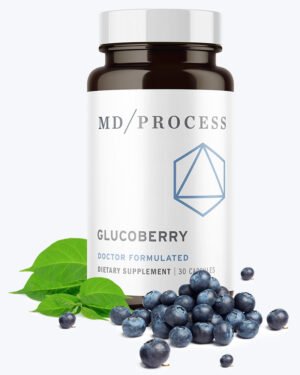
GlucoBerry – Daily Support for Healthy Blood Sugar and Energy
Dietary Supplements
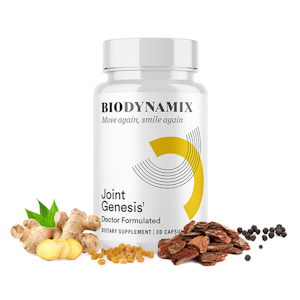
Joint Genesis – Daily Support for Comfortable, Confident Movement
Dietary Supplements
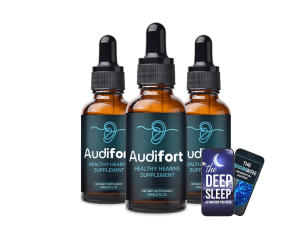
Audifort – Daily Support for Brain Clarity and Comfortable Hearing
Dietary Supplements