
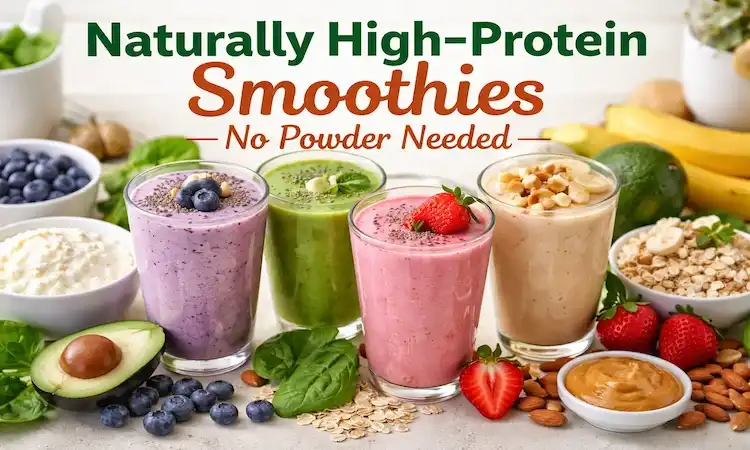
You want more protein, but you don’t want chalky powders, weird aftertastes, or another pricey tub taking over your pantry. You also want a smoothie that feels like food, not a thin fruit drink that leaves you hungry an hour later.
Naturally high-protein smoothies solve that with real ingredients you can find at any grocery store. Think Greek yogurt, cottage cheese, kefir, tofu, milk, oats, nut butter, and a few sneaky add-ins that thicken the blend and raise protein without screaming “health drink.”
Weight Loss Programs
Diet & Weight Loss
Old School New Body – Transformative Fitness & Nutrition Program
Diet & Weight Loss
Diet & Weight Loss
Diet & Weight Loss
These are flexible templates for busy mornings, post-workout snacks, picky kids, and anyone trying to stay full longer. Protein needs vary by person, so treat the recipes like a starting point and adjust the portions until they fit your day.
How to build a high-protein smoothie using real foods
A “high-protein smoothie without protein powder” usually comes down to one choice: you pick a strong protein base, then you stop treating fruit as the whole smoothie. Fruit brings flavor, but protein and fiber make it stick.
For many adults, around 20 to 30 grams of protein in a smoothie feels satisfying, especially at breakfast or after exercise. You don’t have to hit a perfect number every time. If you’re usually low at breakfast, nudging it higher can help, and spreading protein through the day is a common recommendation from nutrition pros (SELF has a helpful overview in their roundup of high-protein smoothies without protein powder).
A simple formula that works every time
Use this mix-and-match formula so you can build natural protein smoothie recipes from what you already have:
- Protein base: Greek yogurt, cottage cheese, kefir, tofu, milk, or soy milk
- Fiber carbs: fruit, oats, beans (yes, beans), or even cooked sweet potato
- Healthy fat (optional): nut butter, hemp hearts, chia, flax
- Flavor: cocoa, cinnamon, vanilla, citrus, a pinch of salt
- Liquid: milk, kefir, soy milk, or water (start small and add more)
If you’re worried about a sugar spike, the fix is simple: pair fruit with protein and fiber. Berries plus Greek yogurt plus chia will usually feel steadier than juice plus mango alone.
Blender tips for thick, creamy texture
A great smoothie isn’t just ingredients, it’s order and timing.
- Blend greens with liquid first (30 seconds) so spinach doesn’t turn into little confetti bits.
- Add your protein base next, then any sticky add-ins (nut butter, oats).
- Add frozen fruit last for thickness. If you add it too early, it can get stuck under the blades.
- If you use chia or oats, let the smoothie sit for 2 minutes, then blend again. It gets smoother and thicker.
Choose your protein base: Greek yogurt, cottage cheese, kefir, tofu, or milk
The base does most of the work in smoothies with Greek yogurt protein, high-protein smoothies with cottage cheese, and tofu blends.
Greek yogurt is thick, tangy, and easy to flavor. It gives that “milkshake” feel, especially with frozen berries or banana. It’s a safe pick for beginners.
Cottage cheese sounds odd until you try it. It blends surprisingly smooth and adds a mild dairy richness. If you don’t love the taste straight from the tub, you may still love it blended.
Kefir (or drinkable yogurt) is thinner and more tart, so it’s great when you want a drinkable smoothie. It also blends fast.
Silken tofu disappears into the flavor, especially with vanilla, cocoa, or fruit. It’s one of the easiest ways to make a creamy dairy-free smoothie without needing powders.
Milk supports the base instead of replacing it. On its own, milk won’t add enough protein for most people unless you use a larger amount, but it’s great for texture and thinning.
If lactose doesn’t work for you, use lactose-free milk, lactose-free Greek yogurt, or go with soy milk and silken tofu. Those options keep protein higher than many nut milks.
Boost protein without changing the flavor much
These add-ins raise protein and make smoothies more filling, without turning them gritty or heavy. Start small so it stays drinkable.
- Nut butter (1 tablespoon): adds protein, fat, and a thicker shake texture.
- Hemp hearts (1 to 2 tablespoons): mild taste, blends smooth, easy protein boost.
- Chia seeds (1 to 2 teaspoons): thickens fast, best if you let it sit briefly.
- Ground flax (1 tablespoon): nutty flavor, adds fiber, blends better than whole seeds.
- Oats (1/4 cup): makes high-protein smoothies with oats feel like breakfast.
- Cooked white beans (1/4 cup): creamy and neutral, great in vanilla or berry blends.
- Pasteurized liquid egg whites (2 to 4 tablespoons, optional): nearly flavorless protein boost. Use pasteurized only for safety.
6 naturally high-protein smoothie recipes (no protein powder)
Each recipe below is designed to taste like a real treat, not a compromise. Use frozen fruit for thickness, and adjust the liquid slowly. If you want more ideas beyond these six, this roundup of protein powder-free high-protein smoothies is a solid reference for flavor combos.
Berry Greek yogurt smoothie that tastes like dessert
Ingredients
- 3/4 cup plain Greek yogurt
- 1 cup frozen mixed berries
- 1/2 to 3/4 cup milk (or soy milk)
- 1 teaspoon chia seeds or 1 tablespoon hemp hearts
- Optional: 1 handful spinach
- Optional sweetener: 1/2 banana or 1 pitted date
Method
Blend milk and yogurt first, then add berries and chia. Blend until thick. Add a splash more milk if it’s too spoonable.
Why it’s high-protein: Greek yogurt does the heavy lifting, chia or hemp bumps it up without changing the berry flavor much. It’s also an easy “kid-friendly” option if you keep the spinach optional.
Creamy cottage cheese pineapple smoothie (surprisingly smooth)
Ingredients
- 3/4 cup cottage cheese
- 1 cup frozen pineapple (or mango)
- 1/2 cup milk (or light coconut milk for extra flavor)
- Juice of 1/2 lime
- Optional: 1 teaspoon honey if your pineapple isn’t sweet
Method
Blend cottage cheese with milk first until silky. Add frozen fruit and lime, then blend again until thick.
Why it’s high-protein: Cottage cheese adds a lot of protein with a mild taste once blended, and the pineapple-lime combo keeps it bright.
Peanut butter banana oat smoothie for long-lasting energy
Ingredients
- 1 cup milk (dairy or soy)
- 1 banana (fresh or frozen)
- 1 tablespoon peanut butter
- 1/4 cup rolled oats
- 1/4 teaspoon cinnamon
- 1 cup ice (or a handful of frozen banana slices)
Method
Blend milk, peanut butter, and oats for 20 seconds. Add banana and ice, then blend until creamy.
Why it’s high-protein: This is one of the easiest high-protein smoothies with peanut butter and oats. The combo of milk, peanut butter, and oats makes it feel like breakfast you can drink.
Swap ideas: almond butter, sunflower seed butter, or add 1 teaspoon cocoa for a chocolate version.
Mocha breakfast smoothie with yogurt and oats
Ingredients
- 1/2 cup cold brew (or cooled coffee)
- 3/4 cup Greek yogurt
- 1/4 cup rolled oats
- 1 to 2 teaspoons cocoa powder
- 1 to 2 teaspoons maple syrup (or 1 date)
- 1/2 frozen banana or 1 cup ice
Method
Blend coffee, yogurt, oats, cocoa, and sweetener first. Add banana or ice and blend until thick.
Why it’s high-protein: Greek yogurt brings the protein, oats make it hearty, and cocoa makes it taste like a café drink.
No caffeine option: use decaf, or swap coffee for milk and keep the cocoa.
Green vanilla smoothie with silken tofu (no tofu taste)
Ingredients
- 1 cup silken tofu
- 1 frozen banana
- 1 to 2 handfuls spinach
- 3/4 cup milk or soy milk
- 1 teaspoon vanilla extract
- Pinch of salt (tiny, but it helps)
Method
Blend milk, tofu, spinach, and vanilla until totally smooth. Add frozen banana and blend again until thick.
Why it’s high-protein: Silken tofu is neutral and creamy, so you get a dairy-free protein base that doesn’t taste “bean-y” when paired with vanilla and banana.
Tip for picky eaters: start with one handful of spinach, then add more next time.
Chocolate cherry kefir smoothie for a post-workout vibe
Ingredients
- 1 cup plain kefir (or drinkable yogurt)
- 1 cup frozen cherries
- 1 to 2 teaspoons cocoa powder
- 1 tablespoon hemp hearts
- Optional: 1/2 banana or 1 teaspoon honey to soften the tang
Method
Blend kefir, cocoa, and hemp hearts first. Add cherries and blend until smooth.
Why it’s high-protein: Kefir plus hemp hearts adds protein fast, and cherries and cocoa give it a “dessert” feel without needing powder.
If you like vegan versions, this protein powder-free chocolate shake is a helpful example of how cocoa and creamy bases can carry the flavor.
Make it fit your goals: portions, prep, and common fixes
Once you’ve made a few naturally high-protein smoothies, you’ll notice something: tiny tweaks change the whole result. You don’t need a new recipe, you need a few simple adjustments.
To raise protein, increase the base first. Add more Greek yogurt, cottage cheese, kefir, tofu, or soy milk. After that, use boosters like hemp hearts or a small pour of pasteurized liquid egg whites (if you use them). It’s the easiest way to build a high-protein smoothie without protein powder, without making it thick like paste.
To lower calories, keep protein high but trim the dense extras. Use nonfat or low-fat Greek yogurt, reduce nut butter to 1 teaspoon, and add more ice or frozen berries for volume. You’ll still get a creamy smoothie, just less rich.
To make it dairy-free, choose soy milk or soy yogurt, then use silken tofu to thicken. Many nut milks are fine for taste, but they’re often low in protein, so pair them with tofu if protein is the goal.
If you want more flavor ideas from a naturally high-protein angle, these natural high-protein smoothie combos can help you think beyond banana and peanut butter.
Freezer packs and grab-and-blend prep for busy mornings
Freezer packs make smoothies feel as easy as cereal. Add frozen fruit to a bag, toss in spinach, and include dry add-ins like oats, chia, or hemp hearts. Label the bag with the liquid amount you like.
Keep your protein base (yogurt, cottage cheese, kefir, tofu) in the fridge and add it right before blending. That helps with food safety and texture, and it keeps the freezer packs from turning into a rock-solid block.
Troubleshooting: too thick, too thin, too gritty, or not filling
If the smoothie is too thick, add liquid a splash at a time and blend again. If it’s too thin, add more frozen fruit or a handful of ice.
If it’s too gritty, blend longer, then let it sit for 2 minutes (chia and oats soften), then blend again. A stronger blender helps, but time helps too.
If it’s not filling, add more of your protein base first (Greek yogurt, cottage cheese, tofu), then add a small fat booster like hemp hearts or nut butter.
For flat flavor, a pinch of salt or a squeeze of lemon or lime can make fruit taste brighter without extra sugar.
Conclusion
You don’t need powders to make smoothies that actually satisfy. With a real-food base like Greek yogurt, cottage cheese, kefir, tofu, or milk, plus one smart booster like oats, hemp hearts, or chia, naturally high-protein smoothies become easy to repeat.
Begin with one smoothie recipe you’ll actually enjoy, then build from it. Choose a base, pick a fruit, add one booster, then blend. After a week, you’ll have a few favorite smoothie combos that taste great, work with your schedule, and help you stay full.

The AnySmoothie team is all about smarter smoothie recipes made with whole-food ingredients. Everything we share centers on balanced nutrition, steady energy, and low-glycemic choices, so you can sip a smoothie that keeps you full, feels good, and helps you avoid sugar crashes.
- Disclaimer: This content is for educational use only. These smoothie recipes and nutrition details aren’t a substitute for medical advice from a licensed health professional. Please read our full Medical Disclaimer here.
Dietary Supplements
Dietary Supplements
Dietary Supplements
Dietary Supplements
Dietary Supplements
NeuroQuiet – Daily Support for Brain Health, Hearing, and Tinnitus Relief