
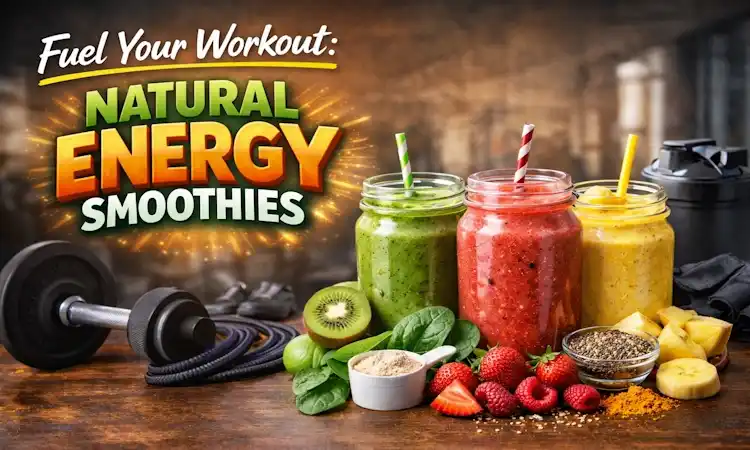
Ever start a workout already tired, then wish you’d eaten something smarter? Busy mornings, afternoon lift sessions, and early gym classes all have the same problem: you need energy that shows up on time. Not 45 minutes later. And not with a sugar crash that hits mid-set.
That’s where natural energy smoothies fit. Think whole-food blends that give you quick fuel, steady fuel, hydration, and enough protein to keep you from bonking. No mystery “pre-workout” feeling, just ingredients you recognize and can adjust.
Weight Loss Programs
Diet & Weight Loss
Diet & Weight Loss
Diet & Weight Loss
Diet & Weight Loss
BellyFlush™ – Gut Cleanse and Digestive Detox for Weight Support
In this guide, you’ll get a simple ingredient formula, practical timing tips (pre, during, or after training), and four reliable smoothies you can make fast. You’ll also learn easy swaps for sensitive stomachs and busy weeks, so your blender starts helping instead of becoming another chore.
What makes a smoothie good workout fuel (and not just a sweet drink)?
A workout smoothie should feel like a tool, not dessert. Taste matters, but function matters more. If it’s too sugary, too fatty, or too huge, you’ll feel heavy. If it’s too “light,” you’ll be hungry and flat halfway through.
The sweet spot is balance: carbs for energy, protein for staying power (and recovery), and enough fluid to keep everything moving. If you want inspiration for flavor combos, browsing a few mainstream smoothie ideas can help, then you can tweak them for training, for example these energy smoothie recipe ideas and adjust the ratios for your workout.
The simple smoothie formula: quick carbs, steady carbs, protein, and fluids
If you remember one thing, remember this: fast + steady + protein + fluid.
- Quick carbs (fast energy): banana, mango, dates, applesauce, pineapple. These digest faster and can feel “ready” sooner.
- Steady carbs (longer energy): oats, berries, cooked sweet potato, plain yogurt with fruit. These help your energy last, especially for cardio days.
- Protein (stability and recovery): Greek yogurt, milk, soy milk, kefir, cottage cheese, or a protein powder if you use one.
- Fluids (performance and texture): water, milk, soy milk, coconut water, or even cooled tea.
Two texture and digestion tips make a big difference:
- Blend order matters. Put liquid in first, then powders or yogurt, then soft fruit, then frozen items. It blends faster and stays smoother.
- Frozen fruit beats extra ice. Frozen berries or mango give you thickness without watering down flavor. If fiber bothers you, start with smaller portions of oats, chia, or thick greens.
Electrolytes and add-ins that actually matter for stamina
When workouts get sweaty, you don’t just lose water. You also lose electrolytes, especially sodium, plus some potassium and magnesium. That’s why you can drink plenty and still feel off.
Food-first electrolyte helpers are simple:
- A pinch of salt in the blender (yes, really) can help for long, sweaty sessions.
- Coconut water adds potassium and makes a good base for smoothies for workout stamina.
- Banana supports potassium and blends smoothly.
- Yogurt or milk adds sodium and calcium.
- Cocoa brings a little magnesium and pairs well with banana.
- Chia seeds can help you hold onto fluid, but they can bother some stomachs.
If you tend to chase energy with caffeine, try this mindset shift: for long cardio, electrolytes often help more than another coffee. For another practical example of how electrolytes can fit into a smoothie, see this electrolyte recovery smoothie approach.
If your smoothie tastes “flat” after a hard week of training, it might not need more sweet. It may need more fluid and a tiny bit of salt.
Timing your smoothie: pre-workout, during, or after?
Timing changes everything. The best ingredients for pre-workout smoothies depend on how soon you plan to move, plus how hard you’re going. Portion size matters just as much as what’s inside the blender.
Here are simple windows that work for most people:
- 15 to 30 minutes before: Keep it small and easy. Think quick carbs + fluid, low fiber, low fat.
- 60 to 90 minutes before: You can handle more volume and fiber. This is the sweet spot for many natural pre-workout smoothie recipes.
- During (only for longer sessions): Usually for endurance training over an hour. Keep it very thin, mostly carbs + electrolytes.
- After (within about 1 to 2 hours): Recovery time. Bring protein back in, add carbs, and rehydrate.
Workout type also matters:
- Strength training: A moderate pre-workout smoothie works well, then a protein-forward post-workout blend.
- HIIT: Keep pre-workout lighter because bouncing burpees plus a heavy smoothie is a bad mix.
- Steady cardio: Carbs and fluids shine here, especially if you train longer.
- Long runs or rides: Carbs + electrolytes matter most. Protein can wait until after.
If you want a clear, credible breakdown of timing principles, the Academy of Nutrition and Dietetics has a helpful guide on timing pre- and post-workout nutrition.
Pre-workout smoothies: how to avoid stomach upset and still feel energized
Closer to training, go simpler. Fiber and fat slow digestion, which can feel like a brick in your gut.
Use these rules when you’re within 30 minutes:
- Choose ripe fruit (it’s easier on your stomach than very fibrous fruit).
- Keep fats small (a teaspoon of nut butter, not a big scoop).
- Use more liquid so it’s sippable, not spoon-thick.
Easy swaps that help:
- Swap oats for a smaller amount of quick oats, or even rice cereal if you need very low fiber.
- Swap a big spoon of nut butter for a light drizzle, or skip it pre-workout.
- Swap lots of raw greens for a small handful of spinach, or skip greens when your stomach is touchy.
Caffeine can be optional. A splash of cooled coffee or matcha can work if you tolerate it. Still, skip caffeine if it makes you jittery, raises your heart rate too much, or messes with sleep.
Post-workout blends: rebuild with protein, carbs, and hydration
After training, your goal shifts. You’re no longer trying to feel light. You’re trying to recover.
Most people do well with:
- One solid protein source (Greek yogurt, milk, soy milk, or protein powder)
- One carb source (banana, oats, berries, mango)
- Enough fluid to replace sweat losses
You don’t need perfect numbers to benefit. Just avoid the common mistake of drinking only fruit. Add protein so the smoothie actually functions as a post-workout meal or snack.
For soreness support, tart cherry (juice concentrate or frozen cherries) is a popular add-in. It isn’t magic, but it’s an easy experiment if you train hard several days per week.
Natural energy smoothie recipes you can make at home
These are healthy pre-workout drinks at home and recovery blends you can make with common groceries. Each recipe includes simple substitutions, so you can match your pantry and your stomach.
A quick adjustment trick: if you want it thinner, add water or milk. If you want it thicker, use frozen fruit or a handful of ice. For sweetness, rely on ripe fruit, cinnamon, cocoa, or vanilla instead of pouring in extra sugar. For more general smoothie flavor combos (especially if you’re bored), you can scan ideas like these healthy smoothie recipes and then build them into workout-friendly ratios.
Quick-start Banana Oat Smoothie for early mornings
Purpose: gentle pre-workout fuel that doesn’t feel heavy.
- Ingredients
- 1 ripe banana (fresh or frozen)
- 1/4 to 1/2 cup rolled oats
- 1 cup milk or soy milk
- 1/2 teaspoon cinnamon
- Pinch of salt
- Optional: 1/3 cup Greek yogurt for extra protein
- Optional: ice to thin and chill
- Quick steps
- Add milk first, then oats, then banana and cinnamon.
- Blend until smooth, then adjust thickness with more liquid or ice.
Swaps: Use quick oats if you digest them better. Choose lactose-free milk if dairy bugs you.
Best timing: 60 to 90 minutes before training, or drink a smaller portion 30 minutes before.
Berry Beet Booster for workout stamina (great for cardio days)
Purpose: energy-boosting smoothies for exercise, especially steady cardio.
- Ingredients
- 1 cup frozen mixed berries
- 1/4 cup cooked beet (or 1 teaspoon beet powder)
- 1/2 cup orange segments or pineapple
- 1/2 cup Greek yogurt or soft tofu
- 3/4 cup water or coconut water
- Optional: pinch of salt if you sweat a lot
- Quick steps
- Blend liquid + yogurt (or tofu) first.
- Add fruit and beet, then blend until bright and smooth.
Swaps: No beet on hand? Use extra berries and a squeeze of lemon.
Friendly warning: Start with a small beet amount if you’re new to it. Also, beet can change urine color, which is normal.
Tropical Green Smoothie that feels light but keeps you going
Purpose: clean pre-workout fuel ideas that hydrate well.
- Ingredients
- 1 cup frozen mango
- 1/2 cup frozen pineapple
- 1 packed cup baby spinach
- Juice of 1/2 lime
- 1 to 1 1/4 cups coconut water
- Optional: 1 teaspoon chia seeds (start small)
- Quick steps
- Blend coconut water + spinach first so it turns smooth.
- Add frozen fruit and lime, then blend until creamy.
Swaps: If spinach taste bothers you, try frozen zucchini instead. If chia upsets digestion, skip it or cut it to 1/2 teaspoon.
Extra note: For a long session, pair this with a small snack (like toast or a handful of pretzels).
Mocha Peanut Recovery Smoothie for strength training days
Purpose: post-workout recovery with protein, carbs, and comfort.
- Ingredients
- 1 cup milk (dairy or soy)
- 1/2 cup Greek yogurt (or a dairy-free yogurt)
- 1 banana
- 1 tablespoon cocoa powder
- 1 tablespoon peanut butter
- Optional: 1/3 cup cooled coffee for a mocha taste
- Handful of ice for thickness
- Quick steps
- Blend milk + yogurt first, then add the rest.
- Blend until milkshake-thick, then thin with a splash of milk if needed.
Swaps: Use almond butter or powdered peanut butter. Keep it nut-free with sunflower seed butter. For more protein-forward inspiration, this roundup of high-protein smoothie recipes can spark ideas, then you can simplify the ingredients for your routine.
Make it yours: ingredient swaps, prep tips, and common mistakes
The best smoothie is the one you’ll actually drink and digest. Most “bad smoothie experiences” come from a few fixable issues.
Common mistakes to avoid:
- Too much fiber too close to training. A giant kale-oat-chia bowl in a cup can backfire fast.
- Going heavy on fats. Nut butters, coconut cream, and oils slow digestion. Save bigger amounts for later meals.
- Not enough fluids. Thick smoothies can sit in your stomach. Add water or milk until it sips easily.
- Oversized portions right before exercise. Even good ingredients cause trouble if the volume is too big.
A few quick prep habits help you stay consistent:
- Keep frozen fruit stocked so you can blend without planning.
- Pre-portion add-ins like oats, cocoa, or chia into small jars.
- Blend in the right order so you don’t get chunks.
- Rinse the blender right away, then wash later. A quick rinse prevents the dreaded cement ring.
Smart swaps for allergies, lower sugar, and sensitive stomachs
Small changes can make these recipes fit almost any need:
- Dairy-free: use soy milk (higher protein) or lactose-free milk if that’s your issue.
- Nut-free: swap nut butter for sunflower seed butter or pumpkin seed butter.
- Lower sugar: use berries as the main fruit, and keep tropical fruits as a smaller portion.
- Sensitive stomach: swap banana for mango (often gentler), and keep oats small.
- Want a milder “green” taste: swap spinach for zucchini, it blends creamy with little flavor.
Instead of honey or syrup, adjust sweetness with ripe fruit, cinnamon, vanilla, or cocoa.
Easy prep that saves time all week (freezer packs that taste fresh)
Freezer packs turn smoothies into a 2-minute habit. They also make it easier to repeat what works.
Build each pack like this: fruit + greens + extras (like oats or cocoa). Then add liquid and protein when blending.
Most packs keep well for about 1 to 2 months. To prevent a frozen clump, freeze fruit on a tray first, or shake the bag after an hour so pieces don’t stick together.
Prep is the real “energy boost.” When your smoothie is ready to blend, you’re more likely to train fueled instead of hungry.
Conclusion
Workout energy is a lot less mysterious when you keep it simple. Natural energy smoothies work best when they include quick carbs, steadier carbs, protein, and enough fluid, then match the timing to your training. A smaller, lighter blend helps before exercise, while a protein-forward smoothie supports recovery after.
Pick one recipe from this post and test it on an easier training day. Next, tweak the thickness, sweetness, and serving size until it tastes right to you. Then save your go-to in your smoothie guide, prep one freezer pack tonight, and next week test one new add-in (like cocoa, chia, or a pinch of salt) to find what your body likes most.

The AnySmoothie team is all about smarter smoothie recipes made with whole-food ingredients. Everything we share centers on balanced nutrition, steady energy, and low-glycemic choices, so you can sip a smoothie that keeps you full, feels good, and helps you avoid sugar crashes.
- Disclaimer: This content is for educational use only. These smoothie recipes and nutrition details aren’t a substitute for medical advice from a licensed health professional. Please read our full Medical Disclaimer here.
Dietary Supplements
Dietary Supplements
Dietary Supplements
Dietary Supplements
Dietary Supplements