
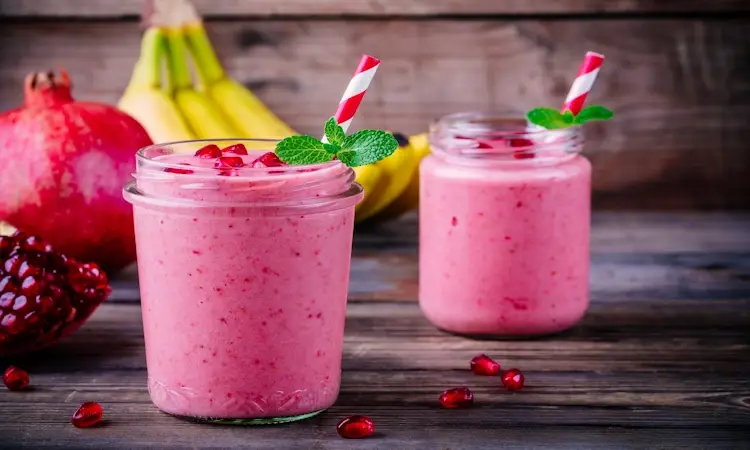
Mornings can feel like a race, and that’s when a hungry kid decides they “don’t like breakfast” anymore. By the time you’ve packed bags and found missing shoes, you still want something that fills them up and doesn’t end in a snack meltdown an hour later.
That’s where smoothies for kids shine, when they taste like a treat but still bring real nutrition. With the right base, a few smart add-ins, and one simple blending order, you can get a creamy texture and a flavor kids say yes to.
This post gives you a practical plan for building kid-friendly smoothie recipes, from picking fruit and protein to choosing liquids that won’t water everything down. You’ll also learn how to avoid common problems, like a “too-green” spinach taste, bitter afternotes from certain powders, or gritty textures from seeds that weren’t blended long enough.
Weight Loss Programs
Diet & Weight Loss
Diet & Weight Loss

Diet & Weight Loss
Diet & Weight Loss
Inside, you’ll find easy combos for busy mornings and after school snacks, plus hidden veggie smoothies that don’t advertise themselves. There are toddler smoothie ideas (milder flavors, smoother blends) and options for school-age kids who want something more filling, like nutritious fruit shakes with yogurt, nut butter, or oats.
What makes a smoothie healthy for kids (without making it taste “healthy”)
A “healthy” smoothie doesn’t have to taste like spinach water. For most kids, the win is sweet + creamy + filling. When those three boxes are checked, you can sneak in better ingredients without turning breakfast or after-school snacks into a debate.
Think of it like building a sundae that happens to be good for them. Fruit brings the fun, a creamy base makes it feel like a treat, and a little protein or fat helps it stick around so they’re not hungry 30 minutes later.
The kid friendly smoothie formula: sweet, creamy, and filling
Use this mix-and-match formula to make smoothies for kids that taste familiar, blend smooth, and actually keep them full:
- 1 cup fruit (sweet + flavor)
- 1 cup liquid (blendable base)
- 1 protein add-in (makes it filling)
- 1 fiber or fat add-in (keeps them satisfied)
- Ice as needed (usually less if fruit is frozen)
Here are easy options you can grab at a regular grocery store:
- Fruit (pick 1 or mix): banana, strawberries, blueberries, mango, peaches, pineapple, cherries
- Liquids (pick 1): milk, unsweetened almond milk, unsweetened oat milk, soy milk, kefir, plain drinkable yogurt, water (best with extra fruit for flavor)
- Protein add-ins (pick 1): plain Greek yogurt, cottage cheese (blends surprisingly creamy), soy yogurt, pasteurized liquid egg whites (only if your pediatrician okays it), a kid-friendly protein powder you trust
- Fiber or fat add-ins (pick 1): oats, chia seeds, ground flaxseed, avocado, nut butter, sunflower seed butter, coconut yogurt
Frozen fruit is the texture shortcut. It blends thicker than fresh fruit, so your smoothie feels like a milkshake without needing much ice. Less ice also means more flavor and less watery “healthy drink” vibes.
Texture tip: If you want a thicker smoothie, freeze the banana (peeled) and use less liquid. If you want it thinner, add liquid 2 tablespoons at a time.
Smarter sweeteners: how to keep added sugar low
Kids like sweet, but smoothies can get sugary fast. The tricky part is that a lot of “smoothie ingredients” are already sweetened, so you add sugar without meaning to.
Common places sugar hides:
- Flavored yogurt (even “vanilla” can be dessert-level sweet)
- Juice and juice blends (it’s easy to pour too much)
- Sherbet or frozen yogurt (tastes great, but turns smoothies into a sugar bomb)
Better swaps that still taste like a treat:
- Choose unsweetened milk (dairy or non-dairy) instead of sweetened plant milks.
- Use plain Greek yogurt, then let fruit do the sweetening.
- Add ripe banana for sweetness and a creamy feel.
- Try 1 to 2 pitted dates if you need a bump (optional, and a little goes a long way).
A simple parent taste-test that works: blend it less sweet on purpose, then taste. If your kid needs it sweeter, add a handful of fruit (or a few extra slices of banana) and re-blend. That way, sweetness comes from fruit first, not added sugar. For more ideas on keeping smoothies lower in sugar, see this guide on perfect low-sugar smoothies.
Allergy and diet swaps that still taste great
You don’t need a totally different recipe to make allergy-friendly, kid friendly smoothie recipes. Usually, it’s one smart swap, and you keep the same fruity flavor your kid already likes.
Dairy-free options (still creamy):
Oat milk, soy milk, coconut milk (from a carton), and coconut yogurt all work well. If you want extra creaminess, choose a thicker non-dairy yogurt and use frozen fruit.
Nut-free protein ideas:
If nuts are off the table, go with plain Greek yogurt (if dairy is ok), soy milk (higher protein than many other plant milks), or sunflower seed butter. Seeds like chia or hemp can add some protein too, if allowed at home and school.
Gluten-free notes:
Most smoothies are naturally gluten-free. The one ingredient to watch is oats. If your child needs strict gluten-free, buy certified gluten-free oats to avoid cross-contact.
Keep it calm and practical, and stick with your child’s allergy plan. If you need more swap ideas, this round-up of allergy-friendly smoothie ideas can help you brainstorm without losing flavor.
The best part is that these swaps also work for hidden veggie smoothies. Once the base tastes right, you can add small amounts of mild veggies and keep the “treat” feel.
The pantry and freezer setup that makes smoothies easy on busy days
When smoothies are hard, it’s rarely the recipe. It’s the setup. If the “good stuff” is buried behind freezer mystery bags, you’ll default to cereal or a granola bar.
A simple fridge, pantry, and freezer plan turns smoothies for kids into a real option on school mornings and for after school snacks. The goal is to keep a few flexible staples that mix and match fast, so you can make nutritious fruit shakes without thinking too hard.
Smoothie staples to keep on hand (fridge, pantry, freezer)
Think of this as your smoothie “toolbox.” You only need a few reliable items to make kid friendly smoothie recipes on repeat, including hidden veggie smoothies that don’t taste like vegetables.
Freezer (texture helpers and flavor makers)
Frozen produce is your busy-day best friend because it’s picked at peak ripeness, lasts longer, and makes smoothies thick without much ice. That means better flavor and less watery results.
- Frozen fruit: mixed berries, strawberries, mango chunks, peach slices, cherries, pineapple
- Hidden veggie picks (mild): spinach (small leaves freeze well), cauliflower rice (disappears into the blend), zucchini slices
- Creamy boosters: avocado chunks, frozen banana slices (peel first)
If you’re building your freezer list from scratch, this guide to best frozen fruit for smoothies is a helpful cheat sheet for kid-friendly options.
Fridge (protein and “make it creamy” items)
These ingredients make a smoothie feel like a snack, not a juice box.
- Greek yogurt (plain or vanilla if that’s what your kid accepts)
- Milk (dairy, soy, oat, or whatever your family drinks)
- Kefir or drinkable yogurt (great for quick pours)
Pantry (small add-ins that fix hunger and flavor)
A little goes a long way here. Keep it simple so it doesn’t become clutter.
- Oats (adds body and staying power, especially for school-age kids)
- Seeds: chia or ground flaxseed (start with 1 teaspoon for picky kids)
- Flavor helpers: cinnamon, vanilla extract, unsweetened cocoa powder
Busy parent rule: If an ingredient doesn’t help with taste, texture, or fullness, it doesn’t earn a permanent spot.
5 minute freezer smoothie packs kids can help make
Freezer smoothie packs are the “grab-and-blend” trick that makes healthy snack drinks realistic on chaotic mornings. Kids can help too, which often makes them more willing to taste the result.
Here’s the simple system:
- Set out containers: snack bags or small reusable containers both work.
- Portion fruit and mild veggies: aim for about 1 to 1 1/2 cups total per pack (enough for one large or two small smoothies).
- Label clearly: write the flavor name and the liquid to add (milk, oat milk, etc.).
- Freeze flat: press the air out, then lay bags flat so they stack like books and thaw faster.
Keep the “wet” ingredients out of the packs. Add these at blend time: milk, yogurt, kefir, or nut butter. It blends better, and your packs won’t freeze into a rock-solid brick.
3 easy pack ideas kids usually like
- Berry Banana: frozen mixed berries + banana slices + a small handful of spinach (optional, but it hides well).
- Mango Peach: frozen mango + frozen peaches + a few spoonfuls of cauliflower rice (it sounds odd, but it’s very mild).
- Chocolate Cherry: frozen cherries + banana slices + 1 tablespoon unsweetened cocoa powder (add cocoa at blend time if you prefer).
For picky kids, make a “try it” pack. Use smaller portions, and skip the veggie the first time. Once they like the flavor, add a little spinach or cauliflower rice in the next batch. Small wins add up fast with toddler smoothie ideas, especially when they feel in control.
If you want more make-ahead combinations, this guide to frozen smoothie packs includes lots of kid-friendly flavor ideas and batching tips.
Texture fixes: how to avoid gritty, watery, or too thick smoothies
Texture is the difference between “Can I have that again?” and one sad sip left on the counter. If your smoothies for kids keep coming out wrong, it’s usually one small fix, not a new blender.
Use these quick troubleshooting moves:
- Too thick (won’t blend or won’t pour): Add more milk (or water) 2 tablespoons at a time, then pulse. Also, let the jar sit for 1 minute so frozen fruit can soften slightly.
- Too thin (tastes watered down): Add a handful of frozen fruit, 1/4 cup Greek yogurt, or a few banana slices, then blend again. If you used a lot of ice, cut back next time.
- Gritty texture: Blend longer, and make sure powders or oats get enough liquid contact. If chia seeds feel gritty, stir them into the liquid first and let them sit 5 minutes before blending.
- Leafy bits floating around: Blend greens with the liquid first for 15 to 30 seconds, then add frozen fruit and thicker ingredients. This step alone fixes a lot of “green confetti” complaints.
- Chunky, stuck smoothie: Stop and stir, or add a splash of liquid to restart circulation. Overfilling can also trap frozen pieces above the blades.
A high-speed blender helps, especially with frozen fruit and seeds, but it’s not required. Good ingredient order and a little patience get you most of the way there.
For a simple thick vs thin troubleshooting reference, this smoothie thickness FAQ lays out easy adjustments that work with almost any recipe.
Healthy smoothies for kids: 10 flavors they will ask for again
If you want smoothies for kids that actually get finished, keep the flavors familiar and the texture extra smooth. Frozen fruit gives you that milkshake thickness without much ice, and yogurt keeps things creamy. Start with these 10 kid-approved combos, then adjust sweetness with more fruit (not more sugar).
Quick win: When a smoothie tastes “off,” it’s usually texture. Add more frozen fruit to thicken, or a splash of milk to loosen it.
Berry Banana Breakfast Smoothie
This one tastes like a fruity yogurt cup, but it works as a real breakfast. Blend frozen berries, one ripe banana, milk, and plain Greek yogurt until thick and creamy. Because the banana is doing double duty (sweetness + texture), you won’t need juice.
If your kid needs more staying power, add 1 to 2 tablespoons of oats and blend longer so it stays smooth. It’s also a great “make it once, pour it twice” option for siblings because it doesn’t separate fast and stays creamy in the cup.
Strawberries and Cream Protein Smoothie
For a simple, high-protein pick, blend strawberries, plain Greek yogurt, milk, and a tiny splash of vanilla. The flavor feels like strawberry ice cream, even though it’s mostly fruit and yogurt.
For older kids, add 1 teaspoon honey if the berries are tart (skip honey for babies under 12 months). Need dairy-free? Swap in coconut yogurt and your usual plant milk. If you want a reference point for the classic flavor profile, see this strawberry banana smoothie recipe and use it as a base for your own “strawberries and cream” twist.
Peanut Butter Banana “Milkshake” (no ice cream)
This is the after-school snack that doesn’t lead to “I’m hungry” ten minutes later. Blend banana, peanut butter, milk, and a little unsweetened cocoa for a chocolatey, milkshake-style smoothie.
If you’re dealing with nut-free schools, sunflower seed butter gives a similar creamy feel and still tastes great with banana and cocoa. To keep it from turning gritty, blend the milk and nut or seed butter first, then add the frozen fruit. For another kid-friendly combo idea, check out this peanut butter strawberry banana smoothie and swap strawberries for cocoa when you want the “milkshake” vibe.
Mango Peach Sunshine Smoothie
For kids who love bright, tropical flavors, blend frozen mango, frozen peaches, yogurt, and milk. The result is smooth, sweet, and sunny, with no sharp edges.
If you want a gentle “boost” without changing the taste much, add a tiny pinch of turmeric. Keep it small so it doesn’t take over. This one is also great for toddler smoothie ideas because the texture stays silky when you use frozen fruit instead of ice.
Orange Creamsicle Smoothie
To get that creamsicle taste without loading up on juice, use peeled orange segments plus half a banana to cut tartness. Add yogurt and a drop of vanilla, then blend until thick.
If you need more liquid, use a splash of orange juice, not a full cup. Most of the sweetness should come from whole fruit, so the smoothie tastes like a treat but still fits your “healthy snack drinks” goal.
Chocolate Cherry Smoothie with a sneaky veggie
Frozen cherries and cocoa are a natural match, and they hide veggies better than you’d expect. Blend frozen cherries, milk, Greek yogurt, and unsweetened cocoa, then add either a small handful of spinach or a few frozen cauliflower florets.
Blended well, you won’t taste the veggie. The cherry-cocoa combo is bold, so it covers mild greens and cauliflower easily. If your kid is veggie-sensitive, start with a smaller amount, then build up once they’re happily drinking it.
Green Grape and Apple Smoothie (super mild green)
This is a good “first” hidden veggie smoothie because it tastes like green fruit, not salad. Blend green grapes, apple, spinach, and milk or water, then add yogurt for creaminess.
If texture is a dealbreaker in your house, peel the apple before blending. Grapes bring sweetness fast, so you can keep the spinach amount small and still get a bright, kid-friendly flavor.
Pineapple Coconut Smoothie for picky eaters
When you need a sure thing, go tropical. Blend pineapple, banana, and coconut milk or coconut yogurt. It comes out sweet and familiar, which helps picky eaters stay on board.
To thicken without ice (and avoid watering it down), use frozen pineapple and frozen banana slices. If you want extra staying power, add 1 teaspoon chia, then blend a bit longer so it doesn’t feel seedy.
Blueberry Oat Smoothie that keeps kids full longer
This one is built for long mornings and pre-sports fuel. Blend blueberries, oats, yogurt, milk, and a pinch of cinnamon. The flavor is like blueberry muffin batter in the best way.
For a smooth finish, blend the oats with the milk first, then add the rest. That small step helps avoid the “tiny oat bits” that some kids notice. It’s one of the easiest nutritious fruit shakes to turn into a real mini-meal.
Watermelon Lime Refresher (light after playtime)
After a hot day outside, heavy smoothies can feel like too much. Blend watermelon with a squeeze of lime for a lighter, more hydrating option. Add ice only if the watermelon isn’t cold.
Want it creamier? Add a spoonful of yogurt, but keep it optional so it stays refreshing. This one is perfect when kids want something fun and cold, but you still want a smarter pick than a sugary drink.
Make smoothies a no stress habit: picky eaters, toddlers, and real life tips
The best smoothies for kids aren’t the fanciest. They’re the ones you can make on autopilot, that your child will actually drink, and that don’t turn into a daily negotiation. A few small routines can turn smoothies into easy after school snacks or quick breakfasts, even with picky eaters and toddlers in the mix.
Keep the goal simple: a smooth texture, a familiar flavor, and a tiny step forward when you feel up for it. Progress counts, even if it’s one sip.
How to get kids to try new smoothies without a battle
If smoothies keep getting rejected, treat it like introducing a new book at bedtime. You don’t start with chapter 12. You start with something familiar, then add one small twist.
Try these low-pressure strategies that work well for kid friendly smoothie recipes:
- Let them name the smoothie: “Purple Power,” “Unicorn Shake,” or “Dragon Fuel” sounds more fun than “blueberry spinach.” Ownership helps.
- Use fun cups: A favorite character cup, a silly straw, or a “smoothie mug” can change the mood fast.
- Start with familiar flavors: Banana + strawberry, mango + peach, or peanut butter + banana are usually safe bets. Once that’s accepted, then add extras.
- Use a “one new thing” rule: Keep everything the same, change one ingredient (swap milk types, add a spoon of oats, or add a few spinach leaves).
- Offer tiny taste cups: A one-ounce sample feels safe. If they like it, you pour more. If not, no big deal.
Color matters more than many parents expect. Some kids reject brown (banana + cocoa can look “muddy”), while others panic at bright green. If green smoothies are a tough sell, start with “friendly colors” first, like pink (berries + yogurt) or orange (mango + peach). You can also use milder hidden veggie smoothies that stay light in color, like cauliflower in a berry blend.
No-pressure script: “You don’t have to finish it. Just take one tiny taste and tell me if it’s sweet, sour, or creamy.”
If picky eating runs deep, remember that repeated exposure often matters more than the “perfect” recipe. This round-up on healthy smoothies for picky eaters shares practical ways to keep things calm while you build acceptance.
Toddler smoothie ideas: safe textures and simple ingredients
Toddlers want independence, but they also get frustrated fast. For toddler smoothie ideas, the texture should be extra smooth, and the ingredient list should stay short. Think “soft and creamy,” not “seedy and chunky.”
Start with gentle blends that rarely offend toddler taste buds:
- Banana yogurt: Banana + plain or vanilla yogurt + milk. Add cinnamon if they like warm flavors.
- Avocado berry: Berries + a small chunk of avocado + yogurt. It stays creamy and covers the avocado flavor well.
- Peach oatmeal: Peaches + milk + yogurt + 1 tablespoon oats. Blend longer so the oats disappear.
A few safety and sanity notes help a lot:
- Skip large amounts of chia for toddlers. Too much can thicken fast and feel gel-like or gritty. If you use it, start with a small pinch and blend well.
- Avoid hard add-ins like whole nuts, cacao nibs, or big ice chunks. Even if they blend, the texture can turn “mystery crunchy.”
- Keep portions smaller. A huge smoothie can feel overwhelming, and you don’t want to waste a full blender batch.
Serving style makes a difference too. If your toddler struggles with straws, offer the smoothie in a bowl with a spoon, or use a wide straw that lets thicker nutritious fruit shakes flow through. You can even pour it into a reusable pouch if that’s what they already like.
For more age-friendly ideas, this guide to healthy toddler smoothies is a helpful reference for balanced, simple combos.
Packable and after school smoothie tips (without leaks)
Smoothies for kids can travel well, but you need a packing routine. Otherwise you end up with a sticky backpack and a kid who swears off smoothies forever.
Use these real-life tricks to keep things cold and contained:
First, chill the container. Pop cups or bottles in the freezer for 10 minutes while you blend. Cold walls help the smoothie stay thick longer.
Next, choose an insulated bottle with a tight seal, especially for school or carpool. If you’re not sure what holds up to kid use, Wirecutter’s best kids water bottles roundup is a solid starting point for options that tend to resist leaks.
Then, leave a little room at the top. A filled-to-the-brim bottle is more likely to seep. Plus, that extra space lets you shake before serving.
For travel, thicker blends behave better. Use:
- Frozen fruit instead of ice (less watery melt).
- Yogurt or banana for body.
- A bit less liquid than you’d use at home.
Making smoothies ahead is also doable if mornings are chaotic. Blend the night before, refrigerate in a sealed bottle, and plan for a quick refresh. In the morning, shake hard or do a 10-second re-blend to bring back the creamy texture. If it thickens in the fridge, add a small splash of milk and shake again.
One more practical move: keep “school smoothies” a little plainer. Big flavor swings can backfire when you’re not there to troubleshoot. Save the experimental hidden veggie smoothies for home, where you can adjust quickly and offer a backup snack if needed.
Conclusion
Healthy smoothies for kids work best when you keep the build simple, sweet, and creamy. Stick to the easy formula (fruit, liquid, one protein, one fiber or fat add-in), then adjust thickness with frozen fruit or a splash more milk. That small routine turns kid friendly smoothie recipes into real breakfasts, after school snacks, and healthy snack drinks you can count on.
Freezer smoothie packs make the whole thing faster, especially on school mornings. Prep a few bags, label the liquid to add, and you’ve got nutritious fruit shakes ready in minutes. Next, pick one or two go-to flavors from the list, like Berry Banana for breakfast and Peanut Butter Banana for a filling snack, then rotate add-ins for variety (oats, chia, avocado, or a tiny handful of spinach for hidden veggie smoothies).
Let kids help choose a color theme, name the smoothie, or add a simple topping like cinnamon. Try one recipe this week, keep it on repeat for a few days, and then swap just one ingredient at a time so it stays fun (and stress-free).

The AnySmoothie team is all about smarter smoothie recipes made with whole-food ingredients. Everything we share centers on balanced nutrition, steady energy, and low-glycemic choices, so you can sip a smoothie that keeps you full, feels good, and helps you avoid sugar crashes.
- Disclaimer: This content is for educational use only. These smoothie recipes and nutrition details aren’t a substitute for medical advice from a licensed health professional. Please read our full Medical Disclaimer here.
Dietary Supplements
Dietary Supplements
Cardio Slim Tea – Daily Support for Heart Health and Weight Management
Dietary Supplements
Dietary Supplements
Dietary Supplements