
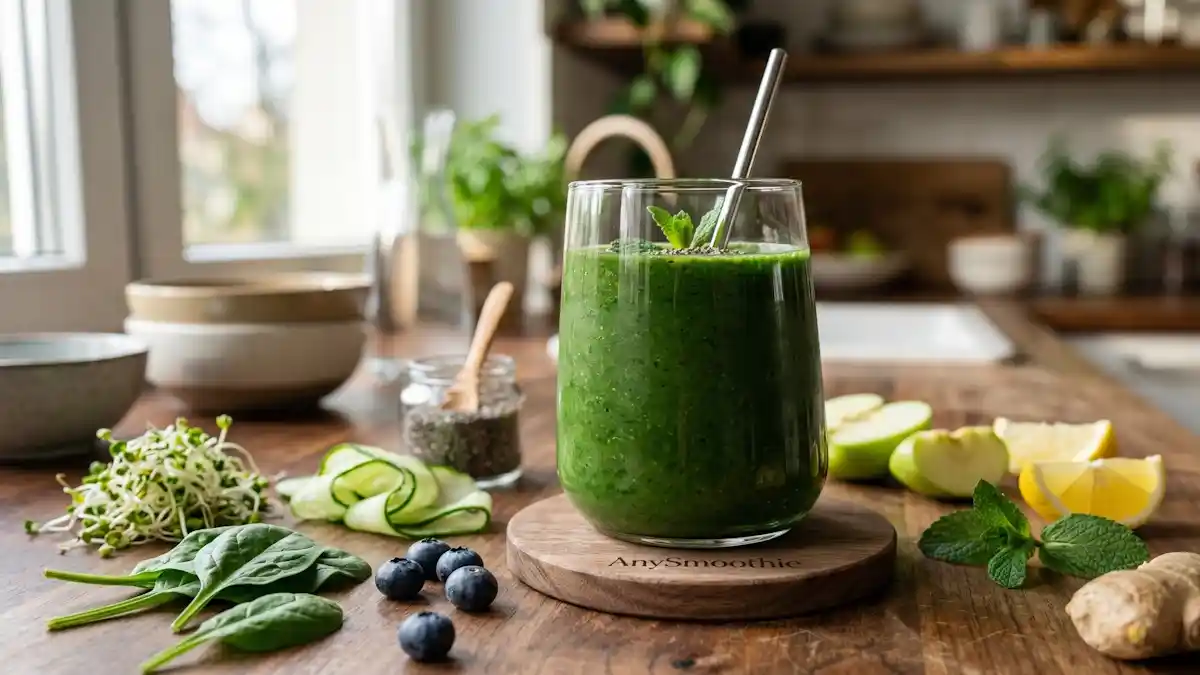
A smoothie can do more than fill a glass after a fast or a workout. With the right mix of greens, berries, seeds, and timing, it can support the body’s cleanup systems without feeling heavy.
Chaperone autophagy, more often called chaperone-mediated autophagy, is one of those cleanup paths. It helps cells sort certain proteins for recycling, so ingredient choice, texture, and meal timing matter more than most people think. For a plain-language scientific overview, see this review of chaperone-mediated autophagy.
This guide focuses on practical chaperone autophagy smoothie protocols, not cures or treatment claims. The goal is simple, smart blending that supports natural pathways and fits real life.
How smoothie protocols can support chaperone autophagy without overcomplicating your routine
A smoothie works well because it gives you control. You can shape nutrient partitioning, keep the blend easy to digest, and choose ingredients that do less harm than a heavy meal. That matters when you want steady fuel, not a food hangover.
A lighter smoothie can also fit neatly into a fasting window or a clean first meal. Small amounts of fat help carry plant compounds through digestion, which is a simple nod to liposomal transport ideas. Keep the formula modest, and the body has less work to do. That supports metabolic efficiency and a cleaner sense of energy.
A supportive smoothie protocol works best when the ingredient list is shorter than the grocery receipt.
Why timing, fasting windows, and ingredient density matter
Timing changes how a smoothie feels. After overnight fasting, a light blend often lands better than one loaded with nut butter, dates, and three powders. Between meals, a moderate smoothie can fit without crowding the rest of the day.
Dense blends can turn into calorie bombs fast. The point is not to hide a full meal in a cup. The point is to keep the body in a clean, low-drag state while still feeding it well.
What to look for in a smoothie that feels light but still nourishing
Start with a calm base, then build slowly. Greens, a small fruit portion, one fat source, and enough liquid usually work better than a long ingredient list. That balance helps with texture and keeps the smoothie easy to sip.
Fiber matters because it slows the rush of sweetness. Protein can help, too, but too much makes the blend heavy. A good formula feels steady, not sticky.
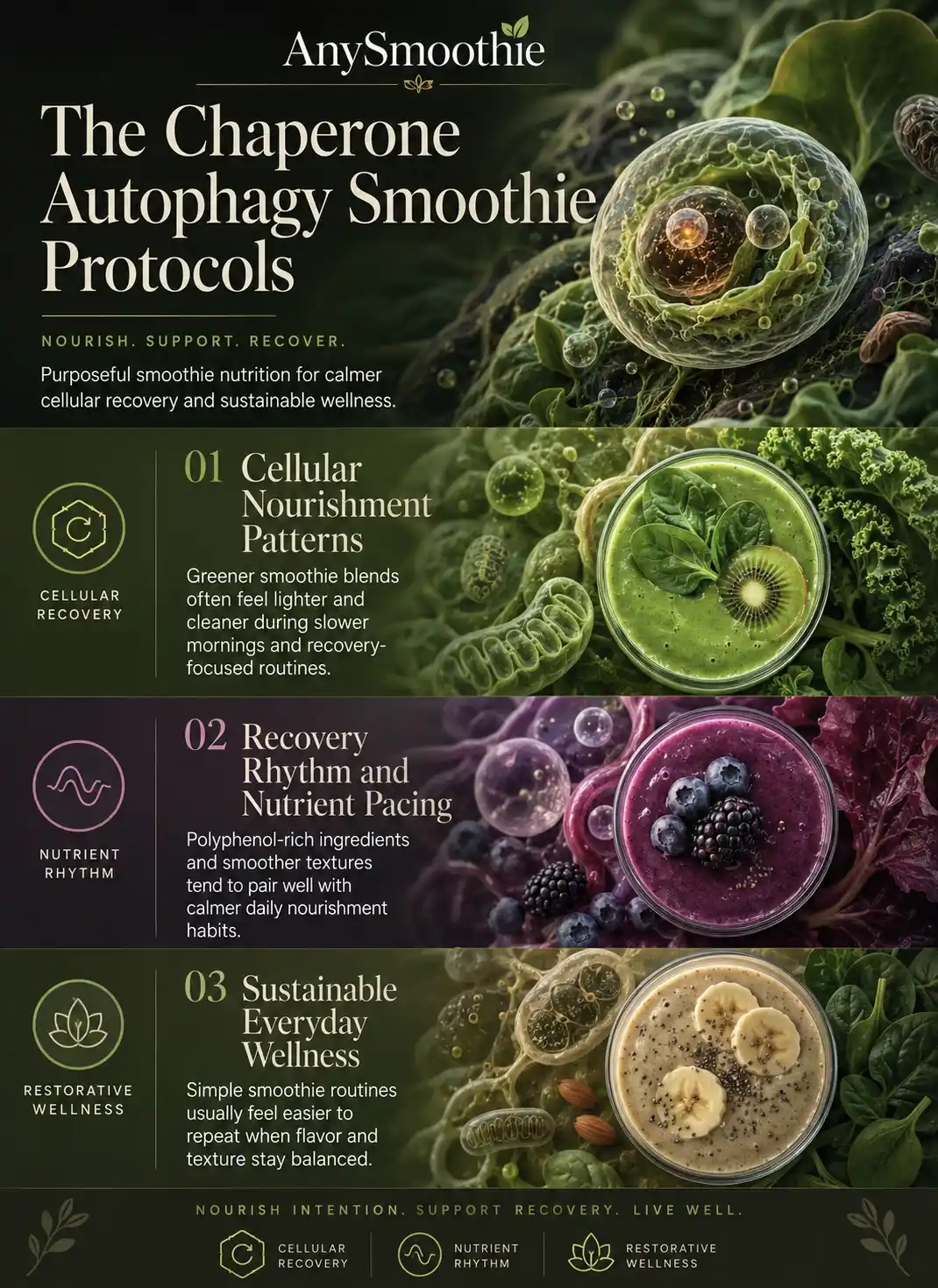
The best ingredients for a chaperone autophagy smoothie protocol
Good ingredients do the work for you. Greens add mineral depth, berries bring polyphenols, and herbs or roots sharpen the flavor without piling on sugar. Use water, coconut water, or unsweetened plant milk as the base, then keep the rest focused.
For a broader look at how the pathway shows up in health research, see this health and disease overview.
Botanical Blends and Everyday Nourishment
The combinations below can rotate with taste, season, and what you already keep at home. Small swaps make the protocol easier to repeat.
| Functional Ingredient | Nutrition Context | Wellness Role | Ingredient Source | Everyday Use |
|---|---|---|---|---|
| Purple Cabbage | Polyphenol-rich greens | Adds deeper botanical notes | Cruciferous vegetables | Often used in greener blends |
| Blackberries | Dark berry antioxidants | Brings richer fruit texture | Whole berries | Pairs well with greens |
| Basil Leaves | Fresh herbal notes | Brightens smoother blends | Fresh herbs | Used in lighter recipes |
| Flax Seeds | Dense creamy texture | Adds grounding consistency | Seed-based fats | Common in breakfast blends |
| Ginger Root | Warming botanical finish | Creates brighter flavor contrast | Fresh root ingredient | Often paired with citrus |
These ingredients work because they stay flexible. Purple cabbage can back up greens without making the flavor flat. Basil and ginger keep a blend bright. Flax adds body without turning the smoothie into dessert.
3 Chaperone autophagy smoothie recipes that stay simple and effective
Each of these blends stays close to the same rule, keep it light, balanced, and easy to repeat. That makes the protocol more useful than chasing a perfect recipe once.
A green reset smoothie for lighter mornings
Ingredients
- 1 cup spinach or baby kale
- 1/2 cucumber
- 1/2 green apple
- 1 tablespoon ground flaxseed or hemp seeds
- 1 cup cold water or unsweetened almond milk
Blend until smooth.
This works well after overnight fasting because the flavor stays clean. The fruit is present, but it does not take over. The seed adds enough body to make the smoothie feel like a real first meal.
Estimated Nutrition per Serving
Estimated with spinach, ground flaxseed, and unsweetened almond milk.
- Calories: ~160 kcal
- Protein: ~6 g
- Carbohydrates: ~21 g
- Fat: ~7 g
- Fiber: ~7 g
- Sugars: ~10 g
A berry and herb smoothie for a brighter nutrient profile
Ingredients
- 1 cup blackberries
- 5–6 fresh basil leaves
- 1 small handful spinach
- 3/4 cup coconut water or plain water
- Splash of unsweetened plant milk, optional
Blend until smooth.
The basil lifts the berry flavor and keeps the blend fresh. Blackberries bring color and depth without making the smoothie overly sweet. The result feels light, but not thin.
Estimated Nutrition per Serving
Estimated with unsweetened coconut water and without optional plant milk.
- Calories: ~125 kcal
- Protein: ~4 g
- Carbohydrates: ~28 g
- Fat: ~1 g
- Fiber: ~9 g
- Sugars: ~14 g
I’d add the basil near the end of blending rather than processing it for too long. You still get the fresh herbal contrast, but it is less likely to dominate the blackberries.
A grounding blend with flax and ginger for steadier texture
Ingredients
- 1 cup mixed greens
- 3/4 cup blackberries
- 1 tablespoon ground flaxseed
- 1/4 teaspoon finely grated fresh ginger
- 1 cup unsweetened almond milk or water
- Squeeze of lemon juice, optional
Blend until smooth.
This version has more grip. The flax thickens the texture, and ginger keeps it from tasting heavy. It is a good choice when you want something satisfying without a sugar-heavy finish.
Estimated Nutrition per Serving
Estimated with unsweetened almond milk and without optional lemon juice.
- Calories: ~175 kcal
- Protein: ~7 g
- Carbohydrates: ~23 g
- Fat: ~8 g
- Fiber: ~11 g
- Sugars: ~8 g
Fresh ginger can take over a relatively unsweet blend quickly. Starting with a very small amount preserves the warming edge without masking the berries and greens.
Common mistakes that can work against a supportive smoothie protocol
The biggest mistake is adding too much of everything. Extra fruit, heavy sweeteners, and multiple nut butters can drown the purpose of the blend. So can oversized portions that turn a simple smoothie into a long meal.
Too many powders can cause the same problem. The blender may handle it, but the digestive load grows fast. Keep the formula clean and repeatable, and the protocol is easier to stick with.
How to keep flavor high without loading the blender too much
Use herbs, acidity, and spice before you reach for sweetness. Basil, ginger, lemon, or a small pinch of sea salt can make a smoothie taste fuller without making it richer.
Texture tricks help too. Frozen berries, a little flax, or a few ice cubes can change the mouthfeel without adding clutter. Restraint often makes the protocol easier to repeat.
Conclusion
Chaperone autophagy smoothie protocols work best when they stay simple. The strongest versions use smart timing, a short ingredient list, and a balance of greens, berries, seeds, and herbs.
That approach supports nutrient partitioning, easy digestion, and steady energy without turning the blender into a science project. Start with one recipe, keep it plain for a few days, then adjust the texture or flavor based on how it feels. Small, consistent choices usually do more than a complicated plan.
🛡️ Safety Notes & Dietary Interactions
- Cellular Housekeeping and Nutrient Rhythm Support: Chaperone-mediated autophagy is part of the body’s normal cellular maintenance system, helping guide selected proteins toward breakdown and reuse pathways. Whole-food smoothies rich in hydration, fiber, greens, and polyphenol-containing plants may help support steadier recovery rhythms and more balanced daily nutrient flow without relying on extreme dietary strategies.
- Polyphenol Diversity and Oxidative Balance Dynamics: Blueberries, broccoli sprouts, spinach, ginger, and colorful plant foods contribute antioxidant-supportive compounds associated with oxidative balance and cellular resilience pathways. Rotating these ingredients through simple smoothie routines may help broaden nutrient diversity while keeping the blends easy enough to repeat consistently.
- Hydration Stability and Digestive Comfort Coordination: Smoothies naturally combine fluids with fiber-rich ingredients, which may support steadier hydration and gentler digestion during busy mornings or post-training recovery periods. Chia seeds and greens absorb water during digestion, so maintaining fluid intake across the day generally helps the blends feel smoother and more comfortable.
- Balanced Texture and Nutrient Partitioning Support: Pairing fiber, healthy fats, protein, and low-sugar fruits may help create steadier energy pacing than fruit-heavy smoothies alone. Ingredients like chia, yogurt, kefir, avocado, and protein powders help slow digestion and support a more balanced nutrient-delivery structure without making the smoothie feel excessively heavy.
FAQ
What does “chaperone autophagy” mean in simple everyday language?
Chaperone-mediated autophagy is part of the body’s ongoing housekeeping system. Specialized chaperone proteins help identify selected proteins that need repair or removal, then guide them toward breakdown and recycling pathways inside the cell. In practical wellness discussions, the focus is usually on supporting overall cellular balance rather than trying to “control” the process directly.
Why are broccoli sprouts and blueberries used so often in these smoothies?
Broccoli sprouts provide sulfur-rich plant compounds associated with cellular defense pathways, while blueberries contribute polyphenols tied to oxidative balance and recovery-oriented nutrition discussions. Together, they create a nutrient-dense combination that supports both flavor and broader plant-compound diversity without relying on excessive sweetness.
How do chia seeds improve a cellular wellness smoothie?
Chia seeds absorb liquid and form a gel-like texture that helps the smoothie feel thicker and more satisfying. They also contribute fiber and healthy fats that may support steadier digestion, slower energy release, and smoother satiety patterns compared to thinner fruit-only blends that digest very quickly.
Why are simple ingredient lists emphasized instead of “superfood stacking”?
The article repeatedly stresses that consistency matters more than complexity. Too many ingredients can flatten flavor, complicate digestion, and make the smoothie harder to repeat regularly. Shorter formulas built around greens, berries, hydration, fiber, and protein often feel more practical and sustainable long term.
Why do these smoothies work best inside a broader recovery routine?
Smoothies can support hydration, nutrient intake, and steadier energy, but they work best alongside consistent sleep, regular meal timing, movement, and stress management habits. The article frames smoothies as supportive tools that fit into restorative daily patterns rather than as isolated solutions or replacement strategies for overall lifestyle balance.

Medical Disclaimer: AnySmoothie content is for educational purposes only and is not a substitute for professional medical advice. Consult a healthcare provider for personalized guidance. See our full Disclaimer & Terms of Use. AI Transparency: AnySmoothie may use AI to support content development. All content undergoes human editorial review for accuracy, clarity, and editorial quality. See our full AI Transparency.