
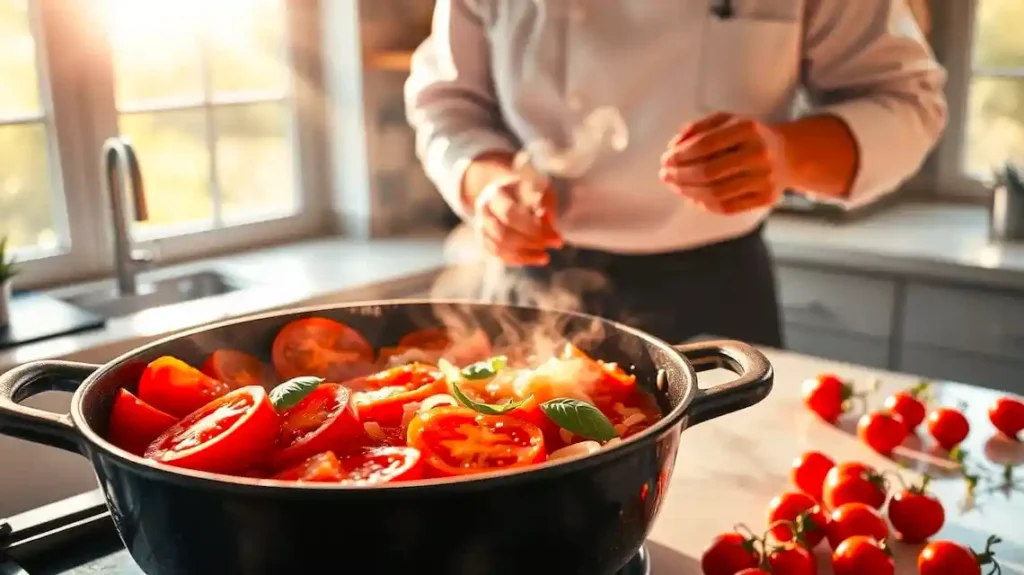
Tomato soup sounds simple, yet it often turns out sour, thin, or flat. If you have ever wondered how to cook tomatoes for soup so the flavor is rich and cozy, you are not alone. The secret starts before you even turn on the stove. In this guide, you will learn how to choose good tomatoes, prep them the easy way, and cook them so they taste sweet, not harsh.
Pick the Best Tomatoes for Soup That Tastes Fresh and Sweet
Tomato choice changes everything. Good tomatoes give you natural sweetness and a soft, velvety texture. Weak tomatoes taste sharp and watery, no matter how much cream you add later. Learning how to cook tomatoes for soup starts with picking fruit that smells nice, feels heavy, and looks alive in color.
Fresh vs. canned tomatoes: which should you use for soup?
Weight Loss Programs
Diet & Weight Loss

Diet & Weight Loss

Diet & Weight Loss

Diet & Weight Loss
Both fresh and canned tomatoes can make great soup. In summer, ripe local tomatoes are hard to beat. The rest of the year, high quality canned tomatoes often taste better and are easier to use.
Crushed, diced, and whole canned tomatoes all work. Whole tomatoes give you the most control over texture, while crushed break down faster. Many cooks like canned tomatoes because they are packed at peak ripeness, which often means more flavor, as home cooks discuss in this fresh vs. canned tomato soup thread.
If your tomatoes taste dull or too sour, add a pinch of sugar or grate in a small carrot while the soup cooks.
What to look for when buying fresh tomatoes for soup
For fresh tomatoes, look for bright, even color with no big bruises or soft spots. The tomato should feel slightly soft when you press it, not rock hard and not mushy.
Roma (plum) tomatoes are a favorite for soup because they have more flesh and less juice. Vine ripened tomatoes also work well and give a nice garden flavor. Very watery tomatoes can make thin soup, so plan to cook them longer to reduce the liquid if that is what you have.
How to Prep Tomatoes for Soup So They Cook Evenly
Good prep makes cooking smoother and faster. If you want to know how to cook tomatoes for soup the right way, start with simple, even pieces that soften at the same time.
Wash, core, and chop tomatoes into even pieces
First, rinse the tomatoes under cool water and pat them dry. Cut out the stem and tough core with a small knife. Then chop the tomatoes into medium chunks, about the size of a walnut.
The pieces do not need to be perfect. Rough, similar sized chunks are enough. This helps the soup cook more evenly and makes blending smoother later.
Peel and seed (optional) for a smoother tomato soup
If you like ultra smooth, creamy tomato soup, you can peel and seed the tomatoes. To do this, score a small X on the bottom of each tomato. Drop them in hot water for 20 to 30 seconds, then move them to cold water. The skins should slip off easily.
Cut the tomatoes open and scoop out some of the seeds if you want a silkier texture. This extra step is handy for special meals, but you can skip it on busy nights.
How to Cook Tomatoes for Soup: Simple Methods Anyone Can Use
There is more than one correct way to cook tomatoes for soup. Each method brings out a slightly different flavor. You can simmer on the stove, roast in the oven first, or use canned tomatoes for a quick weeknight pot.
Stovetop method: gently simmer tomatoes for classic tomato soup
- Sauté chopped onion and garlic in oil or butter until soft and fragrant.
- Add the chopped tomatoes, a pinch of salt, and a tiny bit of sugar if they taste sharp.
- Pour in a little water or broth, just enough to help them move in the pot.
- Let the pot simmer on low to medium heat for 15 to 25 minutes, until the tomatoes break down and taste sweet.
- Blend until smooth or leave some chunks for a rustic soup.
Low heat and time are the keys. This slow simmer tames acidity and builds flavor.
Roasted tomato method: deepen flavor with the oven first
Roasting gives tomatoes a deeper, almost smoky sweetness. Toss halved tomatoes with olive oil, salt, and garlic, then spread them on a baking sheet. Roast until soft and browned at the edges. Slow roasting, like in this guide on how to oven roast tomatoes, concentrates the flavor even more.
Move the roasted tomatoes to a pot, add a little broth, and simmer for 5 to 10 minutes. Blend until smooth for a rich, cozy bowl of soup.
Quick weeknight tomato soup: canned tomatoes and fast cooking
For busy nights, use canned tomatoes. Sauté onion and garlic, then add canned crushed or diced tomatoes and a bit of broth. Simmer for 10 to 15 minutes.
Blend if you like, then finish with a splash of cream or milk. This is a smart choice if you want to know how to cook tomatoes for soup but do not have much time or energy.
Easy Ways to Finish and Serve Your Cooked Tomato Soup
Small touches at the end can change simple tomato soup into something you crave again and again.
Blend, season, and add cream or herbs for extra flavor
Taste the soup and adjust the salt first. Blend it until smooth if you like a creamy texture, or leave some pieces for a rustic style. Stir in a splash of cream, milk, or good olive oil for a softer taste.
Top each bowl with fresh basil, crunchy croutons, shredded cheese, or a swirl of yogurt. These easy finishes turn a basic pot of cooked tomatoes for soup into a warm, satisfying meal.
Conclusion
When you know how to cook tomatoes for soup, simple ingredients turn into rich, soothing bowls of comfort. Pick good tomatoes, prep them well, then simmer or roast them until their flavor turns sweet and round. Try one method this week, taste as you go, and adjust the seasoning to fit your style. With a little practice, tomato soup becomes a reliable, cozy meal any night of the week.
You might also like:
Smart FAQs About Cooking Tomatoes For Rich, Flavorful Soup
How long should I cook tomatoes for soup?
For a simple stovetop soup, simmer fresh or canned tomatoes for 20 to 30 minutes after they come to a gentle bubble. This lets the tomatoes soften, release juices, and blend with aromatics.
If you want deeper flavor, cook them 30 to 45 minutes so the liquid reduces and thickens. Stir now and then so they do not stick or scorch at the bottom.
Should I peel tomatoes for soup?
You do not have to peel tomatoes for soup, especially if you blend it smooth. Most home cooks skip peeling and rely on a blender to break down the skins.
If you want a very silky texture, or you are using thick-skinned tomatoes, peeling helps. Score an X on the bottom, drop them into boiling water for 20 to 30 seconds, move them into ice water, then slip off the skins.
Do I need to remove tomato seeds for soup?
You do not need to remove seeds for everyday tomato soup. Once blended, most people barely notice them.
If your tomatoes are very seedy or you want a smooth, restaurant-style soup, you can strain the blended soup through a fine mesh sieve. This removes seeds and leftover bits of skin and gives a more polished texture.
What kind of tomatoes are best for soup?
Use ripe, flavorful tomatoes. Roma (plum), San Marzano, and other paste-type tomatoes are great because they have less water and more concentrated taste.
Juicy salad tomatoes (like beefsteak or vine tomatoes) also work but may need a bit more simmering to reduce extra liquid. If tomatoes are out of season, use good quality canned whole or crushed tomatoes for more consistent flavor.
Can I use canned tomatoes instead of fresh?
Yes, canned tomatoes are perfect for soup and often taste better than out-of-season fresh tomatoes. They are picked ripe and processed quickly, so the flavor stays strong.
Use whole peeled or crushed tomatoes for soup. Taste the liquid and, if it seems sharp, add a pinch of sugar or a splash of cream to balance the acidity.
How do I roast tomatoes for soup to boost flavor?
Roasting brings out sweetness and adds a light smoky flavor. Spread halved or quartered tomatoes on a baking sheet, cut side up, drizzle with olive oil, and season with salt and pepper.
Roast at 400°F (200°C) for 25 to 35 minutes, until edges brown and the tomatoes slump and release juices. Add the roasted tomatoes and their juices to your pot, then simmer with stock and aromatics.
How can I fix tomato soup that tastes too acidic or sharp?
Tomatoes naturally have bright acidity, but you can soften it. Try one of these simple fixes:
- Small pinch of sugar to round out sharp edges
- Splash of cream, milk, or half-and-half for a smoother taste
- Pat of butter stirred in at the end for richness
- Carrot or onion simmered with the tomatoes for natural sweetness
Add a little at a time, taste, and adjust so the soup stays balanced, not sweet.
Why does my tomato soup taste watery, and how do I thicken it?
Watery soup usually comes from high-water tomatoes or too much stock. Let the soup simmer uncovered so excess liquid can evaporate, and the flavor will concentrate.
To thicken gently, you can:
- Blend more of the solids into the liquid
- Add a spoonful of tomato paste and simmer
- Stir in a small handful of cooked rice or bread, then blend for body
Cream or coconut milk can also thicken slightly, but they change the flavor profile.
How can I make tomato soup creamy without using dairy?
To get a creamy feel without cream, rely on texture rather than dairy. Blend the soup very smoothly, then cook it a bit longer to thicken.
You can also add:
- Cooked white beans or lentils, then blend for a velvety texture
- A small potato, simmered and blended for natural starch
- Coconut milk, if you like a light coconut note
These options give body and richness while keeping the soup dairy free.
Is it better to sauté tomatoes or add them straight to liquid?
Sautéing tomatoes in a bit of oil with onion and garlic builds deeper flavor. The heat helps caramelize natural sugars and creates a richer base before you add stock.
If you are short on time, you can add tomatoes straight to the pot with stock, then simmer. The soup will still taste good, but it may not have the same depth as a batch made with sautéed aromatics.
How does cooking time change the texture of tomato soup?
Here is a quick guide to how time affects texture.
| Cooking Time | What Happens | Best For |
|---|---|---|
| 10–15 minutes | Light, fresh, thinner texture | Quick, brothy tomato soups |
| 20–30 minutes | Softer tomatoes, flavors blended, moderate body | Everyday smooth tomato soup |
| 30–45 minutes | Reduced liquid, thicker, deeper flavor | Rich, creamy, or blended soups |
| 1 hour or longer | Very concentrated, jammy tomato flavor | Robust, hearty tomato-based soups |
Use the texture you like as your guide, not just the clock.
How should I season tomatoes when cooking them for soup?
Salt early, but lightly, when you sauté onions, garlic, and tomatoes. This draws out moisture and helps flavors mingle.
Near the end, taste and adjust with:
- Salt for overall flavor
- Black pepper for a bit of bite
- Sugar, cream, or butter if it tastes sharp
- Herbs like basil, oregano, thyme, or bay leaf for aroma
Add herbs in small amounts so they support the tomato flavor instead of covering it.
How do I store and reheat tomato soup safely?
Cool the soup within 2 hours, then store it in airtight containers in the fridge for 3 to 4 days. For longer storage, freeze it for up to 3 months.
Reheat on the stove over low to medium heat, stirring often, until hot all the way through. If the soup thickened in the fridge, thin it with a splash of water or stock while warming it.

The AnySmoothie team is all about smarter smoothie recipes made with whole-food ingredients. Everything we share centers on balanced nutrition, steady energy, and low-glycemic choices, so you can sip a smoothie that keeps you full, feels good, and helps you avoid sugar crashes.
- Disclaimer: This content is for educational use only. These smoothie recipes and nutrition details aren’t a substitute for medical advice from a licensed health professional. Please read our full Medical Disclaimer here.
Dietary Supplements
Dietary Supplements

Dietary Supplements

Dietary Supplements

Dietary Supplements
NeuroQuiet – Daily Support for Brain Health, Hearing, and Tinnitus Relief