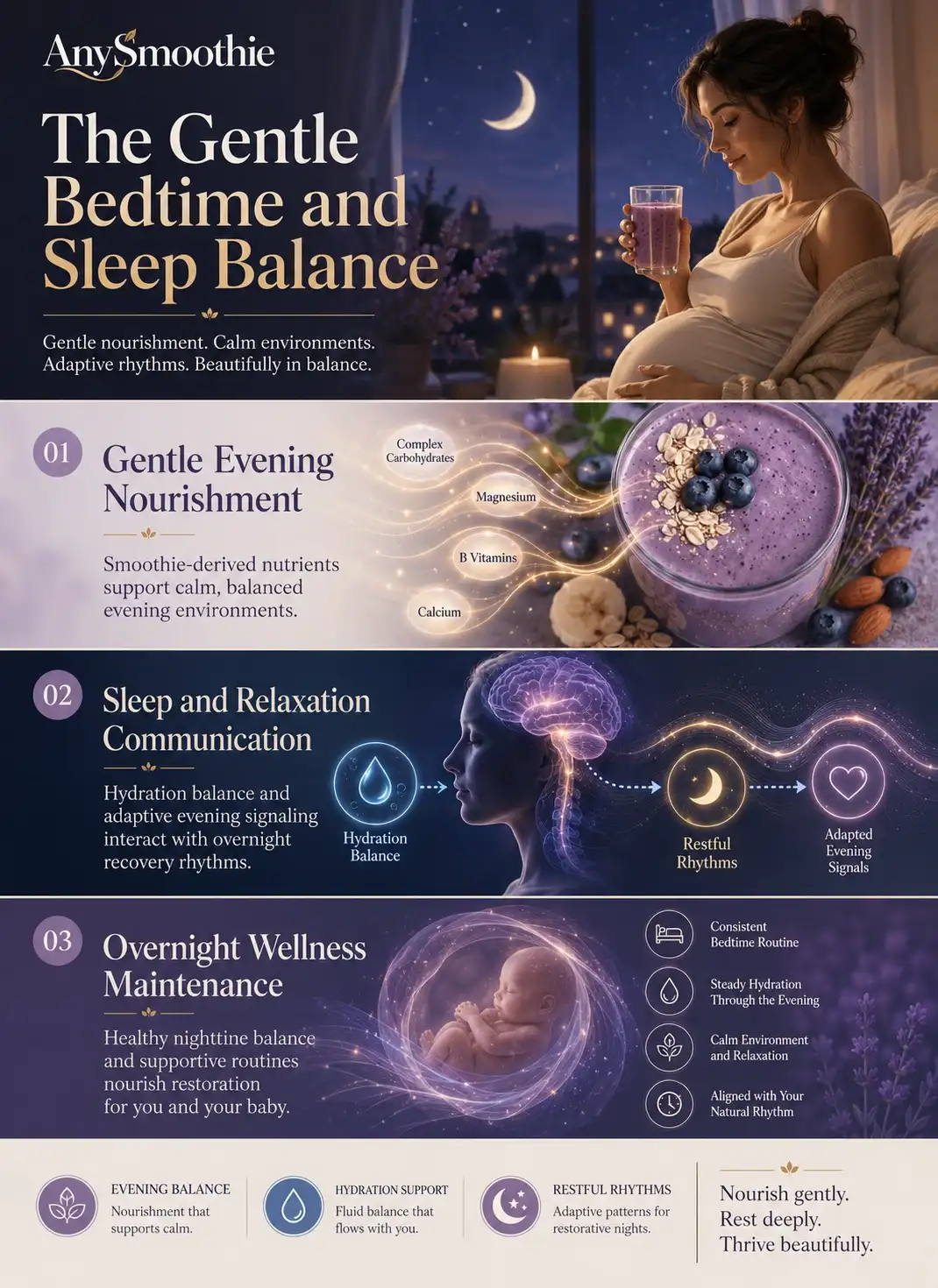

You lie down exhausted, but your back aches, your belly feels heavy, and your mind will not stop racing. If you are pregnant and sleeping badly, you are not alone. Many people find that each new trimester brings a new kind of sleepless night.
The good news is that uncomfortable sleep in pregnancy is common, and in many cases, fixable. When you learn how to improve uncomfortable sleep during pregnancy, you can find simple changes that help your body and mind relax.
This guide walks you through why sleep feels harder, how to adjust your sleep position, how to set up your bedroom, and what routines and habits can help. You will also learn when to call your doctor so you can sleep with more confidence and less worry.
Recommended Products
Dietary Supplements
Diet & Weight Loss
Mental Health
Understanding Why Sleep Feels Worse During Pregnancy
When you know why sleep feels so strange right now, it feels less scary. Your body is doing a huge job, and many changes show up at night first.
How pregnancy hormones and body changes affect your sleep
Hormones rise quickly in pregnancy. One key hormone, progesterone, can make you feel sleepy during the day yet strangely restless at night. You might nap more, then feel wide awake when it is time for bed.
As your belly grows, finding a comfortable position gets harder. Lying on your back may make you feel short of breath or heavy. Turning from side to side can feel like rolling a bowling ball under your skin.
Other body changes also affect sleep:
- Breasts may feel tender, so lying on your stomach is uncomfortable.
- Blood volume increases, so your heart works harder and you may feel warm or flushed.
- Your joints and ligaments soften, which can lead to hip or back pain when you lie down.
None of this means something is wrong. It means your body is rearranging itself to grow a baby, and that big shift often shows up as broken, light sleep.
Common sleep problems during pregnancy (and why they happen)
Most pregnant people notice at least a few of these:
- Trouble getting comfortable: Your growing belly and softer joints can make your usual position feel wrong. The weight pulls your body in new directions.
- Waking often to pee: The baby and uterus press on your bladder. Your kidneys are also working harder, so your body makes more urine.
- Heartburn or reflux at night: Pregnancy hormones relax the valve between your stomach and esophagus. Lying flat makes it easier for acid to move upward.
- Leg cramps: Changes in blood flow and muscle strain may trigger sudden tightness in your calves or feet at night.
- Back pain: Your center of gravity shifts forward. Muscles and ligaments in your back work overtime during the day, then ache in bed.
- Vivid dreams and strange sleep: Hormonal changes and anxiety about birth or parenting can lead to intense, memorable dreams or restless sleep.
- Rising anxiety: Thoughts about labor, health, or money often show up at night when the house is quiet.
When you can name what is happening, you can match it with the right tools instead of lying there wondering what is wrong.
Practical Sleep Positions and Bedtime Setups That Reduce Discomfort
Position and setup are often the fastest way to get relief. Think of your bed like a custom nest you are building for this stage of life.
Best sleep positions for each trimester to protect you and baby
In early pregnancy, most people can sleep in almost any position that feels good. If you loved sleeping on your back or stomach before, it is usually fine in the first trimester as long as you feel comfortable.
By the second trimester, it helps to start teaching your body to sleep on your side. Many experts suggest side sleeping, especially on the left side, because it supports blood flow to your baby and your own organs. You can read more about pregnancy sleeping positions for extra detail and peace of mind.
Simple tips for side sleeping:
- Bend your knees a little, instead of locking them straight.
- Keep your ears, shoulders, and hips in a straight line.
- Let your arms rest in front of you, not under your body.
In late pregnancy, most providers suggest you avoid lying flat on your back for long periods. The weight of the uterus can press on large blood vessels and may make you feel dizzy or short of breath. Side sleeping, especially on the left, is usually the best choice.
Do not panic if you wake up on your back. Just roll onto your side again. Your body often shifts to protect you without you even trying.
For more guidance, you can also check the advice from American Pregnancy Association on best sleeping positions.
How to use pillows to ease hip pain, back pain, and belly pressure
Pillows can turn one basic position into many different support setups. You do not need fancy gear, although pregnancy pillows can be nice if your budget allows.
Try these ideas:
- For hip pain: Place a firm pillow between your knees and ankles. This keeps your hips stacked and reduces pulling on the joint.
- For lower back pain: Lie on your side with a pillow slightly behind your back. Lean into it so your body is supported, almost like a gentle hug from behind.
- For belly pressure: As your bump grows, slide a small pillow or folded blanket under your belly while you lie on your side. This prevents that heavy, โpulled downโ feeling.
- For chest or shoulder strain: If you feel tight across your chest, use a pillow under your top arm and shoulder to keep them from dropping forward.
If you use a C shaped or U shaped pregnancy pillow, tuck part of it between your knees and pull another section along your back or belly. If you do not have one, three regular pillows, between your knees, behind your back, and under your belly, can work very well.
Making your mattress and bedroom more pregnancy friendly
You do not have to buy a whole new bed to sleep better in pregnancy. A few simple changes can help a lot.
Try:
- A foam or quilted mattress topper if your mattress feels hard. Extra softness can ease pressure on your hips and shoulders.
- Breathable cotton or bamboo sheets to help with night sweats or hot flashes.
- A cool room, often around 65 to 70ยฐF, plus a fan if you feel hot.
Aim for a calm, dark space. You could use blackout curtains or an eye mask to block streetlights, and a white noise machine or fan to cover random sounds. If you need more details on safe sleep positions, you can also look at Phoenix Childrenโs guide to sleeping positions during pregnancy.
Try to limit screens in bed. Phone light can confuse your brain and keep you awake longer. If possible, keep the bed for sleep and closeness, and scroll or watch shows on a couch or chair instead.
Gentle Night Routines and Lifestyle Habits for Better Sleep in Pregnancy
What you do in the hours before bed teaches your body when to slow down. Small, steady habits often help more than one big change.
Creating a calm bedtime routine that tells your body it is time to sleep
Pick a simple 20 to 30 minute wind down plan and repeat it most nights. For example:
- Dim the lights and turn off loud shows.
- Do a short, gentle stretch for your neck, hips, and back.
- Take a warm (not hot) shower to relax tight muscles.
- Read a light book or listen to soft music.
- Do a few minutes of slow breathing before turning off the light.
Try to go to bed and wake up at about the same time every day, even on weekends. Your body loves patterns.
Use your bed mostly for sleep or quiet connection with your partner. If you work, snack, or scroll in bed for long periods, your brain may start to link bed with โawake timeโ instead of โsleep time.โ
Safe habits for food, drinks, and exercise that support deeper sleep
What you eat and drink in the evening plays a big role in how often you wake up.
A few simple habits:
- Drink more water earlier in the day, and slow down in the last 1 to 2 hours before bed. This may cut down on overnight bathroom trips.
- If you get nausea or heartburn, try a small, light snack at night, like yogurt, a banana, or crackers.
- Avoid heavy, greasy, or very spicy meals right before bedtime. Lying down on a full stomach can make heartburn worse.
- Limit caffeine as your doctor or midwife advises, and avoid it late in the day.
Gentle movement during the day helps many pregnant people sleep better. Short walks, simple stretching, or prenatal yoga, if your provider agrees, can ease leg cramps and leave your body ready to rest. Stop if anything hurts, and always follow the guidance of your health care team.
Simple ways to calm a busy mind, worry, and pregnancy anxiety at night
Pregnancy can stir up a lot of big questions. That mental noise often gets louder in the dark.
Instead of fighting your thoughts, give them a safe place to go:
- Practice slow deep breathing, for example, in for 4 counts, out for 6.
- Keep a small notebook by your bed. Write down worries, to do lists, or questions for your provider so your brain does not have to hold them.
- Try a short guided meditation, sleep story, or relaxing podcast with a timer.
Remind yourself that worries about labor, parenting, and health are common. You do not have to carry them alone. Talk with your partner, a trusted friend, or a therapist if your anxiety feels strong or constant.
Reach out to your doctor or midwife if you notice mood changes, racing thoughts, or signs of depression, like feeling hopeless, crying often, or losing interest in things you used to enjoy. Mental health is part of pregnancy health, and you deserve support.
When to Call Your Doctor About Sleep Problems in Pregnancy
Most sleep troubles in pregnancy are annoying but not dangerous. Still, some symptoms mean you should get medical advice.
Warning signs that mean you should get medical advice right away
Call your health care provider right away or seek urgent care if you notice:
- Loud snoring with choking or gasping sounds.
- Very bad headaches that do not go away with rest.
- Blurry vision, flashing lights, or other vision changes.
- Sudden swelling in your hands, face, or around your eyes.
- Chest pain or tightness, or feeling like you cannot catch your breath.
- Strong pain, redness, or swelling in one leg.
These can be signs of problems like sleep apnea or high blood pressure that need medical care. Trust your instincts. If something feels โoff,โ it is always okay to call.
How to talk with your provider so you get the sleep help you need
Sleep deserves real attention at your prenatal visits. To make the most of your time:
- Keep a simple sleep diary for a few days. Note what time you go to bed, how often you wake, and how you feel in the morning.
- Write down your top concerns, such as back pain, heartburn, leg cramps, or anxiety.
- Ask clear questions about safe sleep aids, body changes, and pain relief options.
Mention your mood, not just physical discomfort. Let your provider know if you feel sad, worried, or unlike yourself. Better sleep helps both you and your baby, so it is worth talking about.
Conclusion
Pregnancy sleep often feels like a puzzle, but each piece has an answer. When you understand why sleep is hard, use better positions and pillows, set up a cozy bedroom, and follow gentle routines, you start to see how to improve uncomfortable sleep during pregnancy in real life, not just in theory.
You do not have to fix everything at once. Pick one or two tips that fit your life and try them tonight. Adjust as you go, and keep your provider in the loop if something feels wrong.
Small changes can add up to longer, deeper rest. You are doing big work growing a baby, and you deserve sleep that supports you through it.
You might also like:
How To Improve Uncomfortable Sleep During Pregnancy FAQs:
How common is uncomfortable sleep during pregnancy?
Sleep problems in pregnancy are very common, especially in the second and third trimester. Hormones, a growing belly, more trips to the bathroom, and body aches all play a part.
You might notice it is harder to fall asleep, stay asleep, or feel rested. Most people experience some mix of insomnia, light sleep, or waking up stiff and sore.
Here is a quick look at what often changes by trimester:
| Trimester | Common Sleep Issues |
|---|---|
| First | Fatigue, more sleep, nausea, frequent urination |
| Second | Better energy, mild aches, early heartburn |
| Third | Back and hip pain, heartburn, shortness of breath, frequent waking |
What is the safest and most comfortable sleep position while pregnant?
Doctors usually recommend sleeping on your side, especially the left side, in the second and third trimester. This position supports blood flow to your baby and your organs.
Try these tips to make side sleeping easier:
- Put a pillow between your knees to ease hip and back strain.
- Hug a pillow or body pillow to support your upper arm and shoulder.
- Place a small pillow under your belly for extra support as it grows.
If you wake up on your back, do not panic. Gently roll back onto your side and adjust your pillows.
Is it dangerous to sleep on my back during pregnancy?
In early pregnancy, sleeping on your back is usually fine. As your uterus gets heavier, lying flat on your back for long periods can press on major blood vessels and may make you feel dizzy, short of breath, or nauseated.
A few key points help:
- If your doctor has not told you to avoid your back, short periods are usually not a problem.
- If you feel lightheaded or unwell on your back, roll to your side.
- You can place a pillow behind your back so if you roll, you stay at a slight tilt instead of flat.
Always follow your doctor or midwife’s specific advice, especially if you have high blood pressure, placenta problems, or other health issues.
How can pillows help me sleep better while pregnant?
Pillows can turn a bad night into a decent one. They support joints that are under extra strain and keep your spine in a more neutral line.
Helpful ways to use pillows:
- Between knees and ankles: Reduces hip, knee, and lower back pain.
- Under your belly: Takes pressure off your back and abdominal muscles.
- Behind your back: Stops you from rolling fully onto your back and gives gentle support.
- Raised head and shoulders: Aids breathing and eases heartburn.
You can use regular pillows, a C-shaped or U-shaped pregnancy pillow, or a mix. The best setup is the one you actually sleep with, not just what looks good on the bed.
What can I do about back and hip pain that keeps me awake?
Back and hip pain at night is very common in late pregnancy. Your ligaments are looser and your center of gravity shifts, so your muscles work harder.
To ease nighttime pain:
- Sleep on your side with a firm pillow between your knees.
- Keep your legs in line with your hips, not twisted.
- Use a supportive mattress topper if your bed feels too hard.
- Try gentle stretching, prenatal yoga, or a short walk in the evening.
- Use a warm (not hot) pack on sore areas for 10 to 15 minutes.
If pain is sharp, one-sided, or comes with numbness, talk with your doctor. You may need a physical therapist who specializes in pregnancy.
How can I manage heartburn and shortness of breath at night?
As your uterus grows, it pushes up on your stomach and lungs. This can cause strong heartburn and a feeling that you cannot take a deep breath when you lie flat.
These habits often help:
- Eat smaller dinners and avoid lying down within 2 to 3 hours of eating.
- Skip very spicy, greasy, or acidic foods at night.
- Raise the head of your bed slightly, or sleep on extra pillows.
- Sleep on your left side, which can reduce reflux.
If heartburn is intense, reaches your throat, or makes swallowing painful, ask your doctor about antacids or other safe treatments in pregnancy.
Why do I wake up to pee so often, and can I reduce it?
Frequent nighttime urination happens because hormones increase blood flow to your kidneys and your growing uterus presses on your bladder. It tends to ease early in the second trimester, then return later.
You usually cannot stop it, but you can reduce how often you wake up:
- Drink plenty of fluids in the daytime, then cut back in the last 2 to 3 hours before bed.
- Limit caffeine, which can irritate the bladder.
- Lean forward slightly when you pee to help empty your bladder fully.
If you have burning, pain, or cloudy urine, see your doctor. These can be signs of a urinary tract infection, which needs treatment in pregnancy.
Is it safe to take sleep aids or melatonin while pregnant?
Many over-the-counter sleep aids are not well studied in pregnancy. Some can cause side effects like drowsiness during the day or may not be safe for the baby.
General guidance:
- Always talk to your doctor or midwife before taking any sleep medicine, herbal tea, or supplement, including melatonin.
- Try non-drug options first, like a steady sleep routine, dim lights, and relaxing stretches.
- Avoid alcohol and most herbal sleep products, since their safety in pregnancy often is not clear.
If insomnia feels severe and you are not coping, tell your provider. They can review safe options that fit your medical history.
How can I calm my mind at night when I feel anxious or wired?
Hormones, body changes, and worries about birth or parenting can all keep your brain busy at night. A โtired but wiredโ feeling is very common.
Simple calming habits often help more than you expect:
- Keep a short wind-down routine, like a warm shower, light snack, and reading.
- Jot down worries or to-do items before you get in bed so your mind is not holding them.
- Try slow breathing, such as inhaling for 4 counts and exhaling for 6.
- Keep screens out of bed, since bright light can tell your brain to stay awake.
If you feel very anxious, hopeless, or notice big mood swings, bring it up with your doctor. Pregnancy anxiety and depression are common and treatable.
Are naps okay, or will they make nighttime sleep worse?
Naps are usually fine in pregnancy and can help if you are exhausted. The key is timing and length.
Tips for better naps:
- Aim for short naps, about 20 to 40 minutes, to avoid feeling groggy.
- Nap earlier in the day instead of late afternoon or evening.
- If you need long naps often, mention it to your provider, especially if you snore or feel unrefreshed.
A short nap that lets you function is often better than dragging yourself through the day and feeling even more wired at bedtime.
When should I worry about my sleep during pregnancy?
Poor sleep by itself is common, but sometimes it points to a problem that needs care. Trust your instincts if something feels off.
Call your doctor or midwife if you notice:
- Loud snoring with gasping or choking at night.
- Waking up short of breath or with a pounding heart.
- Strong leg discomfort or an urge to move your legs that keeps you from sleeping.
- Bad headaches, vision changes, or sudden swelling of hands, face, or feet.
- Sleep problems that feed depression, panic, or thoughts of self-harm.
You deserve to feel as comfortable and supported as possible during pregnancy. If sleep is wearing you down, ask for help and keep adjusting small habits until you find what works.