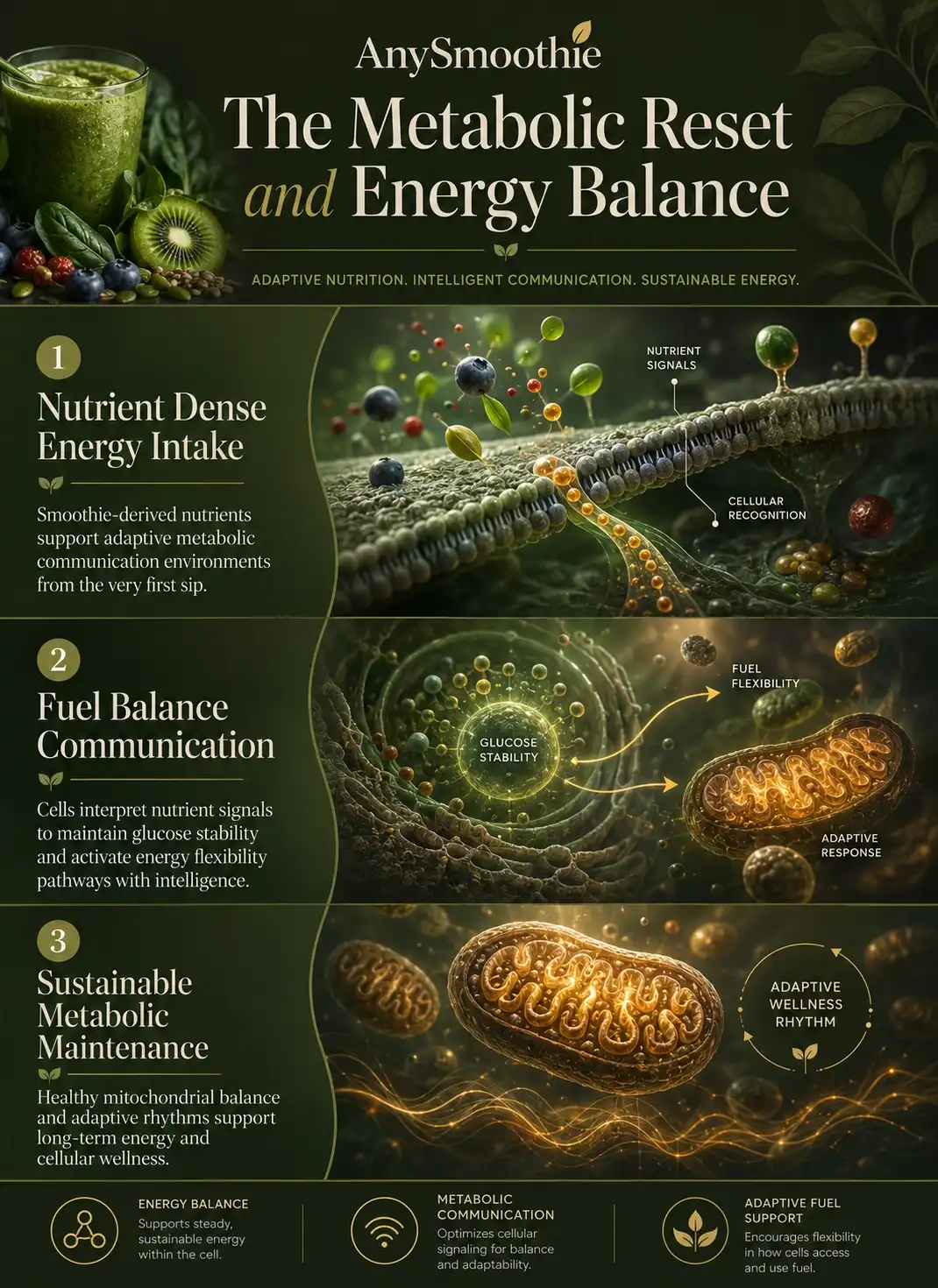

How To Improve Fat Burning With a Metabolism Reset Method

How To Improve Fat Burning With a Metabolism Reset Method

Ever feel like you are doing everything “right” but the scale will not move? You eat less, slog through workouts, and still feel tired, hungry, and stuck. That is where a simple, safe metabolism reset method can help.

Your metabolism is how your body turns food into energy. It runs all day, even when you sleep. When it slows down, you can gain fat more easily and feel low on energy. When it works better, your body burns more calories and makes it easier to lose fat and keep it off.

In this guide, you will learn how to improve fat burning with a metabolism reset method using a short 2 to 4 week period of focused habits. No extreme diets, no only-juice days, and no punishing workouts. Just smart changes to food, movement, sleep, and stress that fit real life.

Let’s walk through how to reset your routine so your body works with you, not against you.

What It Really Means to Reset Your Metabolism for Better Fat Burning

Metabolism is not magic. It is simply how your body uses the food you eat for energy, repair, and storage. You burn calories all day, even when you sit at your desk or sleep.

You cannot throw out your old metabolism and install a new one. But you can “tune it up” so your body uses more energy and stores less fat. That is what a metabolism reset method means in this article.

Think of it as a 2 to 4 week period where you focus on a few daily habits:

  • What and when you eat
  • How often you move
  • How much you sleep
  • How you handle stress

During this reset, your goal is to teach your body to use fat for fuel more often, not to starve yourself. Research on metabolic health shows that habits like regular movement, balanced meals, and sleep can support a stronger metabolism over time. If you want a deeper science overview, the Mayo Clinic explains how metabolism and weight loss work in simple terms.

The benefits of a short reset period can include:

  • More steady energy instead of afternoon crashes
  • Better fat loss with less rebound weight gain
  • Fewer wild cravings
  • Feeling more in control around food

Crash ideas like “just eat as little as possible” or “only intense workouts count” often backfire. A busy parent who skips meals, then binges at night, will likely slow their metabolism, not speed it up. An office worker who sits all day but does one brutal workout once a week will not see great results either.

A metabolism reset method respects how your body works. You give it enough fuel, the right kind of movement, and time to rest so it can burn more fat instead of just slowing down.

How Your Metabolism Controls Calories, Energy, and Fat Storage

Your body burns calories in three main ways:

  1. Basal metabolic rate (BMR): Calories your body needs to keep you alive, even at rest. This is the biggest slice.
  2. Movement: Walking, cleaning, workouts, even fidgeting.
  3. Digestion: Calories used to break down food.

Muscle tissue burns more calories than fat, even when you sit still. That is why people who keep or build muscle often find fat loss easier.

Several things can slow your metabolism:

  • Age
  • Hormone changes
  • Long-term dieting with very low calories
  • Poor sleep and high stress
  • Sitting most of the day

The good news is, daily habits can nudge it in the other direction. You cannot change your age, but you can improve sleep, eat enough protein, move more, and protect your muscle. Over time, these simple actions help your body burn more calories and store less fat.

Metabolism Reset Method vs Quick Fix Diets

A real metabolism reset method is not the same as a quick fix diet.

Crash diets:

  • Cut calories very low
  • Often avoid whole food groups
  • Cause fast water loss, then a stall
  • Can make you tired, moody, and hungry

Over time, these diets can lower your BMR and make it easier to regain weight. You might lose pounds on the scale, but much of it is water and muscle, not just fat. Reviews of “metabolic reset” diets, like the one from Everlywell on the pros and cons of metabolic reset diets, point out that extreme restriction is not a smart long-term strategy.

A reset method instead focuses on:

  • Enough protein
  • High fiber foods
  • Daily movement and strength work
  • Better sleep and stress balance

The goal is to improve fat burning with a metabolism reset method, not just to force the scale down for a week.

Quick fixes to skip:

  • Only juice or “detox” cleanses for several days
  • Very low calorie diets under 1,000 calories for most adults
  • Plans that cut out almost all carbs or fats without medical guidance

Core Steps to Improve Fat Burning With a Metabolism Reset Method

This is where your plan comes together. Over a 2 to 4 week reset, you will focus on four simple pillars: food, timing, movement, and rest. The idea is to add helpful habits instead of only taking things away.

Use these steps as a menu. Pick what fits your life now, then layer on more over time.

Fuel Your Body With High Protein and Fiber to Support a Faster Metabolism

Protein is your best friend for a stronger metabolism. It helps you keep and build muscle, which raises how many calories you burn all day. It also keeps you full longer.

A simple starting point: aim for a lean protein source at each meal. That might be:

  • Eggs or egg whites
  • Greek yogurt or cottage cheese
  • Chicken, turkey, lean beef, or fish
  • Tofu, tempeh, or edamame
  • Beans or lentils paired with whole grains

Fiber is the other key. It slows digestion, helps control hunger, and keeps your blood sugar steadier. Steady blood sugar supports better fat burning and fewer “I need sugar now” moments.

Good fiber sources include:

  • Fruits and berries
  • Vegetables, especially leafy greens and carrots
  • Beans, chickpeas, and lentils
  • Oats, quinoa, and brown rice

Simple meal ideas:

  • Greek yogurt with berries and a sprinkle of oats
  • Eggs with spinach and whole grain toast
  • Chicken, beans, and salsa in a bowl with brown rice
  • Tofu stir fry with mixed vegetables and quinoa

During your reset, think “protein and fiber first” at each meal.

Use Smart Meal Timing to Cut Cravings and Support Fat Burning

You do not need a perfect schedule, but some structure helps your metabolism.

For many people, 2 to 4 balanced meals per day without constant snacking works well. When you snack all day on sugary foods or drinks, your blood sugar spikes and crashes. Those crashes often bring strong cravings and extra calories.

A gentle idea that fits many lifestyles is a 12 to 14 hour overnight break from eating. For example:

  • Finish dinner by 7 pm
  • Eat breakfast between 7 and 9 am

This gives your body a daily break from constant digestion. It can support better appetite control and may support fat use. Healthline gives more context about how a short metabolism reset can fit into healthy eating habits.

If you have diabetes, are pregnant, or take medicine that affects blood sugar, talk with your doctor before changing meal timing or trying any fasting window.

Focus on steady, balanced meals with protein, fiber, and some healthy fat. That mix keeps you satisfied and helps cut mindless snacking.

Move More Every Day to Fire Up Your Metabolic Engine

You do not need brutal workouts to reset your metabolism. In fact, if you are exhausted and sore, you are more likely to quit.

Daily movement plus light strength training is a friendlier and more effective path.

Simple goals to try:

  • Aim for 7,000 to 8,000 steps per day, counted with a phone or watch
  • Take 5 to 10 minute brisk walks after meals
  • Add strength training 2 or 3 days per week

Strength training does not need fancy machines. You can use:

  • Bodyweight squats
  • Wall pushups
  • Light dumbbells or filled water bottles
  • Hip bridges on the floor

Short movement breaks help too. Stand up every 45 to 60 minutes, stretch, or walk for a couple of minutes. These tiny breaks add up and keep your body from staying in “low burn” mode all day.

Sleep and Stress: Hidden Keys to a Successful Metabolism Reset

Sleep and stress may not feel related to fat burning, but they are.

When you do not sleep enough, hormones that control hunger change. You may feel hungrier, crave sugar, and eat more without meaning to. High stress can trigger the same pattern.

For your reset, aim for 7 to 9 hours of sleep most nights. To make that more likely:

  • Set a regular “lights out” time
  • Put screens away 30 minutes before bed
  • Try a short breathing exercise or gentle stretch routine

For stress, think “small and often” instead of big fixes. Quick tools:

  • A 5 minute walk outside
  • Writing down worries for a few minutes
  • Five slow, deep breaths with your eyes closed

These habits calm your nervous system, which helps your body respond better to food and movement changes.

How to Start Your 2 to 4 Week Metabolism Reset Plan Safely

A safe metabolism reset plan is simple and flexible. You do not need to overhaul your life in one day.

First, choose a reset length: 2, 3, or 4 weeks. Shorter is fine if you feel nervous about big changes. This period is not a strict “diet” but a test drive for better habits.

Second, pick a few easy things to track:

  • Energy levels during the day
  • Mood and stress
  • Sleep hours
  • How your clothes fit and how you feel in your body

Do not rely only on the number on the scale. Your body can lose fat while the scale changes slowly, especially if you are keeping or building muscle. Some people also like to read about longer term “set point” changes, such as the idea of lowering body fat setpoint in a metabolic reset diet, but your first goal is to build simple habits.

Always talk with a healthcare provider before starting if you:

  • Have a medical condition
  • Are pregnant or nursing
  • Take medicines that affect blood sugar or blood pressure

Your reset should feel challenging but safe. If you feel dizzy, very weak, or unwell, ease up and get medical advice.

Build a Simple Weekly Reset Schedule You Can Stick With

Here is a simple outline you can adjust to your life.

Step 1: Choose your reset length

  • 2 weeks if you want a quick reset
  • 3 to 4 weeks if you feel ready for more change

Step 2: Plan protein and fiber rich meals

  • Add a lean protein to each meal
  • Include at least one fruit or vegetable at each meal

Step 3: Plan movement

  • Daily: aim for 7,000 to 8,000 steps
  • Pick 3 days for short strength sessions, even 10 to 20 minutes

Step 4: Set a sleep goal

  • Choose a bedtime that gives you 7 to 9 hours
  • Create a short, calm routine before bed

If this still feels like too much, start even smaller. For the first week, you might only focus on:

  • Protein at breakfast
  • A 10 minute walk every day

Once those feel easy, stack more habits onto your schedule.

Track Signs Your Metabolism Reset Is Improving Fat Burning

Progress is about more than pounds.

Signs your metabolism reset method is working:

  • Less afternoon crash
  • Fewer sugar cravings
  • Slightly looser clothes or less waist tightness
  • Better sleep quality
  • More stable mood and focus

To keep things simple, track 2 or 3 markers during your reset:

  • Daily steps
  • Hours of sleep
  • How full or hungry you feel after meals (quick 1 to 10 rating)

If you have health issues, are pregnant, or take medicine that affects blood sugar, talk with a healthcare provider before you start. Safety matters more than quick change.

Focus on steady progress, not perfection. Missed a workout? Ate late at night? Note it and move on. The long trend matters more than any one day.

Conclusion

You can improve fat burning with a metabolism reset method by focusing on a few powerful levers: smart food choices, daily movement, solid sleep, and simple stress tools. A focused 2 to 4 week reset helps your body burn more energy, control cravings, and protect muscle without crash diets.

You do not need to change everything today. Choose one or two habits from this guide that feel doable this week, such as adding protein to breakfast or walking for 10 minutes after dinner. Then add more as you feel ready.

Pick your reset start date, write down your top three habits, and commit to this short experiment. Your future self, with more energy and a healthier metabolism, will thank you.

You might also like:

FAQs: How To Improve Fat Burning With a Metabolism Reset Method

What does a “metabolism reset” really mean?

A metabolism reset is not a magic switch.
It usually means changing habits that affect how your body uses energy.

You improve sleep, food quality, movement, stress, and muscle mass.
Over time, these changes can raise your daily calorie burn a bit.
They also help your body respond better to carbs, fats, and hunger signals.

Can you actually reset your metabolism, or is that a myth?

You cannot wipe your metabolism clean like a phone.
You can, however, change how fast or slow it runs within your own range.

Strength training, more daily movement, enough protein, and good sleep can raise energy use.
Crash diets, long term low calories, poor sleep, and high stress can lower it.

So you do not reset it in one step, you shift it through consistent habits.

How does a metabolism reset help with fat burning?

When your metabolism works well, your body uses energy more efficiently.
You burn more calories at rest and during activity.

Good metabolic health also improves insulin sensitivity.
This helps your body use carbs as fuel rather than store them as fat.

With a slight calorie deficit, that can lead to steady fat loss.

Is a metabolism reset the same as a detox?

No. Detox plans usually focus on short, strict diets or juices.
They often cut calories sharply and lack protein.

A metabolism reset focuses on long term habits.
You eat enough, move more, and keep blood sugar and hormones more stable.
You build a routine that you can live with, not a quick cleanse.

How long does it take to notice a difference in fat burning?

Most people feel small changes within 2 to 4 weeks.
They may sleep better, feel less bloated, or notice steadier energy.

Visible fat loss often shows up after 4 to 8 weeks of consistent habits.
Big changes in body shape and weight can take several months.

Your starting point, age, stress, and health all affect the timeline.

What are the core steps of a healthy metabolism reset?

Key steps are simple, but they require consistency:

  • Eat enough protein at each meal, about 20 to 30 grams for most adults
  • Prioritize whole foods, like lean meats, eggs, beans, vegetables, fruit, and healthy fats
  • Lift weights or use resistance bands 2 to 4 times per week
  • Walk more each day, aim for more steps than you get now
  • Sleep 7 to 9 hours per night, in a regular schedule
  • Reduce chronic stress with simple tools, like breathing, walking, or short breaks
  • Avoid long periods of extreme low calorie diets

Over time, these habits support better metabolic health and fat burning.

Do you need to eat more to reset your metabolism?

Sometimes, yes. If you have dieted hard for a long time, your body can adapt.
It burns fewer calories, you feel tired and hungry, and fat loss slows.

In that case, a planned increase in calories, especially from protein and carbs, can help.
This is often called a “reverse diet” or “metabolic restoration.”

The increase should be gradual, not a binge.
You aim to raise calories while watching weight and hunger.

What role does strength training play in a metabolism reset?

Strength training is one of the most effective tools you have.
Muscle tissue burns more calories than fat, even when you rest.

When you lift weights, your body uses energy to repair and grow muscle.
This raises your resting metabolic rate a bit and improves insulin sensitivity.

You do not need bodybuilding routines.
Simple, full body workouts 2 to 4 times per week work very well.

Can you reset your metabolism without exercise?

You can improve some parts of metabolic health with food, sleep, and stress control.
But without movement, especially strength training, your potential is limited.

Exercise helps maintain muscle, improves insulin sensitivity, and raises daily energy use.
Even if you cannot go to a gym, walking and simple bodyweight exercises at home help a lot.

Do certain foods “boost” metabolism or fat burning?

No single food burns fat by itself.
However, some foods support a higher metabolic rate and better appetite control.

These include:

  • Protein rich foods, like chicken, fish, eggs, Greek yogurt, tofu, or beans
  • High fiber foods, like vegetables, fruit, oats, and legumes
  • Healthy fats, like olive oil, avocado, nuts, and seeds

Protein has a higher “thermic effect,” meaning your body burns more calories to digest it.
Spices like chili or ginger may raise calorie burn slightly, but the effect is small.

Are metabolism reset supplements worth it?

Most “metabolism booster” pills do not live up to their claims.
Some rely on large doses of caffeine, which can cause jitters or sleep issues.

There are a few supplements with some science behind them, such as:

  • Caffeine, from coffee or tea, in moderate amounts
  • Green tea extract, for a small bump in calorie burn
  • Protein powders, to help you hit your protein target

These are tools, not magic solutions.
Always check with a health professional if you take medication or have health issues.

How many calories should I eat while resetting my metabolism?

There is no single number that fits everyone.
A common starting point is your body weight in pounds times 12 to 14 for maintenance.

From there, you can:

  • Eat at maintenance for a few weeks if you come from heavy dieting
  • Then create a small deficit, about 10 to 20 percent below maintenance, for fat loss

Track your weight trend, energy, sleep, and hunger.
Adjust calories slowly, not in big jumps.

Can a metabolism reset help if I have hypothyroidism or PCOS?

It can help, but it is not a cure.
Conditions like hypothyroidism or PCOS can slow fat loss and affect hormone balance.

Healthy habits still matter: protein, strength training, movement, sleep, and stress care.
These support better insulin sensitivity and muscle mass, which help with fat burning.

You should also work with a doctor to manage medication and blood tests.
Do not try to fix hormone issues with diet alone.

What are signs that my metabolism is starting to work better?

People often notice:

  • Steadier energy during the day
  • Less extreme hunger or cravings
  • Fewer afternoon crashes
  • Better sleep quality
  • Stronger performance during workouts
  • Gradual fat loss or body shape changes

You should feel more capable and stable, not drained and hungry all the time.

How do I keep my metabolism from slowing down again?

Think of a metabolism reset as a reset of habits.
To keep the benefits, you keep the core habits in place.

That means:

  • Keep lifting weights or doing resistance training
  • Stay active with walking or regular movement
  • Keep eating enough protein and mostly whole foods
  • Protect your sleep schedule
  • Avoid long phases of extreme dieting

Short diet phases, followed by periods at maintenance calories, tend to work better.
Your body likes consistency and enough fuel, not constant restriction.