
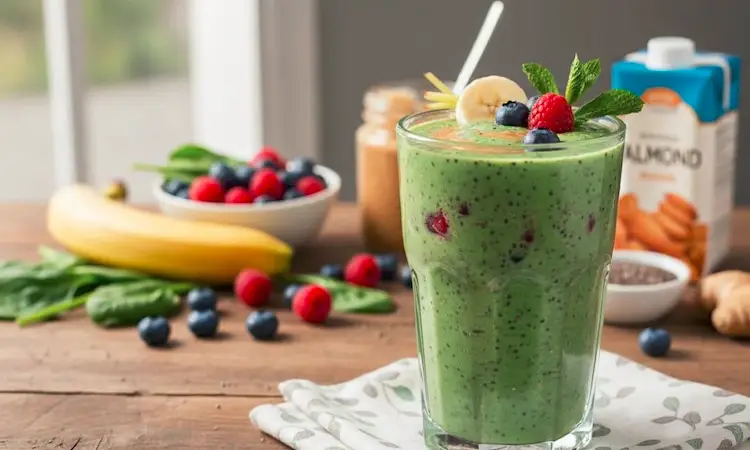
Dragging through the day can feel like you’re running on empty, even after coffee. When you want a simple fix, a smoothie for tiredness and low energy can help, as long as it’s built to keep you steady, not spiking and crashing an hour later.
The big mistake is making it all fruit and juice. That tastes great, but it often acts like a sugary drink. A better energy smoothie has a balance of fiber + protein + healthy fat, so your body gets fuel that lasts.
Of course, smoothies aren’t magic, they work best when you also look at what’s draining you. Common culprits include not enough sleep, dehydration, low iron, ongoing stress, and blood sugar swings from skipping meals or eating mostly refined carbs.
In this post, you’ll get practical recipes you can make fast, plus a simple build-your-own formula you can repeat all week. There’s also a short troubleshooting guide to help you adjust based on your symptoms (like afternoon crashes, brain fog, or feeling hungry right after drinking it).
Weight Loss Programs
Diet & Weight Loss
Diet & Weight Loss
Diet & Weight Loss
The Underground Fat Loss Manual – Hidden Strategies for Weight Management
Diet & Weight Loss
Why you feel tired and how a smoothie can help
Feeling wiped out usually isn’t about “low willpower.” It’s often a fuel problem, a hydration problem, or a recovery problem. A well-built smoothie can help because it’s fast, easy to digest, and simple to balance with protein, fiber, and healthy fats so your energy feels steady instead of shaky.
The big energy drains: poor sleep, dehydration, stress, and skipped meals
Poor sleep leaves your brain and body running on a partial charge. Even if you “get through” the day, focus and mood often slip first. A smoothie won’t replace sleep, but it can reduce the extra drag from under-eating in the morning.
A simple sleep reset that works for real life:
- Keep a 10-minute wind-down (dim lights, phone away, brush teeth, same order every night).
- If you wake up tired, aim for a smoothie with protein (Greek yogurt, milk, soy milk, or protein powder) to keep you from crashing mid-morning.
Dehydration is sneaky. When you’re low on fluids, you can feel foggy, headachy, and tired, even if you’re eating fine. Smoothies help because they count toward fluids, and you can add extra liquid without thinking about it.
Quick hydration fix: drink a full glass of water earlier in the day (right after waking or with your first meal), not only once you feel thirsty.
Stress burns through mental energy and can mess with appetite. Some people skip meals, others snack on quick carbs, both can lead to that drained, wired feeling. A smoothie is a good “minimum effective meal” when you don’t feel like cooking.
Quick stress reset: take a 10-minute walk after lunch or mid-afternoon. It’s short, but it often improves alertness.
Skipped meals set you up for low blood sugar, irritability, and overeating later. If mornings are chaotic, treat your smoothie like breakfast, not a drink on the side. Include a protein anchor (Greek yogurt, cottage cheese, tofu, or protein powder) so it actually holds you over.
For more on common fatigue triggers, see Mayo Clinic’s overview of fatigue causes.
Blood sugar spikes and crashes: why fruit-only smoothies can backfire
A fruit-only blend can act like dessert in a cup. Picture this: juice + banana + honey. It tastes great, hits your bloodstream fast, and you feel “up” briefly, then an hour later you’re hungry again, tired, and hunting for snacks.
Now compare that to a balanced smoothie: whole berries + Greek yogurt + chia + spinach + milk. It digests slower, keeps hunger quieter, and feels more like steady fuel.
To prevent the spike-then-crash effect:
- Add protein: Greek yogurt, kefir, soy milk, or a scoop of protein powder.
- Add fiber and fat: chia or ground flax are easy and don’t change flavor much.
- Use whole fruit and limit juice: choose berries, mango, or half a banana; use water or milk instead of juice.
This is a common mistake dietitians point out in smoothie habits, including how it can affect energy and cravings (Business Insider).
Nutrients tied to energy: iron, B12, vitamin D, magnesium, and folate
Sometimes tiredness comes from running low on key nutrients that support oxygen delivery, nerve function, and muscle recovery.
Food-first ways to support them in a smoothie for tiredness and low energy:
- Iron and folate: spinach, pumpkin seeds, hemp seeds, white beans, and fortified cereals (yes, some blend well).
- Vitamin D: dairy milk or fortified plant milks.
- Magnesium: nuts and seeds (almond butter, chia, flax), plus oats.
If you’re tired all the time, get dizzy often, or have heavy periods, it’s worth asking a healthcare professional about labs (common ones include iron/ferritin, B12, thyroid, and vitamin D). Ongoing, unexplained fatigue deserves a real check-in, not just another smoothie.
What to put in a smoothie for tiredness and low energy (the simple formula)
When you’re exhausted, you don’t need a “perfect” smoothie. You need one that acts like a small meal and keeps your energy steady. The simplest way to do that is to build your smoothie for tiredness and low energy around three anchors: fiber + protein + healthy fat. Think of it like a campfire, fiber is the slow-burning log, protein is the solid base, and fat helps it burn longer.
The steady-energy formula: fiber + protein + healthy fat
Use this as your repeatable template. The numbers are optional, just a guide so you don’t end up with a fruit-only sugar rush.
1) Fiber (fruit, veg, and slow carbs)
- Aim for: 1 to 1.5 cups fruit and or veggies total
- Optional add-in: 1 to 3 tbsp oats (or 1 to 2 tbsp ground flax)
Why it helps: fiber slows digestion, which helps avoid the quick spike and crash. It also adds “staying power” so you don’t feel hungry 45 minutes later.
2) Protein (your “hold-you-over” anchor)
- Aim for: 20 to 30 g protein
- Easy options:
- Greek yogurt or kefir (about 3/4 to 1 cup)
- Milk or soy milk (1 to 1.5 cups, plus other protein sources)
- Protein powder (1 scoop)
- Dairy-free swap: soy yogurt or silken tofu
Why it helps: protein supports steady blood sugar and improves fullness, so you’re not hunting for snacks right after.
3) Healthy fat (the long-burn booster)
- Aim for: 1 to 2 tbsp seeds or nut butter
- Options: chia seeds, almond butter, peanut butter, hemp hearts, or 1/4 avocado
Why it helps: fat slows how fast your smoothie leaves your stomach, which can keep energy smoother, especially if you tend to crash mid-morning or mid-afternoon.
A simple “build” example
- 1 cup milk (dairy or soy)
- 1 cup frozen berries
- 1 big handful spinach
- 3/4 cup Greek yogurt
- 1 tbsp chia seeds
Blend, taste, adjust thickness with more liquid.
Budget swaps that still work
- Use frozen fruit instead of fresh
- Buy store-brand oats and chia
- Use plain yogurt and add your own fruit, it’s often cheaper than flavored
Best energy-boosting ingredients and why they work
These are easy, proven smoothie add-ins that support steady energy without making your blender complicated.
- Spinach: adds iron, magnesium, folate, and vitamin C, which support oxygen delivery and normal energy metabolism (and you usually can’t taste it).
- Banana: gives quick carbs plus fiber and potassium, which can help when you feel drained or you worked out.
- Almond butter: adds protein and healthy fats, plus magnesium, great for making a smoothie feel like real fuel.
- Chia seeds: high in fiber and omega-3s, they also absorb liquid and can help your smoothie feel more hydrating and filling.
- Oats: slow carbs that thicken the texture and help energy last longer (a small amount goes a long way).
- Berries: packed with antioxidants and fiber, and they add sweetness with less sugar than many fruits.
- Kefir or Greek yogurt: easy protein plus a creamy texture, kefir also adds probiotics if your stomach feels off.
If you want a ready-made combo using several of these, this banana spinach power smoothie is a solid reference point for portions.
Gentle caffeine options: matcha and coffee (and when to skip them)
Caffeine can help, but it works best when it’s part of a balanced smoothie, not the whole plan.
Matcha (milder, steadier feel for many people)
Matcha contains caffeine plus L-theanine, an amino acid that many people find makes focus feel smoother. It’s a good choice when you want a lift without feeling sharp or shaky (especially paired with protein). For more on why matcha can feel different, see The Science of Caffeine: Why Matcha Powers You Differently.
Coffee (stronger and faster)
Coffee hits harder and faster for most people. If you’re using coffee in a smoothie, keep the rest of the recipe steady with protein and fiber so you don’t get the “wired then tired” effect.
Timing tips
- Best window: morning to early afternoon
- Try to avoid caffeine late in the day if sleep is already an issue, since poor sleep can keep the fatigue loop going.
When to be cautious or skip
- Pregnancy
- Strong caffeine sensitivity
- Anxiety or panic symptoms
- Heart palpitations
- Ongoing sleep problems
How to reduce jitters
- Don’t use caffeine on an empty stomach
- Add protein (Greek yogurt, soy milk, protein powder)
- Keep added sugar low
Avoid these energy mistakes: too much added sugar, not enough protein, and using juice as the base
If your smoothie gives you a quick high, then a slump, it’s usually one of these issues. The fixes are simple and don’t require “diet rules.”
Mistake: too much added sugar (honey, syrup, flavored yogurt)
- Quick fix: use frozen fruit for sweetness
- Add flavor without sugar: cinnamon, vanilla extract, or unsweetened cocoa
- Start with less sweetener than you think, you can always add a little later
Mistake: not enough protein
- Quick fix: add Greek yogurt, kefir, soy milk, tofu, or a scoop of protein powder
- A good tell: if you’re hungry soon after, you likely need more protein and or fiber
Mistake: using juice as the base
- Quick fix: swap juice for milk, soy milk, kefir, or water
- If you love the taste of juice, use just a small splash for flavor, then fill the rest with a protein-friendly liquid
For a practical breakdown of why some “healthy” smoothies still leave you hungry, this EatingWell guide is helpful: Why You’re Still Hungry After Your ‘Healthy’ Smoothie.
5 quick smoothie recipes for low energy (with easy swaps)
When your energy feels like a phone stuck at 8 percent, you don’t need a complicated plan. You need a smoothie for tiredness and low energy that blends fast, tastes good, and actually holds you over.
Each recipe below takes about 5 minutes, uses everyday ingredients, and follows the steady-energy basics: fiber + protein (when possible) + healthy fats. Use frozen fruit to make it cold and thick without ice watering it down.
Green Energy Smoothie (spinach, banana, almond butter, chia)
Ingredients (1 large smoothie)
- 1 cup unsweetened almond milk (or milk of choice)
- 1 packed cup baby spinach
- 1 medium banana (fresh or frozen)
- 1 tbsp almond butter
- 1 tbsp chia seeds
- Optional: 1/2 tsp cinnamon, pinch of salt
Blend Add the liquid first, then everything else. Blend 45 to 60 seconds until completely smooth.
Why it helps Spinach brings iron-rich greens, banana adds potassium for that drained feeling, and almond butter plus chia add healthy fats + fiber so energy feels steadier, not jittery.
Easy swaps
- Nut butter: peanut butter or sunflower seed butter
- Seeds: ground flax instead of chia
- More protein: use soy milk instead of almond milk (it adds more protein without changing the flavor much)
If you want more ideas for using greens without the “salad in a cup” taste, this guide on why spinach works so well in smoothies is a helpful reference.
Matcha Morning Smoothie for focus (matcha, banana, peaches, chia)
Ingredients (1 smoothie)
- 1 cup milk of choice (dairy milk, soy milk, or oat milk)
- 1/2 to 1 tsp matcha powder
- 1 small banana (preferably frozen)
- 1 cup frozen peaches
- 1 tbsp chia seeds
- Optional: 1/2 cup Greek yogurt for more protein, or 1 scoop vanilla protein powder
How to prevent matcha clumps Mix the matcha into the milk first (shake in a jar, whisk in a cup), then pour into the blender. If you skip that step, just blend an extra 20 to 30 seconds.
Blend Blend until creamy, about 60 seconds. Add a splash more milk if it’s too thick.
Why it helps Matcha gives a gentle lift for many people, and pairing it with fruit plus chia can feel smoother than caffeine alone. It’s a solid “focus smoothie” when you’re dragging but still need to think clearly.
Caffeine timing and how to cut it
- Best earlier in the day, especially if sleep is already shaky.
- To reduce caffeine: use 1/2 tsp matcha, or skip matcha and add cinnamon or vanilla instead.
Swaps and add-ons
- Dairy-free: use soy milk or oat milk, plus a plant-based yogurt
- Protein boost: add 1 scoop protein powder, or 3/4 cup Greek yogurt
For more matcha smoothie inspiration (and flavor combos that work), see Matcha.com’s smoothie recipe roundup.
Berry Nut Boost Smoothie (berries, kefir or yogurt, nut butter, optional spinach)
Ingredients (1 smoothie)
- 3/4 cup plain kefir or plain Greek yogurt
- 1/2 cup milk or water (add more as needed)
- 1 1/2 cups mixed frozen berries
- 1 tbsp peanut butter or almond butter
- Optional: 1 packed cup baby spinach
- Optional: 1 to 2 tsp honey (only if needed)
Blend Start with kefir or yogurt and liquid, then add berries and nut butter. Blend 45 to 60 seconds until thick and smooth.
Why it helps This one is a workhorse. Kefir or Greek yogurt adds high-quality protein, and berries bring antioxidants plus fiber, which is helpful when you want energy without a sugar spike.
Easy swaps
- Nut-free: pumpkin seed butter or sunflower seed butter
- Lactose-free option: lactose-free kefir or lactose-free Greek yogurt, or use a dairy-free yogurt plus a scoop of plant protein
- Lower-sugar tip: use more raspberries and blackberries (they’re often less sweet than strawberries)
Tropical Green Iron Smoothie (pineapple, spinach, avocado, yogurt, seeds)
Ingredients (1 smoothie)
- 3/4 cup plain Greek yogurt (or soy yogurt)
- 3/4 cup water or milk of choice
- 1 cup frozen pineapple
- 2 packed cups baby spinach
- 1/4 avocado
- 1 tbsp hemp seeds or pumpkin seeds
- Optional: squeeze of lime
Blend Blend liquid plus yogurt first, then add pineapple, spinach, avocado, and seeds. Blend 60 seconds until silky.
Why it helps Pineapple brings vitamin C, which can support iron absorption from plant foods like spinach. The avocado and seeds make it creamy and more filling, which helps when low energy comes with “I’m hungry again” an hour later.
For a deeper explanation of pairing vitamin C with iron-rich ingredients, this iron-rich smoothie example using pineapple and greens shows the same idea in action.
Easy swaps and tips
- Lower-sugar: use 1/2 cup pineapple, add 1/2 cup cucumber, and keep the spinach at 2 cups
- Avocado swap: use 1/2 cup silken tofu for creaminess plus extra protein
- Dairy-free: use soy yogurt or coconut yogurt, and add 1 scoop plant protein if you want it more filling
Coffee Protein Breakfast Smoothie (coffee, banana, milk, protein, flax)
Ingredients (1 smoothie)
- 3/4 cup chilled brewed coffee (regular if you tolerate caffeine)
- 3/4 cup milk of choice (dairy or soy works best for protein)
- 1 frozen banana (sliced before freezing)
- 1 scoop protein powder (whey or plant-based)
- 1 tbsp ground flaxseed
- Optional: 1 tbsp cocoa powder or 1/2 tsp cinnamon
Blend Blend everything 45 to 60 seconds until thick and frosty.
Why it helps This is a higher-protein option that works well as breakfast. The protein and flax help slow digestion, so the coffee feels less like a quick spike and more like steady fuel.
Simple prep that makes it fast
- Freeze peeled banana slices in a bag, they blend in seconds.
- Brew coffee ahead and chill it, hot coffee melts your smoothie fast.
Caffeine-free option Use decaf coffee or a roasted chicory beverage instead of regular coffee.
Swaps
- Plant-based protein swap: use pea protein or a blended tofu base if you prefer whole foods
- Dairy-free: use soy milk and plant protein, you’ll still get a creamy texture
If you like the coffee-and-banana combo but want more variations, this coffee banana protein smoothie is a useful reference for flavor ideas and texture tweaks.
Make it work for your life: timing, prep, and troubleshooting energy crashes
The best smoothie for tiredness and low energy is the one you can stick with. That comes down to timing it when you actually need it, prepping so it takes minutes (not willpower), and making small tweaks when you still feel wiped out. Think of your smoothie like a dimmer switch, not an on off button, the goal is steadier energy, fewer crashes.
Best times to drink an energy smoothie (morning, afternoon slump, pre-workout)
Morning (as breakfast): prioritize protein + staying power.
If your mornings are busy, this is where smoothies shine. Aim for 20 to 30 g protein so it functions like a real meal, not a sweet drink. Good anchors include Greek yogurt, kefir, soy milk, silken tofu, or protein powder. Add fiber (berries, oats, chia) and a bit of fat (nut butter, flax) so you do not feel hungry an hour later.
Afternoon slump (as a snack): keep it lighter and steadier.
Midday is when fruit-heavy blends can backfire. Try a smaller smoothie with more fiber, less fruit, and enough protein to take the edge off hunger. A simple approach: 3/4 cup milk (or soy milk) + 1 cup berries + handful of spinach + 1 tbsp chia. It is quick fuel that does not sit heavy.
Pre-workout (30 to 90 minutes before): emphasize carbs plus a little protein.
For training, carbs help you feel strong, and a little protein supports recovery. Keep fat and fiber moderate if your stomach gets sensitive during workouts. A practical combo: banana or mango + milk or yogurt + a pinch of salt (especially if you sweat a lot). If you want caffeine, timing matters. Many people sleep better with a caffeine cutoff of about 8 hours before bed, and a late “energy smoothie” can keep you tired the next day because sleep takes the hit. This breakdown on caffeine timing is a helpful reference:the best time to stop caffeine for better sleep
5-minute meal prep: freezer smoothie packs and grab-and-go add-ins
If you want smoothies to happen on real weekdays, set yourself up like you would for coffee: everything in place, minimal steps.
Here’s a simple routine you can do in 5 to 10 minutes for 4 to 6 packs:
- Wash and dry produce (especially greens), then portion fruit and spinach into freezer bags or containers.
- Build packs by “base + color + greens”:
- 1 to 1.5 cups frozen fruit
- 1 handful spinach (or kale if you like it)
- Optional: 1/4 avocado or 1/2 cup cucumber for texture
- Label with the date and what to add (example: “Add 1 cup milk + 3/4 cup yogurt”).
- Store seeds and nut butter separately, not in the freezer pack. They blend better fresh, and nut butter can glue things together when frozen.
- Keep shelf-stable extras in one spot: oats, chia, ground flax, cinnamon, cocoa, protein powder.
Food safety basics that matter: keep ingredients cold, freeze packs promptly, and do not leave dairy sitting out while you portion. If you want more freezer-pack ideas, this guide lays out a similar system: meal prep smoothies
Two quick “make it easier” tips:
- Add liquid first to the blender, then frozen pack, it prevents blade jams.
- If it is too thick, add 2 to 4 tbsp liquid and blend again. Do not over-pack frozen fruit.
If you still feel tired: simple tweaks that often help fast
If your smoothie tastes fine but your energy still tanks, treat it like troubleshooting a recipe. Small changes usually fix it.
- Still hungry later: add 10 to 20 g more protein (more Greek yogurt, soy milk, tofu, or half a scoop of protein powder).
- Crashy or shaky: reduce fruit a bit (example: go from 1.5 cups to 1 cup), and add fiber or fat (chia, flax, nut butter).
- Stomach upset: cut back on high-fiber add-ins, skip raw kale, and use lactose-free dairy or soy if dairy bothers you. Keep it simple for a few days.
- Headache or “flat” feeling: increase fluids, your smoothie counts, but you may still need water. Add a pinch of salt if you have been sweating.
- Post-sweat fatigue: try an electrolyte option (pinch of salt + citrus, or an electrolyte packet) after long workouts or hot days.
- Sleep feels worse: move caffeine earlier, or go decaf. Caffeine too late can create the same tired loop you are trying to fix.
When low energy is a red flag (and you should get checked out)
Smoothies can support energy, but they cannot solve everything. Get medical advice if you notice:
- Fatigue that lasts more than 2 to 3 weeks
- Dizziness, fainting, or frequent lightheadedness
- Shortness of breath, chest pain, or heart racing
- Sudden weakness or new exercise intolerance
- Depression symptoms that do not lift
- Heavy periods, especially with worsening tiredness
- Unintended weight loss
If you are dealing with ongoing fatigue, ask a clinician whether it makes sense to check iron (ferritin), vitamin B12, thyroid (TSH), and vitamin D. You deserve answers, not just another caffeine fix.
Conclusion
A smoothie for tiredness and low energy works best when it’s built like a small meal, not a sugary fruit drink. Keep your blend steady with protein (Greek yogurt, kefir, soy milk, tofu, or protein powder), plus fiber and healthy fat (chia, flax, oats, nut butter, avocado). That mix helps avoid the spike-and-crash cycle that can make you feel even more drained later.
This week, pick one recipe from above and make it twice, then adjust using the formula. Start simple: choose a base (milk, soy milk, kefir, or water), add a protein anchor, toss in seeds, then add greens like spinach for extra nutrients without much flavor change. If you want caffeine, keep it earlier in the day and pair it with protein to reduce jitters.
Thanks for reading, if fatigue is constant, severe, or paired with symptoms like dizziness, shortness of breath, heavy periods, or heart racing, get checked out. Your blender can support your energy, but it shouldn’t be your only plan.

The AnySmoothie team is all about smarter smoothie recipes made with whole-food ingredients. Everything we share centers on balanced nutrition, steady energy, and low-glycemic choices, so you can sip a smoothie that keeps you full, feels good, and helps you avoid sugar crashes.
- Disclaimer: This content is for educational use only. These smoothie recipes and nutrition details aren’t a substitute for medical advice from a licensed health professional. Please read our full Medical Disclaimer here.
Dietary Supplements

Dietary Supplements
Dietary Supplements
Dietary Supplements
Dietary Supplements
GlucoBerry – Daily Support for Healthy Blood Sugar and Energy