
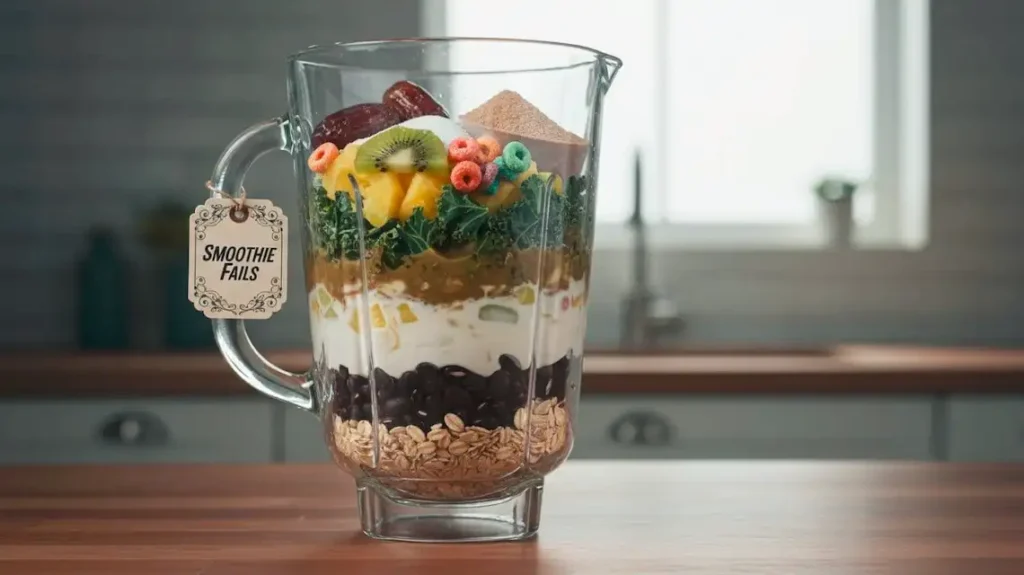
Smoothies look like the perfect healthy shortcut. Toss in some fruit, a scoop of something “good for you,” hit blend, and call it breakfast.
But if you do not think about what not to mix in a smoothie, you can end up with a sugar bomb, a curdled mess, or a drink that leaves your stomach tight and gassy instead of light and happy.
Weight Loss Programs
Diet & Weight Loss

Diet & Weight Loss
Diet & Weight Loss
Diet & Weight Loss
BellyFlush™ – Gut Cleanse and Digestive Detox for Weight Support
This quick guide walks through the most common mix mistakes and how to fix them with simple swaps you can use in your kitchen today.
Why It Matters What You Do Not Mix In a Smoothie
Not every healthy food plays nicely together in a blender. Certain combos can upset your stomach, spike your blood sugar, or turn your drink into something thick and chalky.
Even small changes, like swapping the liquid base or skipping one extra “boost,” can help you avoid common toxic smoothie combinations and keep your drink smooth, light, and satisfying.
What Not to Mix in a Smoothie: Common Ingredient Combos to Avoid
High Sugar Fruit With Sweetened Juice or Flavored Yogurt
Very sweet fruits, like mango, banana, pineapple, and grapes, already pack a lot of natural sugar. When you blend those with fruit juice or flavored yogurt, the sugar stacks up fast.
This can cause quick blood sugar spikes, then an energy crash that hits midmorning. Try using water, unsweetened plant milk, or plain yogurt instead. Balance sweet fruit with lower sugar choices like berries, cucumber, or a handful of spinach. For more ideas, check out these ingredients to avoid in a weight loss smoothie.
Dairy With Citrus Fruit That Can Curdle and Upset Your Stomach
Regular milk or some dairy yogurts can curdle when mixed with a lot of lemon, lime, or even certain amounts of pineapple and orange. The result is a grainy texture that tastes off and may sit heavy in your stomach.
Use dairy with mild fruits, such as banana, berries, or peaches. For sharp citrus smoothies, switch to water, coconut water, or unsweetened almond milk instead of regular milk.
Too Much Fiber at Once, Like Raw Kale, Oats, and Seeds Together
Raw kale, oats, chia seeds, and flax seeds are all healthy. The problem comes when you pile them all into one small glass, especially if your usual diet is low in fiber.
That fiber load can cause gas, bloating, or cramps. Pick one or two fiber rich add ins per smoothie, and start with small amounts. Drink water during the day so your body can handle the extra fiber more easily.
Protein Powder With Lots of Fats That Make a Heavy Smoothie
A scoop of protein powder, plus big spoonfuls of peanut butter, chunks of avocado, and coconut can turn a smoothie into a brick in your gut. It may keep you full, but also slow and sluggish.
Use a simple rule: go for either a protein focus or a healthy fat focus, not both at full strength. For a protein drink, pair protein powder with fruit and water or light plant milk. For a fat focused drink, use a small scoop of nut butter or seeds and skip the extra oil or coconut cream. You can find more common smoothie ingredients you should not use in this helpful guide.
Smart Swaps: How to Build a Better Balanced Smoothie
Keep things simple. Choose one main fruit, like banana or berries, and add a second fruit only if you need more flavor. Use plain liquid bases, such as water, unsweetened plant milk, or plain yogurt.
Limit extras to two or three items, for example one fiber add in and one protein source. Blend, taste, and adjust with a splash of liquid or a few ice cubes instead of tossing in more sugar.
Conclusion
When you know what not to mix in a smoothie, it gets easier to avoid sugar overload, heavy textures, and stomach issues. Small changes, like choosing plain yogurt or dropping one extra “superfood,” can make a big difference in how you feel after you drink it.
Next time you head for the blender, try one small swap from this list. Take a look at your favorite smoothie recipe and see if any of these problem combos show up, then tweak it so your glass works better for your taste buds and your body.
You might also like:
- How To Make a Smoothie at Home Easy
- Delicious Smoothies for Weight Loss
- Papaya Smoothie Recipe for Easy Mornings
Smart Smoothie FAQs: What Not To Mix In Your Blender
Can I mix dairy milk with citrus fruits in a smoothie?
You can, but it often leads to an odd texture.
Acidic fruits like orange, grapefruit, pineapple, and some berries can cause curdling when mixed with cow’s milk or some yogurts. It is safe to drink, but the smoothie may look separated and have tiny curds that feel grainy.
If you like citrus, use plant milks (almond, oat, soy, coconut) or just water and ice. These liquids stay smooth with sour or tangy fruits.
Are there ingredients that make smoothies too high in sugar?
Yes, and they add up fast.
A smoothie with juice, sweetened yogurt, honey, agave, and several fruits can stack up a lot of sugar, even if it is natural. That spike can lead to a crash later and does not keep you full for long.
Try to avoid mixing:
- Fruit juice plus several sweet fruits (like banana, mango, pineapple, grapes)
- Sweetened yogurt plus added sweeteners like honey or syrup
To balance sugar, add fiber and protein. For example, pair banana with peanut butter, chia seeds, or Greek yogurt, and water or unsweetened plant milk instead of juice.
Is it a bad idea to mix raw cruciferous veggies into smoothies?
Not always, but large amounts can bother some people.
Raw cruciferous veggies like kale, broccoli, cabbage, and cauliflower can cause gas or bloating for those with sensitive digestion, especially in large servings. Raw kale and raw broccoli also have compounds that can affect thyroid function if someone already has thyroid issues and eats a lot of them daily.
A few leaves of kale or a small handful of cauliflower rice is usually fine for most people. If you notice discomfort, use spinach, mixed greens, or lightly steamed cruciferous veggies, then cooled, instead of a big pile of raw ones.
What protein sources should I avoid mixing in one smoothie?
Avoid throwing in many dense protein sources at once.
Mixing protein powder, Greek yogurt, milk, nut butter, and seeds in a single drink can make it heavy and hard to digest. It may also add more protein and calories than you need in one sitting.
Pick one main protein and, at most, one light extra:
- Protein powder plus berries and spinach
- Greek yogurt plus a small spoon of chia seeds
- Peanut butter plus banana and oats
Simple blends hit your goals without feeling like a brick in your stomach.
Are there healthy fats that do not mix well together?
Healthy fats are good, but too many in one smoothie can cause issues.
Combining avocado, nut butter, seeds, full fat yogurt, and coconut oil in one drink can lead to stomach discomfort and a very high calorie load for a small snack. You might also get a greasy mouthfeel that many people dislike.
Choose one rich fat and keep the rest lean:
- Avocado with greens and fruit, no extra oils
- Peanut butter or almond butter with banana, skip the coconut oil
- Chia or flax seeds with berries and light yogurt, no nut butter
You will still get steady energy without feeling weighed down.
Is it okay to mix raw oats or grains into any smoothie?
Raw oats are common, but they do not pair well with every combo.
Raw rolled oats can make smoothies thick, chalky, or gummy, especially with banana and not much liquid. Steel cut oats stay gritty, so they are not great unless cooked first.
If you use oats:
- Use rolled oats, not steel cut
- Start with 1 to 2 tablespoons
- Add enough liquid so the blender can move easily
Skip raw grains like uncooked rice or quinoa. They are harsh on the blender and on your stomach.
Should I avoid mixing too many high fiber ingredients?
Yes, if you are not used to a lot of fiber at once.
Loading a smoothie with chia seeds, flax seeds, psyllium husk, oats, high fiber fruits, and raw veggies can cause bloating, cramps, and gas. This is more likely if you do not usually eat much fiber or you drink it fast.
A simple rule:
- Pick 1 or 2 high fiber add ins, like chia seeds and berries
- Drink enough water through the day
- Start small, then increase over time if you feel fine
Your gut will handle fiber better if you increase it slowly.
Are there flavor combinations that just do not work well in smoothies?
Some pairings taste muddy or harsh.
These mixes often disappoint:
- Strong herbs (like basil or cilantro) with chocolate or peanut butter
- Very strong greens (like arugula) with sour citrus
- Spices like curry powder or cumin with most sweet fruits
If you want bold flavors, try one accent at a time, like mint with chocolate, or ginger with mango, instead of mixing many strong flavors in a single drink.
Can I mix alcohol into a smoothie?
You can, but it is not ideal for a regular smoothie.
Alcohol can thin the texture, dull the fresh flavor of fruit, and may irritate your stomach when combined with lots of sugar or dairy. It also adds empty calories with no extra nutrition.
If you want a cocktail style drink, keep it obvious, like a strawberry rum smoothie for a party. For daily use, keep smoothies alcohol free so they stay hydrating and nourishing.
Are there supplements I should not toss into smoothies together?
Some stacks get too intense for your body.
Multiple stimulant type ingredients, like caffeine powder, strong green tea extract, and pre workout mixes, can raise heart rate and cause jitters if combined. Too many powdered supplements can also make texture gritty and flavor bitter.
Before you mix powders:
- Stick to one main supplement per smoothie
- Read labels to avoid duplicate ingredients
- Talk with a healthcare professional if you take medications
When in doubt, keep your smoothie focused on whole foods first, then add just one or two simple boosts.

The AnySmoothie team is all about smarter smoothie recipes made with whole-food ingredients. Everything we share centers on balanced nutrition, steady energy, and low-glycemic choices, so you can sip a smoothie that keeps you full, feels good, and helps you avoid sugar crashes.
- Disclaimer: This content is for educational use only. These smoothie recipes and nutrition details aren’t a substitute for medical advice from a licensed health professional. Please read our full Medical Disclaimer here.
Dietary Supplements
Dietary Supplements

Dietary Supplements

Dietary Supplements
Dietary Supplements
GlucoBerry – Daily Support for Healthy Blood Sugar and Energy