

A little stiffness when you get out of bed. A twinge when standing up after sitting too long. A hesitation before bending, squatting, or taking the stairs the way you used to.
Most people brush it off at first. They tell themselves it’s age, overuse, or just a bad week. But over time, those small signals turn into daily reminders that movement doesn’t feel as easy anymore.
And that’s when the frustration really sets in.
Why common joint fixes fall short
When joints start to feel uncomfortable or limited, the advice is almost always the same.
Stretch more.
Rest more.
Use temporary relief products.
Some people push through it. Others avoid movement altogether. Neither approach really solves the underlying issue.
Temporary fixes may dull discomfort for a while, but they don’t help joints feel supported day after day. And avoiding movement often makes things worse, leading to stiffness and loss of confidence in how your body moves.
What’s often missing is consistent support — something designed to work with the body instead of against it.
How Joint Genesis entered the picture
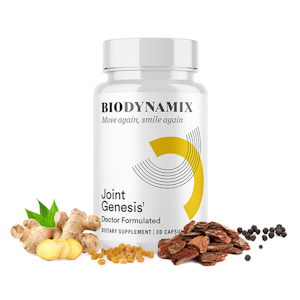
During a deep dive into mobility and joint support conversations, one name kept coming up quietly: Joint Genesis.
Not in loud advertisements. Not in dramatic claims.
Just mentioned by people who were tired of cycling through short-term solutions and wanted something they could stick with.
What stood out was how people talked about it. Not as a cure, but as something that helped them feel more comfortable moving again — gradually, realistically, and without forcing anything.
That made it worth a closer look.
The simple idea behind Joint Genesis
Joint Genesis is positioned around supporting joint comfort and mobility over time, not masking issues temporarily.
Instead of focusing on quick relief, it’s designed to support the structures involved in movement — the parts of the body that take the most wear from daily life.
The idea is straightforward: when joints are better supported, movement feels more natural, less guarded, and easier to trust again.
No pushing.
No forcing.
Just support.
What people notice as they keep using it
Most people don’t describe a dramatic moment where everything suddenly changes.
They describe moments like these:
Getting up from a chair without bracing themselves.
Feeling looser during morning movement.
Not thinking twice before walking longer distances.
It’s the absence of hesitation that stands out.
Joint comfort doesn’t need to be flashy. It just needs to be reliable.
Why Joint Genesis resonates with long-term users
Pros:
-
Supports everyday joint comfort and mobility
-
Encourages confidence in natural movement
-
Fits easily into a daily routine
-
Focuses on long-term support, not quick fixes
-
Often described as gentle and consistent
-
Appeals to people who want sustainable comfort
Addressing the hesitation many people have
It’s normal to feel skeptical. Joint products have been overpromised for years.
What makes Joint Genesis different isn’t bold claims — it’s how it’s used and talked about. People don’t expect overnight results. They approach it as daily support, and over time, they notice movement feels less restricted and more fluid.
That slower, steadier experience is often why people stick with it.
A pattern that keeps repeating
Across conversations and shared experiences, a similar theme shows up: Joint Genesis tends to attract people who are done chasing temporary relief.
They’re not trying to “fix” their bodies.
They’re trying to support them.
And for many, that shift in mindset makes all the difference.
When moving comfortably becomes a priority again
If joint stiffness or hesitation has quietly worked its way into your routine, Joint Genesis may be worth considering — not as a miracle solution, but as steady support.
The earlier you support your movement, the easier it is to maintain the lifestyle you enjoy.
Dietary Supplements

Dietary Supplements
GlucoBerry – Daily Support for Healthy Blood Sugar and Energy

Dietary Supplements

Dietary Supplements

Dietary Supplements