
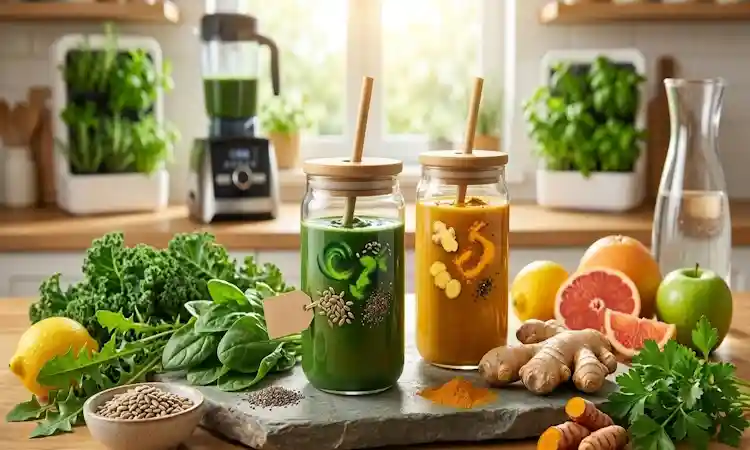
Most mornings don’t start with a spa soundtrack and a perfectly calm stomach. They start with sluggish energy, a little belly puffiness, and that “I should probably eat something” feeling. If you’re also dealing with irregular bathroom habits, breakfast can feel like a gamble.
When people say “detox,” they often mean they want to feel lighter and more regular. The truth is your liver already filters and processes what your body doesn’t need. What you can do is support that work with hydration, fiber, and nutrient-dense foods. That’s where a simple breakfast smoothie can help.
This smoothie for liver detox is not a cleanse, and it won’t “reset” your body overnight. Think of it as a supportive breakfast you can repeat. It’s easy, customizable, and built around digestion-friendly fiber, water-rich produce, and antioxidant-rich fruits and greens.
What “liver detox” really means, and how a smoothie can help digestion
Weight Loss Programs

Diet & Weight Loss
Diet & Weight Loss
Diet & Weight Loss

Diet & Weight Loss
Your liver is like a busy kitchen manager. It filters your blood, breaks down alcohol and medications, stores certain nutrients, and helps balance blood sugar. It also makes bile, a fluid that helps your body digest fats and absorb fat-soluble vitamins (A, D, E, and K). When bile flow is sluggish or your digestion is off, you can feel heavy after meals, especially after high-fat breakfasts.
Digestion and liver function connect in a simple way: what you eat gets processed in your gut, then absorbed and sent to the liver through the portal vein. If you’re constipated, you may feel more bloated and uncomfortable, even if nothing “toxic” is building up in a dramatic way. Regular bowel movements help you feel better day to day, and they often improve with more water and fiber.
A smoothie can help because it’s easy to drink, quick to digest, and naturally hydrating. You can pack in fiber (like ground flax or chia), water-rich produce (like cucumber), and micronutrients from greens and fruit. Compared with a heavy breakfast sandwich, a morning detox smoothie for liver health can feel gentler, especially if you wake up with low appetite.
One myth needs a quick cleanup: no drink can “flush toxins” overnight. Your liver and kidneys do steady work all day. For a grounded explanation, see Mayo Clinic Press on why you don’t need a detox.
A good “detox” smoothie doesn’t act like a drain cleaner. It supports the basics: hydration, fiber, and steady energy.
In other words, this smoothie is designed to hydrate you, add fiber, support regularity, and bring in antioxidants from plants.
Signs you might benefit from a gentler, fiber-rich breakfast
Some clues show up in everyday life. You might feel puffy or tight in your belly by mid-morning. You might also feel unusually heavy after breakfast, even when the portion isn’t large. Another common sign is irregular bathroom habits, like skipping days, straining, or feeling unfinished.
Low morning appetite can also matter. When you force a heavy meal too early, your stomach may push back. On the other hand, a very sweet breakfast can cause a crash later, which sometimes feels like “brain fog” or irritability.
If you have ongoing abdominal pain, yellowing skin or eyes, very dark urine, pale stools, fever, or unexplained weight loss, talk to a clinician promptly. Those aren’t “detox” problems, and a smoothie won’t fix them.
The gut-liver connection in simple terms
Your gut doesn’t work alone. After you digest food, nutrients and byproducts travel straight to the liver for processing. That’s part of why your gut and liver are often discussed together. When your gut barrier is irritated, or your diet is low in fiber, more inflammatory byproducts can reach the liver.
That doesn’t mean you should panic about one cookie. It does mean small habits add up. More fiber, more whole foods, and fewer ultra-processed meals can make digestion feel calmer. Fermented foods can help some people too, although they’re not a must.
If you want a quick overview of this “two-way conversation,” Johns Hopkins Medicine explains liver detox fact versus fiction. A smoothie can be one small daily habit that supports the gut side of that relationship.
Build the best morning smoothie for liver support with these simple ingredients
A great smoothie isn’t about stuffing 14 powders into a blender. It’s a simple formula you can repeat:
Liquid + greens + fruit + fiber + healthy fat + optional protein.
Start with a liquid that supports hydration. Water works. Unsweetened kefir, milk, or a fortified soy milk can add protein and a creamier texture. Next, add a handful of mild greens. Spinach blends easily and usually tastes neutral. If you like a peppery bite, arugula is another option, although it’s stronger.
Fruit adds taste and antioxidants, but portion matters. Berries are lower in sugar and high in polyphenols. Pineapple helps sweetness and masks “green” flavors. Banana makes it creamy, but a half is often enough.
Fiber is the digestion anchor. Ground flax, chia, or oats can help you feel satisfied and support regularity. Healthy fat (like avocado or a spoon of nut butter) can slow digestion just enough to keep energy steady, and it can make the smoothie feel like a real breakfast.
Protein is optional, but it’s often the difference between “I’m hungry again in an hour” and a steady morning. Greek yogurt, kefir, or a simple protein powder can work. This is especially helpful if you’re aiming for a breakfast smoothie for liver detox and gut health that keeps you full through meetings and commutes.
For a plain-English look at how gut health ties into fatty liver risk factors, WebMD’s gut-liver axis feature offers helpful context.
The core add-ins that matter most: fiber, bitter greens, and citrus
If you keep only three priorities, keep these.
Fiber helps move things along. Chia and ground flax soak up liquid and thicken smoothies, which can support regularity. Oats are another gentle choice, especially if you’re sensitive to seeds.
Bitter greens sound intense, but you don’t need much. A cup of spinach is mild. A small handful of arugula adds a sharper taste that some people love. These greens also bring folate and other micronutrients that support everyday metabolism.
Citrus, like lemon or lime juice, brightens the flavor and adds vitamin C. It can also make a “green smoothie for liver detox in the morning” taste fresher, even if you use plain water.
Ginger is optional, but many people find it settles the stomach. If you’re sensitive, start small, like a thin slice. The same goes for greens. Add less at first, then build up.
Common mistakes that can upset digestion (and easy fixes)
The biggest mistake is turning a smoothie into a fruit juice. Too much fruit can spike blood sugar, then drop it later. If you love banana, use half, then add berries for flavor. Protein also helps, especially if you tend to crash mid-morning.
Another issue is not enough liquid. A too-thick smoothie can sit heavy, and it’s harder to drink slowly. Add water gradually and blend longer. A full minute can make a difference, especially with chia and frozen fruit.
Powder overload is also common. A little protein powder can help, but stacking greens powder, collagen, “detox” blends, and herbal extracts can irritate digestion. Keep it simple for two weeks, then change one thing at a time.
Finally, some people bloat with lots of raw cruciferous veggies (like raw kale or broccoli). If that’s you, choose spinach, use smaller amounts, or lightly steam greens and chill them before blending.
Easy morning smoothie recipe for liver detox and digestion (plus 5 quick swaps)
This is an easy morning smoothie recipe for liver support that works on busy weekdays. It tastes bright, not grassy. It also avoids extreme ingredients that can backfire. You’ll get hydration, fiber, and a balanced sweetness, which is what most people actually need.
A few quick tips first: wash fresh produce, and use frozen fruit for a colder, thicker texture without ice. If you prep ingredients ahead, keep them cold and use clean containers.
If you like recipes from established food sites, Clean Eating Kitchen’s liver support smoothie is another option to compare flavors and textures.
Base recipe: a gentle green smoothie you can drink every day
This smoothie for liver detox is meant to feel easy on your stomach while still keeping you full.
Ingredients (1 large smoothie):
- 1 to 1.5 cups cold water or unsweetened kefir
- 1 cup baby spinach
- 1/2 cup cucumber (peeled if waxy)
- 1/2 banana or 3/4 cup frozen pineapple
- Juice of 1/2 lemon
- 1 tablespoon ground flax (or chia)
- 1/2-inch fresh ginger (optional)
- Pinch of cinnamon
- Optional protein: 1/2 cup plain Greek yogurt or 1 scoop protein powder
Directions (3 simple steps):
- Add liquids to the blender first, then add spinach and cucumber.
- Add fruit, flax (or chia), lemon, and any extras, then blend until smooth.
- Adjust thickness with more water, or add more frozen fruit for a thicker texture.
If you’re dairy-sensitive, skip kefir and use water or a non-dairy milk instead.
Five simple swaps for your needs (bloat, constipation, reflux, energy, low sugar)
For bloat, try reducing raw greens for a few days and focus on cucumber and berries. A few mint leaves can taste soothing. Use ginger carefully, since it helps some people and irritates others.
For constipation, add 2 tablespoons of oats plus 1 peeled kiwi. Also add more water, because fiber without fluid can feel worse. Give it a few days before judging results.
For reflux, skip citrus and ginger. Use pear for gentle sweetness, and keep oats in the mix for a calmer texture. Drinking it slowly also helps.
For energy, add protein and a little fat. Greek yogurt plus 1 tablespoon peanut butter (or almond butter) can keep you steady through a long morning. This version often feels like the best morning smoothie for liver cleansing, mostly because it prevents the crash that makes you reach for more coffee.
For lower sugar, use berries as your main fruit. Add 1/4 avocado for creaminess, and keep banana small or skip it. The taste is still good, just less sweet.
Change only one or two things at a time, so you can tell what actually helps.
Make it a real habit, timing, prep, and when to be careful
Timing matters less than consistency. Some people do best drinking this with breakfast, alongside eggs or toast. Others use it as breakfast on busy days. If you often feel hungry soon after, add protein (Greek yogurt, kefir, soy milk, or protein powder). That small shift can improve energy and reduce snack cravings later.
Prep can also make or break the habit. If you’re rushing, you’ll skip it. Keep a “smoothie shelf” in your fridge or pantry with flax, cinnamon, and a few go-to ingredients. Frozen fruit usually saves money and reduces waste.
Safety notes are simple but important. Avoid grapefruit if you take medications that interact with it (many statins and other meds do). If you use blood thinners, sudden big increases in vitamin K (from lots of greens) may matter, so keep portions steady. People with diabetes should watch fruit portions and pair with protein. Kidney disease can require limits on potassium-rich foods (like bananas and avocado). If you’re pregnant, be cautious with supplements and “detox” herbs.
For a deeper look at how gut and liver health connect in more serious liver conditions, VCU’s overview of the gut-liver-brain connection adds helpful context.
The goal is a repeatable breakfast, not a perfect recipe. Consistency beats intensity.
Simple prep plans that save time (without losing nutrients)
Freezer packs are the easiest method. Portion spinach, cucumber, and fruit into bags, then freeze. In the morning, dump a pack into the blender, add water or kefir, then blend. Pre-washed greens also save time, and they’re worth it if it helps you stick with the habit.
You can store a blended smoothie in the fridge for up to 24 hours in a sealed jar. It may separate, so shake it well. Flavor stays best when it’s cold and fresh, especially with lemon.
For smoother texture, blend greens and liquid first, then add frozen fruit and flax. Cleanup is faster if you rinse right away. A two-minute trick also works: blend warm water with a drop of dish soap, then rinse.
Who should check with a clinician before making this a daily routine
If you have known liver disease, gallbladder problems (especially gallstones), or chronic pancreatitis, ask your clinician before making high-fiber smoothies a daily staple. The same goes for kidney disease, since potassium and fluid needs can change.
People with diabetes who use insulin or glucose-lowering meds should also check in, because fruit portions and timing can affect blood sugar. If you take anticoagulants, keep your greens consistent and ask about vitamin K.
IBS, reflux, and food sensitivities matter too. Ingredients like kefir, citrus, and chia can trigger symptoms for some people. Finally, anyone with new, severe, or worsening symptoms should get evaluated instead of trying to “smoothie” their way out of it.
Conclusion
A morning smoothie can support digestion and liver health, but it isn’t magic. Your liver already does the filtering, so the real win is supporting your body with hydration, fiber, and steady nutrition. Start with the base recipe for 1 to 2 weeks, then adjust one ingredient at a time based on how you feel.
If you want a simple next step, prep one freezer pack tonight. Follow this smoothie guide tomorrow morning, then pay attention to how your stomach feels by lunch. After all, small habits you can repeat tend to shape your day.

The AnySmoothie team is all about smarter smoothie recipes made with whole-food ingredients. Everything we share centers on balanced nutrition, steady energy, and low-glycemic choices, so you can sip a smoothie that keeps you full, feels good, and helps you avoid sugar crashes.
- Disclaimer: This content is for educational use only. These smoothie recipes and nutrition details aren’t a substitute for medical advice from a licensed health professional. Please read our full Medical Disclaimer here.
Dietary Supplements
Dietary Supplements
Cardio Slim Tea – Daily Support for Heart Health and Weight Management
Dietary Supplements
Dietary Supplements

Dietary Supplements