
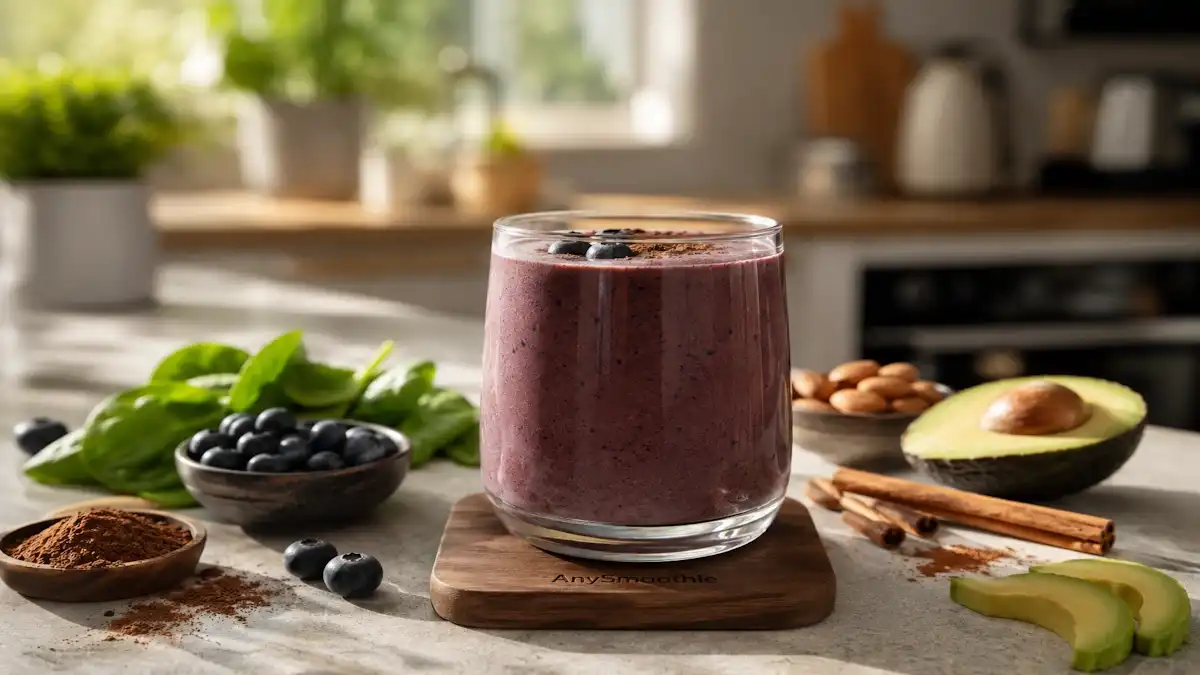
Metabolic switching is the body’s habit of changing fuel sources based on what you eat and when you eat it. One hour you may run mostly on glucose, and later you may lean more on stored fat.
Smoothies make that rhythm easier to fit into a normal day. When they are built with protein, fiber, and smart fats, they can work as a simple breakfast or meal-support option. Oxaloacetate is the ingredient that gets special attention here, and the focus below is on energy pathways, not medical claims.
What metabolic switching means, and where oxaloacetate fits in
The basic idea is flexibility. After meals, glucose is the easiest fuel, so the body uses it first. As time passes between meals, and as activity picks up, the body can shift toward fat use for energy. A clear overview of that fuel shift appears in this review on the metabolic switch.
Oxaloacetate sits inside the Krebs cycle, which is part of how cells turn nutrients into usable energy. That makes it interesting for people who want to support natural metabolic pathways without turning every meal into a project. The goal is simple, keep the body supplied with the right pieces so energy flow stays smooth.
How your body changes fuel sources during the day
After breakfast or a carb-heavy meal, glucose is the fast lane. Insulin helps move it into cells, and that fuel is easy to access.
Later, when meals are spaced out, the body looks more toward stored fat. A walk, a workout, or even a longer gap between meals can nudge that shift. The point is not to force a switch. The point is to make the switch easier.
Why oxaloacetate is linked to energy metabolism
Oxaloacetate is a small molecule with a big role. It helps keep the Krebs cycle moving, so it belongs right in the middle of cellular energy metabolism.
Because of that, oxaloacetate is being explored in metabolic support routines. It fits best when the rest of the recipe is balanced, since protein, fiber, and fat all help the smoothie work like food, not candy.

What makes a smoothie work for metabolic switching support
A good smoothie here should feel like a small meal. That means enough protein to slow digestion, enough fiber to keep the texture thick, and enough fat to make the drink satisfying. Low-glycemic fruit gives flavor without pushing the blend into dessert territory.
Timing matters too, because a morning smoothie plays a different role than a post-workout one.
The balance looks clearer in a side-by-side view.
| Ingredient | Main role | Best use case | Flavor impact | Metabolic support angle |
|---|---|---|---|---|
| Protein powder or Greek yogurt | Adds protein and satiety | Breakfast or post-workout | Mild and creamy | Helps slow digestion |
| Chia or flax | Adds fiber and thickness | Any time you want more fullness | Slightly nutty | Helps keep sugar movement steadier |
| Nut butter | Adds fat and richness | When you need longer-lasting fuel | Deep, savory-sweet | Helps the smoothie feel like a meal |
| Berries | Adds flavor with less sugar | Morning or midday | Bright and fresh | Keeps fruit sweeter without going overboard |
| Oxaloacetate | Supports energy metabolism | Daily routine blends | Usually neutral | Fits inside a balanced fuel-support drink |
A smoothie works best when it feels like a meal, not a dessert.
The best smoothie ingredients for steady energy
Leafy greens add volume without much sugar. Spinach blends in easily, while kale brings more bite. Berries are the easiest fruit fit for most recipes.
Chia, flax, and hemp hearts add texture and slow the pace. Unsweetened almond milk, coconut milk, or water keeps the drink from getting too rich. Greek yogurt, whey, collagen, or a plant protein can round out the blend.
When to drink a metabolic switching smoothie
Breakfast is the simplest slot, especially if you want a meal that does not sit heavy. Post-workout is another smart time, because protein and a modest amount of carbs can fit recovery without turning the drink into a sugar hit.
A smoothie can also replace a rushed lunch. In each case, timing shapes fullness, energy, and how soon you need your next meal.
3 Metabolic switching smoothie recipes with oxaloacetate
Use the serving size on the label for oxaloacetate. Keep the rest of each recipe simple, so the flavor stays easy to repeat.
Small mistakes that can turn a good smoothie into a sugar bomb
Too much fruit is the most common slip. So is skipping protein or fiber. Sweetened yogurt, juice, and flavored plant milks can push a smoothie toward dessert fast.
A huge portion does the same thing, even when the ingredients look clean. For oxaloacetate products, read the label with care. Clear ingredient lists, simple serving sizes, and third-party testing when available all matter.
How to keep sweetness in check without losing flavor
Cinnamon, vanilla, lemon zest, ginger, and unsweetened cocoa add a lot of flavor. Frozen berries taste sweeter than fresh ones, so they help without extra sugar. If you want more body, use chia or avocado instead of another banana.
What to look for in an oxaloacetate supplement
Look for transparent labels and a clear serving size. Simpler formulas are easier to use because you can tell what is doing the work. Third-party testing is a plus if the brand provides it.
Conclusion
Metabolic switching smoothies with oxaloacetate work best as a routine, not a fix. Keep the fruit modest, keep the protein steady, and let fiber and healthy fats do their job.
Start with one recipe you would actually drink twice a week. Then notice how full you feel, how long the energy lasts, and which flavors keep the habit easy to repeat. That kind of consistency matters more than chasing a perfect blend.
🛡️ Safety Notes & Dietary Interactions
- Oxaloacetate Should Not Replace Core Habits: Oxaloacetate is only one part of a broader energy-support routine. Sleep quality, protein intake, physical activity, hydration, stress management, and overall diet quality remain the primary drivers of metabolic flexibility.
- Be Careful With Supplement Stacking: If an oxaloacetate product already contains additional metabolic-support ingredients, combining it with multiple supplements may create unnecessary complexity. Read labels carefully and understand exactly what each product provides.
- Watch Hidden Sources of Sugar: Fruit juice, sweetened yogurts, flavored milks, syrups, and oversized fruit portions can quickly turn a balanced smoothie into a high-sugar drink. Protein, fiber, and healthy fats help create a steadier nutritional profile.
- Discuss Supplement Use When Appropriate: Individuals who are pregnant, breastfeeding, managing metabolic conditions, taking prescription medications, or following medically supervised nutrition plans should seek personalized guidance before adding new supplements.
FAQ
What is oxaloacetate and why is it connected to metabolic switching?
Oxaloacetate is a naturally occurring molecule involved in the Krebs cycle, the cellular pathway that helps convert nutrients into usable energy. It is discussed in metabolic flexibility conversations because it participates in core energy metabolism processes that help cells utilize available fuel sources.
Do oxaloacetate smoothies increase fat burning?
No smoothie can directly force the body into fat burning. Metabolic switching depends on factors such as meal timing, activity levels, overall energy balance, sleep quality, and nutritional habits. Oxaloacetate smoothies are intended to support balanced nutrition rather than guarantee any specific metabolic outcome.
Why do protein, fiber, and healthy fats matter in these smoothies?
These nutrients help create a steadier energy experience. Protein supports satiety, fiber slows digestion, and healthy fats contribute fullness. Together, they help a smoothie function more like a meal instead of a rapidly digested sugary drink.
What is the biggest mistake people make with metabolic switching smoothies?
The most common mistake is building the smoothie primarily around fruit while neglecting protein and fiber. A smoothie that contains mostly fruit may taste great, but it often provides less staying power and can leave you hungry sooner.
When is the best time to drink an oxaloacetate smoothie?
Many people prefer these smoothies at breakfast, after exercise, or as a structured lunch replacement on busy days. The ideal timing depends on personal routine and preferences. Consistency and overall dietary patterns generally matter more than choosing a specific hour of the day.

Medical Disclaimer: AnySmoothie content is for educational purposes only and is not a substitute for professional medical advice. Consult a healthcare provider for personalized guidance. See our full Disclaimer & Terms of Use. AI Transparency: AnySmoothie may use AI to support content development. All content undergoes human editorial review for accuracy, clarity, and editorial quality. See our full AI Transparency.