
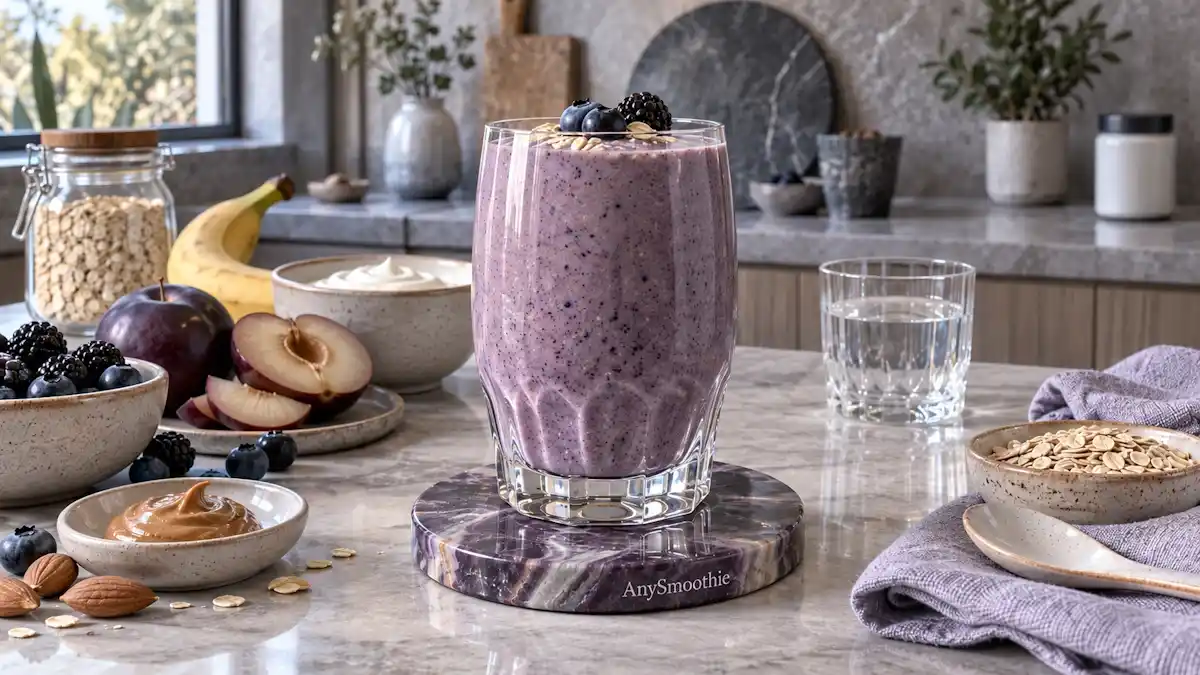
A smoothie can make a supplement easier to take consistently by improving flavor and fitting it into a familiar breakfast or snack routine. Still, a lithium orotate smoothie guide starts with an important limit: blending a supplement with food does not change its dose, safety profile, or need for professional guidance.
The smoothie is only a food vehicle. Use it to keep preparation simple, then pay close attention to the label, ingredients, hydration, and any health factors that could affect use.
Before Adding Lithium Orotate to Your Smoothie
Lithium orotate is a dietary supplement that combines lithium with orotic acid. It is different from prescribed lithium medicines, yet it should never be treated as risk-free or assumed to be appropriate for everyone.
A smoothie does not make lithium safer, more effective, or easier for every person to use. It only changes the way you consume it. Before starting or changing use, talk with a qualified health professional, especially if you have kidney, thyroid, heart, or electrolyte concerns.
Human evidence specific to lithium orotate remains limited, and questions about how it behaves compared with other lithium salts are still being studied. A recent PubMed discussion of lithium orotate pharmacology highlights why supplement-specific claims should be interpreted cautiously.
Why fluid balance matters
The kidneys regulate lithium levels by filtering and reabsorbing substances from the blood. Because of that process, changes in hydration and electrolyte balance can affect how the body handles lithium.
Dehydration, vomiting, diarrhea, heavy sweating, or major changes in salt intake deserve extra caution. Keep your normal fluid habits steady rather than using a smoothie to compensate for low daily water intake.
For a separate food-focused look at maintaining fluid intake during disrupted routines, hydration smoothies for frequent travelers covers practical hydration-oriented blends.
Review medicines and labels first
Prescription medicines and supplements can affect kidney function or fluid balance. NSAIDs, diuretics, ACE inhibitors, and certain blood pressure medicines need special review with a clinician. An NIH review of lithium interactions describes how medicines that alter renal function can affect lithium clearance.
Read the product label before opening the blender. Check the elemental lithium amount per serving, serving instructions, expiration date, storage details, and any third-party testing claims. A low number on the front label doesn’t replace careful review of the full Supplement Facts panel.
People following kidney-specific dietary restrictions may need additional attention to smoothie ingredients themselves. smoothies for kidney health discusses a separate food-planning context involving potassium and phosphorus.

3 Lithium Orotate Smoothies
Any supplement amount must follow the product label and a clinician’s guidance. Never add lithium orotate to a shared pitcher, because each person’s serving size could become unclear.
These recipes are food and flavor ideas only. Protein, fiber, healthy fats, and fluids can make a smoothie more filling while supporting normal physiological systems through regular nutrition.
Berry yogurt smoothie
Ingredients
- 3/4 cup plain Greek yogurt
- 1 cup frozen mixed berries
- 1 tablespoon ground flaxseed
- 1/2 cup milk or unsweetened soy milk
- Ice as needed
Steps
Add the milk first, followed by the Greek yogurt, berries, and ground flaxseed. Blend until smooth, adding ice as needed for texture.
The berries bring brightness, while yogurt gives the blend a thicker texture.
If dairy is an issue, use an unsweetened plant-based yogurt with a comparable protein amount. Check flavored products for added sugar.
Estimated Nutrition per Serving
- Calories: ~270 kcal
- Protein: ~23 g
- Carbohydrates: ~34 g
- Fat: ~6 g
- Fiber: ~8 g
- Sugars: ~22 g
Estimate uses plain nonfat Greek yogurt and low-fat dairy milk.
If I wanted the simplest repeatable version, I’d keep the same yogurt and milk each time rather than frequently switching between dairy and plant-based alternatives.
Banana peanut butter smoothie
Ingredients
- 1 small banana
- 1 cup milk or fortified soy milk
- 1 tablespoon peanut butter
- 1 tablespoon oats
- A handful of ice
- Cinnamon, optional
Steps
Add the milk first, followed by the banana, peanut butter, oats, and ice. Blend until smooth. Add cinnamon if desired.
Cinnamon works well if you want more flavor without sweeteners.
This base is creamy and mild, which can help cover the taste of an unflavored powder. Peanut is a common allergen, so choose sunflower seed butter if needed.
Estimated Nutrition per Serving
- Calories: ~310 kcal
- Protein: ~14 g
- Carbohydrates: ~41 g
- Fat: ~11 g
- Fiber: ~4 g
- Sugars: ~25 g
Estimate uses low-fat dairy milk and peanut butter.
Green mango smoothie
Ingredients
- 3/4 cup frozen mango
- 1 packed cup baby spinach
- 1/2 cup plain kefir or yogurt
- 1 tablespoon chia seeds
- 1/2 cup water
Steps
Add the water and kefir first, followed by the spinach, mango, and chia seeds. Blend until completely smooth.
Mango balances the mild bitterness that leafy greens can add.
Kefir and yogurt contain dairy, while chia thickens quickly after blending. Drink this version soon after preparation so it doesn’t become overly gelatinous.
Estimated Nutrition per Serving
- Calories: ~195 kcal
- Protein: ~7 g
- Carbohydrates: ~29 g
- Fat: ~6 g
- Fiber: ~7 g
- Sugars: ~20 g
Estimate uses plain low-fat kefir.
How to Choose a Lithium Orotate Smoothie Routine and Compare Options
Use a clean blender and measure food ingredients consistently. Prepare one serving at a time, then drink it soon after blending. Refrigeration can slow spoilage, but fresh smoothies change in texture and separate quickly.
Keep meals and hydration regular. A smoothie should not replace medical care, monitoring, or balanced meals across the day.
For additional preparation and storage considerations, smoothie storage and micronutrient stability covers another make-ahead smoothie context.
| Smoothie base | Flavor, protein, and fiber profile | Common allergens | Best use case | Key caution |
|---|---|---|---|---|
| Berry yogurt | Tart, creamy, high protein, moderate fiber | Milk | A breakfast-style smoothie | Choose unsweetened yogurt |
| Banana peanut butter | Mild, rich, moderate protein and fiber | Peanut, milk | A thicker afternoon snack | Watch peanut allergies |
| Green mango | Bright, lightly tangy, moderate protein, higher fiber | Milk, chia | A fruit-forward green blend | Chia thickens after blending |
The best option is the one you can prepare accurately and tolerate comfortably. More ingredients do not mean better support for natural pathways.
Compare the product, not the marketing
Before buying or using a lithium orotate product, review these basics:
- Confirm the elemental lithium amount per labeled serving.
- Read the serving instructions and avoid creating your own dosing plan.
- Look for independent testing or a clear quality-testing statement.
- Check the complete ingredient list for fillers, flavorings, and allergens.
- Find batch or lot details, an expiration date, and transparent manufacturer contact information.
- Stop use and seek professional advice if you notice concerning or unusual changes after taking a supplement.
Interaction risks deserve attention even when a product is sold as a supplement. For example, diuretics can raise lithium levels by reducing the amount the kidneys remove, which is why medication review matters before starting.
A consistent smoothie recipe can simplify food preparation, but it cannot correct an unsuitable product, unclear serving instructions, or an interaction risk.
Conclusion: A Practical, Cautious Routine
A lithium orotate smoothie is a convenient food format, not a safety strategy or treatment. Keep the recipe simple, verify the supplement label, and use consistent food portions and hydration habits.
Talk with a qualified health professional before starting or changing use, particularly if medicines or health conditions could affect kidney function or fluid balance. Keep lithium orotate away from children, don’t share prepared servings, and seek prompt medical advice for concerning reactions.
🛡️ Safety Notes & Dietary Interactions
- Lithium Is Not Risk-Free: Lithium orotate still provides elemental lithium, so supplement status does not make it harmless. Do not exceed labeled use, improvise doses, or assume mixing it into food reduces systemic exposure or toxicity risk.
- Medication Interactions: NSAIDs, diuretics, ACE inhibitors, ARBs, and other medicines that affect kidney function, sodium balance, or fluid status may alter lithium handling. Regular medication use should be reviewed with a pharmacist or clinician before taking lithium orotate.
- Hydration and Illness: Dehydration, heavy sweating, vomiting, diarrhea, fever, or major changes in sodium intake can alter how lithium is handled by the body. Pause self-experimentation and seek professional guidance when illness or fluid losses disrupt your normal routine.
- Kidney and Thyroid Considerations: Lithium exposure can be particularly relevant for people with kidney, thyroid, cardiovascular, or electrolyte problems, as well as during pregnancy or breastfeeding. These situations warrant individualized medical guidance rather than routine supplement use.
FAQs
Does mixing lithium orotate into a smoothie make it safer to take?
No. A smoothie may make the supplement easier to consume or mask its taste, but it does not reduce the amount of elemental lithium taken or remove interaction and toxicity risks. The food format should therefore be treated as a convenience only, not as a method of making lithium orotate inherently safer.
Why is the elemental lithium amount more important than the total product weight?
Lithium orotate products may list the compound weight prominently, while the physiologically relevant amount is the elemental lithium delivered per serving. Products can therefore appear similar while providing different lithium amounts. Check the Supplement Facts panel carefully and avoid comparing products solely by the larger number printed on the front label.
Can I prepare several lithium orotate smoothies at once for the week?
It is better to prepare and measure one supplemented serving at a time. Adding lithium orotate to a large shared batch can make individual doses uncertain if portions are unequal or the mixture separates. Regular smoothie ingredients can be pre-portioned separately, while the supplement should remain individually measured according to professional and label guidance.
What should I do if I become dehydrated while taking lithium orotate?
Do not try to compensate simply by adding more liquid to the smoothie. Vomiting, diarrhea, heavy sweating, fever, or significant dehydration can change lithium handling and may increase risk. Contact an appropriate healthcare professional for guidance, particularly if you also take medications affecting kidney function, blood pressure, or fluid balance.
What symptoms should make me stop using lithium orotate and seek medical advice?
New or concerning nausea, vomiting, diarrhea, worsening tremor, unusual weakness, marked drowsiness, confusion, poor coordination, or other neurological changes deserve prompt medical attention, especially if they follow dehydration or a dosing change. Because lithium toxicity can become serious, unusual symptoms should not be managed by simply adjusting the smoothie recipe.

Medical Disclaimer: AnySmoothie content is for educational purposes only and is not a substitute for professional medical advice. Consult a healthcare provider for personalized guidance. See our full Disclaimer & Terms of Use. AI Transparency: AnySmoothie may use AI to support content development. All content undergoes human editorial review for accuracy, clarity, and editorial quality. See our full AI Transparency.