

You finally commit to weight loss, then a new worry pops up: loose, saggy skin. It can feel unfair when you work so hard and still do not love what you see in the mirror.
While you cannot control every change in your skin, you can learn how to avoid loose skin after weight loss as much as possible. Smart habits can make loose skin less likely, and when it does happen, less noticeable.
Weight Loss Programs
Diet & Weight Loss

Diet & Weight Loss
Diet & Weight Loss

Diet & Weight Loss
This post walks through how slow weight loss, strength training, skin care, and daily healthy choices all work together to support tighter, firmer skin and long-term weight management.
Understand Why Loose Skin Happens When You Lose Weight
Before changing your habits, it helps to know what is going on with your skin.
Skin is like a stretchy suit that covers your body. When that suit has to stretch a lot for a long time, it may not snap back right away when your body gets smaller due to impacts on skin elasticity. Some people see only mild sagging. Others see more folds and looseness, including excess skin, especially after large weight loss.
You cannot fully predict who will have loose skin. Still, you can support your skin so it has a better chance to adjust as your body changes.
How weight loss changes your skin and collagen
Your skin is made of layers that include proteins called collagen and elastin. These help your skin stay firm and stretchy.
When you gain weight, your skin stretches to cover the extra fat. If that extra weight sticks around for years, the collagen fibers in your skin can weaken. When you then lose weight very fast, the skin sometimes hangs because it did not have time to tighten or rebuild collagen.
If you lose weight at a slower, steady pace, your skin often has more time to adapt, shrink with you, and restore collagen.
Risk factors that make loose skin more likely
Some things make loose skin more likely:
- Significant weight loss
- Rapid weight loss
- Older age
- Genetics
- Smoking
- Heavy sun damage
You cannot change your age and genetics. You can protect your skin from the sun, avoid smoking, eat well, and lose weight at a steady pace. These healthy habits put you in a better position to reduce loose skin. For more background, you can read about loose skin causes on WebMD.
Smart Weight Loss Habits To Help Prevent Loose Skin
Now that you know the basics, you can focus on habits that help your skin keep up with your weight loss. These smart habits promote skin health and contribute to sustainable weight management.
Lose weight slowly instead of crash dieting
Crash diets promise fast results, but your skin often pays the price. Gradual weight loss gives your skin more time to adjust to your new size through steady fat loss.
Many health sources suggest that losing around 1 to 2 pounds per week is a safe and realistic pace. This is a helpful guide, not a strict rule. When you focus on steady progress, you support your body and your skin. If you are wondering how to avoid loose skin after losing weight without extreme steps, gradual weight loss is one of the best moves you can make. You can also check practical tips on Health.com’s guide to avoiding loose skin when losing weight.
Build muscle with strength training to fill out your shape
Strength training can change how your body looks under the skin. When you gain muscle through building muscle mass, your shape looks firmer and more toned, which can make loose skin less obvious.
You do not need a gym to start. Simple exercises like squats, pushups, lunges, or resistance band rows all count. Aim to work your major muscle groups with this exercise a few times a week. Think of it as giving your skin a stronger frame to sit on.
Prioritize diet and hydration for skin health
Water helps your skin stay plump and flexible. Sip water through the day instead of only chugging it when you feel thirsty.
Your food matters too. Helpful choices include:
- Adequate protein intake for building collagen and muscle (chicken, eggs, beans, Greek yogurt)
- Vitamin C for collagen production and support (oranges, berries, bell peppers)
- Healthy fats like fish, nuts, seeds, and olive oil for softer, more elastic skin
For more ideas on food, hydration, and skin support, you can review the tips on Knownwell’s guide to decreasing loose skin naturally.
Simple Skin Care Tips To Support Tight, Firm Skin
Skin care will not erase loose skin, but it can support skin tightening to help your skin feel and look healthier while your body changes.
Build a simple skin care routine
You do not need a complex routine. A few simple habits can go a long way to promote skin health:
- Keep your skin moisturized with a gentle lotion or cream, which helps support skin elasticity.
- Avoid very hot showers, which can dry and weaken your skin.
- Gently exfoliate once in a while with a soft cloth or mild scrub to remove dead skin.
- Consider topical treatments, such as those with retinoids, to encourage skin renewal.
- Protect your skin from the sun with clothing, hats, or sunscreen when you are outside.
These steps support softer, more elastic skin, which may help it bounce back better as you lose weight.
Know when loose skin is normal and when to see a doctor
After large weight loss, some loose skin is normal. It often keeps changing for 6 to 18 months as your body settles at its new size.
If excess skin causes rashes, pain, or strong emotional stress, talk with a doctor or dermatologist. They can check your skin, look for any problems, and discuss medical options. Non-surgical treatments may help in many cases, such as microneedling, radiofrequency therapy, or ultrasound therapy. For severe cases, non-surgical treatments or surgical procedures like abdominoplasty for body contouring might be recommended.
Conclusion
Learning weight management to avoid loose skin after weight loss starts with healthy, steady habits, not quick fixes. Gradual progress, strength training, hydration, good food, and basic skin care all support your body and your skin. Remember that better health matters more than perfect, tight skin. Give your body time, stay patient with the process, and choose one small habit from this list to start this week. Your future self will be glad you did.
You might also like:
- How Many Carbs A Day Do You Need To Eat To Lose Weight
- Delicious Smoothies for Weight Loss
- Weight Loss Tips You Can Actually Stick With
Practical FAQs About Avoiding Loose Skin After Weight Loss
How fast should I lose weight if I want to avoid loose skin?
Slow and steady loss gives your skin more time to adapt.
Most people do best keeping weight loss to about 0.5 to 2 pounds per week. Faster loss, like from crash diets or extreme cardio, often leads to more loose skin because you lose muscle along with fat.
If you have a lot of weight to lose, focus on:
- A small calorie deficit, not a huge one
- Keeping protein high
- Strength training while you lose
The goal is to lose fat while you keep as much muscle as possible. That gives your skin more structure and often makes it look tighter.
Is loose skin inevitable after major weight loss?
Not always, but it is common, especially after large or very fast weight loss.
How your skin responds depends on:
- How much weight you lose
- How long you carried extra weight
- Age and genetics
- Smoking history and sun damage
- Nutrition, hydration, and muscle mass
Some people see their skin shrink back a lot over 1 to 2 years. Others have folds that never fully tighten on their own. You can improve the odds, but no one can fully control how their skin behaves.
Does strength training really help with loose skin?
Yes, it can make a big difference in how your body looks after weight loss.
When you lose weight without lifting, you tend to lose muscle and fat together. That often leaves you smaller but softer, with more visible loose skin. Strength training helps you:
- Keep or build muscle under the skin
- Fill out areas that might look “deflated”
- Improve posture, which can reduce the look of sagging
Aim for 2 to 4 strength sessions per week, working major muscle groups (legs, glutes, back, chest, shoulders, arms, core). You do not need heavy bodybuilding numbers; consistent, progressive training matters more.
How much do age, genetics, and starting weight affect loose skin?
They matter a lot, even if your habits are great.
- Age: Younger skin has more collagen and elastin, so it usually snaps back better.
- Genetics: Some people naturally have firmer, thicker skin; others have thinner, looser skin.
- Starting weight: The more your skin has been stretched, and the longer it stayed that way, the harder it is for it to bounce back.
You cannot change age or genetics, but you can support your skin with good habits: strength training, protein, hydration, sleep, and no smoking.
Can food, protein, and water intake help tighten skin?
They will not magically tighten loose skin, but they help your skin function at its best.
Protein supports collagen and muscle:
- Most people do well with about 0.7 to 1.0 grams of protein per pound of goal body weight, if kidneys are healthy.
- Spread it across meals so your body can use it well.
Hydration helps your skin look and feel better:
- A common guide is about 2 to 3 liters per day for most adults, more if you sweat a lot.
- Thirst, urine color (pale yellow), and how you feel are good guides.
Also, include foods rich in vitamin C, zinc, and healthy fats. These support skin health, but they will not fully fix very loose skin on their own.
Do creams, oils, or supplements actually tighten loose skin?
They can improve texture and dryness, but they rarely fix real loose skin from major weight loss.
Here is what they can and cannot do:
| Option | What it may help with | What it cannot do |
|---|---|---|
| Firming creams or lotions | Mild firmness, hydration | Remove large folds or heavy sagging |
| Oils (coconut, almond, etc.) | Dryness, itch, appearance | Tighten stretched skin long term |
| Collagen supplements | Joint comfort, minor skin support | Replace surgery or major tightening |
| Caffeine or retinol creams | Slight smoothing, texture | Dramatically lift hanging skin |
Use them if they make your skin feel better, but keep expectations realistic.
How long does it take for skin to tighten after weight loss?
Skin often keeps changing for 6 to 24 months after your weight stabilizes.
Some people see early improvement in a few months, then slower changes over time. You may notice:
- Skin feels less “empty” as you build muscle
- Folds soften a bit
- Overall appearance looks more “settled” after a year or so
If you are still uncomfortable with the amount of loose skin after at least 1 year at a stable weight, it may be time to talk with a board-certified plastic surgeon about options.
When is surgery the only real option for loose skin?
Surgery is usually the only way to remove large amounts of extra skin that hang or fold.
You might consider a consult if:
- Skin folds cause rashes or infections
- Clothing never fits right, even at a healthy weight
- You feel strong and lean but still have heavy, hanging skin
Common procedures include tummy tuck, arm lift, thigh lift, breast lift, or full body lift after massive weight loss. A surgeon can explain scars, risks, cost, and recovery so you can decide if it is worth it for you.
Does losing weight too quickly increase the risk of loose skin?
Yes, fast loss often means more loose skin.
Rapid diets, liquid diets, or extreme cardio can strip off weight fast, but you usually lose muscle along the way. Muscle helps fill out your shape and supports skin. Once it is gone, your body looks softer and skin looks looser.
A slower approach with strength training and enough protein might feel less dramatic, but it usually leads to a better long term result, both in health and appearance.
Do waist trainers, wraps, or “tightening” gadgets prevent loose skin?
They might change how you look while you wear them, but they do not prevent loose skin.
Waist trainers, plastic wraps, or “detox” wraps mostly:
- Move water around for a short time
- Compress tissue so your waist looks smaller for a few hours
- Can even weaken core muscles if you rely on them
They do not shrink fat cells or rebuild collagen. Your money and time are better spent on a good training plan, solid nutrition, and quality sleep.
What can I realistically do now to reduce loose skin as I lose weight?
You cannot control everything, but you can stack the odds in your favor. Focus on:
- Slow, steady weight loss instead of extreme diets
- Regular strength training for your whole body
- High protein intake, spread across meals
- Daily movement so blood flow to the skin stays strong
- Hydration, sleep, and stress management
- No smoking, and limit heavy sun exposure
You may still have some loose skin, especially after big weight loss, but these habits usually help you look fitter, feel stronger, and get the best result your body can offer.

The AnySmoothie team is all about smarter smoothie recipes made with whole-food ingredients. Everything we share centers on balanced nutrition, steady energy, and low-glycemic choices, so you can sip a smoothie that keeps you full, feels good, and helps you avoid sugar crashes.
- Disclaimer: This content is for educational use only. These smoothie recipes and nutrition details aren’t a substitute for medical advice from a licensed health professional. Please read our full Medical Disclaimer here.
Dietary Supplements
Dietary Supplements

Dietary Supplements

Dietary Supplements
Dietary Supplements
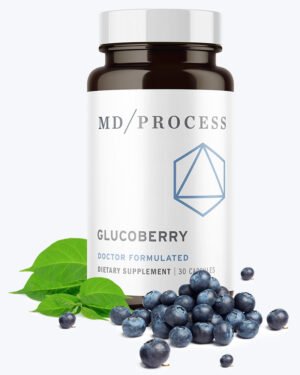
GlucoBerry – Daily Support for Healthy Blood Sugar and Energy