
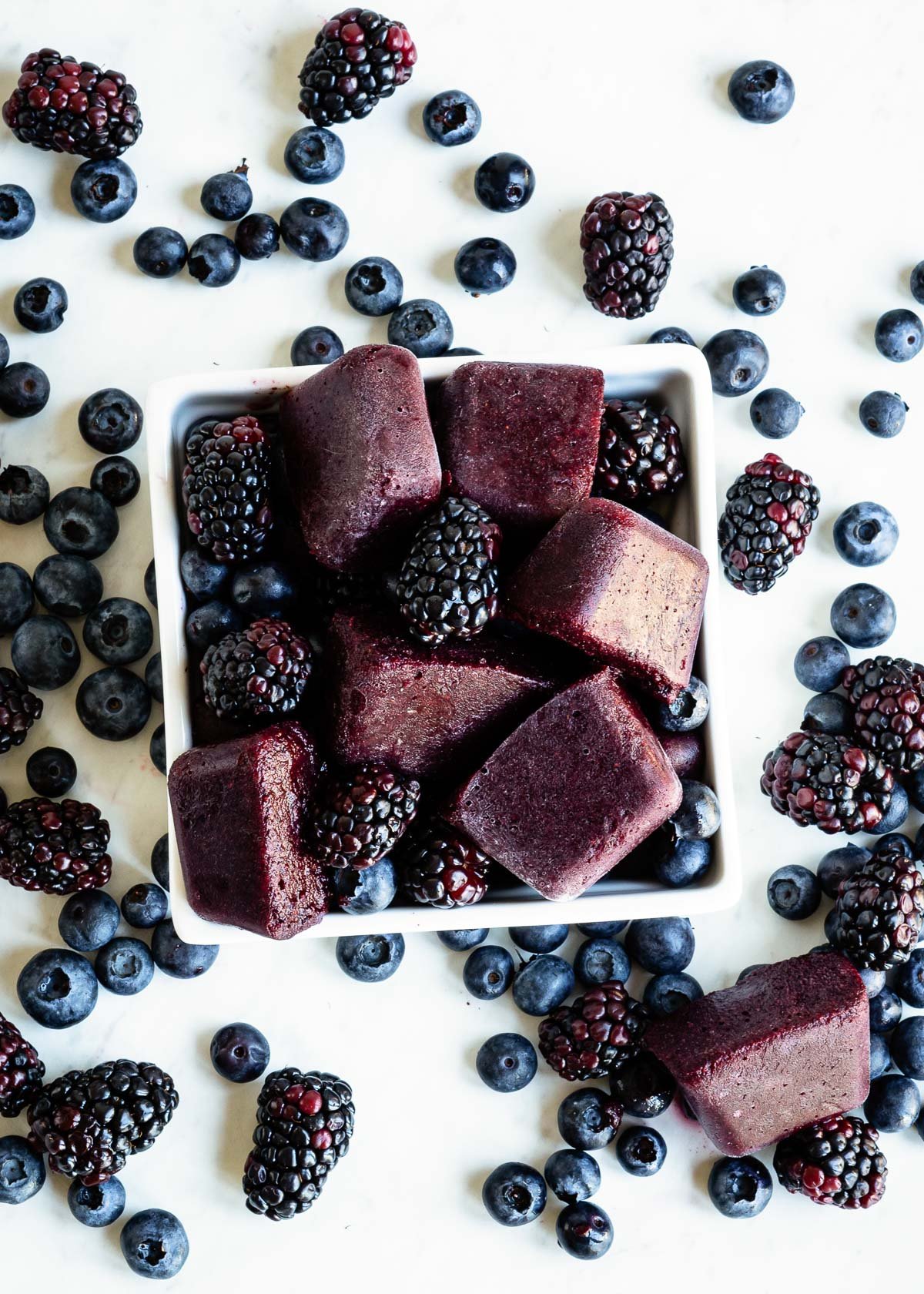
Elderberry Smoothie Cubes (A Freezer Shortcut for Busy Mornings)
Mornings can feel like a sprint. You want something fruity and satisfying, but washing berries, measuring ingredients, and cleaning a blender jar before school drop-off is a lot.
Elderberry Smoothie Cubes solve that problem with one simple prep session. They’re frozen cubes made from a thick smoothie base. When you’re ready to drink, you toss a few cubes into the blender, add your liquid, and blend.
Weight Loss Programs
Diet & Weight Loss

Diet & Weight Loss

Diet & Weight Loss
Diet & Weight Loss
They’re great for parents, meal preppers, and anyone tired of throwing away soft berries at the back of the fridge. In this guide, you’ll learn what to freeze, how to make cubes that blend smoothly, how to store them without weird freezer taste, and easy flavor ideas you’ll actually use.
What Elderberry Smoothie Cubes Are and Why You Will Love Them
Think of smoothie cubes as “smoothie starter packs” you make yourself. Instead of freezing whole fruit and guessing portions later, you blend a balanced mix first, then freeze it in a tray.
The taste is bright and fruity, often a little tart depending on your elderberry product. Once blended with milk, juice, or kefir, the texture turns smooth and creamy, not chunky.
Here’s why they’re worth the small upfront effort:
Faster smoothies: Your base is already blended, so mornings stay simple.
Better portion control: Grab the same number of cubes each time, no measuring.
Consistent flavor: No more “too banana” one day and “too sour” the next.
Less food waste: Overripe bananas and berries get used at their peak, not tossed.
Elderberry forms you can use (and a quick safety note)
Most people use one of these:
- Elderberry syrup (common, sweet-tart, concentrated)
- Cooked elderberries (home-cooked or from a reputable source)
- Store-bought elderberry puree
Safety matters here. Raw elderberries should not be eaten. Stick to cooked elderberries or prepared products meant for consumption. If you want deeper background on safe handling, Oregon State University Extension has a clear guide: Play it safe when preserving elderberries.
Best ingredients for great flavor and a smooth blend
Elderberry plays well with creamy, sweet fruits and a little acid for balance.
Banana or mango: Adds body and natural sweetness, helps prevent “icy” texture.
Yogurt or kefir (or dairy-free yogurt): Makes cubes blend into a milkshake-like texture.
Chia or ground flax (optional): Adds thickness, use a light hand.
Lemon juice: Brightens berry flavor, especially if yogurt is rich.
Pinch of cinnamon or ginger (optional): Gives warmth without overpowering.
Sweeteners are optional. If you need one, keep it simple: honey, maple syrup, or a pitted date. Also note that elderberry syrup is concentrated, so start small and adjust after tasting.
What you need to make smoothie cubes at home
You don’t need special gear, just a few basics:
- Blender
- Measuring cups and spoons
- Silicone ice cube tray or muffin tin
- Spatula
- Freezer bag or airtight container
- Labels (or masking tape and a marker)
Smaller cubes freeze faster. Bigger cubes are easier to portion. If you’re new to this, standard ice cube trays are the easiest place to start.
How to Make Elderberry Smoothie Cubes Step by Step
The goal is a thick, scoopable blend, not a thin smoothie. Thin mixes freeze into hard ice blocks that fight your blender.
- Pick your elderberry base. Syrup is the quickest; cooked elderberries or puree also work.
- Build a creamy backbone. Banana, mango, yogurt, or kefir will keep the cubes from freezing rock-solid.
- Blend until completely smooth. Gritty bits become “ice pebbles” when frozen.
- Taste before freezing. Frozen flavors dull a bit, so you want it slightly bolder than you’d drink right away.
- Freeze in a tray, then transfer. Once solid, pop cubes into a bag so the tray is free for the next batch.
Two common mistakes (and how to avoid them):
Mistake 1: Too much liquid in the base. Fix it by using less juice and more yogurt or banana before freezing.
Mistake 2: Overdoing elderberry syrup. Start with 2 tablespoons, then add more after tasting.
Simple base recipe, measured for one tray
This makes about 10 to 12 standard cubes, depending on your tray.
- 1 ripe banana (or 3/4 cup mango chunks)
- 1 cup mixed berries (fresh or frozen, thawed a few minutes if rock-hard)
- 1 cup plain or vanilla yogurt (or dairy-free yogurt)
- 2 to 4 tablespoons elderberry syrup (start at 2)
- 1 to 2 teaspoons lemon juice
- 1 teaspoon chia seeds (optional)
Blend until silky. Taste it. If it’s too tart, add a bit more banana or a drizzle of honey. If it’s too thick to pour into the tray, splash in 1 to 2 tablespoons of milk.
Freeze, store, and label so they do not taste like your freezer
Pour into your tray and tap it on the counter to release air bubbles. Freeze until solid, usually 4 to 6 hours.
Pop the cubes out and move them to an airtight bag or container. Press out as much air as you can. Label with the date and the flavor (you’ll thank yourself later).
For best texture, aim to use them within 2 to 3 months. If you want extra storage tips focused on elderberries, this resource is helpful: Food Safety Best Practices: Elderberry Freezing, Storage, and Holding.
Troubleshooting: too hard, too tart, too thick, or too icy
Too hard: Let cubes sit 2 to 3 minutes, then blend. Using more banana or yogurt next time helps.
Too tart: Add mango, peach, or a small drizzle of honey when blending, reduce lemon in the next batch.
Too thick to blend: Add more liquid, start with 1/4 cup, then increase as needed.
Too icy: Your base likely had too much juice or water. Add yogurt, banana, or a spoon of nut butter to soften the texture.
High-powered blenders need less liquid. Smaller blenders usually need more and a longer blend time.
How to Use Elderberry Smoothie Cubes (Plus Easy Flavor Ideas)
Once you have a bag of cubes in the freezer, you’ve already done the hard part. Now it’s just mix-and-match.
Quick smoothie formula: cubes plus liquid plus boost
A reliable starting point:
- 4 to 6 cubes (depending on tray size and how thick you like it)
- 3/4 to 1 cup liquid (milk, oat milk, coconut water, orange juice, or kefir)
Optional add-ins, choose one:
Spinach for a mild green boost, oats for staying power, protein powder for a more filling drink, nut butter for richness.
Elderberry pairs especially well with vanilla, citrus, and berry blends. If you want more inspiration for elderberry smoothie combos, this roundup is a good skim: 3 Elderberry smoothie recipes.
Flavor variations readers will actually make
Elderberry-Vanilla Berry: Use milk and a splash of vanilla, keep it classic.
Elderberry Orange Cream: Blend with orange juice plus yogurt for a creamsicle vibe.
Elderberry Mango Peach: Add mango or peach slices to soften tart notes.
Chocolate Elderberry: Add 1 teaspoon cocoa and half a banana for a richer taste.
Green Elderberry: Blend with spinach and pineapple for sweet balance.
Dairy-Free Coconut Elderberry: Use coconut milk and a handful of frozen cherries.
Make-ahead routine that sticks: freeze one tray on Sunday, pop cubes into a labeled bag, then repeat with a new flavor the next week.
Conclusion
Elderberry Smoothie Cubes turn smoothies into a grab-and-blend habit, not a whole project. You get quick breakfasts, less fruit waste, and a flavor you can keep consistent from one day to the next.
Start with the base tray recipe, then tweak one thing at a time (more mango, less lemon, different yogurt). This weekend, freeze a tray and stash a labeled bag in front of everything else. Future you, standing in the kitchen on a hectic morning, will be glad it’s there.

The AnySmoothie team is all about smarter smoothie recipes made with whole-food ingredients. Everything we share centers on balanced nutrition, steady energy, and low-glycemic choices, so you can sip a smoothie that keeps you full, feels good, and helps you avoid sugar crashes.
- Disclaimer: This content is for educational use only. These smoothie recipes and nutrition details aren’t a substitute for medical advice from a licensed health professional. Please read our full Medical Disclaimer here.
Dietary Supplements
Dietary Supplements
Dietary Supplements
ZenCortex – Daily Support for Brain Clarity and Hearing Health
Dietary Supplements
Dietary Supplements