
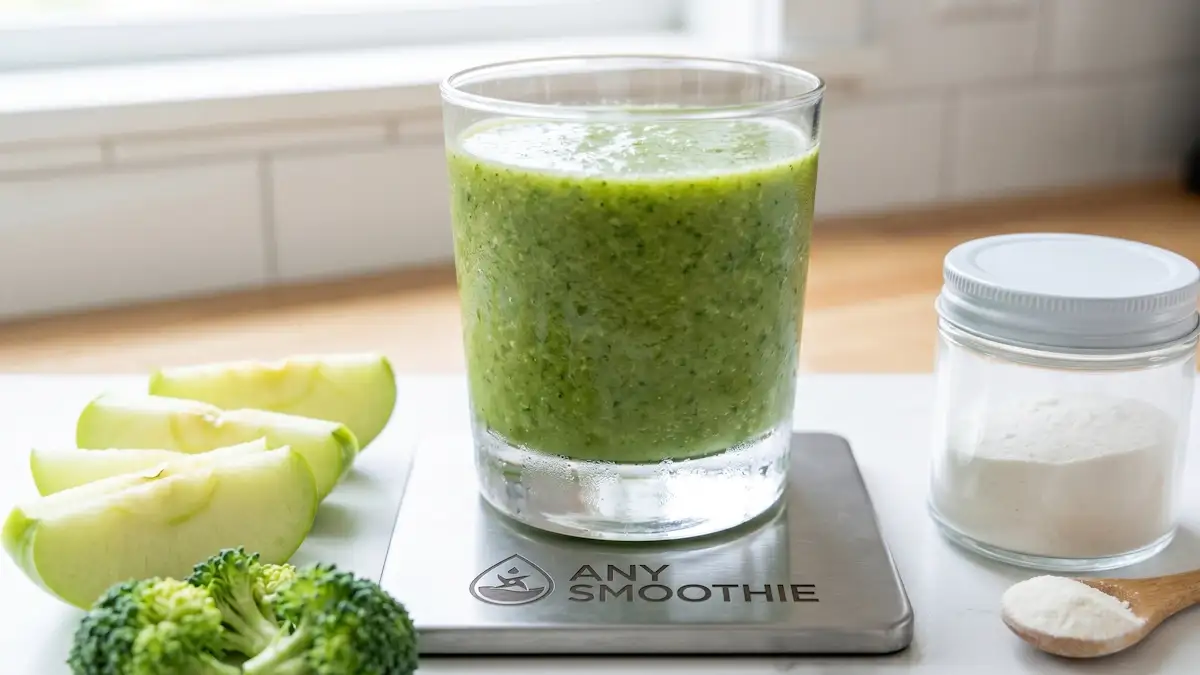
Glucuronidation is one of the liver’s clean-up steps. It helps tag waste, hormone byproducts, and other compounds so your body can move them out. That matters more than it sounds, because a slow exit can keep the cycle going.
A calcium D-glucarate smoothie for glucuronidation support is appealing because it fits into real life. You get fiber, fluid, and plant compounds in one habit, plus a practical way to pair food with a nutrient tied to gut and liver pathway support. The goal here is simple support, not a quick fix.
Phase II Detoxification: The Mechanics of Glucuronidation
Phase II detoxification is where the liver prepares certain compounds for removal. In glucuronidation, the liver attaches glucuronic acid to a substance, which makes it easier to carry out through bile or urine. That little tag changes the compound’s chemistry, almost like putting a shipping label on a box.
This matters because the body handles more than pollutants. Hormone metabolites, bilirubin, and some environmental compounds also pass through this pathway. Good clearance depends on the liver and the gut working together, so it makes sense to support the full route, not just one enzyme.
What glucuronidation does inside the liver
Inside the liver, UDP-glucuronosyltransferase enzymes bind glucuronic acid to unwanted compounds. The result is usually a more water-friendly molecule that can leave the body more easily. That is the whole point of the tag, to move material from “keep it circulating” to “send it out.”
A helpful way to think about it is labeling and shipping. The liver labels, then the body sends. When that process works well, metabolic cleanup feels less clogged.
Beta-glucuronidase and why re-absorption can happen
The gut can complicate the process. Beta-glucuronidase, an enzyme made by some gut microbes, can remove that glucuronide tag. When that happens, the compound may become easier to reabsorb instead of leaving the body.
That is where calcium D-glucarate gets attention. Research summaries on calcium D-glucarate and beta-glucuronidase describe its role in supporting this step, which helps keep the clearance pathway moving in the right direction.
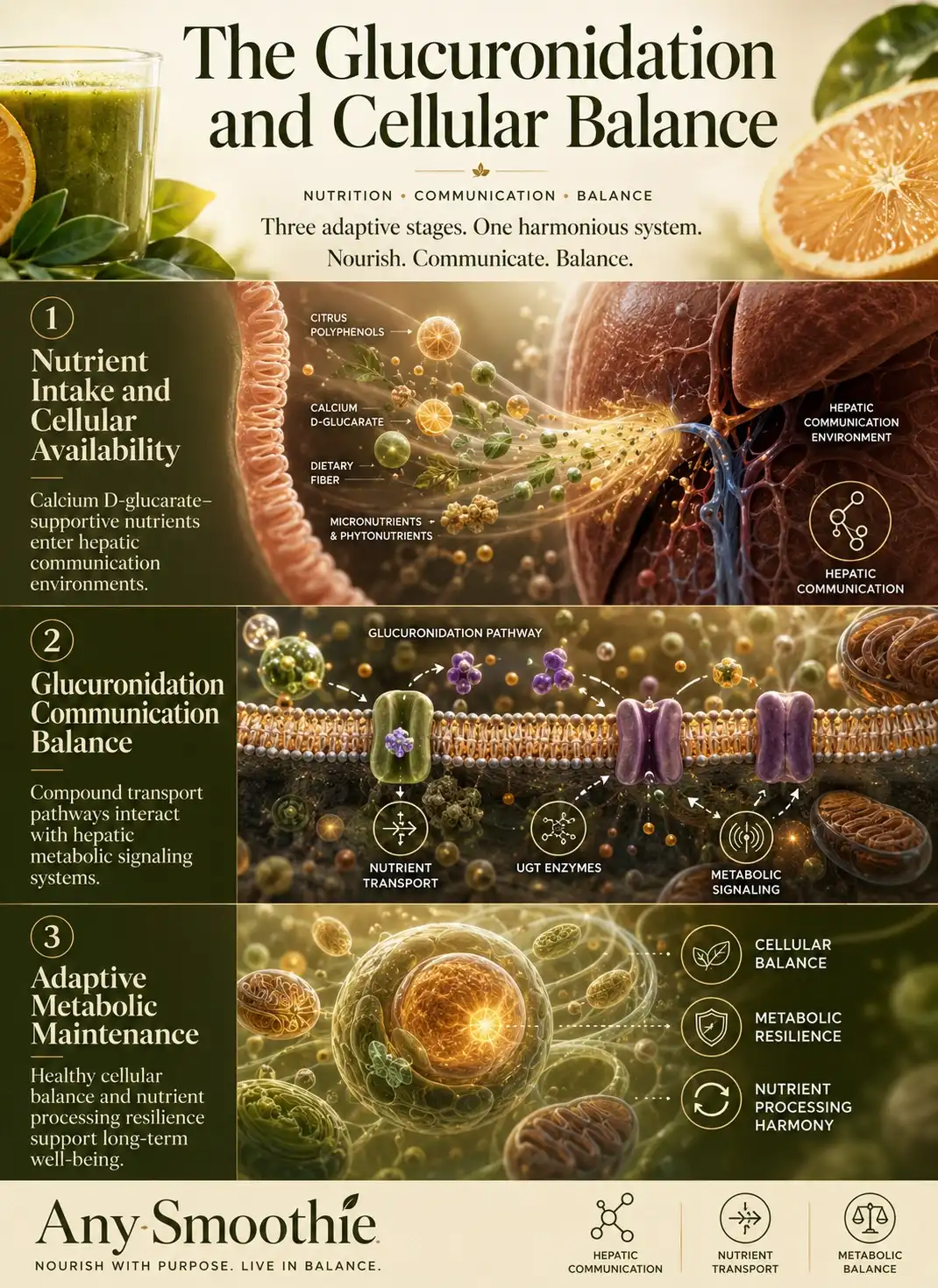
The D-Glucarate Shield: Inhibiting Enzyme-Driven De-conjugation
This is the key idea behind the smoothie approach. Calcium D-glucarate supports the inhibition of de-conjugation in the gut, which helps limit the recycling of tagged compounds. When the gut keeps those compounds moving, the liver does not have to keep processing the same material over and over.
The best support is boring in a good way, simple ingredients, repeatable timing, and enough fiber to keep things moving.
That is why the format matters. A smoothie gives you water, fruit, and fiber in one glass, and it makes daily use easy. It also lets you pair calcium D-glucarate with foods that support nutrient partitioning and metabolic efficiency without making the drink heavy.
The unique role of calcium D-glucarate in blocking re-cycling in the gut
Calcium D-glucarate is different from general liver-support ingredients because it is tied to the gut side of the loop. It helps reduce de-conjugation, so tagged compounds are less likely to be pulled back into circulation. That includes the broader concern of hormone clearance, since excess estrogen metabolites also travel through this pathway.
A research breakdown on calcium D-glucarate gives a useful look at this mechanism and its limits. The takeaway is simple, it supports a physiological barrier that keeps cleanup moving.
Why smoothies work well for absorption and routine
Smoothies are practical because they combine fiber, water, and plant compounds in one step. That makes them easier to repeat, and consistency matters more than a perfect recipe. A balanced smoothie also tends to feel gentler than a hard-to-digest stack of capsules and snacks.
They can also support satiety. When the texture is right, you get a meal-like drink that does not spike sweetness too much. That helps the habit stick.
A simple comparison of three detox support options
Here is a quick side-by-side view.
| Modulator | Physiological Mechanism | Target Pathway | Best Smoothie Pairing | Primary Source |
|---|---|---|---|---|
| Calcium D-Glucarate | Beta-glucuronidase inhibition, supports de-conjugation control | Glucuronidation | Apple, citrus, berries, cruciferous greens | Fruits, vegetables, supplement form |
| Sulforaphane | Supports Nrf2 signaling and Phase II enzyme expression | Redox defense | Kale, lemon, ginger | Broccoli sprouts, broccoli |
| Calcium Carbonate | Mineral support and pH balance | pH balance | Cacao, banana, almond milk | Mineral source, supplement form |
The main distinction is simple. Calcium D-glucarate is the one tied to keeping glucuronides from getting recycled in the gut.
3 Glucuron-Prime Smoothie Recipes That Fit Real Life
These recipes are simple on purpose. They use familiar ingredients and keep the focus on taste, fiber, and pathway support.
Fiber, fluids, and meal timing make the support more effective
Calcium D-glucarate is only one part of the picture. Fiber moves waste through the gut, fluids keep the smoothie workable, and timing helps you keep the habit in place. That matters because the liver and gut exchange compounds all day.
A review on glucuronidation and glucuronide transport shows why this circulation matters. If the gut reabsorbs too much, the loop stays open. Fiber helps close it.
How fiber supports the elimination phase
Soluble fiber helps bind and carry compounds through the digestive tract. Insoluble fiber adds bulk and helps movement. Together, they support the elimination phase so the body can keep clearing what the liver has tagged.
That is why fruit, chia, greens, and even a little flax can matter. They turn a smoothie into a better transport medium.
How to avoid making the smoothie too heavy or too sweet
Keep the fruit portion reasonable. Too much sweetness can push the drink toward a dessert pattern, and that is not the goal. A steadier blood sugar response supports metabolic efficiency and keeps the smoothie easy to digest.
Use water, unsweetened milk, or ice to control texture. Then keep the add-ins focused. Fewer ingredients often work better than a crowded blender.
Conclusion
A calcium D-glucarate smoothie can be a simple, food-first way to support glucuronidation, gut clearance, and healthy elimination. The real value comes from the combination, calcium D-glucarate for de-conjugation support, plus fiber, fluids, and plant foods that keep the pathway moving.
Keep it simple, keep it repeatable, and build around flavors you will use again. That is what makes the routine stick.
🛡️ Safety Notes & Contraindications: Calcium D-glucarate smoothie
Hormonal clearance: due to its efficiency in promoting estrogen metabolite excretion, individuals on Hormone Replacement Therapy (HRT) or birth control should consult a physician, as it may theoretically lower systemic hormone levels.
Drug interactions: by enhancing glucuronidation, this supplement can accelerate the clearance of medications metabolized via this pathway (e.g., statins, NSAIDs, or certain anesthetics), potentially reducing their efficacy.
Mineral balance: while providing calcium, high doses of D-Glucarate should be balanced with magnesium and Vitamin K2 intake to ensure proper mineral metabolism and avoid unintended calcium deposition.
Detox symptoms: rapid improvement in liver clearance can occasionally trigger mild “die-off” symptoms such as headaches or skin breakouts; ensure high fluid intake and adequate fiber to keep the elimination channel open.
Pregnancy and lactation: safety data for concentrated Calcium D-Glucarate in pregnant or breastfeeding women is limited; dietary sources (apples, broccoli) are preferred over concentrated supplements in these cases.
FAQ
How does Calcium D-Glucarate support the physiological systems of Glucuronidation?
Glucuronidation is a key Phase II detoxification pathway where the liver attaches glucuronic acid to metabolites to facilitate their excretion. Biochemically, Calcium D-Glucarate is metabolized into D-glucaro-1,4-lactone, which inhibits the enzyme beta-glucuronidase. Supporting this physiological system prevents the de-conjugation of tagged waste in the gut, optimizing the natural pathways of hormonal clearance and ensuring that unwanted compounds are efficiently eliminated through biliary or renal routes.
Why is the inhibition of Beta-glucuronidase essential for estrogen metabolism?
Beta-glucuronidase is an enzyme produced by certain gut bacteria that can “de-conjugate” estrogen metabolites that the liver has already processed for removal. This biochemical reversal allows the estrogen to be reabsorbed into the bloodstream, a process known as enterohepatic recirculation. Supporting the physiological systems that inhibit this enzyme optimizes the natural pathways of steroid hormone turnover, maintaining the structural integrity of the body’s endocrine balance and preventing metabolic congestion.
What is the role of UDP-glucuronosyltransferase (UGT) enzymes in Phase II?
The UGT enzyme family is responsible for the actual “tagging” process in the liver, where they catalyze the transfer of a glucuronic acid group to a target molecule. Biochemically, this increases the water solubility of the compound, making it a viable cargo for transport. Supporting these physiological systems through nutrient-dense smoothie co-factors optimizes the biochemical mechanics of Phase II transformation, ensuring that the liver can effectively label and ship metabolic byproducts for safe disposal.
How does dietary fiber synergize with Calcium D-Glucarate in the elimination phase?
While Calcium D-Glucarate supports the chemical stability of the glucuronide tag, dietary fiber provides the physical matrix for transit. Soluble fiber supports the physiological systems of intestinal motility and binds to processed waste, preventing its prolonged contact with the gut wall. This synergy optimizes the natural pathways of fecal excretion, ensuring that once the biochemical mechanics of glucuronidation are complete, the compounds are moved through the “distal gut” without delay.
In what way does D-Glucarate support Genomic Stability?
By facilitating the efficient removal of reactive intermediates and hormone metabolites, D-glucarate supports the physiological systems involved in protecting DNA from oxidative load. Biochemically, optimizing the natural pathways of glucuronidation reduces the systemic exposure to compounds that could otherwise induce cellular stress. This strategy facilitates long-term mitochondrial priming and genomic stability, ensuring that cells operate within a clean metabolic environment conducive to repair and longevity.

Medical Disclaimer: AnySmoothie content is for educational purposes only and is not a substitute for professional medical advice. Consult a healthcare provider for personalized guidance. See our full Disclaimer & Terms of Use. AI Transparency: AnySmoothie may use AI to support content development. All content undergoes human editorial review for accuracy, clarity, and editorial quality. See our full AI Transparency.