
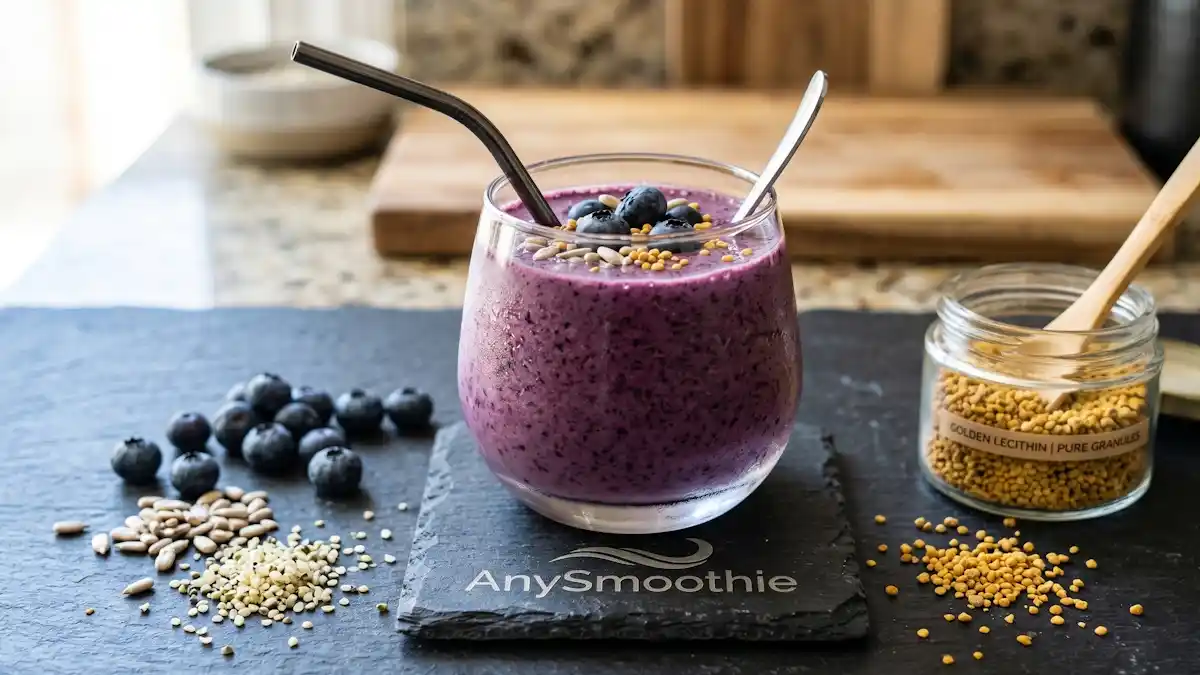
Choline matters because the liver uses it to package fat for export. When that process runs well, lipids leave liver cells instead of sitting there. That is the basic idea behind hepatic lipid export.
That makes smoothie planning more useful than it sounds. A good blend can supply choline, a little fat, and plant foods that keep the whole mix easy to use. This is about supporting normal liver pathways, not treating liver disease. You will get a practical way to build choline-rich smoothies for hepatic lipid export, choose the right ingredients, and keep the recipes fast enough to repeat.
The Choline Nexus: Essential Mechanics of Fat Transport
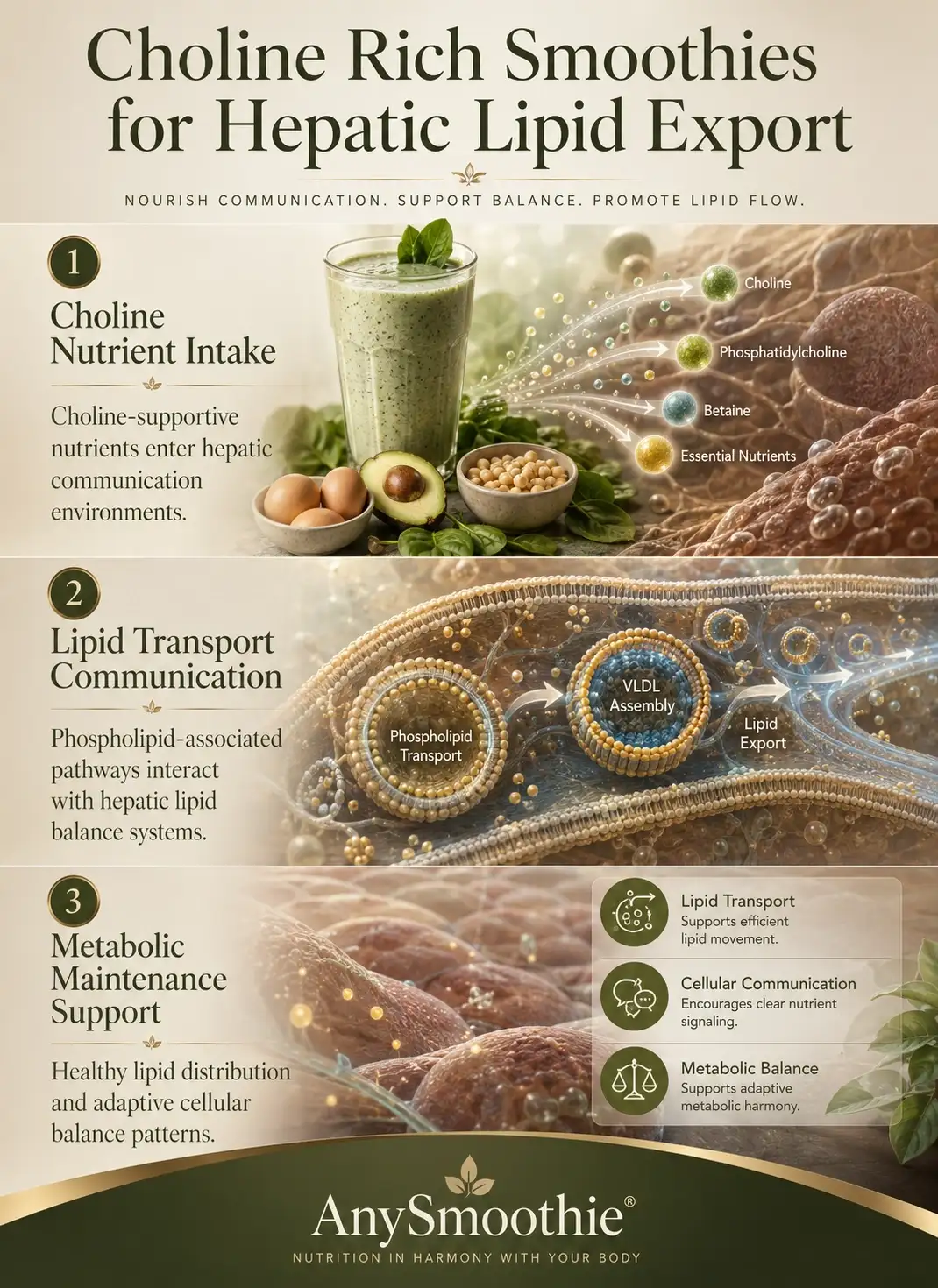
Choline is a building block for phosphatidylcholine, and the liver uses phosphatidylcholine to manage fat traffic. A classic review on phosphatidylcholine biosynthesis and lipoprotein secretion shows how closely that molecule ties to export work inside hepatocytes. When supply is steady, the liver has more of the raw material it needs to move lipids out cleanly.
VLDL Assembly: How Phosphatidylcholine Moves Lipids Out of the Liver
Very-low-density lipoproteins, or VLDL, are the liver’s outgoing cargo. They carry triglycerides and other lipids through the bloodstream. Their outer shell needs phosphatidylcholine, because that layer keeps the package stable during transport.
If the shell is weak, fat packaging gets less efficient. If the shell is built well, the liver can keep moving material out instead of holding onto it. That is why choline matters for nutrient partitioning and broader metabolic efficiency.
The goal is not more fat, it is better packaging.
Why sunflower lecithin is the best smoothie-friendly choline source
Sunflower lecithin is the most practical smoothie option because it brings phosphatidylcholine directly into the blend. That makes it a better fit for hepatic export work than choline forms that lean more toward general intake.
Before you pick a source, it helps to compare the main options side by side.
| Choline source | Physiological focus | Bioavailability or absorption | Best smoothie pairing | Target benefit |
|---|---|---|---|---|
| Sunflower lecithin (phosphatidylcholine) | Hepatic lipid export | Strong in mixed drinks | Berries, spinach, avocado | Direct support for VLDL assembly |
| CDP-Choline (Citicoline) | Cognitive and acetylcholine support | Good systemic uptake | Light fruit or water-based blends | General choline availability |
| Choline bitartrate | Basic choline repletion | Straightforward absorption | Neutral fruit smoothies | Budget-friendly choline intake |
For this use case, sunflower lecithin is the clear winner because it delivers the phospholipid the liver already needs.
Phospholipid Synthesis and Smoothie Ingredients That Help It Work
Choline works best in a broader food pattern. The liver also uses folate, B12, and other methyl donors to keep phospholipid synthesis moving. A review on choline homeostasis and phosphatidylcholine turnover explains why the choline pathway and the PEMT pathway both matter for lipid handling.
Methylation Synergy: The Interaction Between Choline and Folate
Leafy greens bring folate. Berries add color and polyphenols without much sugar. Avocado gives a creamy base and a little fat. Citrus keeps the flavor bright.
Together, those foods help a smoothie feel balanced instead of forced. Spinach, romaine, blueberries, and orange segments are easy places to start. If the blend tastes good, you will use it more often, and frequency matters.
What to blend choline with for better absorption and taste
Use yogurt, kefir, almond milk, avocado, nut butter, chia, or flax to improve mouthfeel and satiety. A little fat also helps the drink feel more complete and keeps you fuller longer.
Fiber matters too. It slows the sugar hit and gives the smoothie a steadier profile. Keep added sweeteners low. Honey, syrups, and fruit juice can turn a useful blend into a sugar-heavy snack.
3 Hepatic-Flow Choline Smoothie Recipes
These three blends follow the same logic, but each one fits a different day. Variety helps compliance, and compliance beats perfection.
Lecithin-Prime Blueberry Spinach Blend
Ingredients
- 1 cup unsweetened almond milk
- 1 cup spinach
- 1/2 cup blueberries
- 1 tablespoon sunflower lecithin
- 1/4 avocado
- Ice, as needed
Blend until smooth. The lecithin brings phosphatidylcholine, the spinach adds folate, and the berries keep the flavor sharp. Avocado smooths the texture and makes the drink feel like real food.
Estimated Nutrition per Serving
Estimated with unsweetened almond milk and standard sunflower lecithin granules/powder. Lecithin nutrition varies by product.
- Calories: ~245 kcal
- Protein: ~6 g
- Carbohydrates: ~21 g
- Fat: ~17 g
- Fiber: ~8 g
- Sugars: ~8 g
Sunflower lecithin can clump against cold or frozen ingredients. I’d blend it into the almond milk first, then add the spinach, blueberries, avocado, and ice for a more even texture.
Tropical choline blend
Ingredients
- 3/4 cup coconut water
- 3/4 cup frozen pineapple
- 1 handful spinach
- 1 tablespoon sunflower lecithin
- 3/4 cup plain kefir
Blend until smooth. It tastes light, but it still supports choline intake and a more complete blend.
Estimated Nutrition per Serving
Estimated with plain low-fat kefir and standard sunflower lecithin. Lecithin nutrition varies by product.
- Calories: ~300 kcal
- Protein: ~11 g
- Carbohydrates: ~42 g
- Fat: ~11 g
- Fiber: ~5 g
- Sugars: ~31 g
Cacao-vanilla blend
Ingredients
- 1 cup unsweetened almond milk
- 1 tablespoon sunflower lecithin
- 1 tablespoon nut butter
- 1 teaspoon unsweetened cacao
- 1/2 frozen banana
- 1/2 teaspoon vanilla extract
Blend until smooth. This version is better for people who want a richer flavor and a more filling drink.
Estimated Nutrition per Serving
Estimated with almond butter, unsweetened almond milk, and standard sunflower lecithin. Lecithin nutrition varies by product.
- Calories: ~290 kcal
- Protein: ~8 g
- Carbohydrates: ~26 g
- Fat: ~19 g
- Fiber: ~6 g
- Sugars: ~11 g
A fully frozen banana makes this noticeably thicker and more dessert-like. If you prefer it drinkable rather than spoonable, start with the full cup of almond milk and skip additional ice.
Biohacking Liver Efficiency: Supporting Bile Flow and Routine
Smoothies work best when they fit into a steady routine. Morning is a common choice because it is easy to repeat. Post-workout also works well, especially if you want a meal bridge that feels light but still useful.
Start with two or three smoothies a week. Then watch how your body handles the texture, the fiber, and the lecithin dose. Keep water intake steady, and pair the smoothie with whole foods across the day. That helps the liver keep up with normal bile flow and gives lipids a better path toward mitochondrial oxidation.
When to drink them and how often to start
Pick one time slot and keep it simple. Morning, post-workout, or a mid-afternoon bridge all work. The best schedule is the one you can repeat without thinking too hard.
Who should be cautious with choline supplements in smoothies
Start low if you have not used lecithin before. Too much can cause loose stools or a heavy feeling.
Anyone with a health condition, anyone who is pregnant or nursing, and anyone taking medication that affects digestion or metabolism should check with a qualified professional first.
Conclusion
Choline-rich smoothies are an easy way to support the liver’s normal fat-export process. Sunflower lecithin gives you phosphatidylcholine in a form that fits VLDL assembly, while greens, berries, avocado, and fiber help the blend work better.
Keep the recipes simple, keep the sugar low, and keep the routine steady. Try one recipe this week, then repeat it until it becomes automatic. Consistency does more for hepatic lipid export than a perfect one-time blend.
🛡️ Safety Notes & Contraindications: Choline smoothies
TMAO production: excess choline intake can be converted by gut bacteria into trimethylamine (TMA), which the liver then oxidizes into TMAO (trimethylamine N-oxide), a compound linked to increased cardiovascular risk; monitor your heart health if using high-dose lecithin daily.
Fishy body odor: very high doses of choline can lead to a condition called trimethylaminuria, where the body emits a strong, fish-like smell through sweat and breath; reduce the dose immediately if this occurs.
Depression sensitivity: high choline intake increases acetylcholine levels; individuals with a history of clinical depression or certain types of bipolar disorder may experience worsened symptoms or low mood with excessive supplementation.
Gastrointestinal motility: choline is a precursor to acetylcholine, which stimulates digestive muscles; high doses can cause increased bowel movements, abdominal cramps, or diarrhea.
Blood pressure: some studies suggest that very high doses of choline can cause a modest drop in blood pressure; use caution if you are prone to hypotension or taking antihypertensive medications.
FAQ
How does Phosphatidylcholine facilitate the assembly of VLDL for lipid export?
Phosphatidylcholine is a structural phospholipid required to form the outer monolayer of Very-Low-Density Lipoproteins (VLDL). Biochemically, the liver packages triglycerides into these VLDL particles to transport them out of hepatocytes and into the bloodstream. Supporting the physiological systems of phospholipid synthesis through choline-rich inputs ensures that the liver has the necessary “packaging material” to prevent lipid accumulation, optimizing the natural pathways of hepatic lipid export and systemic nutrient partitioning.
Why is Sunflower Lecithin preferred over other choline sources for liver support?
Sunflower lecithin provides choline directly in the form of phosphatidylcholine, bypassing some of the initial metabolic steps required by choline salts. Biochemically, this supports the physiological systems of the PEMT (Phosphatidylethanolamine N-methyltransferase) pathway by providing pre-formed building blocks for membrane and lipoprotein integrity. This optimization ensures a more direct contribution to the liver’s export mechanics, facilitating efficient fat transport and supporting the structural stability of hepatic cell membranes.
How do Folate and B12 synergize with Choline in the PEMT pathway?
The PEMT pathway in the liver creates phosphatidylcholine endogenously, but it is highly dependent on the methylation cycle. Biochemically, folate and Vitamin B12 serve as essential methyl donors that power this conversion. Supporting these physiological systems through leafy greens and fortified bases in a smoothie optimizes the natural pathways of “de novo” phospholipid synthesis. This synergy ensures that even if dietary choline is modest, the liver can maintain its biochemical mechanics for lipid export through internal recycling.
What is the role of Choline in preventing “Metabolic Congestion” in hepatocytes?
Metabolic congestion occurs when the rate of lipid influx and synthesis exceeds the liver’s capacity for oxidation or export. Choline supports the physiological systems of lipid traffic by ensuring that VLDL secretion remains a fluid process. By optimizing the biochemical mechanics of lipoprotein assembly, choline prevents lipids from becoming “trapped” within liver cells, facilitating their movement toward peripheral tissues for energy utilization or storage, thereby maintaining systemic metabolic efficiency.
How does dietary fiber in a choline smoothie support overall biliary health?
Bile contains significant amounts of phosphatidylcholine, which helps solubilize cholesterol and fats. Soluble fiber supports the physiological systems of biliary flow by binding to used bile acids in the gut and encouraging their excretion. This forces the liver to synthesize fresh bile, optimizing the natural pathways of cholesterol metabolism. Pairing choline with fiber ensures that the biochemical mechanics of both lipid export (via VLDL) and lipid elimination (via bile) are supported simultaneously.

Medical Disclaimer: AnySmoothie content is for educational purposes only and is not a substitute for professional medical advice. Consult a healthcare provider for personalized guidance. See our full Disclaimer & Terms of Use. AI Transparency: AnySmoothie may use AI to support content development. All content undergoes human editorial review for accuracy, clarity, and editorial quality. See our full AI Transparency.