

Trying to eat lighter can feel like walking a tightrope. You want something quick and tasty, but you also want it to actually fill you up. That’s where blueberry smoothies shine.
Blueberries bring flavor and color with modest sugar compared to many fruits, plus fiber that helps with fullness. Add protein (like Greek yogurt or protein powder) and a little extra fiber or healthy fat, and you’ve got a drink that feels more like a small meal than a snack.
Weight Loss Programs
Diet & Weight Loss
Diet & Weight Loss
Diet & Weight Loss
Diet & Weight Loss
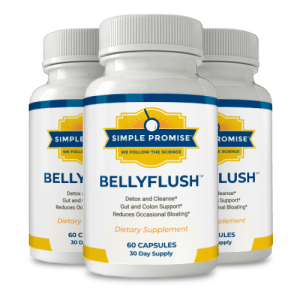
BellyFlush™ – Gut Cleanse and Digestive Detox for Weight Support
This guide keeps it practical: first, a simple base formula you can repeat, then several blueberry smoothie recipes with easy, diet-friendly swaps. Start with no added sugar, you can always adjust after the first sip.
The simple blueberry smoothie formula (so you can build your own)
A good smoothie isn’t about piling in “healthy” stuff. It’s about balance. Think of it like building a sturdy chair, if one leg is missing (protein, fiber, or enough liquid), it won’t hold up.
Use this repeatable method:
1) Fruit (flavor + volume)
Blueberries can be your main fruit, or your “base” plus a half banana for creaminess. Using mostly berries helps keep sugar lower.
2) Liquid (blend power)
Start with unsweetened liquids so you control sweetness. Water makes it light, milk makes it creamier, and unsweetened almond milk keeps calories lower.
3) Protein (stays-full factor)
Protein is what turns a smoothie from “tasty drink” into something that can carry you to lunch. Greek yogurt, cottage cheese, and protein powder are the simplest options.
4) Fiber or fat (satiety + texture)
A small amount goes a long way. Chia thickens fast, oats add body, nut butter adds richness (and calories), and flax blends in easily.
5) Flavor boosters (taste without sugar)
Vanilla extract, cinnamon, lemon juice, and unsweetened cocoa powder add punch without turning your smoothie into dessert.
Here’s a simple starting point you can tweak:
| Smoothie part | Easy default | Helpful range |
|---|---|---|
| Blueberries (fresh or frozen) | 1 cup | 3/4 to 1 1/2 cups |
| Liquid (unsweetened) | 1 cup | 3/4 to 1 1/4 cups |
| Protein | 1 serving | 15 to 30 g protein |
| Fiber or fat add-in | 1 small add-in | 1 tsp to 1/4 cup |
| Flavor booster | 1 or 2 | to taste |
If weight loss is your goal, watch the “extras.” A smoothie can be light, or it can quietly match a milkshake. For more general smoothie weight loss ideas, EatingWell’s smoothie roundup is a useful reference point.
Best ingredients for a filling, lower-sugar smoothie
Blueberries: Frozen blueberries usually make a thicker smoothie and taste consistent year-round. Fresh berries work too, but you’ll likely want ice.
Unsweetened liquids: Water, unsweetened almond milk, and low-fat milk are the go-to picks. Skip juice if you’re trying to keep sugar down.
Protein options:
Greek yogurt is thick and tangy, cottage cheese is surprisingly smooth when blended, and protein powder is convenient for post-workout. Aim for 15 to 30 g protein if the smoothie is a meal.
Add-ins for fullness:
Chia or ground flax (1 to 2 tsp) thickens and adds fiber. Oats (2 to 4 tbsp) make it more breakfast-like. Nut butter (1 tbsp) boosts taste but raises calories quickly.
Taste without extra sugar: Cinnamon, vanilla, lemon juice, and cocoa powder help you use less sweetener, or none at all.
Blending tips that make smoothies thick and not watery
Put liquid in first, then soft ingredients (yogurt), then frozen fruit on top. That helps the blades catch and keeps you from adding extra liquid too soon.
Blend on low to break up the frozen pieces, then blend on high until smooth. If your blender struggles, stop and scrape the sides once.
Quick fixes:
- Too thick: Add liquid 1 to 2 tablespoons at a time.
- Too thin: Add more frozen blueberries, a few ice cubes, or 1 teaspoon chia and wait 2 minutes.
- Too tart: Add a quarter banana, vanilla, or a pinch of cinnamon before reaching for sweetener.
For food safety, rinse fresh berries under running water and dry them well. Freeze extras on a sheet pan, then transfer to a bag. Smoothies taste best right away, but keeping them cold (frozen fruit, chilled liquid) helps the texture stay thick.
Blueberry Smoothie recipes you can actually stick with
These Blueberry Smoothie recipes repeat ingredients on purpose, so you’re not buying a new grocery list every time. Each makes 1 large smoothie or 2 small ones. Sweetener is optional, start with none and adjust at the end.
For more smoothie inspiration in a similar “everyday ingredients” style, this list of breakfast smoothies can help you plan a week.
Recipes for breakfast, post-workout, and sweet cravings
1) Classic Blueberry Banana Protein Smoothie
Ingredients: 1 cup frozen blueberries, 1/2 banana, 1 cup unsweetened almond milk (or low-fat milk), 1 scoop vanilla protein powder, 1 tsp ground flax, pinch of cinnamon.
Blend until creamy. Swap: use water plus 2/3 cup Greek yogurt if you want it thicker without extra banana.
2) Blueberry Greek Yogurt Smoothie (thick and tangy)
Ingredients: 1 cup blueberries, 3/4 cup plain Greek yogurt, 1/2 to 1 cup water or milk, 1 tsp vanilla extract, squeeze of lemon.
Blend until smooth, add liquid slowly to control thickness. Swap: dairy-free yogurt works, add 1 tbsp oats to improve texture.
3) Blueberry Oatmeal Breakfast Smoothie (more filling)
Ingredients: 1 cup blueberries, 1 cup milk (or soy milk), 1/4 cup rolled oats, 1/2 cup Greek yogurt, pinch of salt, cinnamon.
Blend 45 to 60 seconds, let sit 2 minutes to thicken. Swap: use 0% Greek yogurt and water to lighten calories.
4) Blueberry Spinach Smoothie (mild flavor, more volume)
Ingredients: 1 cup frozen blueberries, 1 packed cup spinach, 1 cup water or almond milk, 1/2 cup Greek yogurt, 1 tbsp chia.
Blend until bright purple and smooth. Swap: replace yogurt with protein powder plus extra ice if you prefer a lighter feel.
5) Blueberry Lemon Cheesecake Smoothie (cottage cheese option)
Ingredients: 1 cup blueberries, 3/4 cup low-fat cottage cheese, 3/4 to 1 cup milk, 1 to 2 tsp lemon zest or juice, 1/4 tsp vanilla.
Blend longer (60 to 90 seconds) for a cheesecake-like texture. Swap: use Greek yogurt if cottage cheese isn’t your thing.
6) Blueberry Peanut Butter Smoothie (higher calories, easy to lighten)
Ingredients: 1 cup blueberries, 1 cup unsweetened almond milk, 1/2 banana, 1 tbsp peanut butter, 1 scoop protein powder (optional).
Blend until smooth. To lighten: cut peanut butter to 1 teaspoon and add 1 tbsp cocoa powder for a “PB-chocolate” vibe.
7) Blueberry Green Tea Smoothie (light and refreshing)
Ingredients: 1 cup chilled brewed green tea, 1 cup frozen blueberries, 1/2 cup Greek yogurt (or silken tofu), squeeze of lemon, ice as needed.
Blend until slushy. Swap: use decaf green tea if caffeine bothers you.
If you want another take on a protein-forward blueberry smoothie, this article from For Hers includes a similar approach and ingredient ideas.
Make it diet-friendly: easy swaps, portions, and prep
You don’t need a tracking app to keep smoothies aligned with your goals. You need a few guardrails you’ll follow on busy mornings.
Start with one cup of blueberries, pick an unsweetened liquid, and choose one protein source. After that, add only one “extra” (chia, oats, or nut butter). When you stack extras, calories climb fast, even when the ingredients are healthy.
How to cut calories without losing flavor (and avoid common diet mistakes)
Simple swaps that keep taste:
- Use unsweetened milk or water, skip juice.
- Use half a banana instead of a whole one.
- Add ice or a handful of frozen zucchini for volume (it’s mild).
- Choose 0% Greek yogurt if you like tang.
- Keep nut butter to 1 teaspoon to 1 tablespoon.
- Add chia or flax for thickness and staying power.
Common mistakes: too much fruit, sweetened yogurt, “healthy” granola dumps, and huge servings in a 32-ounce cup. One tablespoon of peanut butter can change the whole calorie story, so treat it like a topping, not a main ingredient.
Meal prep smoothie packs and storage tips
Smoothie packs make consistency easier. Use freezer bags or containers and portion: blueberries plus any add-ins like spinach, oats, chia, or lemon zest. Freeze flat so they stack.
Most packs hold well for 2 to 3 months. At blend time, add your liquid and protein (yogurt, cottage cheese, or powder), then blend.
If you need to take it with you, refrigerate up to 24 hours in a sealed jar. It may separate, that’s normal. Shake well, and keep it cold for the best texture.
Conclusion
The best smoothies aren’t complicated. Use the base formula (fruit, liquid, protein, fiber or fat, flavor), keep portions steady, and don’t let added sugar sneak in. Pick one of these Blueberry Smoothie recipes to try this week, then repeat it until it feels automatic.
Choose one goal, more protein, less sugar, or more fiber, and match a recipe to it. When your smoothie fits your taste and your routine, it stops being a “diet thing” and starts being breakfast.

The AnySmoothie team is all about smarter smoothie recipes made with whole-food ingredients. Everything we share centers on balanced nutrition, steady energy, and low-glycemic choices, so you can sip a smoothie that keeps you full, feels good, and helps you avoid sugar crashes.
- Disclaimer: This content is for educational use only. These smoothie recipes and nutrition details aren’t a substitute for medical advice from a licensed health professional. Please read our full Medical Disclaimer here.
Dietary Supplements
Dietary Supplements

Dietary Supplements

Dietary Supplements
Dietary Supplements
GlucoBerry – Daily Support for Healthy Blood Sugar and Energy