
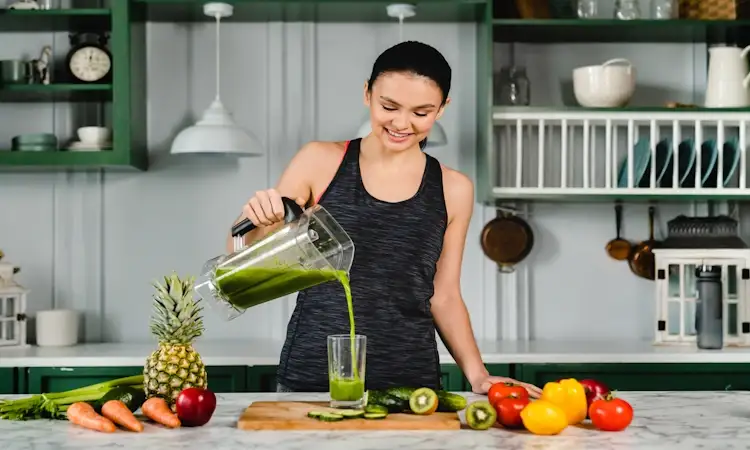
If your days swing between “wired” and “wiped out,” food can be part of the reason. Not because one ingredient fixes everything, but because small choices add up. Anti inflammatory smoothies are a simple way to get more fruits, veggies, and healthy fats into your routine without turning breakfast into a project.
These smoothies focus on inflammation reducing foods like berries, leafy greens, chia, flax, and spices such as ginger and turmeric. The goal is practical: steadier energy, smoother digestion, more joint comfort, and a more even mood. In other words, fewer crashes and fewer cravings.
Still, a smoothie won’t “cure” anything. Think of it like packing a carry-on for your day. When the bag has fiber, protein, and nutrients, you’re less likely to feel off balance later.
Weight Loss Programs
Diet & Weight Loss
The Underground Fat Loss Manual – Hidden Strategies for Weight Management
Diet & Weight Loss

Diet & Weight Loss
Diet & Weight Loss
This guide walks through smart ingredient picks, an easy build-your-own formula, and a few healing smoothie recipes you can rotate all week.
What makes a smoothie “anti inflammatory” (and what doesn’t)
Inflammation isn’t always bad. Short-term inflammation is your body’s normal response to stress, injury, or germs. It’s the redness around a cut, or the soreness after a hard workout. That’s your immune system doing its job.
The problem is long-term inflammation that sticks around. It can be nudged by poor sleep, chronic stress, low fiber diets, and lots of added sugar. Over time, that constant “low simmer” can leave you feeling tired, achy, and foggy.
So what makes a smoothie anti-inflammatory in a realistic sense?
It’s not a magic ingredient. It’s the overall pattern: whole foods, plenty of fiber, a moderate amount of fruit, and minimal added sugar. Done right, a smoothie becomes a reliable delivery system for plant compounds and healthy fats, not a liquid dessert.
If you want more examples of balanced combinations, browse these gut-healthy, anti-inflammatory smoothie recipes for ideas on mixing produce, protein, and fiber.
One safety note before you start adding every “wellness” ingredient at once: check with a clinician if you’re pregnant, on blood thinners, managing kidney issues, or taking diabetes meds. Ingredients like turmeric, ginger, and large amounts of leafy greens can affect people differently, especially at higher doses.
The biggest wins: fiber, healthy fats, and antioxidant rich drinks
Most anti inflammatory smoothies work because they hit three basics.
Fiber helps feed your gut bacteria and supports regular digestion. It also slows how fast sugar hits your bloodstream, which can help you feel steady after you drink it. Good smoothie fiber sources include chia, flax, oats, berries, pears, and leafy greens.
Healthy fats help with fullness and help your body absorb certain nutrients. A small amount goes a long way. Think avocado, walnuts, chia, hemp seeds, or even 1 teaspoon of extra-virgin olive oil for a surprisingly smooth texture.
Antioxidants are plant compounds that help your body handle everyday stress. You’ll find them in berries, cacao, green tea, and deeply colored produce. This is where antioxidant rich drinks shine, because you can combine several colors in one glass without much effort.
Common smoothie mistakes that can spike sugar and cravings
A smoothie can support wellness, or it can leave you hungrier than before. These are the issues that trip people up most often:
Using juice as a base. Juice removes most fiber, so sugar absorbs fast. Fix: use water, unsweetened milk, or plain kefir.
Going heavy on fruit. Two bananas plus mango plus honey tastes great, but it’s a sugar rush. Fix: keep fruit to about 1 cup, then add greens and a neutral veggie.
Choosing sweetened yogurt. Many flavored yogurts add a lot of sugar. Fix: pick plain Greek yogurt and sweeten with berries or cinnamon.
Relying on flavored protein powders. Some add sweeteners and “extras” that don’t sit well. Fix: choose a simple powder, or use Greek yogurt or silken tofu.
Skipping protein or fat. Fruit-only smoothies often lead to cravings later. Fix: add nut butter, chia, hemp, Greek yogurt, or tofu.
For creaminess without extra sweetness, frozen cauliflower or zucchini blends well and mostly disappears into the background.
Build your best anti inflammatory smoothie with this easy formula
A good smoothie should feel like a small meal, not a snack that disappears in ten minutes. The easiest way to get there is to build the same structure each time, then change the flavor.
Here’s the quick context: your smoothie needs a liquid base, fiber and protein, and “color” from produce and spices. Use this table as a simple mix-and-match guide.
| Smoothie part | How much | Good options |
|---|---|---|
| Liquid base | 1 to 1.5 cups | Water, unsweetened almond milk, unsweetened soy milk, plain kefir |
| Produce | 1.5 to 2.5 cups | Spinach, kale, mixed berries, pineapple, cucumber |
| Fiber or protein | 1 serving | Chia, ground flax, oats, Greek yogurt, silken tofu, simple protein powder |
| Healthy fat | 1 to 2 tablespoons | Avocado, nut butter, walnuts, hemp seeds |
| Booster | Small pinch to 1 teaspoon | Ginger, turmeric, cinnamon, matcha |
The takeaway: if you include protein, fiber, and a little fat, your smoothie is much more likely to keep you satisfied.
Texture tips help, too. Frozen fruit makes it thick without ice. If it’s too thick, add liquid slowly. If it’s too thin, add chia, oats, or more frozen produce.
Budget tips: buy frozen berries, frozen spinach, and big bags of oats. They’re usually cheaper and reduce food waste. Also, ripe bananas freeze well when peeled and sliced.
Batch prep helps on busy mornings. Once a week, portion freezer packs into bags: fruit, greens, and add-ins like chia or flax (skip liquids and yogurt until blending). Then dump the pack into the blender, add liquid and protein, and blend.
The 1-2-3 formula: base, fiber and protein, then color and spice
Use this simple routine when you don’t want to think:
1 liquid base: water, unsweetened almond milk, or kefir.
1 to 2 cups produce: try 1 cup greens plus 1 cup fruit, or 2 cups mixed produce.
1 fiber or protein add-in: chia, ground flax, oats, Greek yogurt, tofu, or a simple protein powder.
Plus 1 healthy fat: avocado, nut butter, walnuts, or hemp seeds.
Then add a small booster like ginger or turmeric. Start small, blend, taste, then adjust. Spices can build fast, especially turmeric.
If you’re exploring turmeric smoothie recipes, this mango turmeric smoothie is a useful reference for how mild, creamy flavors can balance turmeric’s earthy bite.
Power add ins that do the most work (turmeric, ginger, and more)
Turmeric and ginger show up in many anti inflammatory smoothies for a reason: they’re easy to add, and they pair well with fruit and creamy bases.
Turmeric tip: pair it with a pinch of black pepper and a fat (like avocado or yogurt). That combo can help your body use turmeric’s key compounds. Keep turmeric modest at first, about 1/4 teaspoon ground or a small nub of fresh.
Ginger tip: fresh ginger tastes brighter than dried. Frozen ginger also works and grates easily. If you deal with reflux, go lighter, because ginger can feel “hot” in the throat.
A few other boosters earn their spot:
Cinnamon: adds sweetness without sugar, and it tastes great with berries, oats, and cacao.
Tart cherry: popular in recovery blends because it pairs well with cacao and vanilla. It also keeps the flavor rich without needing much sweetener.
Matcha or green tea: offers a gentle lift for morning energy. If you’re caffeine-sensitive, skip it after noon.
Hemp seeds: mild taste, extra texture, and helpful for satiety.
For more inspiration on immune boosting smoothies that still feel like real food, see this immune boosting wellness smoothie and note how it balances fruit with add-ins.
5 anti inflammatory smoothie recipes you can rotate all week
These five smoothies are built to be practical. Each includes protein, fiber, and produce, with optional swaps for dairy-free, nut-free, and higher-protein needs. If you’re new to this, pick one recipe and repeat it for a few days. Consistency makes it easier to notice how your energy and cravings respond.
Golden Turmeric Pineapple Smoothie (creamy, bright, and gentle)
Ingredients (1 large smoothie):
- 1 cup unsweetened almond milk (or dairy milk)
- 1 cup frozen pineapple
- 1/2 cup frozen mango (or 1/2 small banana)
- 1 packed cup baby spinach
- 1/2 teaspoon ground turmeric (or 1 teaspoon fresh grated)
- 1/2 teaspoon fresh grated ginger
- 1/2 cup plain Greek yogurt (or 1/2 cup silken tofu)
- 1 tablespoon chia seeds
- Pinch of black pepper
- Optional: 1/2 cup frozen cauliflower (to keep sugar lower and add creaminess)
Steps: Add liquid first, then everything else. Blend 45 to 60 seconds until smooth.
Swaps: Dairy-free, use tofu or a dairy-free yogurt. Higher protein, add 1 scoop unflavored or lightly flavored protein powder.
Berry Green Antioxidant Smoothie (classic immune boosting smoothie)
Ingredients:
- 1 cup plain kefir (or plain Greek yogurt plus 1/2 cup water)
- 1 cup frozen mixed berries
- 1 packed cup baby spinach
- 1 tablespoon ground flaxseed
- 1 tablespoon almond butter (or sunflower seed butter)
- 1 to 2 teaspoons lemon juice
- Optional: 1 to 2 teaspoons cacao for a richer taste
Steps: Blend until fully smooth. Let it sit 2 minutes if using flax, it thickens.
Berries are an easy daily pick because they’re rich in plant compounds, plus frozen berries are affordable. If you want another berry-based idea, this anti-inflammatory lemon-blueberry smoothie shows how lemon can brighten the flavor without extra sugar.
Swaps: Nut-free, use sunflower seed butter. Higher protein, add 1/2 cup cottage cheese (if you tolerate dairy) or 1 scoop protein powder.
Ginger Citrus “Detox” Smoothie (hydrating and digestion friendly)
“Detox” gets overused, so let’s be clear. This isn’t a cleanse. It’s a light smoothie that supports hydration and digestion, especially when you want something fresh.
Ingredients:
- 3/4 cup cold water (or coconut water)
- 1 small orange, peeled and segmented
- 1/2 cup frozen pineapple (optional, for sweetness)
- 1/2 cup cucumber, chopped
- 1/2 cup shredded carrots (or 1 small carrot, chopped)
- 1/2 inch fresh ginger (more if you love it)
- 1/2 cup plain Greek yogurt (or silken tofu)
- 1 cup ice
Steps: Blend until very smooth. Add extra water if it’s too thick.
If you like ginger detox drinks, compare this style to an orange ginger detox smoothie and notice the same theme: whole fruit plus a fiber source beats a juice-only blend.
Low-acid swap: Use 1/2 cup frozen mango and 1/2 cup cucumber, and skip the orange if citrus bothers you.
Tart Cherry Cacao Recovery Smoothie (post workout and wind down)
This one fits well after training, or as an evening treat that still feels balanced. It’s also one of the easiest healing smoothie recipes to keep in rotation because frozen tart cherries store well.
Ingredients:
- 1 cup unsweetened milk of choice
- 1 cup frozen tart cherries
- 1/2 cup plain Greek yogurt (or 1 scoop chocolate or vanilla protein powder)
- 2 tablespoons rolled oats
- 1 tablespoon unsweetened cocoa powder (or cacao)
- 1/2 teaspoon cinnamon
- Optional: 1 teaspoon maple syrup if you need it sweeter
Steps: Blend 60 seconds. For a thicker smoothie, add a few ice cubes or more frozen cherries.
Caffeine-free option: Choose cocoa powder over caffeinated add-ins like matcha, and skip any chocolate protein powder with caffeine.
Creamy Avocado Vanilla Smoothie (low sugar, steady energy)
When you’re tired of sweet smoothies, this is the reset button. Avocado makes it thick and satisfying without needing much fruit.
Ingredients:
- 1 1/4 cups unsweetened soy milk (or any unsweetened milk)
- 1/2 medium avocado
- 1/2 teaspoon vanilla extract
- 1 tablespoon chia seeds
- 1/2 cup frozen blueberries (or 1/2 small banana)
- Optional: 1 cup baby spinach (you won’t taste it)
- Optional: 1 tablespoon sunflower seed butter for extra richness
Steps: Blend until silky. Let it rest 3 minutes so chia thickens, then stir and sip.
Swaps: Nut-free, use sunflower seed butter or skip it. Higher protein, add 1/2 cup Greek yogurt or a simple protein powder.
Conclusion
Anti inflammatory smoothies work best when they’re built like a real mini-meal, not a sugar bomb in a cup. Start with whole foods, then balance fiber, protein, and healthy fats so your energy stays steady and cravings cool down. Spices like ginger and turmeric can add variety, but they’re the bonus, not the base.
Pick one recipe from above, make two or three freezer packs, and try it for 1 to 2 weeks. Pay attention to how your digestion, mood, and afternoon hunger feel. Then adjust the fruit, protein, and spices to fit your body, allergies, and health needs. If symptoms stick around or you take medications that may interact, check in with a clinician for personal guidance.

The AnySmoothie team is all about smarter smoothie recipes made with whole-food ingredients. Everything we share centers on balanced nutrition, steady energy, and low-glycemic choices, so you can sip a smoothie that keeps you full, feels good, and helps you avoid sugar crashes.
- Disclaimer: This content is for educational use only. These smoothie recipes and nutrition details aren’t a substitute for medical advice from a licensed health professional. Please read our full Medical Disclaimer here.
Dietary Supplements
Dietary Supplements
Dietary Supplements
Dietary Supplements
Dietary Supplements
ZenCortex – Daily Support for Brain Clarity and Hearing Health