
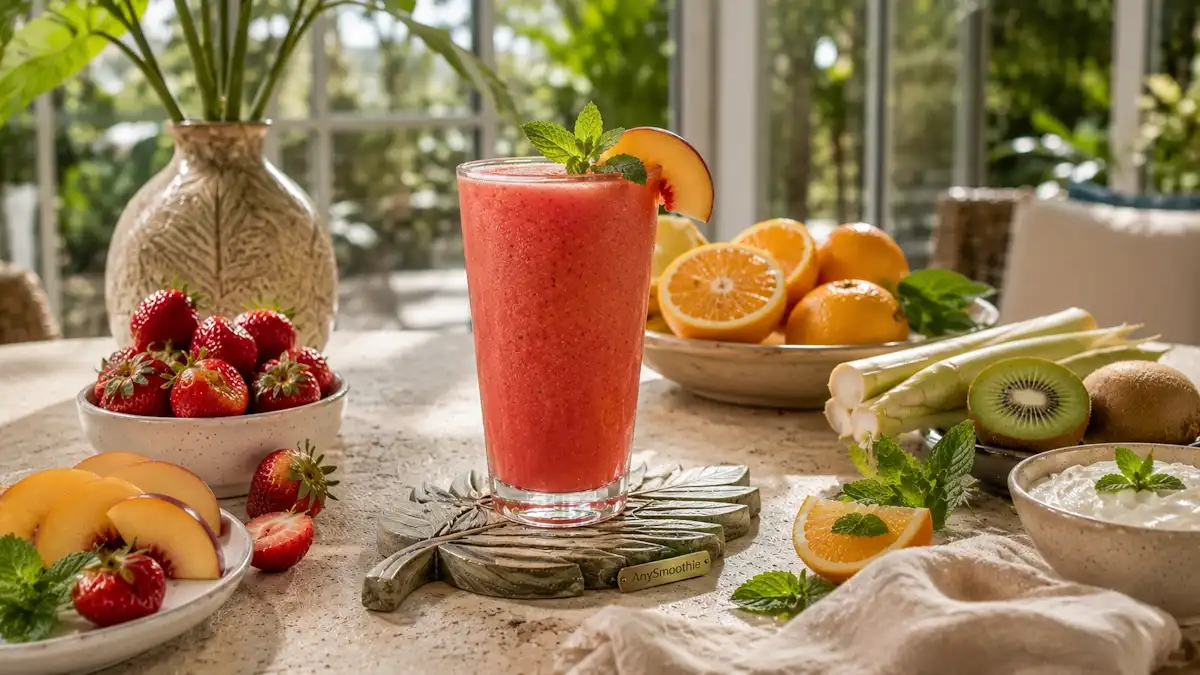
If you want support for skin, joints, and recovery without making breakfast complicated, a smoothie can do a lot of work. Bamboo extract brings something unusual to the blender, silica, a mineral tied to connective tissue support and the body’s collagen-building process.
That makes bamboo extract smoothies for collagen synthesis a practical idea, not a fad. The trick is pairing bamboo extract with the right ingredients, so the blend supports the body instead of just tasting good. For a plain-language brand overview,
What bamboo extract brings to a collagen-support smoothie
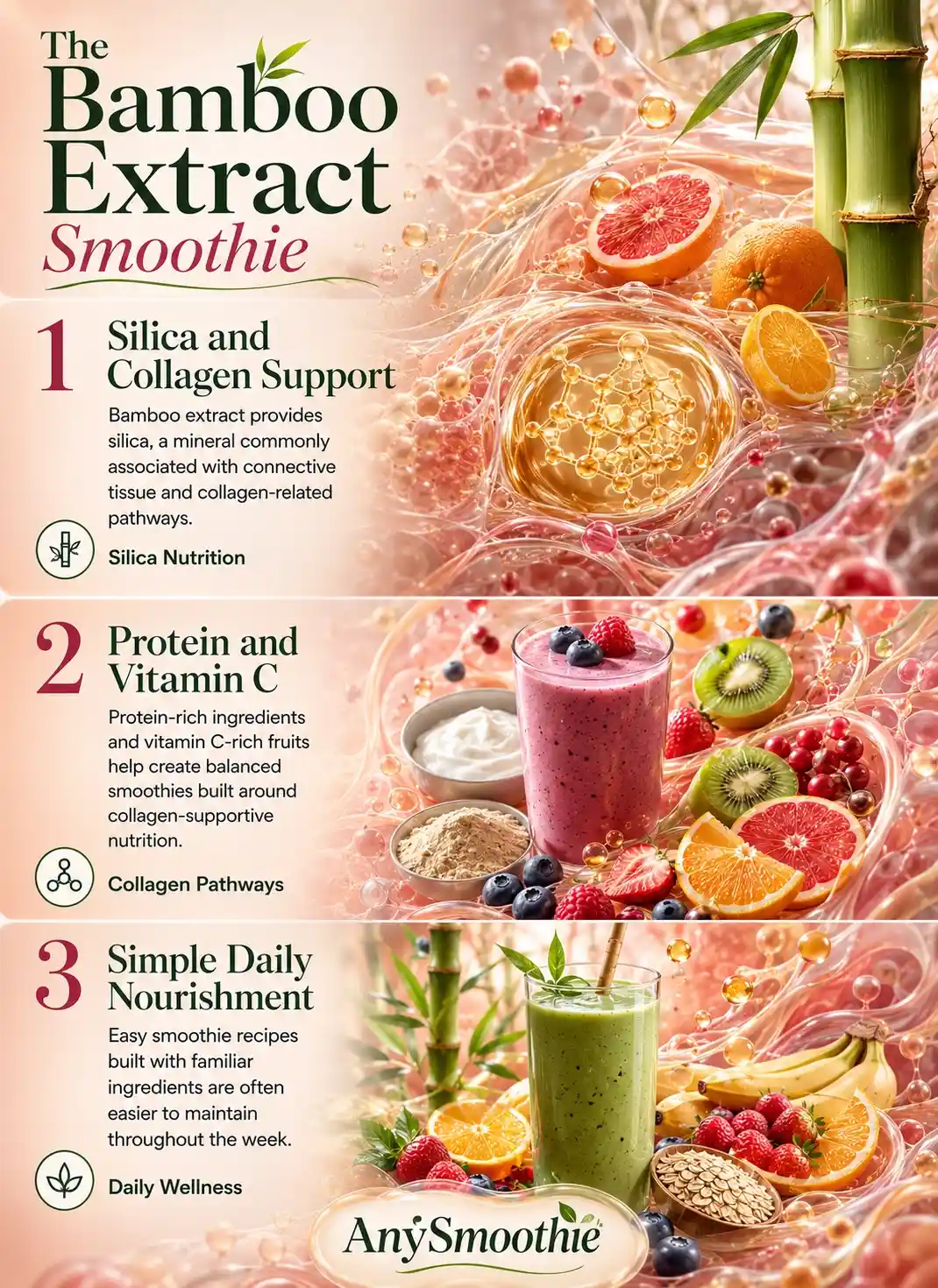
Bamboo extract is usually chosen for its silica content. Silica is a trace mineral that helps support healthy connective tissue, which includes the structure around skin and joints. In a smoothie, it adds a focused support ingredient without changing the flavor much.
How silica supports the body’s collagen-building process
Collagen fibers need more than protein alone. The body also needs minerals and cofactors that help build and maintain connective tissue. Silica fits into that support system by helping maintain the normal formation of collagen structures. It does not create collagen by itself, but it supports the pathway your body already uses.
What makes bamboo extract a smart smoothie ingredient
Neutral taste matters. Bamboo extract mixes well with fruit, greens, yogurt, and protein powders, so it fits into a daily routine without much effort. Quality still matters, though. Look for a product that lists silica content and is made for food or supplement use.
The best smoothie ingredients to pair with bamboo extract
Bamboo extract works best in a smoothie that already supports collagen formation. Vitamin C matters because the body uses it in collagen synthesis. Protein matters because it supplies amino acids like glycine and proline. Healthy fats help the drink feel more complete, especially if you use it as breakfast or post-workout fuel.
Citrus, berries, Greek yogurt, chia, hemp seeds, avocado, and nut butter all fit that pattern. Each one adds something useful. Fruit brings flavor and antioxidants. Yogurt or protein powder adds building blocks. Seeds and nut butter help with texture and satiety.
For another clear look at silica-focused beauty support, Origenere’s piece on silica for hair growth and bamboo’s beauty secrets covers the same ingredient from a different angle.
Berries, pineapple, kiwi, spinach, cacao, and oats all work well here. Berries bring antioxidants. Kiwi and pineapple add a bright vitamin C boost. Spinach adds folate and magnesium with a mild taste. Cacao gives depth, while oats make the smoothie more filling. If you want a balanced blend, keep added sugar low. Use whole fruit, unsweetened milk, and plain yogurt instead of sweetened bases.
3 Bamboo extract smoothies for collagen synthesis
These three bamboo extract smoothie recipes use the same core idea, then shift the flavor and texture. Each one supports a different routine, from a light morning blend to a thicker meal-style smoothie.
How to use bamboo extract safely and choose a quality product
Start with the serving size on the label. Bamboo extract products vary a lot, so the amount of silica can differ from one brand to another. A good label tells you the silica content, the source, and whether the product has third-party testing.
The label matters more than the front panel. Clear silica data and third-party testing are stronger signs than marketing claims.
Here’s a quick comparison of smoothie-friendly forms:
| Form | Taste | Mixability | Silica focus | Best use |
|---|---|---|---|---|
| Bamboo extract powder | Mild, earthy | Good | High, if standardized | Daily smoothies |
| Capsules opened into smoothies | Nearly neutral | Good | Depends on fill | Occasional use |
| Liquid extract | Mild to strong | Very easy | Varies by brand | Fast prep |
| Collagen peptides | Neutral | Excellent | None | Extra protein support |
| Bamboo shoot powder | Green, earthy | Fair | Lower and less standard | Food-style blends |
Powder and liquid forms are the easiest for smoothies. Capsules work if you already have them on hand. Collagen peptides are a different ingredient, but they can pair well with bamboo extract. If you are pregnant, take medication, or have a health condition, talk with a clinician before adding new supplements.
Conclusion
Bamboo extract smoothies for collagen synthesis make sense when you treat bamboo extract as one part of the plan. Silica supports connective tissue, vitamin C helps collagen form, and protein supplies the raw material your body uses.
The best blends stay simple. Choose fruit for flavor, add protein for balance, and keep sugar in check. Pick one recipe that fits your routine, then use it this week.

Medical Disclaimer: AnySmoothie content is for educational purposes only and is not a substitute for professional medical advice. Consult a healthcare provider for personalized guidance. See our full Disclaimer & Terms of Use. AI Transparency: AnySmoothie may use AI to support content development. All content undergoes human editorial review for accuracy, clarity, and editorial quality. See our full AI Transparency.