7 Energy Boosting Smoothies for Active Days

7 Energy Boosting Smoothies for Active Days

Early workout, long shift, school drop-off, or a weekend hike, active days ask a lot from your body. When you need fuel that’s fast but still steady, energy boosting smoothies can help you stay sharp without the crash.

In smoothie terms, “energy” doesn’t mean a sugar rush. It means a better mix of carbs, protein, and healthy fats, plus fiber and fluids, so you get steady fuel for training, errands, and everything between. Think of them as natural energy drinks you can build to match your day.

This post breaks down timing first, so you’ll know what works for pre-workout smoothies, post-workout recovery, and all-day stamina. You’ll also get smart ingredient picks (like oats, Greek yogurt, nut butter, and berries), simple formulas you can repeat, and easy athlete smoothie recipes that don’t take more than a few minutes.

If you love banana oat smoothies, need performance smoothies for practice, or just want stamina boosting drinks that taste good, you’re in the right place.

What makes a smoothie truly energizing (and not a quick sugar crash)

An “energy” smoothie should feel like flipping on the lights, not lighting a firecracker. If your blend is mostly fruit juice and sweet add-ins, you may get a fast lift, then a hard drop. The fix is simple: build energy boosting smoothies with balanced macros, enough fiber to slow digestion, and the right fluids and minerals to match your day.

Think of it like a campfire. Carbs are the kindling, protein is the log that keeps it going, and healthy fats help it burn longer. Get those right, and your smoothie acts more like steady fuel than a sugary snack.

The steady energy trio: carbs, protein, and healthy fats

Carbs power movement and brain work, especially on active days. Fruit is great for quick energy, and oats add slower-digesting starch. For example, a banana plus a few spoonfuls of oats is the backbone of many banana oat smoothies because it tastes good and actually holds you over.

Protein keeps you satisfied and helps steady the rise from carbs. It’s also key for performance smoothies when you need fuel that does not fade mid-morning. Easy options include Greek yogurt, kefir, or a scoop of protein powder. (If you want a simple framework, the University of Nebraska-Lincoln’s guide to all-in-one protein smoothie ingredients lines up with what works in real life.)

Healthy fats slow digestion and make energy feel smoother. A spoon of nut butter, chia seeds, or ground flax turns a “drinkable fruit bowl” into a more complete meal.

Two practical combos that tend to work for most people:

  • Pre-workout smoothie (lighter): banana, 1/4 to 1/3 cup oats, Greek yogurt, water or milk. It digests well and still feels steady.
  • All-day stamina blend: berries, oats, protein powder, peanut butter (or chia), plus spinach. This is one of those “natural energy drinks” that actually has staying power.

Portion awareness matters because more isn’t always better. If your blender is packed with two bananas, a cup of oats, and extra nut butter, the result can feel heavy and sluggish. A good rule is to pick one main carb, one protein, and one fat, then keep add-ins modest.

If you want steady energy, don’t “stack” every calorie-dense ingredient at once. Balance beats overload.

Fiber and liquids: how to get smooth energy and good digestion

Fiber is one of the biggest reasons a smoothie can feel steady instead of spiky. When you blend fruit with fiber sources, you slow down how fast sugar hits your bloodstream. That helps you avoid the classic crash that shows up an hour later as hunger, jitters, or brain fog. For tips on keeping smoothies from spiking blood sugar, see these smoothie blood sugar tips.

Easy fiber add-ins that play well with most athlete smoothie recipes:

  • Oats for a creamy texture and slower carbs
  • Chia or ground flax for thickening plus fiber (start small)
  • Greens like spinach for volume without much sugar

Liquids change the “energy feel” too, not just the texture. Here’s a quick way to choose:

Liquid base Best for Why it works
Milk (dairy) Longer-lasting fuel Adds protein, carbs, and calcium
Soy milk Plant-based recovery Similar protein to dairy, often fortified
Oat milk Easy sipping Mild taste, adds carbs (check added sugar)
Kefir Digestion support Protein plus live cultures, tangy flavor
Coconut water Hot days, sweaty sessions Light taste, adds electrolytes
Water Light pre-workout smoothies Fast digestion, no heaviness

One caution: too much fiber right before intense exercise can upset your stomach. If you’re blending a pre-workout smoothie 30 to 60 minutes before a hard run or a tough lift, dial it back. Use fewer chia/flax seeds, skip raw cruciferous veggies, and keep greens to a small handful. You can always add more fiber later in the day when your gut is calmer.

Electrolytes and micronutrients that support stamina

Electrolytes are the quiet helpers behind steady energy, especially when you sweat. They support hydration and muscle function, so your smoothie does not just “taste refreshing”, it actually helps you keep going.

Keep it simple and focus on a few key ones:

  • Potassium: bananas (also great in pre workout smoothies)
  • Magnesium: spinach and unsweetened cocoa powder
  • Sodium: a small pinch of salt can make a big difference for sweaty workouts
  • Calcium: dairy milk, yogurt, or fortified plant milks

Coconut water is an easy base when you want hydration plus a little natural sweetness. It’s most useful during sweaty sessions, hot weather, or long active days when plain water feels like it “goes right through you.” If you want a quick refresher on what electrolytes do and when they matter, Healthline’s overview of electrolyte drinks is a solid starting point.

One practical tip: if you’re doing an endurance workout or you’re outside in summer heat, add coconut water plus a pinch of salt to a fruit-and-yogurt smoothie. It tastes better than it sounds, and it can help keep your stamina boosting drinks from falling flat halfway through the day.

Timing matters: pre workout smoothies, post workout recovery, and all day fuel

The same smoothie can feel amazing or totally wrong, depending on when you drink it. Before training, you want quick fuel that sits easy. After training, you want recovery building blocks. On long, busy days, you need something that holds you over without turning into a calorie bomb.

Use timing as your filter, then tweak the ingredients. That’s how energy boosting smoothies go from “tasty” to “actually useful.”

Pre workout smoothies that feel light but powerful

For most people, the sweet spot is 30 to 90 minutes before training. That window gives you time to digest, so you start strong without feeling like you’ve got a brick in your stomach. The goal is simple: easy carbs plus a little protein, while keeping fat and fiber moderate to low.

Carbs are your quick-start fuel. A little protein helps steady your energy and keeps hunger from showing up mid-session. On the other hand, too much nut butter, chia, or a huge handful of raw greens can slow digestion, which is the last thing you want before a run or a hard lift.

A few quick rules for pre workout smoothies:

  • Pick 1 main carb (banana, oats, dates, or honey).
  • Add 1 light protein (Greek yogurt, kefir, milk, or a half-scoop protein).
  • Keep fat small (skip heavy nut butter, or keep it to a teaspoon).
  • Go easy on fiber (save chia, flax, and big greens portions for later).

Two light-but-powerful ingredient sets (blend with water or milk, plus ice if you want it colder):

  • Banana + oats + yogurt: 1 banana, a small scoop of oats, Greek yogurt, cinnamon, and a splash of milk.
  • Berries + milk + honey: frozen berries, milk (dairy or soy), a drizzle of honey, and a spoon of yogurt for a little protein.

If you tend to get cramps or a “sloshing” feeling, make it thinner. Just add more liquid and reduce add-ins. For more examples of what works before and after training, see Vitamix’s pre- and post-workout smoothie tips.

Quick check: If you can’t jog comfortably 20 minutes later, your smoothie was too heavy. Next time, cut fat and fiber first.

Post workout blends that help you bounce back faster

After training, your smoothie has a different job. You’re no longer trying to keep it “light.” You’re trying to refill energy, support muscle repair, and rehydrate so you feel better later in the day (and tomorrow).

Keep the target simple: some protein plus a carb source, then don’t forget fluids and electrolytes. Carbs help restore what you used during the session. Protein supports muscle repair. Fluids replace sweat, and sodium and potassium help your body hold onto that hydration.

A practical way to build post-workout recovery smoothies:

  • Carb base: banana, mango, pineapple, oats, or dates.
  • Protein anchor: Greek yogurt, milk, kefir, soy milk, or protein powder.
  • Hydration support: water, milk, or coconut water, plus a small pinch of salt if you sweat a lot.

Two easy recovery mix ideas:

  • Cherry-vanilla recovery: frozen tart cherries, banana, Greek yogurt, milk, and vanilla (or vanilla protein). If you like a richer flavor, add a teaspoon of cocoa.
  • Berry-cocoa rebuild: mixed berries, milk or soy milk, a scoop of protein (or Greek yogurt), cocoa powder, and a pinch of salt.

You don’t need to chase complicated numbers to make this work. You just need that basic combo and a portion that matches your hunger. If you trained hard or you have another active block later, go a little bigger. If it’s a short workout, keep it snack-sized and eat a normal meal soon after.

Also, a few add-ins can be smart options for soreness and recovery:

  • Tart cherry (frozen cherries or juice)
  • Cocoa (unsweetened)
  • Berries (especially darker berries)

If you want a tart cherry-focused idea you can copy, check out this tart cherry almond recovery smoothie bowl. It’s a helpful template even if you keep it drinkable.

Between meals or on the go: smoothies for long active days

When you’re trying to get through a long shift, a travel day, or back-to-back practices, your smoothie needs to act more like a snack or small meal. That means more staying power: more protein, more fiber, and some healthy fat. This is where stamina boosting drinks shine, because they can keep your energy steady without forcing you into a full sit-down meal.

Start with a simple structure:

  • Protein first (so you don’t get hungry an hour later): Greek yogurt, cottage cheese, kefir, soy milk, or protein powder.
  • Fiber next (for a slower burn): oats, chia, ground flax, berries, or a small handful of greens.
  • Healthy fat last (for “holds me over” energy): nut butter, avocado, or hemp hearts.

The trap is size. It’s easy to turn a smoothie into a massive drink that’s basically two meals. Instead, build it like a solid snack, then stop. Use a smaller cup, measure the calorie-dense stuff (oats and nut butter add up fast), and keep sweeteners minimal.

One clean “all-day fuel” ingredient set:

  • Milk or kefir, Greek yogurt, frozen berries, a small spoon of nut butter, and a spoon of oats.

Want to add greens without making it taste like salad? Do it the sneaky way:

  • Start with a small handful of baby spinach (it’s mild).
  • Use pineapple or banana to keep the flavor bright and sweet.
  • Add citrus (lemon juice) if it still tastes “green.”

If you need more inspiration for higher-protein options that still taste good, this roundup of high-protein smoothie recipes is a solid reference.

Done right, these “between meals” blends feel like natural energy drinks, just with real food behind them. And when you build them with protein, fiber, and smart fats, they fit perfectly into your rotation of energy boosting smoothies for active days.

7 energy boosting smoothies you can rotate all week

If you want energy boosting smoothies that fit real life, rotation beats perfection. Keep a few “templates” you enjoy, then tweak one ingredient based on your schedule (early workout, long meeting block, hot weather, or a heavy training day). The recipes below are built to cover steady fuel, digestion-friendly options, hydration support, and recovery, without turning your blender into a science project.

Banana Oat Power Smoothie (steady morning fuel)

This is the one to keep on repeat when you need breakfast that won’t quit on you mid-morning. Banana oat smoothies naturally work well because oats digest slower than most fruit, and yogurt adds protein that smooths out the energy curve.

Ingredients

  • 1 banana (fresh or frozen)
  • 1/4 to 1/2 cup rolled oats
  • 1/2 to 3/4 cup Greek yogurt (or soy yogurt)
  • 3/4 to 1 cup milk (dairy or soy)
  • 1/4 tsp cinnamon
  • Pinch of salt

The texture lands creamy and filling, and the flavor stays simple. That pinch of salt sounds small, but it helps the whole thing taste “rounder,” especially if your banana isn’t super ripe.

Easy swaps

  • For longer days, add 1 tbsp peanut butter for more staying power.
  • For a thicker smoothie, use frozen banana and reduce milk slightly.
  • Want a reference recipe to compare ratios? See this banana-oat smoothie recipe.

Berry Kefir Boost (quick digestion, easy recovery)

When your stomach feels touchy, or you want something that goes down fast, kefir is a smart base. It has live cultures (in plain language, good bacteria that support your gut), plus protein for light recovery.

Ingredients

  • 1 to 1 1/2 cups mixed berries (fresh or frozen)
  • 1 cup kefir (or drinkable yogurt)
  • Optional: 1 tsp honey
  • Optional: 1 tsp chia

Kefir is tangy, so if it tastes sharp, add half a banana or a little honey. If you’re using this as one of your pre workout smoothies, keep it lower fiber: skip chia and go easy on berry quantity, then add more fiber later in the day. For a similar idea, check out this berry-kefir smoothie.

Tropical Electrolyte Cooler (a lighter natural energy drink)

On sweaty days, this one drinks like a refresher but still supports stamina. Coconut water plus fruit gives hydration and fast carbs, and the salt helps replace what you lose when you sweat. Think of it as natural energy drinks naturally, just in smoothie form.

Ingredients

  • 1 cup coconut water
  • 1 cup frozen pineapple
  • 1/2 banana or 1/2 cup mango
  • 1 to 2 tsp lime juice
  • Small pinch of salt

Optional add-ins: collagen or a small scoop of protein if you need it to hold you over. Keep it light before training, then go bigger after. If you want another tropical starting point, this coconut water smoothie is a helpful template.

If you sweat a lot, don’t fear a tiny pinch of salt. It can be the difference between “refreshed” and “still dragging.”

Chocolate Peanut Butter Performance Smoothie (stamina and cravings covered)

This tastes like dessert, but it’s built for real fuel. It also works when cravings hit and you’re tempted to grab something sugary. Performance smoothies naturally do better when you include protein plus carbs, not just cocoa flavor.

Ingredients

  • 1 cup milk or soy milk
  • 1 banana
  • 1 tbsp cocoa powder (unsweetened)
  • 1 tbsp peanut butter
  • Protein powder or 3/4 cup Greek yogurt

Cocoa brings rich flavor without piling on sugar. If it’s not sweet enough, use a few ice cubes and a riper banana first before adding sweetener.

Green Mango Ginger Smoothie (clean, bright energy)

This is the “reset button” smoothie. It’s fresh, light, and great when you hit that afternoon slump and need energy that feels clear, not heavy.

Ingredients

  • 1 cup mango (ripe, fresh or frozen)
  • 1 small handful baby spinach
  • 1/2 to 1 tsp fresh ginger (grated)
  • 1/2 cup yogurt or silken tofu
  • Water or milk to blend

To avoid bitter greens, stick with baby spinach, keep the portion modest, and use ripe mango. If the ginger bites too hard, start with a smaller amount and build up over time.

Coffee Protein Shake Smoothie (when you want caffeine plus fuel)

Some mornings call for coffee and breakfast at the same time. This one covers both, without feeling like a “supplement drink.”

Ingredients

  • 3/4 cup chilled coffee or cold brew
  • 3/4 cup milk (dairy or soy)
  • 1 banana (fresh or frozen)
  • Protein powder or 1/2 cup cottage cheese
  • Optional: 1 to 2 tsp maple syrup

If sleep is a struggle, keep this earlier in the day. Caffeine late afternoon can quietly wreck your night, then tomorrow’s energy feels even worse.

Oatmeal Cookie Recovery Smoothie (post workout comfort)

After training, comfort matters. This tastes like a treat, yet it still hits the recovery basics: carbs plus protein, mostly sweetened by fruit.

Ingredients

  • 1/4 cup oats
  • 1 banana
  • 1 cup milk (dairy or soy)
  • 1/2 to 3/4 cup Greek yogurt
  • Cinnamon and a splash of vanilla
  • Optional: 1 tbsp raisins

Blend longer than usual so the oats soften. If you want it thinner post-workout, add more milk. If you want it more “meal-like,” add a few ice cubes and extra yogurt for thickness.

Make your smoothies work harder: smart add ins, prep tricks, and common mistakes

A good smoothie can do more than taste good. With a few smart tweaks, it can keep you fuller, support training days, and help your energy feel steady instead of spiky. The key is picking add-ins that actually fit your timing, then setting yourself up with prep that makes blending easy.

Think of this section as your “control panel.” You’ll learn what’s worth adding, how to prep ahead without ruining texture, and the common smoothie habits that quietly backfire.

Stamina boosters that are worth it (and ones you can skip)

Add-ins should solve a problem: not full enough, not enough protein, texture too thin, or recovery needs. If an add-in doesn’t help one of those, it’s usually just expensive clutter. When people talk about stamina boosting drinks naturally, they’re usually describing a smoothie with balanced carbs, protein, fluids, and a few simple boosters.

Here are the add-ins that tend to earn their spot:

  • Chia or ground flax: Adds fiber and helps thicken. Start with 1 teaspoon to 1 tablespoon so you don’t end up with a gel-like drink or stomach issues before a workout. Ground flax blends smoother than whole flax.
  • Nut butter (peanut, almond, cashew): Great for longer-lasting fuel, because it adds fat plus a little protein. Keep it to 1 tablespoon for most smoothies, especially if it’s close to exercise.
  • Greek yogurt: One of the easiest upgrades for energy boosting smoothies. It boosts protein and makes the texture creamy without needing much added sugar. Plain works best so you control sweetness.
  • Protein powder basics: Useful when you need a reliable protein bump (post-workout, busy mornings, or when you’re tired of yogurt). Pick a flavor you’ll actually use, and avoid powders with lots of added sugar. If you want a simple breakdown of options, this guide on ways to add protein to smoothies lays out the common picks.
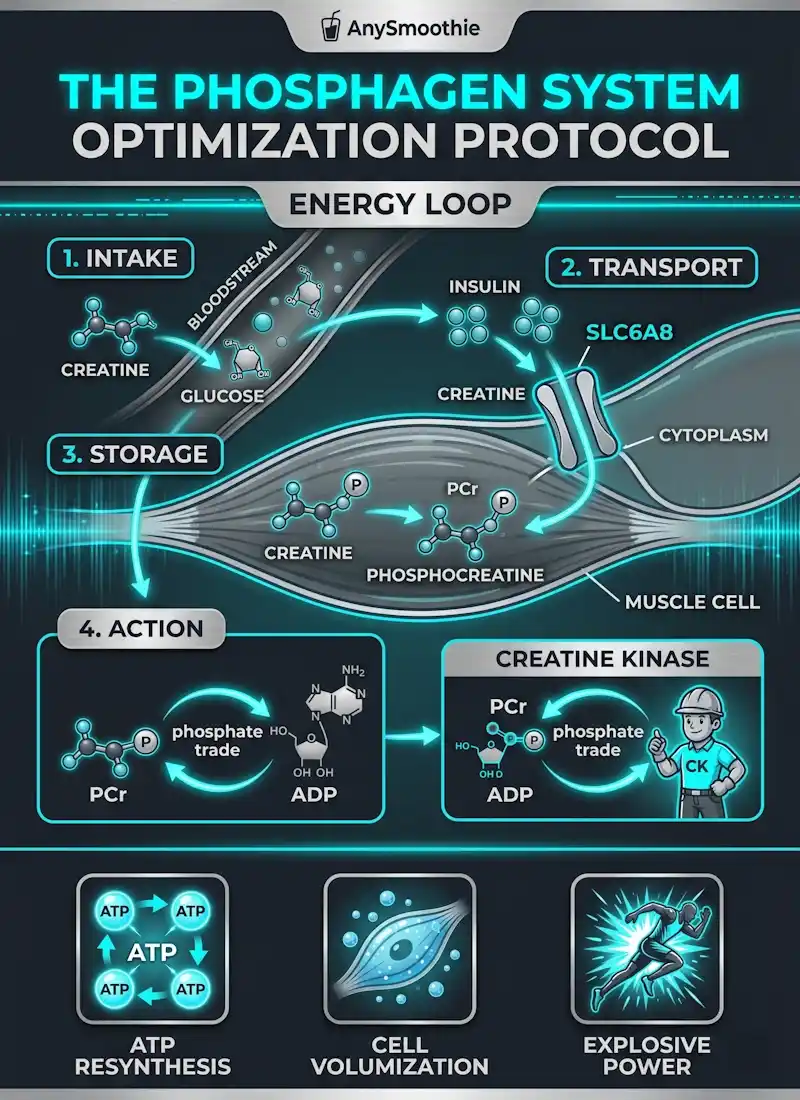
  • Creatine (optional): If you use creatine, smoothies are an easy place to put it since it’s usually neutral tasting. It doesn’t replace carbs or protein, it just rides along with your routine. Mix it into a smoothie you already tolerate well.
  • Cinnamon: Small move, big payoff for flavor. It makes a smoothie taste sweeter without adding sweetener, especially in banana oat smoothies.
  • Unsweetened cocoa powder: Adds rich flavor and pairs well with peanut butter, berries, and coffee. Go unsweetened so you’re not accidentally turning a smoothie into hot chocolate.
  • Frozen cauliflower: Sounds odd, works great. It adds thickness and a frosty texture with a mild taste, especially when you already have banana, berries, cocoa, or nut butter in the mix.

Quick rule: add one “booster” at a time, then taste and adjust. A smoothie with eight add-ins usually tastes muddy, not better.

What you can usually skip? “Superfood” blends with long ingredient lists and big promises. If the label reads like a novel and your smoothie already has fruit and protein, you probably won’t notice the difference, except in your wallet.

For a straightforward approach to building balanced smoothies (without turning it into a project), the “formula” style tips in Build the BEST Smoothie are a helpful reference.

Prep once, blend fast: freezer packs and grab and go storage

If mornings feel rushed, freezer packs are the easiest way to keep athlete smoothie recipes in your life. You’re basically making a “just add liquid” kit, so the blender does the work in minutes.

How to make smoothie freezer packs (store 1 to 2 months):

  1. Use freezer-safe bags or containers.
  2. Add your fruit (berries, mango, pineapple, banana chunks).
  3. Add greens (a handful of spinach freezes well).
  4. Add dry carbs like oats (keep portions modest so it blends smoothly).
  5. Optional: add-ins like chia or ground flax (start small).
  6. Label the bag with the date and the liquid you like (milk, soy milk, water, kefir).

When you’re ready, dump a pack into the blender, then add your liquid and any “fresh” items (Greek yogurt, nut butter, protein powder). For a practical walkthrough and storage ideas, Epicurious has a solid explainer on how to make freezer smoothie packs.

Storing blended smoothies safely (same day):
If you blend ahead, keep it in a sealed bottle or jar in the fridge and aim to drink it the same day. Separation is normal, especially with oats, chia, or protein powder. Just shake hard or re-blend for 10 seconds.

A few texture-saving tips that make a real difference:

  • For a thicker smoothie, use frozen fruit as your base and keep ice optional.
  • Start with less liquid first, blend, then add more only if needed. Too much liquid is the fastest way to get a thin, disappointing smoothie.
  • If your smoothie turns out too thick, loosen it with a small splash of milk or water, then blend again.

Common smoothie slip ups that drain your energy

A smoothie can look “healthy” and still leave you tired, hungry, or sluggish. These are the mistakes that most often cause the crash, plus quick fixes you can use right away. For more on the big pitfalls (from an endurance-focused angle), see four common smoothie mistakes to avoid.

  • Too much added sugar: Juice bases, sweetened yogurt, flavored milks, honey, and dates can pile up fast. The result is quick energy, then a drop.
    • Quick fix: Use water, milk, or unsweetened soy milk as the base, then rely on fruit for sweetness. If it still needs help, use cinnamon or vanilla first.
  • Not enough protein: A fruit-only smoothie digests fast, so you’re hungry again soon. That’s a common issue with pre workout smoothies that accidentally become “just fruit.”
    • Quick fix: Add Greek yogurt, kefir, cottage cheese, soy milk, or a scoop of protein powder.
  • Too much fat right before exercise: Nut butter, avocado, coconut cream, and heavy seeds can sit in your stomach and slow you down.
    • Quick fix: Before training, keep fat small (think 1 teaspoon nut butter, not a big spoon). Save the richer blend for post-workout or between meals.
  • Fiber overload: Chia, flax, oats, greens, and lots of berries can be great, until your gut rebels, especially close to a run.
    • Quick fix: If you’re training soon, cut back to one main fiber add-in (for example, oats or chia). Keep greens to a small handful.
  • Skipping salt on sweaty days: If you sweat a lot, plain water plus fruit can still leave you feeling flat.
    • Quick fix: Add a small pinch of salt to a tropical or berry smoothie, especially if you’re using coconut water and training in heat.
  • Making portions too large: A giant smoothie can hit like a heavy meal, then make you sleepy, not energized.
    • Quick fix: Use a smaller cup, measure oats and nut butter, and decide what the smoothie is: a snack or a meal, not both at once.

Get these basics right and your energy boosting smoothies stop feeling random. They start working like reliable fuel you can count on.

Conclusion

Energy boosting smoothies work best when you keep the basics tight: balanced carbs, protein, and healthy fats, plus enough fiber and fluids to stay steady. Match the blend to timing, because pre workout smoothies should feel light and easy, while performance smoothies after training can handle more protein and carbs for recovery. Also, rotating a few go-to flavors (like banana oat smoothies, berry-kefir, and a tropical electrolyte mix) keeps it simple, so you actually stick with it.

Prep makes the difference on busy mornings. If you build freezer packs and keep your base ratios consistent, these natural energy drinks turn into a habit, not a project. Most importantly, aim for steady energy, not a quick sugar spike.

This week, pick one pre-workout option (banana plus oats plus yogurt) and one all-day option (berries plus protein plus a spoon of nut butter) and test them on two different active days. Then adjust portions based on hunger, workout feel, and digestion. Thanks for reading, now make one blend that helps you show up strong.

Dietary Supplements