
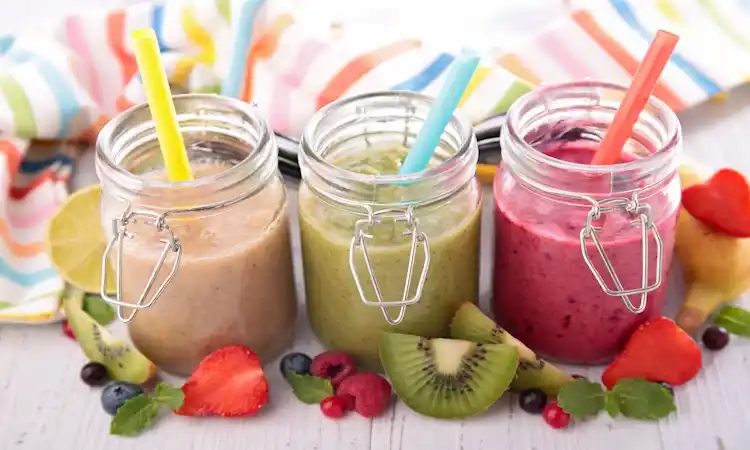
Your kid asks for a snack, you hand over apple slices, and suddenly you are in a full negotiation. Sound familiar? Picky eating can feel like trying to sneak a new song onto a playlist that only allows one track.
That is why Healthy Hidden Veggie Smoothies for Kids work so well. When fruit is cold, sweet, and blended silky smooth, veggies stop feeling like a “no” food. Smoothies also help on busy mornings because they take just a few minutes and travel well.
In this post, you will get a simple smoothie formula you can repeat, kid-approved flavor combos (including spinach smoothies for kids that look pink, not green), plus safety tips for toddlers and older kids. You do not need fancy powders or perfect produce. You just need a plan that tastes like fruit first.
Weight Loss Programs

Diet & Weight Loss

Diet & Weight Loss
The Book on Heat – Unlocking Metabolic & Weight Loss Strategies
Diet & Weight Loss

Diet & Weight Loss
Most kids are not judging a smoothie like a food critic. They react fast. Does it look safe? Does it smell sweet? Does the first sip match what they expected? Hidden vegetable smoothies for picky eaters win because they control those first impressions.
Veggies also blend into a texture kids already like. Think of it like mixing a new Lego piece into a set they build all the time. If it clicks in easily, they accept it. If it changes the whole build, they push it away.
Another perk is repetition. When kids see the same cup, the same color, and the same name, they relax. That makes it easier for you to slowly raise the veggie amount without announcing it.
Sweetness, color, and texture: what kids notice first
Fruit does the heavy lifting. Banana, mango, and berries bring sweetness, strong aroma, and a familiar taste. Meanwhile, a creamy base (milk, yogurt, or a dairy-free option) makes the drink feel like a treat.
Cold helps too. Chilled smoothies dull bitter notes, which is useful when you add greens. Frozen fruit also thickens the blend, so you can use less juice and still keep it tasty.
Color matters more than many parents expect. Pink and purple often feel “safer” than bright green. A handful of baby spinach can disappear in a berry smoothie, especially if you use frozen blueberries or mixed berries. The result looks like fruit, so kids taste fruit.
If you want more inspiration for smoothies with hidden vegetables, this roundup has lots of flavor ideas to spark your own combos: smoothies for kids with hidden veggies.
Start small and build trust with a “same smoothie” routine
The fastest way to lose a picky eater is the big reveal. “Guess what, that was spinach!” might feel fun to you, but it can feel like a trick to them. Instead, aim for a calm routine.
Start with a mild veggie in a small amount, then keep the flavor steady for about a week. After that, increase the veggie slowly, like moving the volume up one click at a time.
A simple script helps avoid power struggles:
“It is our strawberry smoothie. It tastes the same every time.”
Name it by the fruit, not the vegetables. Keep your face neutral. If they sip and move on, you win.
If you want long-term success, protect the first sip. Familiar taste beats “surprise nutrition” every time.
A simple formula for kid-friendly green smoothies and beyond
You do not need a strict recipe to make fruit and veggie smoothies for kids. A repeatable method works better because it uses what you already have. It also keeps you from adding extra sweeteners just to fix a blend that went sideways.
The goal is balance: enough fruit for sweetness, enough veggie to count, enough liquid to blend, and something creamy so it feels satisfying. From there, you can tweak thickness and flavor based on your child’s age and preferences.
If you want a second perspective on building healthy smoothies for toddlers and preschoolers, this master-method style guide is helpful: favorite toddler smoothie with veggies.
The core ratios: fruit, veggie, liquid, and something creamy
Use this as your baseline for one large kid-sized smoothie (or two smaller servings):
- 1 cup fruit (fresh or frozen)
- 1/2 cup mild veggie (or start with 1/4 cup if your kid is cautious)
- 3/4 to 1 cup liquid (milk, water, or dairy-free milk)
- 1/4 to 1/2 cup creamy add-in (Greek yogurt, regular yogurt, or a dairy-free yogurt)
From there, adjust based on what you see in the blender:
If it is too thick, add a splash more liquid and blend again. If it tastes “too green,” add more fruit, not honey or syrup. If the color looks suspicious, reach for purple fruit (blueberries) or cocoa powder for a brown “milkshake” look.
Frozen fruit usually works better than ice because it adds sweetness and body without watering things down. On the other hand, a few ice cubes can help if your fruit is fresh and you still want that frosty feel.
Sugar does not have to be a battle. Aim for naturally sweet fruit first, then let that be enough most days. If you do add sweetener, keep it small, and save it for blends with strong veggies.
Best “sneaky” veggies to start with, and which ones to wait on
Mild veggies blend smoothly and stay quiet in the background. Start here:
Baby spinach is the classic because it has a soft texture and a mild taste when blended with berries or banana. Steamed cauliflower adds creaminess without much flavor, especially in blueberry blends. Zucchini works well in chocolate smoothies because cocoa covers any hint of green.
Cooked sweet potato and canned pumpkin bring natural sweetness and a thick texture, which is great for healthy smoothie recipes for toddlers. Cooked carrots also blend nicely and pair well with mango and orange.
A couple quick tips make a big difference. First, use steamed and cooled veggies when possible because cooking softens fibers and smooths the texture. Second, freeze portions (like cauliflower florets or zucchini chunks) so your smoothie stays cold without extra ice.
Wait a bit on stronger flavors. Kale can taste bitter, raw beet can turn the whole thing earthy fast, and celery can take over. Those can work later, once your kid trusts the routine.
Sneaky veggie smoothie recipes kids actually ask for
These sneaky veggie smoothie recipes are meant to feel easy, not precious. Each one uses common ingredients, blends in minutes, and tastes like fruit (or dessert). Every recipe is “blend until smooth.” If your blender struggles, add more liquid and blend longer.
Want a chocolate option with the same “looks like a milkshake” logic? This is a similar idea: chocolate spinach smoothie with hidden vegetables.
Berry Banana “Pink Power” (spinach disappears)
Blend 1 cup frozen mixed berries, 1 small banana, 1/2 cup baby spinach, and 3/4 cup milk (or oat milk). For extra creaminess, add 1/4 cup Greek yogurt or dairy-free yogurt.
It turns bright pink or purple, not green, which helps hesitant kids. Taste and adjust (more banana to sweeten, more milk to thin).
Chocolate Peanut Butter Zucchini (dessert vibe, veggie hidden)
Blend 1 banana, 1/2 cup zucchini chunks (fresh or frozen), 1 tablespoon cocoa powder, 1 tablespoon peanut butter (or sunflower seed butter), and 3/4 cup milk of choice.
For toddlers, stick with a seed butter if needed and skip added sweeteners. Taste and adjust (more banana for sweetness, more milk for a thinner sip).
Mango Carrot Creamsicle (bright and sweet)
Blend 1 cup frozen mango, 1/3 cup cooked carrot or carrot puree, and 3/4 cup orange juice or unsweetened almond milk. Add 2 tablespoons yogurt for a creamsicle vibe.
This one tastes like a fruity popsicle and works as a snack. Taste and adjust (more mango to sweeten, more liquid to thin).
Blueberry Cauliflower “Milkshake” (extra creamy, no cauliflower taste)
Blend 1 cup frozen blueberries, 1/2 cup steamed and frozen cauliflower florets, 3/4 cup milk (or soy milk), and 1/2 teaspoon vanilla extract. Add 2 tablespoons quick oats if you want it thicker.
Cauliflower makes it creamy without a strong flavor when blueberries lead. Taste and adjust (more blueberries for sweetness, more milk to thin).
Pumpkin Pie Oat Smoothie (great for toddlers and picky eaters)
Blend 1/2 cup canned pumpkin, 1 banana, 2 tablespoons oats, and 3/4 cup milk (dairy or oat milk). Add a small pinch of cinnamon, then blend extra well so it turns silky.
Keep spice mild so it stays kid-friendly. Taste and adjust (more banana to sweeten, more milk to thin).
Make it safe, low-stress, and doable on busy mornings
Smoothies should make your day easier, not add another complicated habit. A few safety checks and simple prep steps help you stick with it, even when mornings are chaotic.
Also, remember the goal. You are building acceptance over time, not forcing a perfect nutrition score by 7:45 a.m.
If you want another chocolate hidden veggie approach, this recipe shows a similar direction with kid-friendly flavors: hidden veggie chocolate smoothie.
Toddler and preschool safety checks (texture, choking, and allergies)
Blend until fully smooth, especially for toddlers. Tiny bits of seeds, oats, or frozen fruit chunks can be a texture dealbreaker, and they can be risky for very young kids.
Skip whole nuts for little ones. Use nut butters or seed butters instead. If your child has allergies, talk with your pediatrician about safe options and cross-contact at home.
Avoid honey for children under 1. That guidance is widely recommended, so stick with fruit for sweetness.
Choose an age-appropriate cup. A straw cup can be easier for toddlers, but supervision matters. Sit with them, offer small servings, and watch how fast they drink so they do not cough.
Prep once, blend fast: freezer packs and smart leftovers
Freezer smoothie packs save the morning. Add fruit plus veggie to a zip-top bag, then include any dry add-ins like oats or cinnamon. Label it with the smoothie name your kid knows, like “Pink Power.”
At blend time, dump the bag into the blender, add liquid and yogurt, and blend. The routine becomes almost automatic.
If you have leftovers, refrigerate up to 24 hours in a sealed container. The smoothie may separate, so shake hard or re-blend before serving. You can also freeze extra into popsicle molds, which feels like a treat after school.
A small picky-eater trick helps too. Let them pick the cup, the straw color, or the smoothie name. That tiny choice can turn “no” into “fine.”
Conclusion
If your child only takes two sips today, that still counts. Progress beats perfection, especially with hidden vegetable smoothies for picky eaters. Start with one recipe, one mild veggie, and a “same smoothie” routine for a week, then slowly nudge the veggie amount up.
Most importantly, make that first sip easy. If the smoothie tastes like fruit, kids are more likely to go along with it. Start with one flavor, set up one freezer pack tonight, and try again tomorrow if today doesn’t work. With this smoothie guide, your next win could be as simple as pressing one button on the blender, and that’s a solid place to begin.

The AnySmoothie team is all about smarter smoothie recipes made with whole-food ingredients. Everything we share centers on balanced nutrition, steady energy, and low-glycemic choices, so you can sip a smoothie that keeps you full, feels good, and helps you avoid sugar crashes.
- Disclaimer: This content is for educational use only. These smoothie recipes and nutrition details aren’t a substitute for medical advice from a licensed health professional. Please read our full Medical Disclaimer here.
Dietary Supplements
Dietary Supplements
ZenCortex – Daily Support for Brain Clarity and Hearing Health

Dietary Supplements
Dietary Supplements
Dietary Supplements