
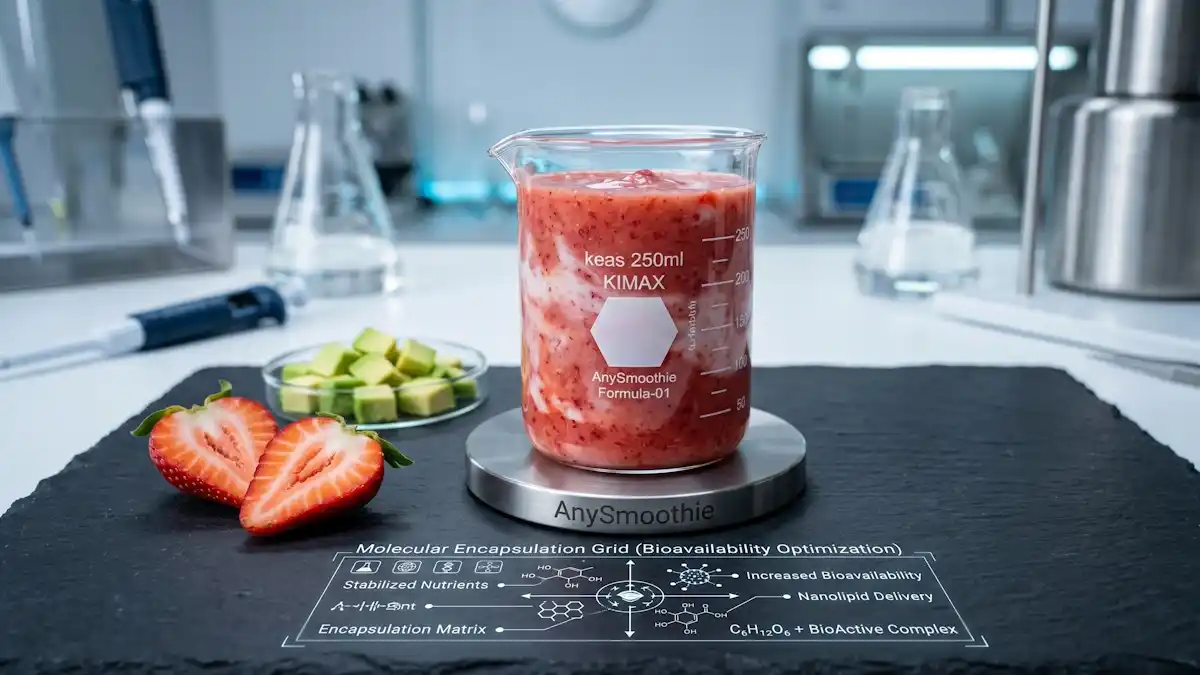
A strawberry yogurt smoothie can do more than taste good. Built the right way, it can help polyphenols survive digestion and reach the gut in a form your body can use. Polyphenols are plant compounds found in berries, and strawberries bring a useful mix of anthocyanins and other color-rich molecules. The goal here is simple, pair the fruit with ingredients that help those compounds stay stable, move well, and release at the right time.
That makes a strawberry yogurt smoothie for polyphenol bioavailability more about food mechanics than hype. Strawberries, yogurt, and a few smart add-ins can change how the drink behaves from the first sip to the small intestine. A pilot study on strawberry anthocyanins found that beverage composition changed plasma response.
The Polyphenol-Protein Complex: Mechanics of Macromolecular Binding
The smoothie matrix matters because digestion is not a straight pipe. As a blend moves through the stomach and small intestine, its proteins, fats, and fibers shape how long polyphenols stay protected. Yogurt gives the fruit a protein-rich matrix, which can slow exposure to harsh shifts in pH and enzymes.
For strawberry anthocyanins, that extra protection can matter. The fruit brings fragile compounds, and the dairy base changes how they travel.
Casein Micelles and Anthocyanins: Protecting Antioxidant Structural Integrity
Casein micelles are tiny protein clusters in yogurt. They can bind strawberry anthocyanins reversibly, which helps shield them from the pH swing that happens in the duodenum. That does not trap the compounds forever. It just changes the way they move through digestion, and that can preserve more structural integrity on the way in.
Why Yogurt Texture Can Slow Breakdown and Support Uptake
A thicker yogurt base also slows gastric emptying. That means compounds leave the stomach in a more measured stream, so enzymes in the upper small intestine are less likely to hit everything at once. A strawberry yogurt digestion study found that fruit yogurt still released meaningful polyphenols during digestion.
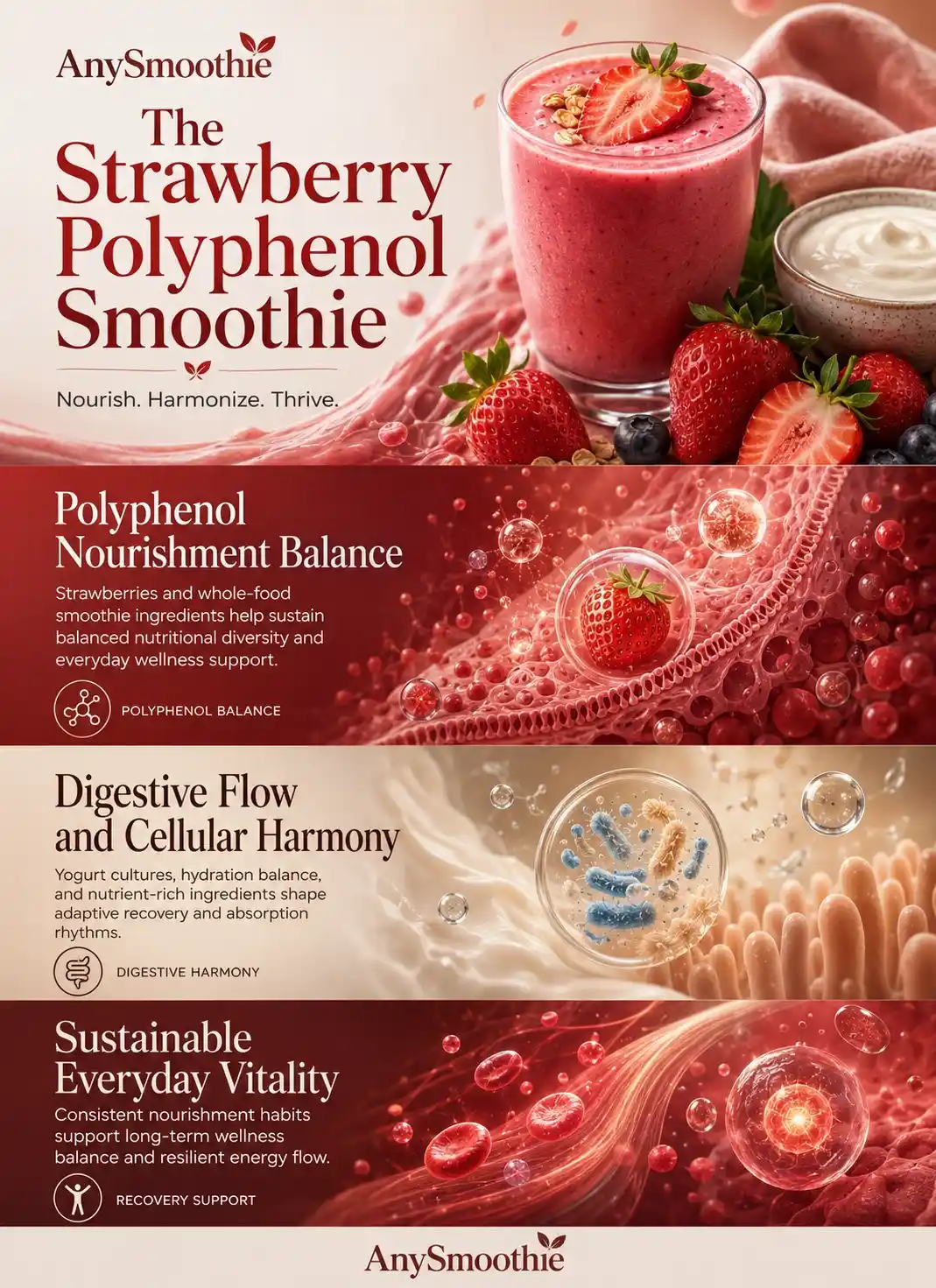
A thicker matrix changes timing, and timing changes exposure.
For a smoothie, that usually means strained yogurt or Greek yogurt beats a watery blend.
Which Smoothie Add-ins Help Absorption the Most?
Add-ins change the way the smoothie behaves. Some help polyphenols stay stable. Others help lipophilic metabolites cross the gut lining. The right choice depends on the goal, not on adding more ingredients.
| Matrix Modulator | Physiological Mechanism | Serum Influx Velocity | Best Smoothie Pairing | Target Physiological Outcome |
|---|---|---|---|---|
| Milk Protein / Casein Micelles | Reversibly binds anthocyanins and helps shield them from high alkaline duodenal pH | Moderate, steady release | Strawberries + strained yogurt | Better protection of fragile berry polyphenols |
| Plant-Derived Lipids (Avocado Monounsaturated Fats) | Encapsulates hydrophobic aglycones in mixed micelles, helping them cross the unstirred water layer of enterocytes | Higher for lipid-friendly metabolites | Strawberries + yogurt + avocado | Better transport of lipophilic metabolites |
| Soluble Viscous Fibers (Chia Mucilage) | Delays gastric emptying and smooths enzymatic load in the upper jejunum | Slower, delayed release | Strawberries + yogurt + chia | More gradual exposure and a longer digestion curve |
For a strawberry yogurt smoothie, yogurt plus avocado is the strongest all-around pairing when you want both shielding and transport. Chia is useful when you want a slower digestive pace. Casein is the anchor that makes the whole mix more stable.
When to use avocado, chia, or extra dairy in the blend
Use avocado when you want more creaminess and better handling of fat-friendly compounds. Choose chia when you want a thicker drink and a slower curve. Add more yogurt when you want extra protein and a steadier base.
The best choice depends on whether you care most about anthocyanins, lipophilic metabolites, or a gentler pace through the gut.
Intestinal Influx Path: Overcoming the Depolymerization Barrier
Once the smoothie reaches the small intestine, absorption becomes a pathway, not a single event. Some compounds enter cells quickly. Others get changed before they ever reach the bloodstream in their original form. That is normal physiology.
The food matrix changes the timing, the exposure, and the form that gets through. That is why a smoothie built for structure often performs better than one built for sweetness alone.
Microvilli Glucuronidation: Navigating Phase II Enzymatic Transformations
At the microvilli, Phase II transformation can begin. Glucuronidation attaches a glucuronic acid group to some compounds, which helps the body process and move them along. This is part of normal handling, not a problem to avoid.
A matrix that slows release can spread this transit out. As a result, compounds are less likely to arrive all at once and more likely to move through in a controlled way.
Why Stable Blood Levels Matter More Than a Quick Spike
A slow, steady rise often matters more than a sharp burst that fades fast. Consistent delivery gives tissues a longer window to see the compounds, which supports metabolic efficiency.
For a smoothie, that means balanced texture and modest portions beat a giant sugar load. The goal is smooth exposure, not a flood.
3 Polyphenol-Prime Bioavailability Smoothie Recipes
These versions keep the same base but shift the matrix. Pick one based on the exposure curve you want.
Biohacking Enteric Transit: Maximizing Plasma Anthocyanin Spikes
The cleanest way to support anthocyanin exposure is to avoid chaotic blends. Keep the smoothie fresh, keep the sugar load modest, and keep the portion size sane. Bigger is not better if the goal is a steady release.
Mitochondrial Priming: Supporting the Cellular Energy Cost of Active Xenobiotic Transport
Cells use energy to move and process compounds across membranes. A smoothie that releases polyphenols in a steady stream fits that demand better than a fast sugar surge. That is one reason protein, fat, and fiber matter together.
Small Prep Choices That Can Change the Result
Use ripe strawberries for better flavor and easier blending. Pick plain yogurt so added sugar does not crowd the matrix. Serve the smoothie fresh, and avoid overblending if you want to keep the texture useful. Small prep choices can change how the drink behaves in the gut.
Conclusion
A strawberry yogurt smoothie works best when the ingredients do more than taste good together. Casein helps shield anthocyanins, avocado supports transport of lipophilic metabolites, and chia slows the ride when a gentler release makes sense.
That is the real value of this approach. The smoothie becomes a small system built for digestion, not just a cold drink with fruit in it. Choose the version that matches your goal, then keep it simple enough to make again tomorrow.
🛡️ Safety Notes & Dietary Interactions
Macromolecular Binding Dynamics: Reversible binding between strawberry anthocyanins and dairy casein micelles temporarily alters the molecular weight of these pigments during the gastric phase. To support smooth intestinal transit and avoid overwhelming localized upper digestive pathways, introduce these protein-dense matrices at a steady, conversational drinking pace.
Microvilli Phase II Transformation: Plant-derived polyphenols undergo active glucuronidation and sulfation at the enterocyte microvilli during their initial transport phase. Because these Phase II clearance networks share baseline cellular resources with other daily compounds, individuals managing routine daily medication protocols should space their functional fruit-and-dairy smoothies a few hours away from their standard schedules.
Mixed Micelle Lipid Influx: Utilizing dense fat sources like avocado monounsaturated lipids accelerates the encapsulation of hydrophobic aglycones into transport micelles. If you monitor your daily blood sugar parameters or use targeted metabolic tracking tools, keeping the overall fruit-to-fat balance standardized ensures your post-ingestion energy metrics stay perfectly flat.
Gastric Emptying Deceleration: Combining viscous chia mucilage with dense strained yogurt significantly alters the propulsion velocity of the stomach contents into the duodenum. If your digestive tract operates on a highly sensitive baseline, blending the seeds thoroughly into the fluid matrix supports comfortable, gradual gastric emptying.
FAQ
Why do fragile berry polyphenols often degrade before they can ever benefit your cells?
The issue is driven by the extreme shifts in chemical environment along your digestive tract. Strawberry anthocyanins are highly sensitive to changes in pH; while they remain stable in the acidic environment of the stomach, they face a sudden, harsh alkaline transition the moment they pass into the duodenum. This rapid pH change causes the delicate molecular structure of the antioxidant to unzip and break down (depolymerization), destroying a massive percentage of the active compounds before your small intestine can absorb them.
How do the casein micelles in yogurt act as a structural shield for berry antioxidants?
Think of casein micelles as microscopic, spherical protein life-rafts native to strained yogurt. When you blend strawberries with yogurt, these protein clusters form a reversible macromolecular bond with the fragile anthocyanins. This physical pairing encapsulates the plant pigments, shielding them from chemical shock as they move through the digestive pipeline. Once the mix reaches the upper jejunum, the bond naturally releases, delivering the polyphenols to your enterocytes in their full, undamaged structural integrity.
Why does adding a quarter of an avocado to a berry smoothie radically improve nutrient transport?
While some plant compounds are water-soluble, many vital polyphenol metabolites and aglycones are strictly lipophilic, meaning they only dissolve in fats. If these fat-friendly molecules arrive in the gut without a lipid companion, they cannot cross the unstirred water layer that lines your intestinal wall. The monounsaturated fats in avocado trigger the immediate formation of mixed micelles during digestion—microscopic fat droplets that wrap around the lipophilic nutrients and carry them smoothly across the cellular membrane.
What is microvilli glucuronidation, and why does a slower digestion speed optimize it?
Microvilli glucuronidation is a key part of your body’s Phase II cellular processing. As plant compounds enter the cells of your intestinal lining, specialized enzymes attach a glucuronic acid molecule to them, turning them into highly stable, water-soluble metabolites that your circulatory system can easily handle. However, these enzymes can be easily overwhelmed if a huge flood of sugar and fruit hits them all at once. Slowing down digestion with dense yogurt or chia fiber ensures a metered, manageable stream of nutrients, preventing an enzymatic bottleneck.
When is the most efficient window to drink a polyphenol-bioavailability smoothie for stable plasma levels?
To capture the highest return on cellular energy and active xenobiotic transport, the ideal window is as a standalone morning breakfast or as a mid-day metabolic reset. Drinking your smoothie during these active windows provides your enterocytes with a steady, flat source of fuel alongside the protein-polyphenol complexes. This prevents the sharp plasma spikes and rapid crashes associated with juice-heavy drinks, allowing your systemic tissues a much longer, cleaner exposure window to utilize the active compounds effectively.

Medical Disclaimer: AnySmoothie content is for educational purposes only and is not a substitute for professional medical advice. Consult a healthcare provider for personalized guidance. See our full Disclaimer & Terms of Use. AI Transparency: AnySmoothie may use AI to support content development. All content undergoes human editorial review for accuracy, clarity, and editorial quality. See our full AI Transparency.