
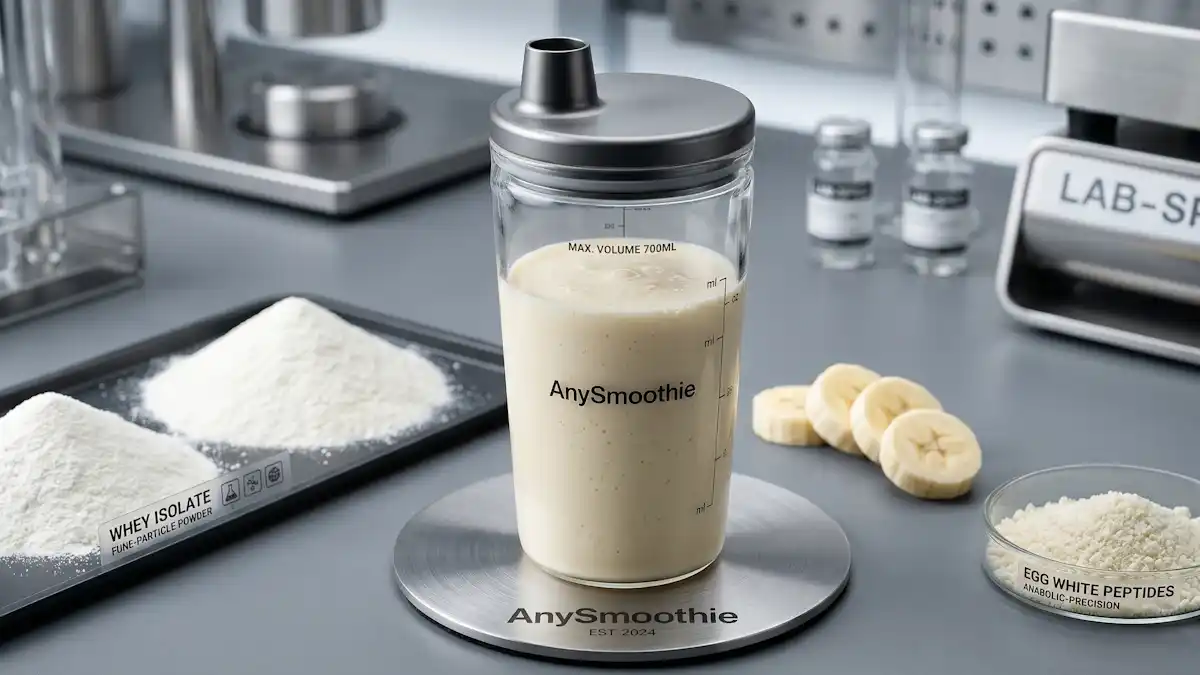
A protein smoothie can do more than fill you up. It can help your body stay in a better nitrogen state, where protein intake outpaces protein breakdown.
That matters after training, during busy workdays, and anywhere recovery needs to keep moving. A smart smoothie delivers amino acids fast, with little effort and little guesswork.
The details matter more than the hype. Protein type, timing, mix-ins, and digestion speed all shape the result. Get those right, and the smoothie works like a clean supply line for repair.
The Nitrogen Equation: Kinetics of Intracellular Amino Acid Retention
Nitrogen balance is simple at the core. If you take in more protein than you break down, your balance moves in a better direction. That does not mean every gram acts the same way, because amino acids differ in how fast they appear in blood and how well your body keeps them.
A good smoothie can help raise amino acid availability when your muscles want it most. That is where nitrogen retention improves. The goal is not just intake, it is useful retention. A clear review of protein turnover and muscle growth is in this review on protein and hypertrophy.
Net Protein Utilization, explained without the jargon
Net protein utilization is the share of protein your body can use well. Higher quality proteins give you more usable amino acids after digestion. Digestibility matters too, because a protein that passes through poorly gives you less return.
That is one reason whey protein isolate works so well after training. It tends to drive a fast rise in blood amino acids and has a strong net protein utilization value for acute post-workout support.
Why amino acid delivery speed changes the outcome
Fast protein digestion can trigger a strong amino acid surge. That surge supports muscle protein synthesis and can help limit breakdown after hard exercise. Slow digestion does something different. It keeps amino acids coming for longer.
Both patterns help, but they fit different jobs. Fast release is useful when recovery needs a quick signal. Slow release is better when you want a steadier feed of building blocks over hours.
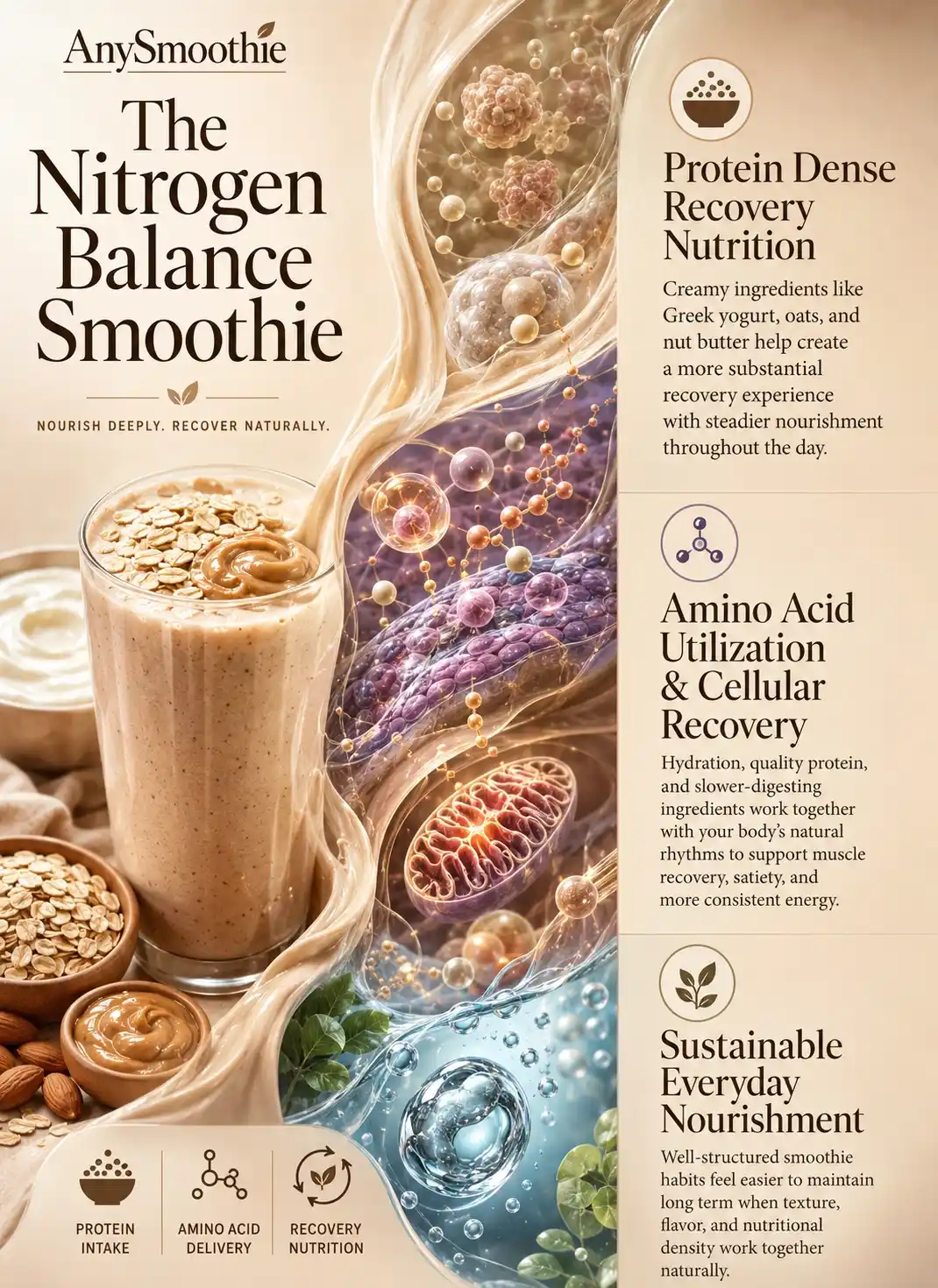
Which Protein Powders Give the Best Support for Nitrogen Retention?
The best powder depends on your goal, not just your taste. This quick comparison makes the tradeoffs easier to see.
| Protein Source | Physiological Mechanism | Absorption Velocity | Best Smoothie Pairing | Primary Target Downstream Consequence |
|---|---|---|---|---|
| Whey Protein Isolate | Rapidly induces hyperaminoacidemia and strongly supports muscle protein synthesis | Fast, blood peak is usually quick | Fruit, ice, and simple carbs | Highest net protein utilization for acute post-workout signaling |
| Micellar Casein | Provides a metered amino acid influx and helps suppress proteolysis | Slow, blood peak is extended | Thick bases, yogurt, nut butter | Longer amino acid availability and steadier nitrogen retention |
| Pea/Rice Isolate Blend | Supplies a complementary amino acid profile that fits human skeletal needs better than either alone | Moderate | Soy milk, oats, nut butter | Solid plant-based support when total protein is high enough |
The best smoothie matches the job. Fast recovery wants fast amino acids. Longer gaps want slower release.
Why whey protein isolate works well right after training
Whey is rich in essential amino acids, and it absorbs fast. That makes it a strong choice when the goal is a quick post-workout signal. It pairs well with banana, berries, ice, and a light liquid base.
If you want a smoothie that feels sharp and light, whey is the cleanest fit. It gives you fast amino acid delivery without a heavy texture.
When micellar casein makes more sense
Casein works more slowly, so it feeds amino acids over a longer window. That can help when you want less protein breakdown between meals or before bed. The thicker texture also works well in a more filling smoothie.
Use it when the goal is sustained support, not speed. It is the slow drip, not the quick spike.
How a pea and rice blend can fit plant-based goals
A pea and rice blend improves the amino acid profile compared with either source alone. That matters because plant proteins can vary more in essential amino acids. A well-built plant-based smoothie can still support nitrogen balance.
For better texture and fuller nutrition, pair it with oats, soy milk, or nut butter. The total protein dose matters here, so make the smoothie substantial enough to count.
Hyperaminoacidemia and the Insulin Vector: Driving Cellular Influx
Protein works best when the rest of the smoothie helps, not hinders. A small amount of carbohydrate can support insulin release, which helps move amino acids into cells. You do not need a sugar bomb. You need enough carb to support the signal.
The best add-ins for a faster insulin response and better nutrient delivery
Banana, oats, honey, and berries all work, but they change the pace. Banana and honey digest faster. Oats slow the mix down a bit and add more fullness. Berries sit in the middle and keep the flavor clean.
When to keep fat and fiber low, and when to use them
After training, too much fat or fiber can slow digestion more than you want. That can delay amino acid arrival. On the other hand, those ingredients help when the goal is fullness or longer support.
Use less fat and fiber for a fast-recovery shake. Use more when the smoothie is replacing a meal.
How much protein to aim for in one smoothie
Aim for enough protein to make the smoothie count, not just taste good. For most people, that means a meaningful serving, often around 25 to 40 grams. Body size, training load, and meal timing all affect the target.
If the smoothie is your main recovery drink, err toward the higher end. If it sits next to a full meal, you can go lower.
3 Nitrogen-Max Hyper-Protein Smoothie Recipes
These three formulas match different goals. Keep the ingredient list short so the protein does the work.
Fast Post-Workout Whey Smoothie for Rapid Amino Acid Delivery
Ingredients
- 1 scoop whey protein isolate
- 1 medium banana
- 1 cup low-fat milk
- ½ cup ice
- Pinch of salt, optional
Pour the milk into the blender first. Add the whey isolate, banana, ice, and salt if using. Blend until completely smooth.
Whey is a rapidly digested, leucine-rich, high-quality protein that can support post-exercise muscle protein synthesis. Banana and milk provide carbohydrates that can contribute to glycogen replenishment after training, although recovery also depends on overall protein, carbohydrate, and energy intake.
Estimated Nutrition per Serving
- Calories: ~340 kcal
- Protein: ~34 g
- Carbohydrates: ~43 g
- Fat: ~5 g
- Fiber: ~3 g
- Sugars: ~29 g
Slow-Release Casein Smoothie for Longer Amino Acid Support
Ingredients
- 1 scoop micellar casein
- 1 cup low-fat milk
- ¾ cup frozen mixed berries
- 1 tablespoon almond butter
- ¼ cup cold water, if needed
Pour the milk into the blender first. Add the casein, frozen berries, and almond butter. Blend until thick and completely smooth, adding the water gradually if the mixture becomes too dense.
Micellar casein is digested more slowly than whey and provides essential amino acids over a longer period. It can work particularly well before a prolonged gap without food, including before sleep, while berries contribute carbohydrates, fiber, and polyphenols.
Estimated Nutrition per Serving
- Calories: ~390 kcal
- Protein: ~38 g
- Carbohydrates: ~35 g
- Fat: ~12 g
- Fiber: ~7 g
- Sugars: ~23 g
Plant-Based Smoothie for a Balanced Protein Hit
Ingredients
- 1 scoop pea-and-rice protein blend
- 1 cup unsweetened soy milk
- ¼ cup rolled oats
- ¾ cup frozen mixed berries
- 1 tablespoon almond butter
- ½ cup ice, optional
Pour the soy milk into the blender first. Add the protein blend, oats, frozen berries, almond butter, and ice if using. Blend until completely smooth.
Pea-and-rice protein provides a complementary mixture of plant-derived amino acids, while soy milk contributes additional high-quality plant protein. Oats and berries provide carbohydrates and fiber, and almond butter adds unsaturated fat. A sufficiently protein-rich plant-based meal can support muscle protein synthesis and recovery alongside appropriate training and overall nutrition.
Estimated Nutrition per Serving
- Calories: ~475 kcal
- Protein: ~39 g
- Carbohydrates: ~49 g
- Fat: ~17 g
- Fiber: ~11 g
- Sugars: ~16 g
If I were using this after training, I’d blend the oats with the soy milk for 10–15 seconds before adding the other ingredients. It gives the plant protein and oats a noticeably smoother texture without needing extra liquid.
Managing Protein Influx Frequency
Protein timing matters as much as protein type. If you train hard, one smoothie may not solve the whole day. You still need regular protein hits across meals so amino acid availability stays steady.
Mitochondrial Priming: Supporting the Energetic Cost of Transmembrane Amino Acid Transport
Amino acid transport costs energy, so recovery works better when total calories are not too low. A small carb dose can help support that process, especially after training. Regular meals also help keep the system supplied.
That means the best smoothie is part of a bigger pattern. It supports the day, it does not replace the day.
Common mistakes that weaken protein smoothie results
Underdosing protein is the most common miss. So is loading the smoothie with so much fat and fiber that digestion slows too much. Another mistake is treating the shake like the whole plan instead of one tool.
Low-quality protein powders can also drag down the result. Choose the source that fits the goal, then keep the rest of the recipe clean.
Conclusion
The best smoothie for maximizing nitrogen balance is the one that matches the moment. Fast whey works well after training, casein fits longer gaps, and a pea-rice blend can support plant-based goals when the dose is high enough.
Protein quality, timing, and smart add-ins shape how well the body uses each sip. Build the smoothie for the job, and it becomes a simple way to support recovery, retention, and better daily protein use.
🛡️ Safety Notes & Dietary Interactions
Urea Cycle Dynamics and Hydration: Achieving a sustained hyperaminoacidemia shifts the body into a positive nitrogen balance to optimize tissue repair. Because the clearance of urea—the natural biochemical byproduct of increased protein turnover—places an active operational load on renal pathways, keeping a consistent, high-quality fluid intake alongside your protein formulations supports seamless filtration.
Insulin-Mediated Potassium Influx: Pairing rapid-absorbing proteins with carbohydrates triggers a functional insulin response that drives both amino acids and potassium ions into the muscle cells via cellular simportaters. If you track your daily metabolic data or utilize targeted cardiovascular parameters, maintaining a standardized nutrient composition in your recovery blends ensures your biological metrics remain steady and predictable.
Gastrointestinal Transit Velocity: Stacking slow-release micellar casein or dense plant isolates shifts the local osmotic density and alters gastric emptying times. If your digestive tract operates on a highly sensitive baseline, blending the formulation with a light fluid matrix and consuming it at a measured pace prevents localized upper GI fullness.
Ecosystem Proteolysis Balance: Flooding the lower intestinal tract with unabsorbed protein residue can alter the metabolic activity of your resident gut flora, driving a shift toward proteolytic fermentation. To ensure optimal net protein utilization and maintain a balanced digestive ecosystem, match your smoothie’s total protein mass precisely to your current training demands rather than chasing excessive doses.
FAQ
What exactly is nitrogen balance, and how does a smoothie turn it into a positive asset?
Nitrogen is a fundamental chemical element found exclusively within the molecular structure of amino acids, making it the perfect tracker for your body’s total protein stores. A positive nitrogen balance means that the volume of nitrogen you ingest through high-quality proteins is actively outstripping the amount your body breaks down during hard training or stressful days. Providing your cells with a rapidly digestible, liquid stream of amino acids ensures your bloodstream maintains a rich pool of building blocks, signaling your tissues to continuously repair and retain muscle structure rather than breaking it down for emergency fuel.
Why does whey protein isolate trigger a significantly stronger recovery signal than standard whole foods right after exercise?
The difference comes down to a property known as hyperaminoacidemia velocity. Whole-food protein sources require extensive mechanical and enzymatic breakdown in your stomach, meaning amino acids trickle into your bloodstream slowly over several hours. Whey protein isolate, however, is structurally un-complex and passes through the gastric barrier almost instantly. This creates a rapid, intense surge of essential amino acids—specifically the master trigger leucine—in your blood. This sudden molecular spike acts like a loud wake-up call that immediately activates the mTOR pathway, jumpstarting muscle protein synthesis when your cells are most receptive.
How does adding a simple banana to your protein shake completely transform cellular nutrient delivery?
Adding a clean carbohydrate source like a banana shifts your body from simple digestion into active nutrient partitioning via the GLUT-4 translocation pathway. The natural sugars in the fruit trigger a modest, controlled release of insulin from the pancreas. Insulin works like a master key for your working muscle cells; it binds to surface receptors, commanding them to open up their transport gates. This allows the cell membranes to aggressively pull both the circulating glucose and the incoming amino acids out of the bloodstream and lock them directly inside the muscle tissue for glycogen replenishment and immediate cellular structural repair.
What is the specific structural advantage of using micellar casein before a long fasting window or bed?
While whey protein is built for rapid assimilation, micellar casein is nature’s ultimate slow-release time capsule. When casein hits the acidic environment of your stomach, it interacts with gastric juices to form a physical, jelly-like matrix or “clot.” This unique biochemical property forces your digestive enzymes to chip away at the protein structure very slowly. Instead of an immediate spike, micellar casein delivers a metered, consistent, and elongated stream of amino acids to your systemic circulation for up to seven hours, making it the perfect anti-proteolytic shield to prevent muscle breakdown during the night.
How does combining pea and rice protein fix the typical biological bottleneck of plant-based nutrition?
Most single-source plant proteins suffer from what is known in biochemistry as a limiting amino acid bottleneck. For example, pea protein is naturally rich in lysine but runs low on methionine, while rice protein is packed with methionine but lacks a meaningful hit of lysine. If you consume either one alone, your body’s net protein utilization hits a wall the moment the lower amino acid runs out. Blending pea and rice isolates together creates a perfectly complementary amino acid profile that closely mimics the architecture of human skeletal tissue, ensuring your cells have an uninterrupted supply line to maintain a clean nitrogen balance.

Medical Disclaimer: AnySmoothie content is for educational purposes only and is not a substitute for professional medical advice. Consult a healthcare provider for personalized guidance. See our full Disclaimer & Terms of Use. AI Transparency: AnySmoothie may use AI to support content development. All content undergoes human editorial review for accuracy, clarity, and editorial quality. See our full AI Transparency.