
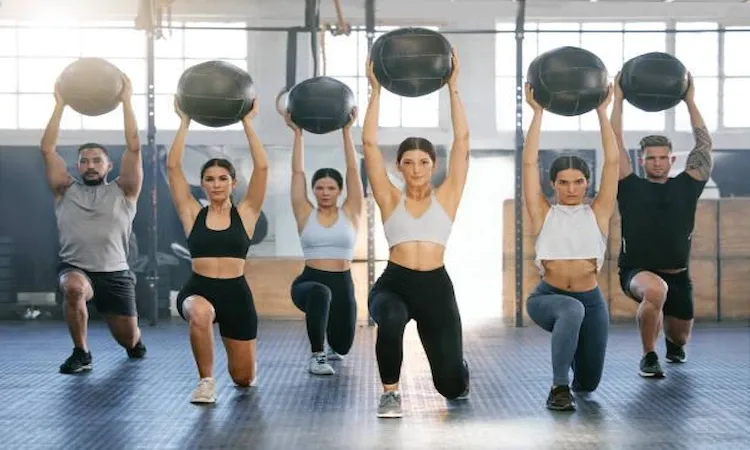
A gym ball, also called a stability ball or Swiss ball, looks simple, but it changes how your body works. The moment you put your hands, back, or feet on it, your muscles have to steady you. That’s why gym ball exercises are so good for core strength, balance, and posture.
It’s also joint-friendly. The ball can support your body during moves like squats, presses, and bridges, which helps many people train with less stress on wrists, knees, and hips.
This guide is for beginners and experienced lifters, whether you’re training at home or in a gym. You’ll learn how to choose the right ball size, set up safely, and follow a simple full-body routine you can repeat all week.
Weight Loss Programs

Diet & Weight Loss

Diet & Weight Loss
The Mediterranean Diet – Diamond Evergreen Digital Diet Program
Diet & Weight Loss
The Underground Fat Loss Manual – Hidden Strategies for Weight Management
Diet & Weight Loss
Get Set Up First: Choose the Right Gym Ball and Stay Safe
Before you start rolling around, set yourself up to win. The right size and a safe setup make the ball feel stable instead of sketchy.
Pick the right ball size and inflate it correctly
Most gym balls come in 55 cm, 65 cm, and 75 cm. A quick guide many coaches use is:
- 55 cm: about 4’11” to 5’5″
- 65 cm: about 5’6″ to 5’11”
- 75 cm: about 6’0″ to 6’5″
For a simple check, sit on the ball with feet flat. Your knees should be close to 90 degrees, and your hips should be level with, or slightly higher than, your knees. For a height-to-size chart you can compare against, see PhysioWorks’ exercise ball sizing guide.
Inflation matters as much as size. Aim for firm, not rock hard. A ball that’s too soft will wobble more and can strain your back. Many balls also stretch a bit after the first fill, so inflate it, let it sit for several hours, then top it off. If you want a practical explanation of pressure and “feel,” Everyday Health’s guide to proper inflation is a helpful reference. Also check the ball’s weight rating and confirm it’s anti-burst.
Gym ball safety checklist for beginners
Use a non-slip surface. A yoga mat or rubber flooring works well, avoid slick hardwood if you can. Clear space around you so the ball can’t roll into furniture.
Footwear is optional. Barefoot can help grip the floor, training shoes can feel steadier during squats. Start near a wall or sturdy bench so you can catch yourself if you wobble.
Move slowly at first. The ball rewards control, rushing turns it into a rodeo. Stop if you feel sharp pain, numbness, or dizziness. If you’ve had recent surgery, severe back pain, or you’re pregnant and unsure what’s safe, get clearance from a clinician or qualified trainer first.
Two form cues that make almost every move better:
- Keep your ribs down so your low back doesn’t arch.
- Brace your core like you’re about to cough, and breathe out on effort.
How To Do Gym Ball Exercises: A Simple Full-Body Routine (Step by Step)
Use this as your base routine. Do 2 rounds. For strength moves, aim for 8 to 12 reps. For planks, hold 20 to 30 seconds. Rest 30 to 45 seconds between exercises, longer if your form slips.
Core and upper body moves that build stability
1) Ball plank (forearms on ball)
How: Place forearms on the ball, step feet back, squeeze glutes, and keep a straight line from head to heels. Works: deep core, shoulders. Mistake: hips sagging or holding your breath. Easier: plank with forearms on a bench.
2) Dead bug with calves on ball
How: Lie on your back, calves on the ball, arms up. Lower one arm and the opposite leg slowly, then switch. Works: core control and low-back-friendly strength. Mistake: low back popping off the floor. Easier: keep arms still and move legs only.
3) Ball crunch (small range)
How: Sit, then walk feet forward until your low back rests on the ball. Crunch up a few inches, ribs toward hips, neck relaxed. Works: upper abs. Mistake: yanking your head or going too big. Easier: hands across chest and smaller reps.
4) Push-ups with hands on ball
How: Hands on the ball, wrists under shoulders, body straight. Lower with control, press up while staying tight. Works: chest, triceps, core stability. Mistake: elbows flaring and ball rolling away. Easier: hands on a wall or countertop.
5) Chest press with upper back on ball (dumbbells optional)
How: Upper back on ball, feet planted, hips lifted so body is level. Press weights (or fists) up and down with steady wrists. Works: chest and glutes (from holding the bridge). Mistake: letting hips drop. Easier: do it with no weights first.
For visual demos and form reminders, Mayo Clinic’s fitness ball exercise collection is a solid reference.
Lower body and back-friendly moves for strength and posture
6) Wall squat with ball behind low back
How: Place ball between your low back and a wall, feet a step forward. Sit down until thighs are near parallel, stand up. Works: quads and glutes with less knee stress for many people. Mistake: knees caving in. Easier: squat to a higher depth.
7) Glute bridge with heels on ball
How: Lie down, heels on the ball, arms at sides. Lift hips and squeeze glutes, then lower slowly. Works: glutes and hamstrings. Mistake: over-arching your low back. Easier: feet on the floor, ball unused.
8) Hamstring curl (bridge then roll in)
How: Start in the bridge position with heels on the ball. Keep hips up as you bend knees and roll the ball in, then roll it back out. Works: hamstrings and core. Mistake: rushing the roll-in or letting hips drop. Easier: do shorter ranges.
9) Hip hinge practice (ball against wall)
How: Stand facing away from a wall, ball between your hips and the wall. Soft knees, push hips back into the ball, keep chest proud, then stand tall. Works: hinge pattern for deadlifts and good posture. Mistake: rounding your back. Easier: reduce range and slow down.
10) Back extension with belly on ball (small lift)
How: Lie belly-down over the ball, feet wide for balance. Lift chest slightly, keeping neck neutral, then lower. Works: upper back and spinal support muscles. Mistake: cranking into a big arch. Easier: hands on the wall for support.
Make It Work for You: Progressions, Weekly Plan, and Common Fixes
How to progress gym ball exercises without getting hurt
Progress should feel like turning up the volume, not changing the whole song. Use these options:
More time under tension: slow reps (3 seconds down, 1 second up) or longer holds.
Smaller base of support: feet wider to narrower, or move from two legs to one when you’re ready.
Add light weight last: only after you can stay steady and keep ribs down.
A simple rule: if you lose balance or your form breaks, scale back for that set.
Quick weekly routine and what to do if the ball feels unstable
Train 2 to 3 days per week, leaving a day between sessions when possible. Keep it simple: repeat the same full-body routine and try to improve one small thing.
Warm up for 5 minutes (marching in place, hip circles, shoulder rolls). Cool down for 3 minutes (child’s pose and a gentle hip flexor stretch).
If the ball feels unstable: inflate it a bit more, use a mat, widen your stance, and start near a wall. Bracing helps a lot. Tighten your midsection like you’re about to cough, then move.
Conclusion
Gym ball training works best when you keep it boring in the right way: correct ball size, a safe setup, and controlled reps. Start with the easiest versions, focus on balance and breathing, then build up time and range.
Try this routine twice this week. Track one improvement, maybe steadier balance, more reps, or a longer plank. Small wins add up fast when the ball forces you to stay honest.

The AnySmoothie team is all about smarter smoothie recipes made with whole-food ingredients. Everything we share centers on balanced nutrition, steady energy, and low-glycemic choices, so you can sip a smoothie that keeps you full, feels good, and helps you avoid sugar crashes.
- Disclaimer: This content is for educational use only. These smoothie recipes and nutrition details aren’t a substitute for medical advice from a licensed health professional. Please read our full Medical Disclaimer here.
Dietary Supplements
Dietary Supplements

Dietary Supplements
Dietary Supplements
Neuro-Thrive – Daily Brain Support for Focus and Cognitive Clarity

Dietary Supplements