
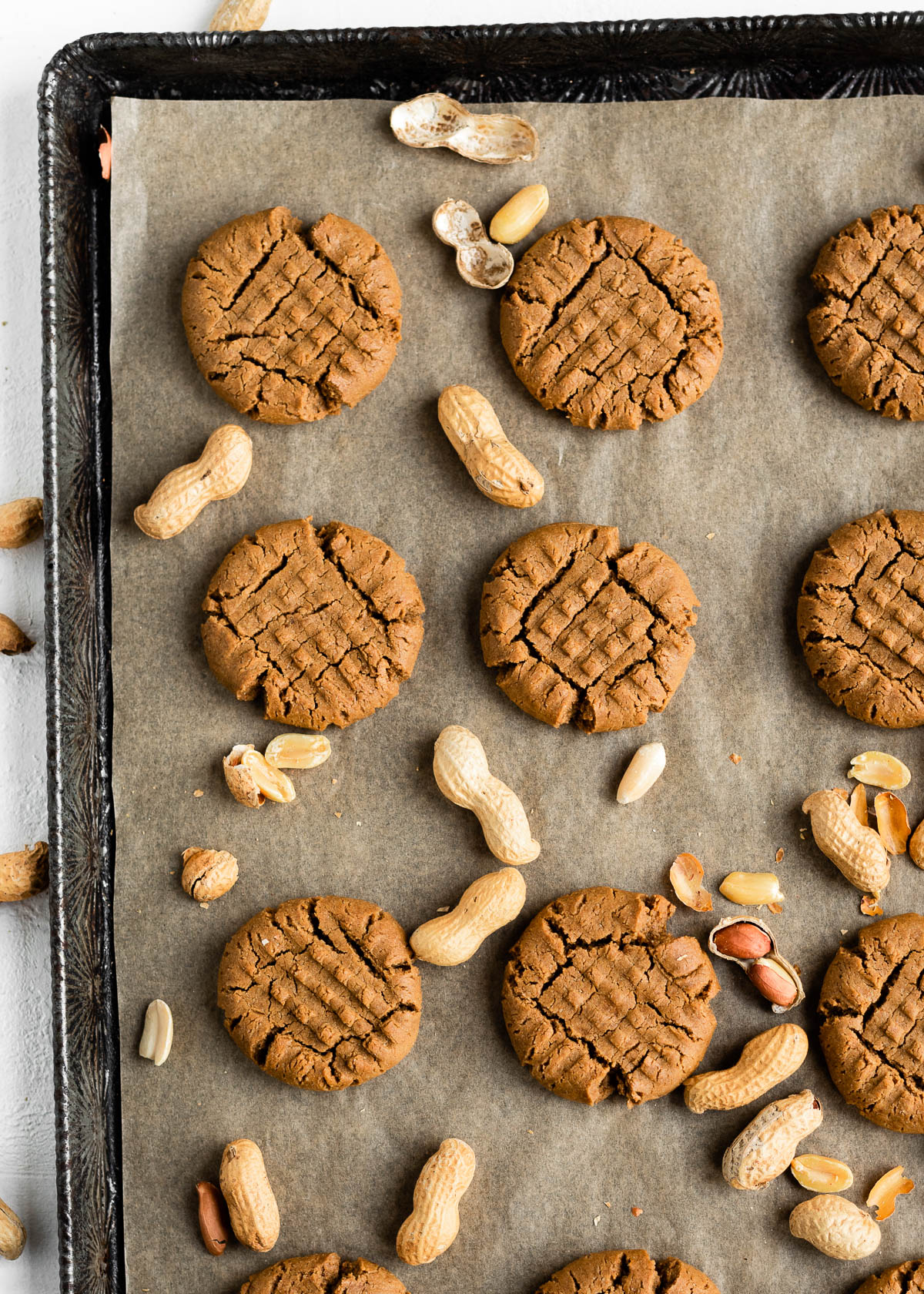
Perfect Vegan Peanut Butter Cookies (Chewy, Rich, No Eggs)
If peanut butter cookies have let you down before, you’re not alone. Vegan versions can turn out dry, crumbly, or weirdly oily, especially when the peanut butter brand changes. These Perfect Vegan Peanut Butter Cookies are built to be reliable: crisp edges, a soft center, and that bold, roasted peanut flavor that tastes like a real treat, not a “good for you” compromise.
They’re egg-free, dairy-free, and made with simple pantry staples you probably already have. In this post, you’ll learn which peanut butter works best, which vegan binders hold the dough together (without turning it gummy), a step-by-step method with doneness cues, plus fixes for the most common cookie problems and the best ways to store and freeze them.
Weight Loss Programs

Diet & Weight Loss
Old School New Body – Transformative Fitness & Nutrition Program
Diet & Weight Loss
Diet & Weight Loss

Diet & Weight Loss
“Perfect” means the cookie feels like a peanut butter cookie first, vegan second. You want crisp, lightly browned edges, a center that stays soft and chewy, and a strong peanut butter taste that doesn’t get lost behind sugar. The cookies should hold together when you pick one up, not crumble into sandy pieces.
The biggest challenge is balance. Peanut butter brings fat and protein, but not the same structure eggs give. If the dough is too dry, you get cracks and crumbles. If it’s too wet or warm, it spreads into thin puddles. The fix is simple: choose the right peanut butter, add a reliable binder, and pay attention to dough feel.
A great cookie also has a clean finish. A small amount of salt makes the peanut flavor pop. A little baking soda helps browning and keeps the texture tender. If you’re curious how different approaches compare, you can check other popular methods like this vegan peanut butter cookies recipe from Love and Lemons for more context on ingredient choices and textures.
Key ingredients and why they matter (peanut butter, sugar, flour, leavening, salt)
Peanut butter: Regular creamy peanut butter (the no-stir kind) is the most consistent for this style. Natural peanut butter can work, but oil separation changes the dough every time. If you use natural, stir it aggressively until it looks glossy and even, with no oil pooling. If the jar is still runny after stirring, plan to chill the dough.
Sugar: White sugar helps crisp edges and promotes spread. Brown sugar adds moisture and gives a chewier bite. A mix often tastes best, and helps the cookies stay soft on day two.
Flour: All-purpose flour gives structure without making the cookie cakey. Oat flour is an option if you like a slightly heartier cookie, but it tends to absorb more moisture, so the dough may need an extra tablespoon or two of plant milk.
Baking soda and salt: Baking soda supports lift and browning, and salt boosts the roasted peanut flavor. If your peanut butter is salted, still add a pinch, just don’t overdo it.
Easy vegan binders that actually work (flax egg, chia egg, applesauce)
A good binder is the difference between “crumbly” and “chewy.”
Flax egg: Mix 1 tablespoon ground flaxseed with 3 tablespoons water. Let it thicken for 5 to 10 minutes. Flax gives a classic, slightly chewy cookie and helps prevent dry edges.
Chia egg: Mix 1 tablespoon ground chia seeds with 3 tablespoons water. Let it gel for 5 to 10 minutes. Chia binds a bit stronger than flax, and the texture can feel slightly more “snappy” once cooled.
Applesauce: Use 3 tablespoons unsweetened applesauce in place of a flax or chia egg. It makes cookies softer, but it can push them toward a cake-like bite if you add too much. It’s best when you want extra moisture and a gentler crumb.
Gluten-free note: a 1-to-1 gluten-free flour blend usually works, but the cookies can crumble more. Chilling the dough helps, and shaping the cookies a bit thicker helps even more.
Perfect Vegan Peanut Butter Cookies recipe, step by step
Think of this as a simple game plan you can repeat, even if your pantry brands change.
Base formula (flexible and forgiving):
Creamy peanut butter (about 1 cup), sugar (about 2/3 to 3/4 cup total, using white and/or brown), flour (about 1 to 1 1/4 cups), 1 flax egg or chia egg, a splash of vanilla, baking soda, and salt. Optional: 1 to 2 tablespoons plant milk if the dough looks dry.
1) Prep first, because the dough moves fast.
Heat your oven to 350°F. Line a baking sheet with parchment. Mix your flax egg or chia egg now, so it’s ready when you need it.
2) Cream peanut butter and sugars until it looks smooth and glossy.
This step isn’t about whipping in air like a cake, it’s about making a unified paste. Scrape the bowl once or twice so no sugar pockets hide on the bottom.
3) Add binder and vanilla, then mix again.
The dough should look thicker and more cohesive. If it looks greasy or loose, it’s usually warmth or oil separation, chilling will fix it.
4) Add dry ingredients and stop mixing as soon as the flour disappears.
Overmixing can make cookies tougher. The dough should be soft, slightly tacky, and scoopable. If it’s crumbly and won’t hold a ball, add 1 tablespoon plant milk, mix, then reassess.
For another reference point on classic ingredients and mixing order, Taste of Home’s vegan peanut butter cookies is a helpful comparison.
Mixing and shaping tips for thick, chewy cookies (not flat, not dry)
Chill if needed: If your kitchen is warm, your peanut butter is runny, or the dough feels oily, chill it for 15 to 30 minutes. Chilling firms the fat so the cookies hold their shape.
Scoop size matters: Use a medium cookie scoop (about 1 1/2 tablespoons) for even baking. Roll into balls with quick hands so you don’t melt the dough.
Fork crisscross without smashing: Press the top with a fork, rotate the fork, and press again. Aim for a clear pattern, but don’t flatten them into disks. You want about 1/2-inch thickness so the centers stay soft.
Baking cues and cooling time, how to know they are done
Bake until the edges look set and lightly golden, and the centers look slightly underdone and puffed. That underdone look is the secret, the cookies finish cooking from the heat of the baking sheet.
Most ovens land in the 9 to 12 minute range, depending on scoop size and how cold the dough is. Let cookies cool on the pan for 5 to 10 minutes, then move them to a rack to fully set.
Ovens vary more than people think, so an oven thermometer can help if your cookies brown too fast or stay pale too long. If you want to compare texture goals with another well-tested approach, Connoisseurus Veg’s vegan peanut butter cookies describes a similar soft-center target.
Troubleshooting, variations, and storage for always-great results
Even “simple” cookies can be moody. Here’s how to fix the usual issues without tossing the batch.
Common problems and quick fixes (too crumbly, too oily, too flat, too dry)
Too crumbly: The dough needs more moisture or binding. Add a little more flax or chia gel, or stir in 1 tablespoon plant milk. Mix gently.
Too oily or shiny: Chill the dough 20 minutes, then re-scoop. If it still won’t hold shape, add 1 to 2 tablespoons flour.
Too flat: Dough was too warm, or baking soda is old. Chill the dough and make sure your baking soda is fresh. Also check that you didn’t over-press the fork pattern.
Too dry: Most often it’s overbaking or too much flour. Pull them earlier next time, and measure flour using the spoon-and-level method (spoon flour into the cup, then level it off).
Fun add-ins and how to store or freeze vegan peanut butter cookies
Add-ins keep the base recipe interesting without changing the method:
- Dairy-free chocolate chips for a classic combo
- Chopped peanuts for crunch
- A pinch of flaky salt on top right after baking
- Cinnamon for a warmer flavor
- A small jam thumbprint in the center for PB and J vibes
Storage: Keep cookies in an airtight container for 3 to 5 days. For softer cookies, add a slice of bread to the container (it helps control moisture without making them taste like bread).
Freezing: Freeze baked cookies up to 2 months. You can also freeze dough balls, then bake from frozen with a few extra minutes added to the bake time.
Conclusion
Perfect Vegan Peanut Butter Cookies come down to a few repeatable habits: use peanut butter with a texture you understand, pick a binder you trust (flax and chia are the most consistent), chill the dough when it feels warm or oily, and don’t overbake. If you pull them when the centers still look a touch soft, you’ll get that chewy bite once they cool.
Try a batch, then make it yours with chocolate chips, chopped peanuts, or a jam center. Save the recipe, and consider doubling it so you’ve got freezer-ready cookie dough whenever a craving hits.

The AnySmoothie team is all about smarter smoothie recipes made with whole-food ingredients. Everything we share centers on balanced nutrition, steady energy, and low-glycemic choices, so you can sip a smoothie that keeps you full, feels good, and helps you avoid sugar crashes.
- Disclaimer: This content is for educational use only. These smoothie recipes and nutrition details aren’t a substitute for medical advice from a licensed health professional. Please read our full Medical Disclaimer here.
Dietary Supplements
Dietary Supplements
Dietary Supplements

Dietary Supplements
Dietary Supplements