
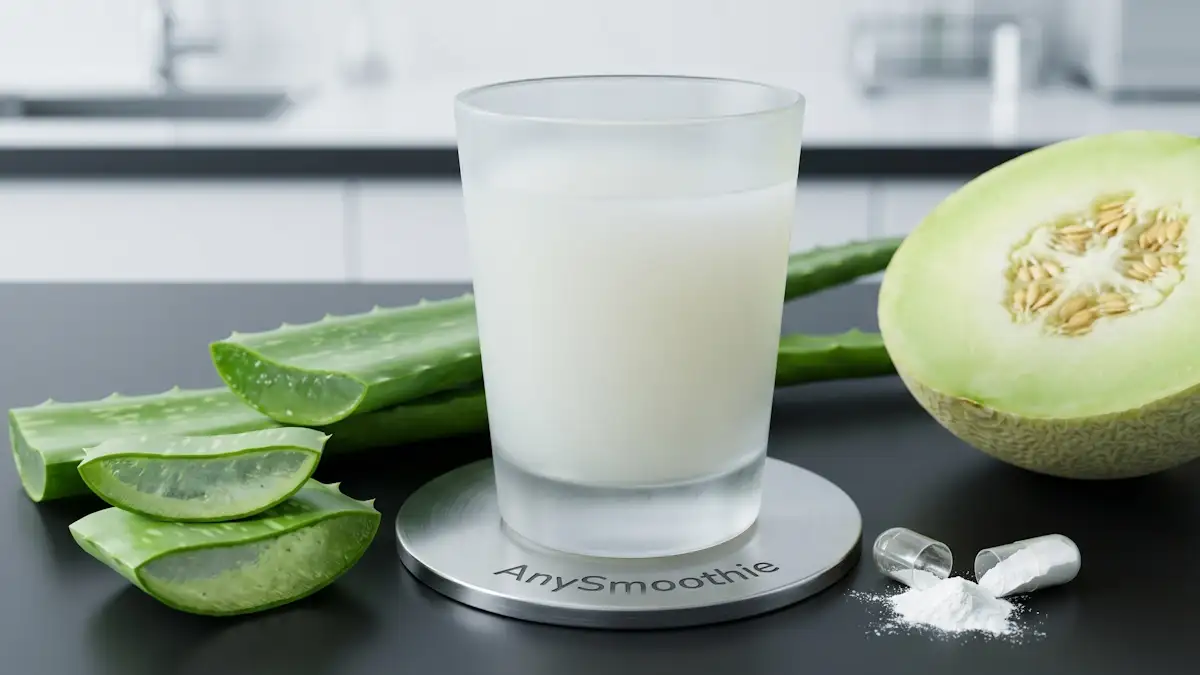
Gastric mucosal integrity means your stomach lining is doing its job well. It keeps acid, enzymes, and irritation from wearing down tissue that needs to stay protected.
Zinc carnosine is often used to support that natural barrier. A smoothie can be a practical way to pair it with a gentle, easy-to-digest food base when you want something simple on the stomach.
The best approach is usually quiet and consistent. Keep the ingredients mild, pay attention to texture, and build a routine you can tolerate day after day.
What zinc carnosine does for the stomach lining
Zinc carnosine is studied for its support of the stomach’s protective surface. It interacts with the mucus layer, helps support normal repair processes, and adds antioxidant activity that may help protect cells under stress. A review of zinc-L-carnosine research summarizes how it has been studied for these local effects.
The stomach lining is not just a wall. It is a living layer that renews itself, seals itself, and handles constant exposure to acid. When that system works well, the lining stays more stable.
How the mucosal barrier works
The stomach’s protective layer has mucus, surface cells, and tight junctions that help keep acid where it belongs. Mucus acts like a buffer, while the cells underneath replace themselves on a steady schedule. That turnover matters because old cells wear out fast in the stomach.
When that balance slips, the tissue becomes easier to irritate. Zinc carnosine is studied for helping support the conditions that keep that barrier in place.
Why zinc and carnosine are often paired
Zinc supports many enzyme systems involved in repair and tissue maintenance. Carnosine has been studied for its protective and buffering role in mucosal tissues. A review on zinc L-carnosine and mucosal tissue explains why the pair has drawn interest in digestive support.
The pairing makes sense because each part adds something different. Zinc helps with cellular work, while carnosine helps the compound stay useful in a harsh acidic setting.
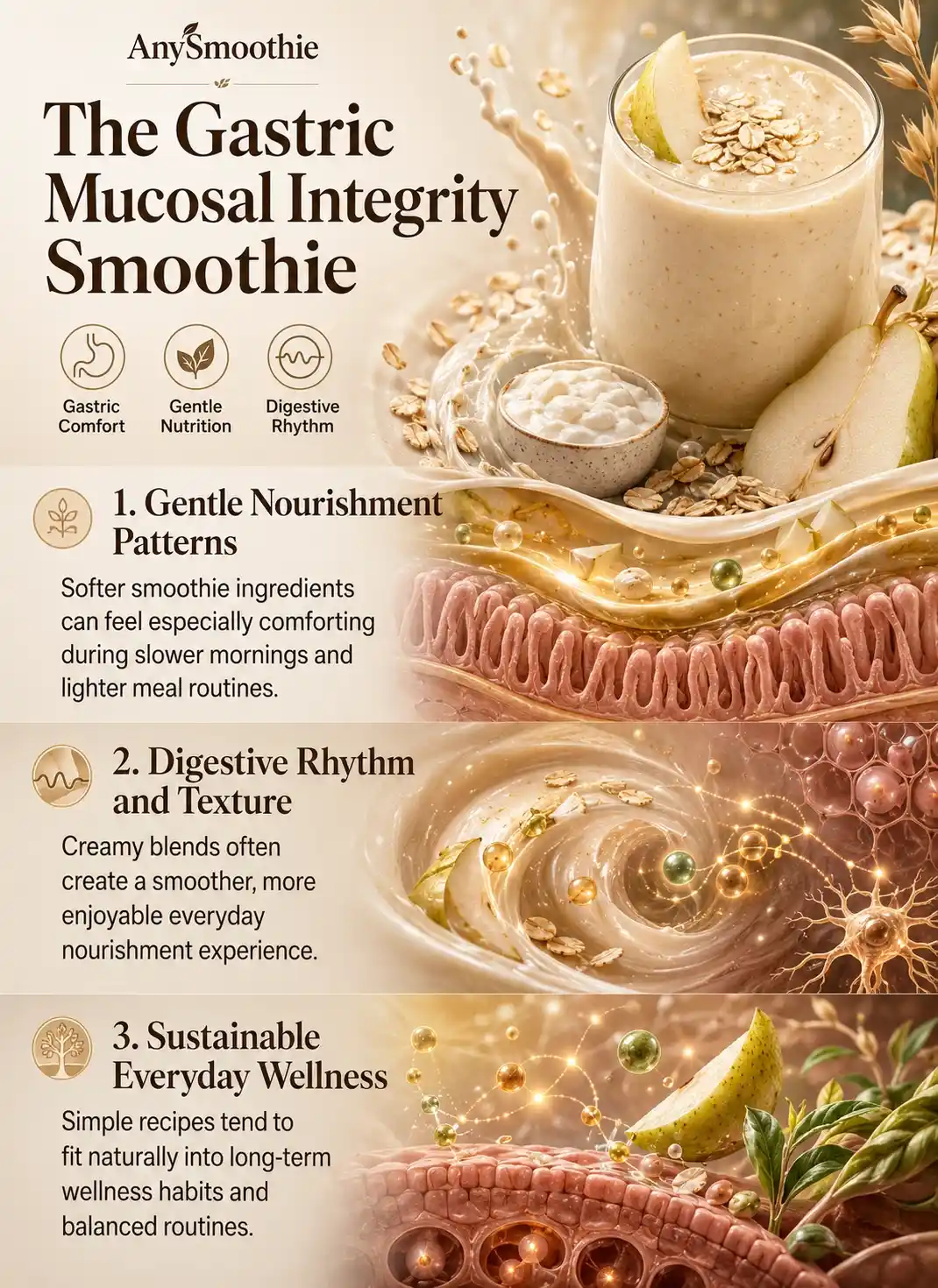
How to build a smoothie that is gentle on the stomach
A stomach-friendly smoothie should feel light, not heavy. That means a creamy texture, modest fiber, and ingredients that are not too acidic. When the blend is simple, your stomach has less to sort through.
Base ingredients matter most. Banana, oats, plain yogurt, kefir, melon, and soft berries are common choices because they are mild and easy to blend. Unsweetened almond milk, oat milk, or other tolerated milk alternatives can keep the drink smooth without adding sharp flavor.
Use caution with ingredients that can feel rough on a sensitive stomach. Citrus, large amounts of ginger, very cold blends, lots of raw greens, and high-fat add-ins can bother some people. Start with one change at a time so you can tell what helps and what does not.
A smoothie works best as a calm delivery method, not as a test of how much your stomach can handle.
Best base ingredients for a low-irritation smoothie
Choose foods that taste soft and round. Banana gives body, oats add a gentle thickness, and yogurt or kefir can add creaminess if you tolerate dairy. Ripe pear and melon can also work well because they are mild and low in acid.
The goal is to make a drink that feels familiar. When the flavor is steady and the texture is smooth, it is easier to keep the routine going.
Ingredients to use carefully if your stomach is sensitive
Citrus can push a smoothie toward sharpness. Too much ginger can do the same. Very cold ingredients may feel harsh for some people, and a heavy dose of nuts, seeds, or coconut oil can make the drink harder to digest.
If your stomach is reactive, test one ingredient at a time. That makes it easier to spot your best options.
3 zinc carnosine smoothie recipes
Most people take zinc carnosine as a supplement in capsule or powder form. The smoothie is the carrier, so the recipe should support comfort and consistency. A study on gut mucosa stabilization is one reason this compound keeps showing up in digestive support conversations.
How to use zinc carnosine safely in a smoothie routine
Use the smoothie as a simple support habit, not as a substitute for label directions. Zinc carnosine usually comes in a capsule, powder, or other supplement form, and the dose should match the product instructions. If you are pregnant, take medication, or have a medical condition, check with a healthcare professional before adding it to your routine.
Here is a quick way to match the smoothie to your goal:
| Goal | Smoothie base | Texture | Best time | Caution notes |
|---|---|---|---|---|
| Morning comfort | Banana, oats, yogurt | Creamy and filling | Breakfast | Keep fruit mild and portions moderate |
| Light support after meals | Blueberries, kefir, almond milk | Smooth and thin | After lunch | Watch acidity if berries feel sharp |
| Low-acid reset | Pear, vanilla, milk alternative | Very soft | Midday or evening | Avoid add-ins that make it heavy |
If dairy does not sit well with you, use a tolerated plant-based yogurt or skip it. If fiber feels rough, reduce oats or chia. Small changes make the routine easier to keep.
Conclusion
A zinc carnosine smoothie for gastric mucosal integrity works best when it stays simple. Mild ingredients, steady texture, and the right supplement form can make the routine easier on your stomach.
Start with one recipe and keep track of what feels best. Consistency matters more than novelty, especially when you want a gentle habit that fits real life.
🛡️ Safety Notes & Contraindications: Zinc-Carnosine Smoothies
Total Zinc Intake: Zinc-L-Carnosine contributes to your total daily zinc balance. Excessive long-term zinc intake can interfere with copper absorption; avoid stacking multiple high-dose zinc supplements without professional guidance.
Empty Stomach Sensitivity: While designed to support the stomach, some individuals may experience mild nausea when consuming zinc-based smoothies on a completely empty stomach. If this occurs, consume the smoothie during or after a light meal.
Aloe Vera Quality: Use only the “inner leaf” gel of the aloe vera plant. Whole-leaf products may contain aloin, a compound with potent laxative effects that can cause intestinal cramping and dehydration.
Severe Symptoms: These smoothies are for general mucosal support; if you experience persistent severe stomach pain, persistent vomiting, black/tarry stools, or unintended weight loss, seek immediate medical evaluation.
Interaction with Antibiotics: Zinc can bind to certain medications (like quinolone or tetracycline antibiotics), reducing their effectiveness. Consume your smoothie at least 2 hours before or 4-6 hours after taking such medications.
FAQ
How does “Molecular Adhesion” allow Zinc-Carnosine to target stressed tissue?
Zinc-L-Carnosine is a unique chelated complex. Biochemically, it possesses a specific affinity for denatured proteins found at the site of mucosal stress or erosion. Supporting this physiological system through a smoothie carrier allows the compound to adhere to the gastric wall significantly longer than standard zinc salts. This optimizes the natural pathways of “targeted delivery,” ensuring the biochemical mechanics of zinc-mediated repair are concentrated where they are needed most.
Why is “Epithelial Turnover” so energy-intensive for the stomach?
The cells lining the stomach (epithelium) are replaced every 3 to 5 days due to the harsh acidic environment. Biochemically, this rapid proliferation requires a constant flux of ATP (adenosine triphosphate) and specific minerals like zinc to act as enzymatic co-factors. Supporting this physiological system through nutrient-dense, easy-to-digest smoothies facilitates the biochemical mechanics of “mitochondrial priming,” providing the energy necessary for consistent tissue renewal.
What is the role of “Aloe Polysaccharides” in mucin layer stability?
The inner leaf of aloe vera contains acemannan and other complex polysaccharides. Biochemically, these molecules support the structural viscosity of the mucin layer, which acts as a physical shield against gastric acid. Supporting this physiological system through low-acid smoothies optimizes the natural pathways of “barrier hydration,” ensuring the biochemical mechanics of the mucus-bicarbonate layer remain resilient and effective.
How does “Glutamine” fuel the biochemical mechanics of cell repair?
Glutamine is the primary metabolic fuel for enterocytes and gastric epithelial cells. Biochemically, it supports the synthesis of nucleotides and proteins required for new cell growth. Supporting this physiological system through targeted add-ins (like glutamine powder or silken tofu) facilitates the biochemical mechanics of “proliferation signaling,” helping the stomach lining maintain its tight junctions and barrier integrity.
Why is “Low-Acid Formulation” critical for gastric mucosal support?
Introducing high-acid ingredients (like citrus or vinegar) into a smoothie can lower the local pH and put additional chemical stress on a sensitized lining. Biochemically, a “shield-base” formulation using honeydew or oat milk maintains a more neutral environment. Supporting this physiological system optimizes the natural pathways of “surface comfort,” ensuring the biochemical mechanics of the smoothie align with the body’s natural defense gradient.

Medical Disclaimer: AnySmoothie content is for educational purposes only and is not a substitute for professional medical advice. Consult a healthcare provider for personalized guidance. See our full Disclaimer & Terms of Use. AI Transparency: AnySmoothie may use AI to support content development. All content undergoes human editorial review for accuracy, clarity, and editorial quality. See our full AI Transparency.