
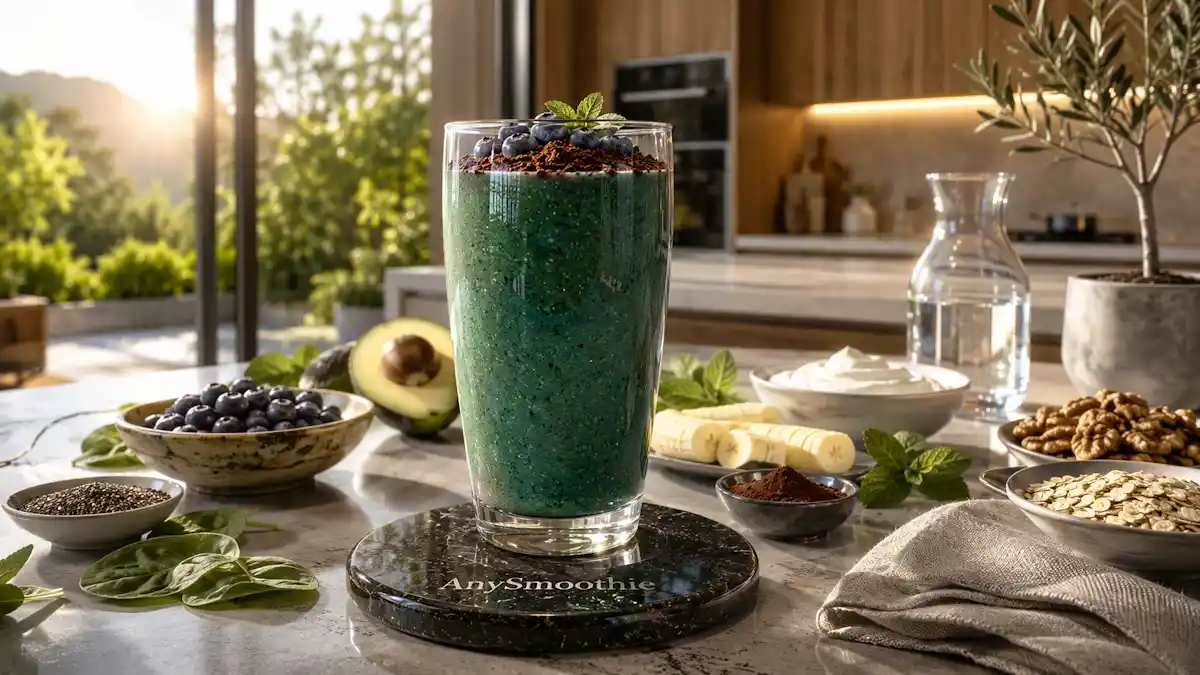
Your mitochondria make ATP, the body’s main cellular energy currency, every moment you move, think, and breathe. Food supplies the raw materials and cofactors those pathways use.
A smoothie can bring carbohydrates, protein, healthy fats, minerals, and plant compounds into one practical drink. That convenience helps when a full meal doesn’t fit your morning or post-exercise routine.
Still, smoothies support normal energy metabolism. They don’t treat mitochondrial disease, cure fatigue, or replace medical care. The recipes below focus on balanced portions, timing, texture, and safe ingredient choices.
What Mitochondria Need to Make ATP
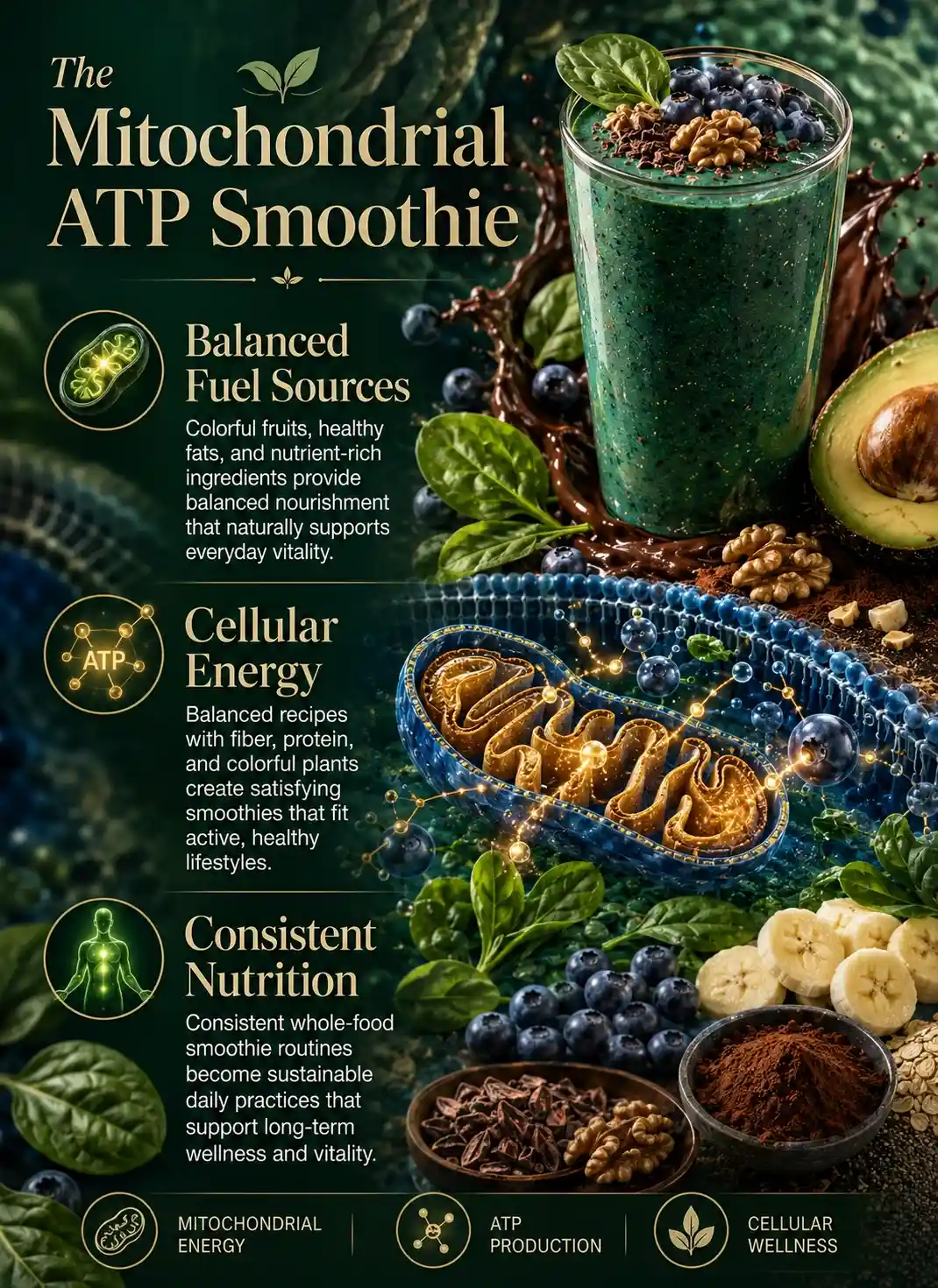
Mitochondria convert nutrients into ATP through several linked steps. Cells break down glucose, fatty acids, and some amino acids, then pass electrons through the Electron transport chain. This process moves protons across the inner mitochondrial membrane. ATP synthase uses that proton gradient to produce ATP. If you’d like to explore one of the key enzyme systems involved before ATP is produced, see our Pyruvate dehydrogenase support smoothies guide.
Carbohydrates provide glucose, protein provides Amino acids, and fats provide fatty acids. Your body can use each fuel source differently, depending on activity, meal composition, and overall energy needs.
Normal energy metabolism also depends on nutrients that help enzymes work. These include magnesium, iron, riboflavin, niacin, copper, and coenzyme Q10, also called CoQ10. More isn’t always better. High-dose supplements can interact with medications or create problems, so don’t add them casually without qualified guidance.
ATP production depends on multiple interconnected metabolic pathways and adequate nutrient availability rather than a single vitamin, mineral, or supplement. Reviews of Mitochondrial energy metabolism emphasize the coordinated role of carbohydrates, fats, proteins, oxygen, and enzyme cofactors.
The Best Foods to Support Normal ATP Production
Choose whole foods that provide a mix of nutrients rather than chasing one special ingredient.
- Berries and citrus provide vitamin C, carbohydrates, and many plant compounds.
- Leafy greens add folate, magnesium, and other micronutrients.
- Bananas and oats provide carbohydrate, with oats also supplying fiber.
- Greek yogurt and tofu contribute protein and a creamy texture.
- Chia and flax provide fiber and unsaturated fats.
- Cocoa and beets are optional additions with distinct flavors and plant compounds.
No single ingredient directly creates extra ATP. Overall diet quality, adequate calories, digestion, hydration, and sleep matter more than any single blend.
How to Build a Balanced Energy-Supporting Smoothie
Use this simple formula: one cup of fruit or vegetables, 20 to 30 grams of protein, a small serving of seeds or another healthy fat, a fiber source, and water or unsweetened milk.
Combining these parts can provide steadier fuel than a drink made mostly from fruit juice. Protein and fiber often make a smoothie more filling, while whole fruit keeps its natural structure and texture. Adjust the liquid for thickness, and reduce the portion if it feels too heavy.
For more ideas built around balanced ingredients, browse these Smoothie recipes for sustained energy.
3 Smoothies for Mitochondrial ATP Production
These food-based combinations support normal nutrient and energy metabolism. They aren’t cures or guaranteed energy boosters. Each recipe fits a standard blender and makes one generous serving.
| Smoothie | Main ingredients | Protein source | Key nutrients | Best use |
|---|---|---|---|---|
| Berry, spinach, and yogurt | Berries, spinach, oats, chia | Greek yogurt | Vitamin C, magnesium, fiber | Breakfast |
| Citrus, avocado, and tofu | Orange, avocado, spinach, ginger | Silken tofu | Vitamin C, folate, magnesium | Light meal or snack |
| Beet, cherry, and cocoa | Beet, tart cherries, banana, cocoa | Yogurt or plant yogurt | Carbohydrate, potassium, polyphenols | Post-activity nourishment |
Berry, Spinach, and Greek Yogurt Smoothie
Ingredients
- 1 cup frozen blueberries or mixed berries
- 1 cup fresh spinach
- 3/4 cup plain Greek yogurt
- 1/4 cup rolled oats
- 1 tablespoon chia seeds
- 3/4 cup unsweetened milk or water
- Cinnamon or 1 teaspoon unsweetened cocoa, optional
Add everything to a blender and blend until smooth, adding liquid if needed.
Berries and spinach supply plant compounds and micronutrients. Greek yogurt adds protein, while oats provide carbohydrate and fiber. Add cinnamon or 1 teaspoon unsweetened cocoa if you prefer a warmer or richer flavor.
Estimated Nutrition per Serving
Estimated with mixed frozen berries, spinach, plain nonfat Greek yogurt, rolled oats, chia seeds, and unsweetened soy milk, without optional cinnamon or cocoa.
- Calories: ~455 kcal
- Protein: ~30 g
- Carbohydrates: ~61 g
- Fat: ~12 g
- Fiber: ~15 g
- Sugars: ~24 g
With both oats and chia, this blend becomes noticeably fuller after a few minutes. If you’re making it ahead, keep it slightly thinner at first; for immediate drinking, the thicker texture works well without needing extra fruit or yogurt.
Citrus, Avocado, and Tofu Smoothie
Ingredients
- 1 peeled orange
- 1/4 avocado
- 4 ounces silken tofu
- 1 cup spinach
- 1 teaspoon grated fresh ginger
- 3/4 cup water or unsweetened soy milk
Blend until creamy, then taste before adding more ginger.
Orange provides vitamin C, while spinach contributes folate and magnesium. Avocado adds fiber and a smooth texture. Tofu supplies plant-based protein and makes the drink more filling. If you substitute grapefruit for orange, check whether grapefruit is appropriate with your medications.
Estimated Nutrition per Serving
Estimated with one medium orange, 1/4 medium avocado, silken tofu, spinach, fresh ginger, and unsweetened soy milk.
- Calories: ~300 kcal
- Protein: ~18 g
- Carbohydrates: ~31 g
- Fat: ~14 g
- Fiber: ~8 g
- Sugars: ~17 g
Beet, Cherry, and Cocoa Recovery Smoothie
Ingredients
- 1/2 cup cooked or vacuum-packed beet
- 3/4 cup frozen tart cherries
- 1/2 banana
- 1 tablespoon unsweetened cocoa
- 3/4 cup plain yogurt or fortified plant yogurt
- 1/2 cup water
Blend until even and serve cold.
This blend provides carbohydrate, protein, potassium, and polyphenol-rich plant foods. It works well as post-activity nourishment when you want something cool and easy to digest. If the beet flavor is too strong, reduce it to 1/4 cup.
Estimated Nutrition per Serving
Estimated with cooked beet, unsweetened frozen tart cherries, half a medium banana, unsweetened cocoa, plain nonfat Greek yogurt, and water.
- Calories: ~315 kcal
- Protein: ~19 g
- Carbohydrates: ~57 g
- Fat: ~3 g
- Fiber: ~9 g
- Sugars: ~38 g
Beet and cocoa can compete for attention when both flavors are strong. Blend with the cherries and banana completely before deciding the beet is overpowering; if it still tastes too earthy, reducing the beet to 1/4 cup usually preserves the character of the recipe while making the cherry-cocoa flavor more prominent.
How to Use These Smoothies Without Overdoing Them
Choose the recipe according to your day. The berry blend can fit breakfast, the citrus version works well as a lighter snack, and the beet smoothie may suit you after exercise. A smoothie still counts toward your daily calories, so a large serving doesn’t automatically make a better Meal replacement.
Use whole fruit instead of juice, and skip syrups or large amounts of added sugar. Drink the smoothie soon after blending, or refrigerate it promptly in a sealed container. Wash produce, keep ingredients cold, and choose pasteurized dairy products.
People with kidney conditions may need to monitor potassium. Vitamin K in leafy greens, oxalates in some plant foods, dairy, soy, and added fiber can also matter with certain medications or health conditions. Ask a qualified clinician or registered dietitian for personalized guidance.
Common Mistakes That Can Undercut a Smoothie’s Benefits
A juice-heavy smoothie can deliver plenty of sugar while providing little protein or fiber. Skipping protein may also leave you hungry soon afterward. On the other hand, large amounts of nut butter, seeds, avocado, or oats can push calories higher than expected.
Supplements aren’t required for a balanced smoothie, and one drink won’t fix persistent low energy. Fatigue has many possible causes and deserves professional evaluation when it continues. Start with whole-food carbohydrate, protein, fiber, and enough fluid, then adjust the portion based on hunger, activity, and tolerance.
Persistent fatigue may result from many different medical, nutritional, sleep-related, or lifestyle factors. The National Institute on Aging recommends discussing ongoing or unexplained fatigue with a healthcare professional instead of relying on dietary changes alone.
Conclusion
Smoothies for mitochondrial ATP production work best as convenient vehicles for balanced whole foods, not quick fixes. ATP production depends on adequate food, sleep, movement, hydration, and overall health.
Start with one recipe, adjust its sweetness and texture, and rotate ingredients for variety. Discuss supplements, restrictive diets, or ongoing fatigue with a qualified health professional before making major changes. Readers interested in ATP recycling during short bursts of activity may also enjoy our Creatine smoothies and ATP production article.
🛡️ Safety Notes & Dietary Interactions
- Whole Foods First: These smoothies are designed to support normal energy metabolism with balanced whole-food ingredients. They are not treatments for fatigue, mitochondrial disorders, or other medical conditions, and they should complement an overall healthy lifestyle.
- Personalize Ingredients Carefully: If you have kidney disease, diabetes, food allergies, digestive disorders, or follow a medically prescribed diet, adjust ingredients such as leafy greens, fruit, dairy, soy, seeds, and potassium-rich foods with guidance from a qualified healthcare professional.
- Be Cautious With Supplements: Nutrients such as CoQ10, magnesium, iron, riboflavin, niacin, and other mitochondrial-related supplements may interact with medications or existing health conditions. Seek professional advice before adding high-dose supplements to your routine.
- Support the Bigger Picture: ATP production depends on many factors, including balanced nutrition, regular physical activity, Quality sleep, hydration, and overall health. A smoothie can support these physiological systems but cannot replace medical evaluation for persistent or unexplained fatigue.
FAQ
Can a smoothie increase mitochondrial ATP production?
A smoothie cannot directly increase ATP production beyond your body’s normal physiology. It can provide carbohydrates, protein, healthy fats, vitamins, and minerals that support normal cellular energy metabolism as part of a balanced diet.
Which ingredients are best for mitochondrial energy support?
Balanced combinations work best. Greek yogurt or tofu provide protein, oats and fruit supply carbohydrates, chia or flax contribute healthy fats and fiber, while spinach, berries, citrus, and cocoa add vitamins, minerals, and plant compounds that support overall nutrition.
Is a high-protein smoothie better for energy?
Protein helps create a more satisfying smoothie and supports normal muscle maintenance, but carbohydrates remain an important fuel source for ATP production. A balanced mix of protein, carbohydrates, fiber, and healthy fats generally works better than emphasizing a single nutrient.
When is the best time to drink these smoothies?
These smoothies fit well at breakfast, as a light meal, or after physical activity. Choose the recipe based on your schedule, appetite, and activity level rather than expecting different physiological effects from specific timing alone.
Should I add CoQ10 or other mitochondrial supplements to these smoothies?
Not unless they fit your individual health needs and have been discussed with a qualified healthcare professional. Whole-food smoothies can support balanced nutrition on their own, while supplements should be chosen carefully because they may interact with medications or medical conditions.

Medical Disclaimer: AnySmoothie content is for educational purposes only and is not a substitute for professional medical advice. Consult a healthcare provider for personalized guidance. See our full Disclaimer & Terms of Use. AI Transparency: AnySmoothie may use AI to support content development. All content undergoes human editorial review for accuracy, clarity, and editorial quality. See our full AI Transparency.