
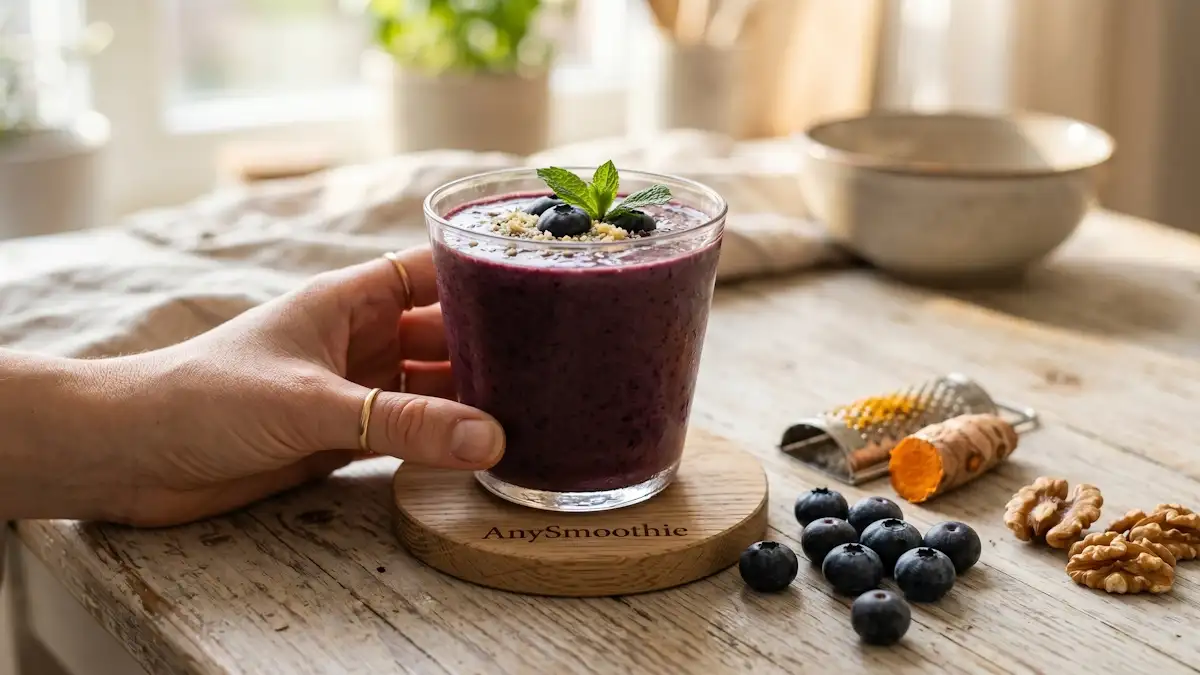
You wake up tired, even after a full night’s sleep. Brain fog makes simple tasks feel impossible. Post fatigue syndrome leaves you drained, often after a viral infection like long COVID. Your cells’ power plants, the mitochondria, struggle to produce ATP, the energy fuel. Neuroinflammation adds headaches and poor sleep. Pacing your day helps, but nutrition matters too.
Smoothies for post fatigue syndrome provide a gentle fix. They pack nutrients without heavy digestion. Blend fruits, veggies, and supplements for quick absorption. This post covers mitochondrial repair, brain fog relief, three easy recipes, and pacing tips. These blends rebuild energy step by step. You can sip your way to better days.
Mitochondrial Rescue: How Smoothies Can Combat Post-Viral Fatigue
Post fatigue syndrome often stems from damaged mitochondria. These tiny engines in your cells produce ATP. When viruses hit, they rust up, so to speak. You feel constant tiredness because energy output drops. Smoothies deliver repair parts directly, bypassing chewing fatigue.
Blending skips the hard work of solid meals. Fruits and veggies release antioxidants fast. Add supplements like CoQ10 powder. They mix in smoothly for steady power. Your body gets fuel without overload. In short, smoothies act like oil for those rusty engines.
Studies show mitochondrial boosters help post-viral cases. For example, CoQ10 supports cellular energy in long COVID. Patients report less fatigue. Smoothies make these nutrients daily allies.
Repairing the Power Plants: The Role of CoQ10 and PQQ in Cellular Energy
CoQ10, in its ubiquinol form, boosts ATP production. It shields mitochondria from oxidative damage too. PQQ sparks new mitochondria growth. Both fight the core issue in post fatigue syndrome.
Find PQQ in kiwi, parsley, green peppers, and blueberries. CoQ10 comes as a tasteless powder supplement. Add them to smoothies for easy wins. Magnesium malate eases muscle aches, while D-ribose gives quick ATP without crashes.
Here’s a quick comparison of key nutrients:
| Nutrient | Primary Benefit for PVFS | Synergy with Smoothies | Optimal Dose | Best Time |
|---|---|---|---|---|
| CoQ10 (Ubiquinol) | ATP synthesis and antioxidant | Mixes easily, neutral taste | 100-200mg daily | Morning |
| Magnesium Malate | Muscle fatigue relief | Creamy texture boost | 200-400mg daily | Afternoon |
| D-Ribose | Immediate ATP without sugar crash | Dissolves fast, mild sweet | 5g daily | Pre-activity |
This table shows why they pair well. D-ribose stands out for instant support. Research backs these, like trials on mitochondrial enhancers in chronic fatigue. Start low to test tolerance. Your cells thank you with more pep.
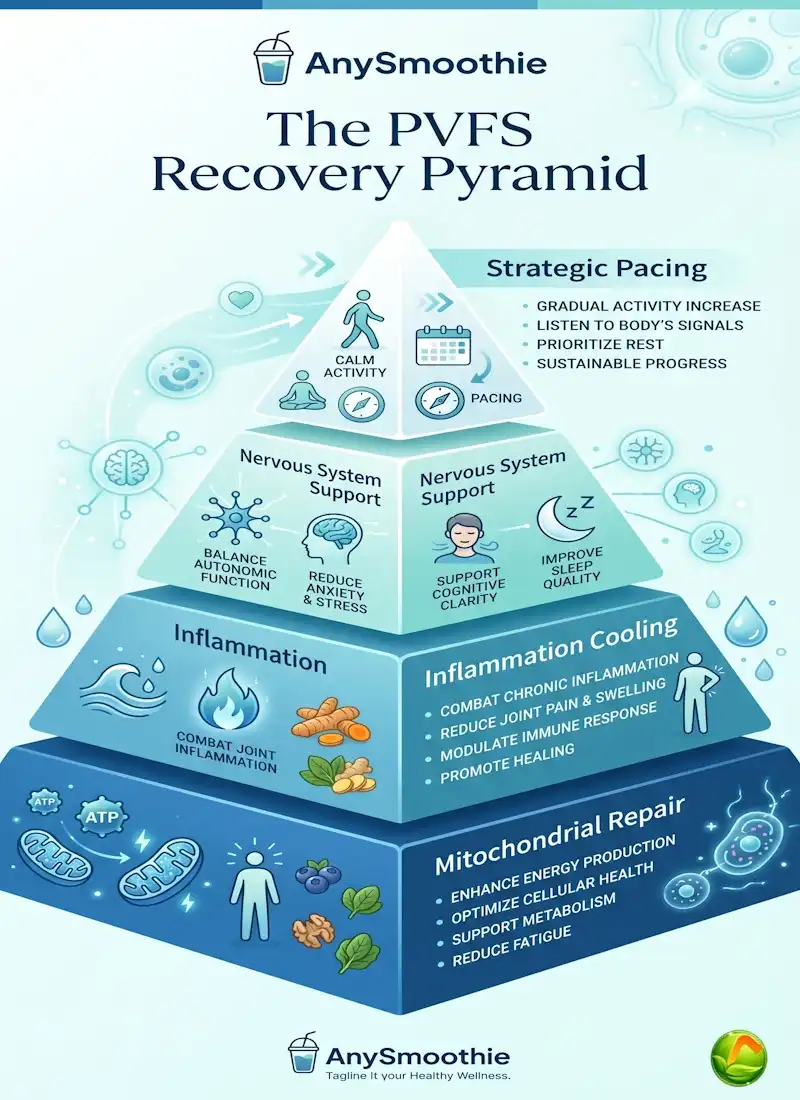
Neuroinflammation Control: Cooling the Brain Fog After Infection
Brain fog plagues post fatigue syndrome. Neuroinflammation swells brain tissues. It triggers poor focus, headaches, and mood dips. Viruses spark this fire, and it lingers.
Smoothies quench it fast with anti-inflammatories. They absorb quicker than pills. Pair them with pacing to dodge flares. You avoid pushing through fog, which worsens it.
Feel that mental haze lift? These nutrients calm signals gently. No need for heavy meds. Just blend and sip.
Anti-Inflammatory Compounds: Why Turmeric and Omega-3s Are Non-Negotiable
Curcumin from turmeric blocks inflammation pathways. It crosses into the brain easily. Add black pepper to boost uptake. Ginger adds extra punch.
Omega-3s like DHA and EPA protect brain cells. Get them from chia seeds, flax, hemp, or algae oil. Fatty fish works if you tolerate it. They reduce fog and lift mood.
In smoothies, they create creamy textures. Pineapple masks spice for tropical taste. Studies link curcumin to clearer thinking, especially with omega-3s, as in this review on cognitive support. Patients note sharper focus after weeks. Keep doses moderate: 500mg curcumin, 1-2g omega-3s daily. Your brain cools, energy flows better.
3 Restorative Smoothies for Long-Haul Recovery
These smoothies for post fatigue syndrome take five minutes. They use grocery staples and online supplements. Low sugar keeps blood steady. Each targets mitochondria or inflammation. Blend on low speed. Makes one serving; store extra in fridge up to 24 hours. Sip slowly.
Pacing Your Nutrition: Strategic Sipping for Energy Conservation
Pacing saves energy in post fatigue syndrome. Break tasks into tiny bits. Avoid crashes from overdoing. Smoothies fit perfect. Sip over hours, not gulps.
They count as light nutrition. Track how you feel after. Adjust portions small. This prevents PEM flares.
Learn more on pacing strategies for ME/CFS. Stay within your envelope.
Digestive Efficiency: Why Low-Effort Liquid Nutrition Beats Heavy Meals
Your gut tires easily in post fatigue syndrome. Solids demand big energy to break down. Liquids absorb with less work.
Smoothies skip that slump after meals. Room-temp sips aid uptake. Pair with rest for max gain. Long-term, they build strength gently. No more post-lunch crashes.
Conclusion
Smoothies rebuild mitochondria, ease brain fog, and support pacing in post fatigue syndrome. Key nutrients like CoQ10, turmeric, and D-ribose deliver real relief. The three recipes make it simple and tasty.
Start with one daily. Note energy shifts in a journal. Talk to your doctor before supplements. Recovery builds one sip at a time. You’ve got this. Share your wins below.
⚠️ Specific Safety Notes for Post Fatigue Recovery
- Start Low and Slow: In cases of severe Post Fatigue Syndrome, even a nutrient-dense smoothie can trigger a metabolic reaction. Start with half a portion to ensure your body can handle the “bio-availability” of the ingredients without a flare.
- CoQ10 and Blood Pressure: CoQ10 can naturally lower blood pressure. If you suffer from POTS (Postural Orthostatic Tachycardia Syndrome), which often accompanies chronic fatigue, monitor your pressure levels to avoid dizziness.
- Curcumin and Iron: Curcumin can act as a mild iron chelator. If your fatigue is linked to anemia or low ferritin, avoid high doses of turmeric or consult your doctor about iron supplementation.
- D-Ribose and Blood Sugar: Although D-Ribose is a sugar, it can actually lower blood glucose levels in some people. If you are diabetic or prone to hypoglycemia, take it with a source of protein or healthy fats.
- Supplement Quality: Always use high-quality, lab-tested supplements for CoQ10 and PQQ to ensure you are not adding a toxic load (heavy metals or fillers) to a system that is already struggling to detoxify.
FAQ
Why are smoothies effective for Post-Viral Fatigue Syndrome?
Smoothies provide “pre-digested” liquid nutrition, which is crucial when your body is conserving energy. By reducing the metabolic cost of digestion, you allow more ATP (cellular energy) to be directed toward cellular repair and immune system modulation.
What are the best “Mito-boosters” to add to a recovery smoothie?
To target mitochondrial dysfunction, consider adding CoQ10 (Ubiquinol), PQQ (found in kiwi/parsley), or D-Ribose. These nutrients support the electron transport chain and stimulate the growth of new mitochondria, helping your “cellular power plants” recover.
Can smoothies help with the “brain fog” associated with PVFS?
Yes. By including anti-inflammatory ingredients like turmeric (with black pepper), ginger, and Omega-3s (from chia or flax), you can help reduce neuroinflammation. These compounds cross the blood-brain barrier to help clear cognitive haze.
Should I avoid sugar in my recovery smoothies?
Absolutely. Blood sugar spikes and subsequent crashes can significantly worsen post-viral fatigue. Stick to low-glycemic fruits like berries or green apples, and always pair them with healthy fats and protein to keep your glucose levels stable.
Is it okay to drink these smoothies ice-cold?
If you have severe fatigue or autonomic issues like POTS (often linked to PVFS), room temperature or slightly chilled smoothies are better. Extreme cold can shock the vagus nerve and require extra energy to warm up, which could trigger a “crash.”

Medical Disclaimer: AnySmoothie content is for educational purposes only and is not a substitute for professional medical advice. Consult a healthcare provider for personalized guidance. See our full Disclaimer & Terms of Use. AI Transparency: AnySmoothie may use AI to support content development. All content undergoes human editorial review for accuracy, clarity, and editorial quality. See our full AI Transparency.