
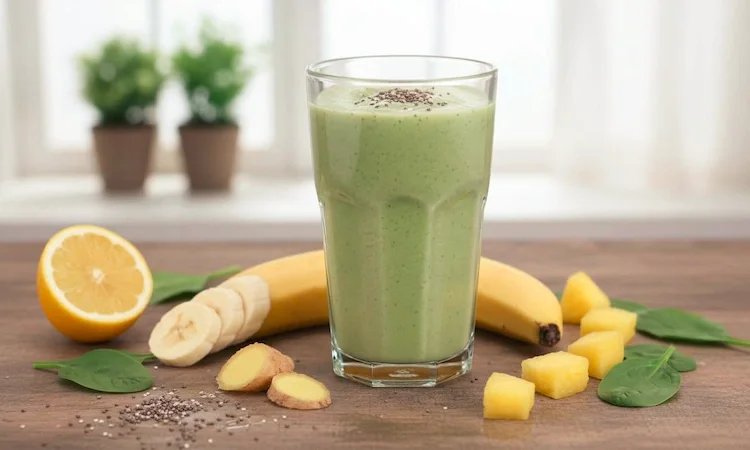
Ever eat a normal meal, then feel like you swallowed a balloon? Bloating, gas, and that heavy feeling can make you want to skip snacks altogether, but that often backfires later.
A smoothie for digestion without yogurt can be a smart middle ground. It’s hydrating, easy to sip, and you can keep the ingredients simple so your stomach doesn’t have to work overtime. It’s also a good option if dairy doesn’t sit well with you, you don’t like yogurt’s tang, or you just want something lighter than a thick dairy base.
Weight Loss Programs
Diet & Weight Loss

Diet & Weight Loss
Diet & Weight Loss
Diet & Weight Loss
BellyFlush™ – Gut Cleanse and Digestive Detox for Weight Support
Below you’ll learn what makes a smoothie “digestion-friendly,” which ingredients tend to be gentler, and five go-to recipes with easy swaps, so you can make one that fits your body and your pantry.
What makes a smoothie good for digestion (even without yogurt)
A digestion-friendly smoothie isn’t about trendy powders or extreme fiber. Think of it like building a soft landing pad for your stomach: enough fiber to keep things moving, enough fluid to help that fiber do its job, and ingredients that don’t overwhelm you with sugar, fat, or icy cold temperature.
Two big mistakes cause most “healthy smoothies” to feel not so healthy:
- Too much fruit sugar at once, especially from juice, can pull water into the gut and leave you feeling gassy or urgent.
- Too much fiber too fast (like a big scoop of seeds plus raw greens plus oats) can create bloating, even though fiber is helpful long-term.
If digestion has been touchy lately, start simple, then build.
The 3 building blocks: fiber, fluid, and a little healthy fat
Fiber helps support regularity and feeds helpful gut bacteria. For smoothies, “gentle fiber” usually works best: ripe banana, kiwi, oats, chia, ground flax, spinach, and avocado. If you’re prone to gas, begin with smaller amounts (like 1 teaspoon of chia) and move up slowly.
Fluid keeps the smoothie easy to blend and easier to digest. Good options include coconut water, unsweetened plant milk (almond, oat, soy), or cooled herbal tea. If your smoothie is thick like pudding, you might feel full, but you can also feel heavy. A drinkable texture is often kinder to the stomach.
Healthy fat makes a yogurt-free smoothie feel creamy and satisfying. A small amount goes a long way: avocado, nut butter, chia, flax, or a spoon of coconut cream. Fat can slow digestion a bit, which is helpful when you want steady energy, but too much can feel heavy. Keep it modest and adjust based on how you feel.
Enzyme and herb helpers for a calmer belly
Some fruits are known for natural enzymes that help break down food. Pineapple (bromelain) and papaya (papain) are the classics, and they’re easy to blend into smoothies. If you want a simple overview of enzyme-containing foods, EatingWell’s guide to foods naturally high in digestive enzymes is a helpful read.
Herbs and spices can also make a smoothie feel “lighter” in your stomach:
- Ginger can help with nausea and that sloshy, unsettled feeling. Cleveland Clinic also highlights ginger in a smoothie context in its ginger spice smoothie recipe.
- Mint can feel cooling and soothing, especially when bloating is the main issue.
- Parsley has a fresh, clean flavor that pairs well with pineapple and citrus.
Practical tip: start small with ginger and herbs (like 1/4 teaspoon grated ginger or a few mint leaves), then adjust. It’s easier to add more than to fix an overly spicy smoothie.
5 easy smoothie recipes for digestion without yogurt (with simple swaps)
Each recipe below is yogurt-free, quick to blend, and designed to feel good after you drink it. If you’re sensitive, use a smaller serving first (think 8 to 10 ounces), then see how you do.
Pineapple ginger smoothie for bloating (coconut water base)
Benefit: bright and hydrating, with ginger and herbs that many people find calming when they feel puffy.
Ingredients
- 1 cup frozen pineapple
- 1/2 ripe banana
- 3/4 cup coconut water
- 1/4 cup water (add more as needed)
- 1/4 to 1/2 teaspoon fresh grated ginger (start small)
- Small handful parsley
- 2 tablespoons avocado (for creaminess)
Steps
- Blend coconut water, water, ginger, and parsley first for a smooth base.
- Add pineapple, banana, and avocado, then blend until creamy.
- Taste, then adjust with more coconut water or a few mint leaves.
Optional add-ins and swaps
- Optional: a handful of spinach or 2 to 3 mint leaves.
- Optional: probiotic powder (choose an unsweetened one).
- Swap coconut water for unsweetened almond milk if you want it less tropical.
Tip for thickness: use more frozen pineapple, not extra ice. Tip for sensitive stomachs: use cool liquid, but don’t overdo the ice, super icy drinks can feel harsh.
If you want a similar dairy-free idea for comparison, see Go Dairy Free’s pineapple ginger smoothie for good digestion.
Papaya banana tummy care smoothie (gentle and naturally sweet)
Benefit: soft fruit and mild fiber, with a naturally sweet flavor that doesn’t need honey.
Ingredients
- 1 cup papaya chunks (fresh or thawed frozen)
- 1/2 to 1 banana
- 3/4 cup coconut water or unsweetened oat milk
- 1 tablespoon chia seeds or 1 tablespoon ground flax
- Optional: squeeze of lime
- Optional: pinch of ginger
Steps
- Blend liquid and papaya until completely smooth (papaya breaks down fast).
- Add banana and chia (or flax), blend again.
- Let it sit 2 to 3 minutes if using chia, it thickens as it rests.
Optional add-ins and swaps
- Add a few ice cubes only if you tolerate cold drinks well.
- Swap oat milk for almond milk, or use water plus a spoon of coconut cream for richness.
This is a great beginner smoothie because it’s hard to mess up. If you want another take on the same flavor combo, Viome has a digestion-soothing papaya banana smoothie that can spark ideas for add-ins.
Kiwi spinach green smoothie for regularity (no juice needed)
Benefit: balanced fiber and hydration, with kiwi and greens for a “lighter” feel that still keeps you full.
Ingredients
- 3/4 cup unsweetened plant milk
- 2 kiwis (peeled)
- 1 packed cup baby spinach
- 1/2 cup frozen pineapple
- 1/4 avocado
- Optional: 2 tablespoons oats
Steps
- Add liquid first, then spinach, blend until the greens disappear.
- Add kiwi, pineapple, avocado (and oats if using), blend until smooth.
- Add a splash more liquid if it’s too thick.
Optional add-ins and swaps
- Swap baby kale for spinach if you like a stronger green taste.
- Swap frozen pineapple for ripe pear if pineapple doesn’t agree with you.
- Add a pinch of salt if the flavor tastes flat, it can brighten fruit without adding sugar.
Kiwi gets attention for digestion and gut comfort in research reviews, including The nutritional and health attributes of kiwifruit: a review, which is worth bookmarking if you’re curious about the “why” behind the ingredient.
Prune apple gut smoothie for constipation support (start with a small glass)
Benefit: higher fiber and natural sorbitol from prunes, which can help when you feel backed up.
Ingredients
- 4 to 6 pitted prunes (soak in warm water 10 minutes if very dry)
- 1 small apple (cored) plus 1/2 cup water
- 1/2 banana
- 2 tablespoons oats
- Optional: 1 teaspoon ground flax
- Ice only if desired
Steps
- Blend water and apple first until mostly smooth.
- Add prunes, banana, oats (and flax), blend until creamy.
- Drink a small serving first, then wait and see how your body responds.
Optional add-ins and swaps
- Swap water for unsweetened plant milk if you want it creamier.
- If you prefer juice, use a small amount of 100 percent apple juice (1/4 to 1/2 cup) and add water to keep sugar reasonable.
Gentle warning: this one is effective for many people, but it’s also easy to overdo. Start with a smaller glass, increase slowly, and drink water afterward. For more constipation-focused smoothie ideas and context, Healthline’s roundup on smoothies for constipation relief is a practical reference.
Pumpkin oat calm belly smoothie (creamy without dairy)
Benefit: soft fiber plus cozy spices, with a texture that feels like a snack, not a cold fruit bomb.
Ingredients
- 3/4 cup unsweetened plant milk
- 1/2 cup pumpkin puree (plain, not pie filling)
- 1/4 cup oats
- 1 tablespoon coconut cream (optional, for extra richness)
- 1/2 teaspoon cinnamon
- 1/2 teaspoon vanilla extract
- Optional: 1 to 2 teaspoons maple syrup or honey
Steps
- Blend plant milk and oats first for 15 to 20 seconds to smooth the texture.
- Add pumpkin, cinnamon, vanilla (and coconut cream), then blend until creamy.
- Taste, then sweeten lightly only if needed.
Optional add-ins and swaps
- Swap maple syrup for 1 pitted date (soak it if it’s dry).
- Skip sweetener and add 1/2 banana instead for natural sweetness.
- Add a pinch of ginger or nutmeg if you like warm spice.
Make it creamy and gut friendly: yogurt-free tips that actually work
Once you learn a few texture tricks, you can turn almost any fruit and liquid combo into a smoothie that feels gentle, not watery, and not heavy.
How to get a thick, creamy smoothie without yogurt
The easiest options are simple whole foods, not thickeners with a long ingredient list.
Best yogurt-free “creamy makers”
- Frozen banana: thickens fast and adds sweetness. Great when you want dessert vibes.
- Avocado: neutral, creamy, and less sweet. Great when you want a calmer flavor.
- Nut or seed butter: adds richness and staying power, but keep it to 1 tablespoon if digestion is sensitive.
- Coconut cream: tiny amount, big impact. Use 1 tablespoon, not half a can.
- Oats: mild thickness and gentle fiber. Blend with liquid first for the smoothest result.
- Soaked chia: thickens like pudding. It’s great, but start small if seeds make you gassy.
Quick ratio guideline: start with 3/4 cup liquid for a single serving, then add thickness with frozen fruit or a small amount of oats, seeds, or avocado. If it’s too thick, add liquid in small splashes so you don’t end up with smoothie soup.
Common digestion mistakes (and easy fixes)
A smoothie can be healthy and still not sit right. These are the most common issues, plus fixes that don’t require starting over.
Too much fruit juice
- Fix: use plant milk or coconut water instead, or use whole fruit plus water for fiber.
Adding too much fiber too fast
- Fix: start with 1 teaspoon chia or flax, or 1 tablespoon oats, then increase over a week or two.
Making it super icy
- Fix: use cool liquids and frozen fruit for thickness. Save big ice loads for days when your stomach feels sturdy.
Loading up on raw cruciferous greens
- Fix: rotate greens. Spinach is often easier than raw kale for beginners, and smaller amounts go a long way.
Changing five things at once
- Fix: if you’re testing what triggers bloating, change one ingredient at a time. Your stomach can’t “give feedback” if everything shifts at once.
Conclusion
A smoothie for digestion without yogurt doesn’t need to be complicated. Start with a gentle liquid (coconut water, plant milk, or cooled tea), add fiber slowly (oats, chia, kiwi, spinach), and use banana or avocado for creaminess. If you want extra support, try pineapple, papaya, ginger, or mint, and keep the serving size reasonable while you test what works.
Pick one recipe to try this week, then tweak just one ingredient next time. Your gut is opinionated, and that feedback can help you build a smoothie you actually look forward to.

The AnySmoothie team is all about smarter smoothie recipes made with whole-food ingredients. Everything we share centers on balanced nutrition, steady energy, and low-glycemic choices, so you can sip a smoothie that keeps you full, feels good, and helps you avoid sugar crashes.
- Disclaimer: This content is for educational use only. These smoothie recipes and nutrition details aren’t a substitute for medical advice from a licensed health professional. Please read our full Medical Disclaimer here.
Dietary Supplements
Dietary Supplements

Dietary Supplements

Dietary Supplements
Dietary Supplements
GlucoBerry – Daily Support for Healthy Blood Sugar and Energy