

When Balance Becomes Something You Have to Think About
Balance is one of those things you expect to just be there.
You stand up. You walk. You turn. You don’t analyze it—until one day you do. A small wobble. A moment of hesitation. The instinct to reach for support even when nothing is wrong.
What makes this frustrating isn’t just the physical sensation. It’s the mental load. Every movement starts to feel monitored. Everyday tasks demand attention they never used to.
Why Most Balance Advice Doesn’t Stick
The common advice sounds logical on the surface:
-
Build stronger legs
-
Exercise more
-
Practice standing on one foot
But balance isn’t just about strength or effort. It’s about how the brain communicates with the body in real time. When that system is out of sync, generic workouts don’t address the real issue.
On the other end of the spectrum are overly complex routines that are hard to remember, uncomfortable to perform at home, or difficult to stay consistent with.
Both approaches tend to fail for the same reason: they don’t work with how balance is actually relearned.
A More Targeted Way to Approach Stability
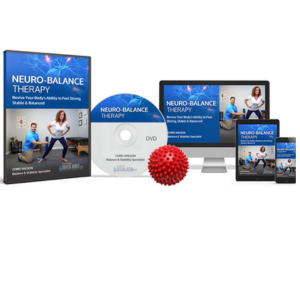
Neuro-Balance Therapy stood out because it focuses on retraining balance rather than forcing it.
Instead of pushing intensity, it uses intentional, guided movements paired with a physical therapy tool designed to activate stabilizing systems in the body. The goal isn’t exhaustion—it’s re-education.
This approach feels closer to how balance naturally develops and improves, rather than how it’s typically trained in fitness settings.
How Neuro-Balance Therapy Works
The system is built around short, repeatable sessions that fit easily into daily life.
Each session combines:
-
Structured movement patterns
-
A specialized therapy tool that provides physical feedback
-
Clear guidance that removes guesswork
The tool plays a key role by helping engage the muscles and sensory pathways responsible for balance. Over time, this repeated input helps reinforce steadier movement and better coordination during normal activities.
No complicated setup. No long workouts. Just focused practice.
What the Experience Is Designed to Support
The intention behind Neuro-Balance Therapy isn’t dramatic transformation—it’s steady improvement.
The structure supports:
-
Greater awareness of body positioning
-
Smoother transitions between movements
-
Reduced hesitation during everyday actions
Because the sessions are manageable, consistency becomes more realistic—which is often the missing piece in balance training.
Pros
-
Can be done safely at home
-
Focuses specifically on balance and coordination
-
Short sessions that don’t feel overwhelming
-
Uses a physical tool to reinforce proper movement
-
Designed to be approachable, not exhausting
-
Encourages consistency through simplicity
Addressing the Obvious Doubt
It’s natural to question whether something this straightforward can make a difference.
But balance is a skill, not a test of willpower. Skills improve through focused repetition, not intensity. Neuro-Balance Therapy is structured around that principle—doing the right movements, in the right way, often enough to matter.
That simplicity isn’t a weakness. It’s the point.
Why This Approach Feels Sustainable
Instead of asking you to push harder, this system asks you to pay attention.
The movements are deliberate. The structure is predictable. The process respects physical limits rather than challenging them unnecessarily. That makes it easier to continue without burnout or frustration.
A Practical Next Step for Improving Stability
If balance has started to feel uncertain—or if you simply want to feel more confident in how your body moves—Neuro-Balance Therapy offers a clear, focused path forward.
It doesn’t try to fix everything. It addresses one core issue with a method designed to be used consistently.
Dietary Supplements

Dietary Supplements

Dietary Supplements

Dietary Supplements

Dietary Supplements
NeuroQuiet – Daily Support for Brain Health, Hearing, and Tinnitus Relief