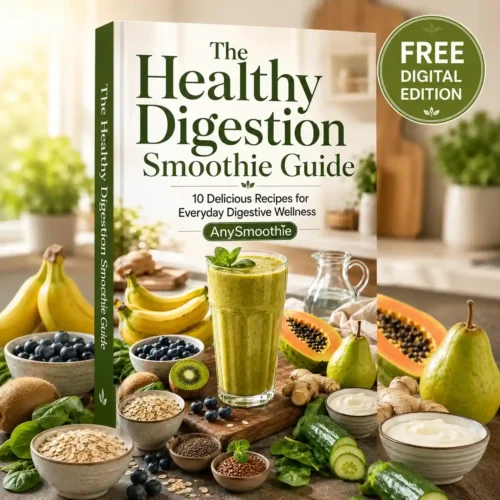
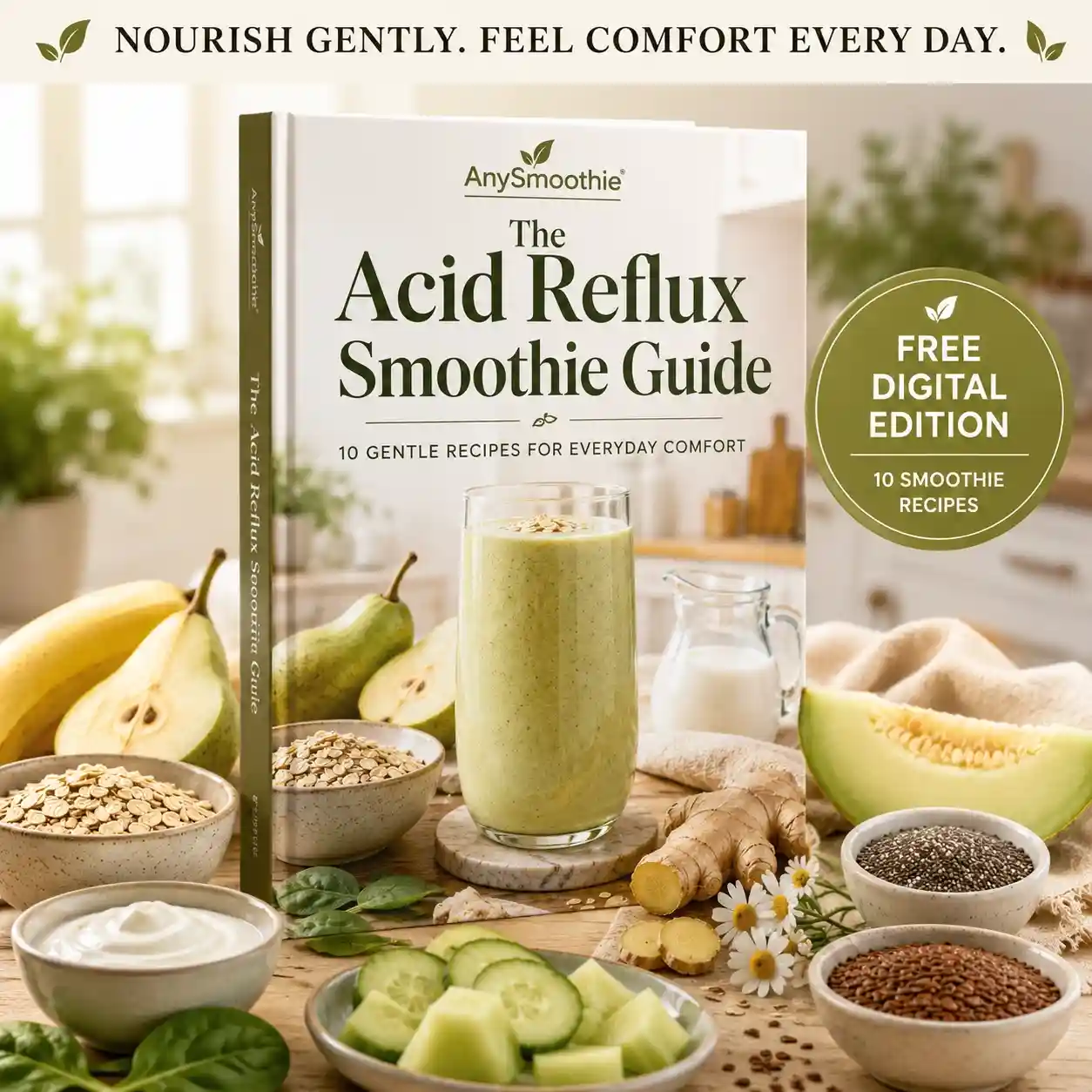
Enjoy smoothies with greater confidence using 10 science-based recipes thoughtfully created for people looking to support everyday digestive comfort while following a GERD-friendly eating pattern.
This practical guide makes it easier to choose smoothie ingredients that fit your routine and dietary preferences. Each recipe focuses on simple combinations and approachable ingredients, with options that include low-acid fruits, leafy greens, oats, seeds, and non-dairy liquids.
Inside, you’ll find recipes designed for:
- Easy breakfasts and snacks
- Smoothies with satisfying fiber-rich ingredients
- Simple ingredient combinations you can prepare at home
- GERD-friendly eating patterns
- Everyday digestive comfort
- A more thoughtful approach to smoothie ingredients
The guide also helps you make informed choices about common smoothie components, including fruit, liquids, greens, and optional add-ins. Because food tolerance varies from person to person, you can use the recipes as a starting point and adjust ingredients based on your own needs.
Whether you’re new to GERD-friendly smoothies or want more variety in your routine, The Acid Reflux Smoothie Guide gives you 10 recipes to blend with greater confidence.
🛡️ Safety Notes & Dietary Interactions
- Medical Guidance: Acid reflux and GERD can have different underlying causes. These smoothie recipes are designed to support a balanced eating pattern and should not replace medical evaluation, prescribed treatment, or advice from your healthcare professional.
- Identify Personal Triggers: Foods that trigger reflux vary between individuals. If an ingredient worsens your symptoms, substitute or omit it and work with your healthcare provider to develop a dietary pattern that suits your individual needs.
- Medication Considerations: If you take medications for acid reflux or other digestive conditions, continue following your prescribed treatment plan. Do not change or discontinue medications based solely on dietary changes without consulting your healthcare provider.
- Portion Size Matters: Even GERD-friendly smoothies may contribute to discomfort when consumed in large amounts. Smaller servings, slower drinking, and avoiding meals close to bedtime may help support everyday digestive comfort.
FAQs
Can smoothies help with acid reflux?
Smoothies can be part of a GERD-friendly eating pattern when they emphasize gentle, low-acid ingredients and balanced nutrition. While they may be more comfortable for some people than other foods, they do not treat or cure acid reflux, and individual responses can vary considerably.
Which fruits are generally better for acid reflux smoothies?
Many people tolerate lower-acid fruits such as bananas, pears, melons, and some apples more comfortably than citrus fruits or pineapple. Individual tolerance varies, so keeping a simple food and symptom diary can help identify which fruits work best for you.
Should I avoid citrus fruits?
Citrus fruits and their juices commonly trigger reflux symptoms in many individuals with GERD. This guide focuses on low-acid alternatives, but personal tolerance differs, and some people may tolerate small amounts better than others under professional dietary guidance.
Can I drink these smoothies every day?
Yes. For many people, one balanced smoothie can fit into a healthy daily routine. Rotating ingredients, eating balanced meals throughout the day, and paying attention to portion sizes helps provide nutritional variety while supporting overall digestive wellness.
What makes a smoothie more GERD-friendly?
GERD-friendly smoothies typically emphasize low-acid fruits, vegetables, fiber, moderate amounts of healthy fats, and protein while avoiding common triggers such as citrus juices, excessive added sugars, and highly acidic ingredients. Gentle preparation and moderate serving sizes also contribute to a more balanced approach.
Medical Disclaimer
This guide is provided for educational purposes only and is not intended as medical advice, diagnosis, or treatment. The recipes are designed to support healthy eating and everyday digestive wellness but are not intended to prevent, treat, cure, or reverse acid reflux, GERD, or any other medical condition.
Always consult a qualified healthcare professional before making significant dietary changes, especially if you have persistent reflux symptoms, an underlying medical condition, or take prescription medications.