
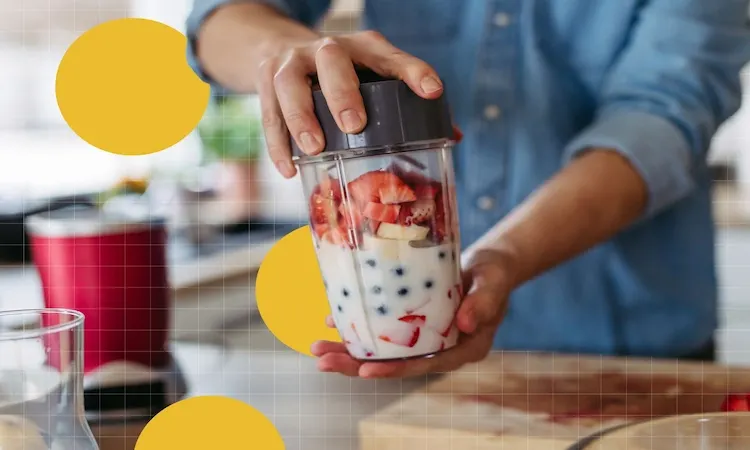
A smoothie should taste like something you’d gladly order again, not like a “healthy chore” in a glass. Yet it’s easy to end up with one that’s watery, bitter, or weirdly bland, even when the ingredients look good on paper.
The good news is that great smoothies aren’t about fancy powders or a high-end blender. They’re about balance (sweet, creamy, bright, and a tiny bit of salt) plus texture that feels thick and smooth, not icy and thin.
Weight Loss Programs

Diet & Weight Loss

Diet & Weight Loss

Diet & Weight Loss
Diet & Weight Loss
This guide on How to Make Smoothies Taste Better focuses on quick, practical fixes you can use with what you already have. Start with a stronger base, adjust a few flavor knobs, then lock in a texture that makes every sip taste richer.
Start with a better flavor base (so it tastes good before add-ins).
Most “bad smoothie” problems start at the bottom: the fruit is dull, the liquid is too thin, or the creamy part is missing. Think of your base like a band. If the drummer and bass player are off, the rest won’t save it.
A simple base formula to remember:
- Sweet fruit for flavor (often frozen)
- Creamy element for body
- Liquid to blend
- Boost (optional), like oats, greens, protein, or spices
If you get those four pieces right, your smoothie tastes good even before the extras.
Pick fruits that taste sweet and ripe, and use frozen fruit for stronger flavor.
Fruit is the main flavor, so it can’t be an afterthought. Ripe fruit tastes sweeter because more starch has turned into sugar. Underripe bananas and sour strawberries can make a smoothie taste sharp or “green,” even with sweeteners.
Frozen fruit helps in two ways: it’s often frozen at peak ripeness, and it thickens the blend so flavor hits harder instead of getting washed out. A thick smoothie tastes sweeter than a thin one, even with the same ingredients.
Great frozen options that bring strong flavor:
- Frozen banana (creamy and sweet)
- Mango (smooth, tropical sweetness)
- Pineapple (bright and punchy)
- Cherries (deep, dessert-like)
- Mixed berries (bold, but can be tart)
Quick rescue for fruit that isn’t sweet enough: freeze it with a handful of grapes or a slice of banana. Grapes disappear into the background but lift sweetness fast.
Choose the right liquid and creamy ingredient to avoid bland or watery smoothies.
Your liquid is not just “whatever’s in the fridge.” It sets the tone.
- Dairy milk adds natural sweetness and rounds out flavors.
- Oat milk is mild and slightly sweet; it’s great for “cookie” vibes.
- Almond milk is light and can taste watery if used alone.
- Coconut water is refreshing but can make smoothies taste thin.
- Juice boosts sweetness fast but can overpower fruit and spike sugar.
- Kefir adds tang and thickness, but too much can turn sour.
Then choose a creamy anchor. This is what makes a smoothie taste like a treat instead of flavored water:
- Greek yogurt for tangy creaminess
- Cottage cheese for extra protein and a surprisingly neutral taste
- Silken tofu for a smooth body without much flavor
- Avocado for richness (go easy; it can mute fruit)
- Nut butter for roasted, cozy flavor
A simple starting ratio that works in most blenders: 1 cup frozen fruit + 3/4 cup liquid + 1/2 cup yogurt (or another creamy option).
Blend, taste, then adjust. If it’s too thick, add a splash more liquid. If it’s thin, add more frozen fruit or another spoonful of your creamy ingredient.
For more base-building ideas, the troubleshooting tips in Food52’s guide to common smoothie problems are a helpful reference point.
Fix common bad flavors fast (bitter, sour, bland, or “green”).
Smoothies are forgiving, as long as you adjust in small steps. Add a little, blend, taste, and repeat. Treat it like seasoning soup, not like baking a cake.
The fastest flavor fixes usually fall into four buckets:
- Sweet (fruit, dates, honey)
- Creamy (yogurt, nut butter)
- Bright (citrus, pineapple, zest)
- Salt (tiny pinch to wake everything up)
If your smoothie tastes “off,” don’t dump it. Diagnose it.
If it tastes bitter or “too green,” use these balancing tricks.
Bitterness tends to come from a few repeat offenders: too much kale, citrus pith, an unripe banana, certain protein powders, cocoa, or strong add-ins like turmeric.
Try these fixes, one at a time:
Use baby spinach instead of kale. Spinach is mild; kale can taste grassy and bitter fast. If you like kale, steaming it first (then freezing) can soften the bite.
Start smaller than you think. A “healthy handful” of greens is often too much for a single-serving smoothie. Begin with a small handful, then build up over time.
Add sweetness that tastes natural. Mango, banana, and dates are the classic bitter-balancers because they taste rich, not sharp.
Add creaminess to smooth rough edges. Greek yogurt and nut butter reduce bitterness the way cream calms strong coffee.
Add a tiny pinch of salt. It doesn’t make the smoothie salty; it makes the flavors clearer.
Use flavor cover when needed: vanilla or cinnamon can distract your palate from “green” notes.
One blending trick that changes taste and texture: blend greens with the liquid first for 15 to 20 seconds, then add everything else. You’ll get fewer leafy bits and a smoother sip.
If it tastes sour, flat, or not sweet enough, brighten and round it out.
Sour usually comes from too much yogurt or kefir, tart berries, too much lemon, or not enough sweet fruit to balance it. Flat happens when it’s sweet but dull, like fruit that tastes tired.
To round out sourness, add one of these:
- A few slices of banana
- Mango or pear
- A spoonful of applesauce
- One pitted date
- 1 teaspoon honey or maple syrup (if that fits your diet)
Now the “bright vs sweet” distinction matters. Sweetness is sugar. Brightness is lift. You can make flavors pop without adding much sugar by using a small squeeze of lime, a bit of zest, or a few chunks of pineapple. It’s like adding a squeeze of lemon to roasted veggies; everything tastes more like itself.
If it still tastes dull, add a tiny pinch of salt again. That small seasoning trick is also mentioned in The Blendery’s tips for sweetening smoothies without sugar, which is useful if you’re trying to keep added sugars low.
Make it taste like a treat with smart add-ins (without turning it into dessert).
A great smoothie doesn’t need to be a milkshake, but it should feel rewarding. The trick is choosing add-ins that bring big flavor in small doses, like using spices in oatmeal. You’re not trying to cover fruit; you’re trying to frame it.
Think in scents: warm, chocolatey, minty, citrusy, and nutty. Pick one or two accents, not seven.
Flavor boosters that work in almost any smoothie
A few add-ins can upgrade most blends without changing your whole grocery list:
Vanilla extract: a little makes fruit taste sweeter. Start with 1/4 teaspoon.
Cinnamon: warm and bakery-like. Start with 1/2 teaspoon.
Unsweetened cocoa powder: deep chocolate flavor. Start with 1 teaspoon.
Instant espresso: makes chocolate taste more “grown up”; start with 1/4 teaspoon.
Fresh ginger wakes up fruit, especially mango and pineapple.
Mint: makes berry and chocolate smoothies taste fresher.
Peanut butter or almond butter: adds roasted flavor and creamy body.
Toasted coconut: a small sprinkle makes tropical fruit taste richer.
Orange zest: bright, fragrant, and surprisingly sweet-smelling.
And yes, the tiny pinch of salt shows up again because it works. Salt can make chocolate taste more chocolatey and fruit taste more fruit-forward. If you want more creative booster ideas, Lifehacker’s smoothie-building suggestions can spark new combinations without turning your blender into a chemistry lab.
Easy smoothie flavor combos that taste better on the first try
These aren’t rigid recipes. They’re “grab this, then that” combos you can adjust.
Strawberry-banana cheesecake vibe: strawberries, banana, Greek yogurt, vanilla, and a pinch of salt.
Creamy and familiar, like a smoothie that doesn’t try too hard.
Mango lassi-style: mango, yogurt, milk (dairy or oat), a pinch of cinnamon (or cardamom if you have it), and a little honey.
Tangy-sweet and smooth, great when your mango is a bit bland.
Chocolate-peanut butter: banana, cocoa, peanut butter, milk, vanilla.
If it tastes bitter, add half a date before adding more sweetener.
Pineapple green smoothie that doesn’t taste grassy: pineapple, mango, baby spinach, coconut milk, and a squeeze of lime.
This combo hides greens well because pineapple is loud in the best way.
Blueberry muffin: blueberries, oats, yogurt, cinnamon, vanilla.
Let it sit 5 minutes if you use oats; it thickens and tastes more “baked.”
Mocha: banana, cocoa, instant espresso, milk, and 1 to 2 dates.
A coffee-shop feel without the syrup.
Get the texture right, because texture changes taste.
Texture is the silent ingredient. A thick smoothie tastes sweeter and richer because it coats your tongue. A watery smoothie tastes weaker, even if the ingredients are identical. It’s like the difference between soup and sauce.
If your smoothies are consistently “meh,” fix the thickness first. Flavor often falls into place after that.
How to make smoothies thicker, smoother, and less icy
Start with frozen fruit as your main cold element. Ice is cheap, but it dilutes flavor as it melts. Frozen fruit chills and thickens at the same time.
Use less liquid than you think you need at first. You can always add more, but you can’t easily take it out.
A few easy thickeners that also help taste:
- Yogurt (adds tangy creaminess)
- Oats (adds body and a mild, cozy flavor)
- Chia or ground flax (thickens and smooths; start small)
- Nut butter (thick and flavorful)
If you use chia, let the smoothie sit 5 minutes, then stir or re-blend. It thickens like it’s doing you a favor.
Already blended and too watery? Add more frozen fruit, or add a spoonful of oats or yogurt, then blend again.
Blending order and timing for better taste and no gritty bits
Order matters, especially with average home blenders. A simple sequence helps everything blend smoothly:
- Liquids first
- Powders and nut butter
- Soft ingredients (fresh fruit, yogurt)
- Frozen fruit and greens on top
If you’re using greens, blend them with the liquid first. This reduces leafy flecks and makes the whole smoothie taste less “salad-like.”
Scrape the sides once if you need to. Then blend a little longer than you think. Many smoothies taste gritty because they weren’t blended long enough, not because the ingredients were wrong.
One more small trick: let the smoothie rest for 30 to 60 seconds after blending. Foam settles, flavors calm down, and it often tastes smoother.
If protein powder tastes chalky, blend it with the liquid first, then add fruit. That quick premix can reduce the dry aftertaste.
Conclusion
A better smoothie isn’t about hiding spinach under a mountain of sweetener. It’s about starting with a stronger base, then balancing sweetness, creaminess, and brightness with a tiny pinch of salt when needed. Texture matters just as much, because thicker smoothies naturally taste richer.
If you want to remember one thing, remember this: taste, then change one variable at a time. Add a little fruit, or a little yogurt, or a squeeze of lime, not everything at once.
Try one of the flavor combos this week, or pick one fix from the troubleshooting section. Once you get the hang of it, “How to Make Smoothies Taste Better” becomes less of a question and more of a habit.

The AnySmoothie team is all about smarter smoothie recipes made with whole-food ingredients. Everything we share centers on balanced nutrition, steady energy, and low-glycemic choices, so you can sip a smoothie that keeps you full, feels good, and helps you avoid sugar crashes.
- Disclaimer: This content is for educational use only. These smoothie recipes and nutrition details aren’t a substitute for medical advice from a licensed health professional. Please read our full Medical Disclaimer here.
Dietary Supplements
Dietary Supplements
Dietary Supplements
Dietary Supplements

Dietary Supplements
NeuroQuiet – Daily Support for Brain Health, Hearing, and Tinnitus Relief