

If you’ve gained weight around your belly or hips, feel puffy, and can’t shake cravings, you might wonder if hormones are to blame. Estrogen dominance is a common term for having too much estrogen effect compared with progesterone, or having trouble clearing estrogen well.
This can show up as stubborn scale changes, bloating, and a “soft” feeling that doesn’t match your habits. Many things can cause weight gain though, including thyroid issues, insulin resistance, stress, and sleep problems, so this is education, not a diagnosis.
Estrogen Dominance and Weight Gain, what is the connection?
Weight Loss Programs

Diet & Weight Loss
Diet & Weight Loss
Diet & Weight Loss

Diet & Weight Loss
BellyFlush™ – Gut Cleanse and Digestive Detox for Weight Support
Estrogen doesn’t just affect your cycle, it also influences how your body handles fluid, appetite, and fat storage. When estrogen is relatively high (or progesterone is relatively low), a few practical things can happen:
- Fluid retention: You may hold more water, feel swollen, and notice tighter rings or waistbands.
- Where fat is stored: Some people see more fullness in the hips, thighs, or lower belly during hormonal shifts.
- Cravings and appetite: Hormone changes can make you hungrier, especially for salty or sweet foods, which can raise daily calories without you noticing.
- Stress and sleep effects: Poor sleep and chronic stress can increase hunger signals and make it harder to stick to routines, creating a loop that feels unfair.
For a clinical overview of menopause-related hormone shifts and weight changes, see this article on causes of weight gain during menopause.
Why it can feel like “sudden” weight gain
Water weight can move the scale fast, sometimes in just a few days. That’s common in the luteal phase (after ovulation), during perimenopause, or after starting or stopping hormonal birth control.
This isn’t always true fat gain, but it still matters. Bloating can change how your clothes fit, affect workouts, and drain motivation.
Common signs and common causes (and why symptoms overlap)
People often link estrogen and progesterone imbalance with symptoms like:
- PMS that feels stronger than usual
- Sore or swollen breasts
- Heavy or irregular periods
- Mood swings or anxiety
- Headaches
- Sleep trouble
- Bloating and constipation
Common drivers can include chronic stress (higher cortisol), perimenopause, birth control changes, thyroid problems, insulin resistance, alcohol, low fiber intake, constipation, and some medications. The tricky part is overlap: these signs can also come from other conditions. A symptom list can help you reflect, but it shouldn’t replace medical care, for example this OB-GYN overview of warning signs.
When to talk to a clinician and what to ask about
Make an appointment if you have rapid, unexplained weight change, very heavy bleeding, missed periods (when pregnancy isn’t possible), severe mood symptoms, new or worsening headaches, or signs of thyroid problems (heat or cold intolerance, hair loss, racing heart).
Ask about cycle tracking, thyroid labs, iron and vitamin D, fasting glucose or A1C, and whether hormone testing fits your symptoms and cycle timing.
Simple steps that can help balance hormones and support healthy weight
Start with habits that reduce water retention and make cravings easier to manage. Aim for steady meals, consistent movement, and better sleep. If you’re considering supplements, check with your clinician first.
Food and movement habits that support estrogen clearance
Aim for 25 to 35 grams of fiber most days (beans, berries, veggies, oats). Pair that with protein at each meal, good hydration, and fewer ultra-processed foods. Regular bowel movements matter because they help your body move waste out.
For exercise, do strength training 2 to 3 times weekly and take daily walks. More muscle supports insulin sensitivity, which can make “stubborn” weight feel less stubborn.
Sleep and stress, the underrated drivers of cravings and belly weight
Short sleep and high stress can crank up hunger and lower patience. Try a consistent bedtime, morning light for 5 to 10 minutes, and a caffeine cutoff after lunch. At night, take 5 minutes for slow breathing and keep screens off for a short block before bed.
Conclusion
Estrogen Dominance and Weight Gain can be connected through water retention, cravings, sleep disruption, and changes in fat storage, but the symptoms overlap with many other issues. Track your cycle, sleep, and symptoms for 1 to 2 months, then try one or two changes you can actually keep. If red flags show up, get medical support and bring your notes, they help you get answers faster.

The AnySmoothie team is all about smarter smoothie recipes made with whole-food ingredients. Everything we share centers on balanced nutrition, steady energy, and low-glycemic choices, so you can sip a smoothie that keeps you full, feels good, and helps you avoid sugar crashes.
- Disclaimer: This content is for educational use only. These smoothie recipes and nutrition details aren’t a substitute for medical advice from a licensed health professional. Please read our full Medical Disclaimer here.
Dietary Supplements
Dietary Supplements
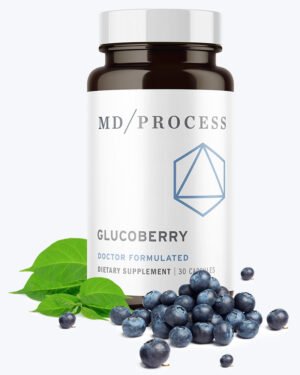
GlucoBerry – Daily Support for Healthy Blood Sugar and Energy
Dietary Supplements
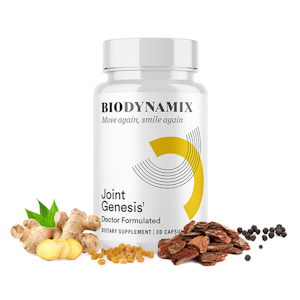
Joint Genesis – Daily Support for Comfortable, Confident Movement
Dietary Supplements
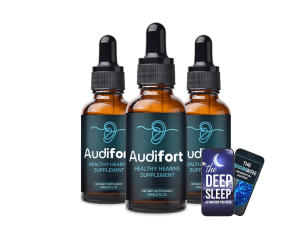
Audifort – Daily Support for Brain Clarity and Comfortable Hearing

Dietary Supplements