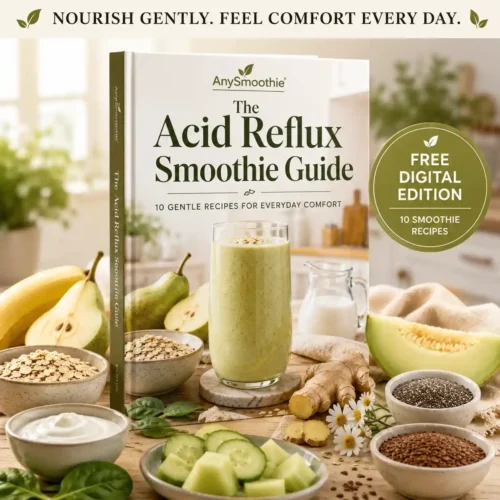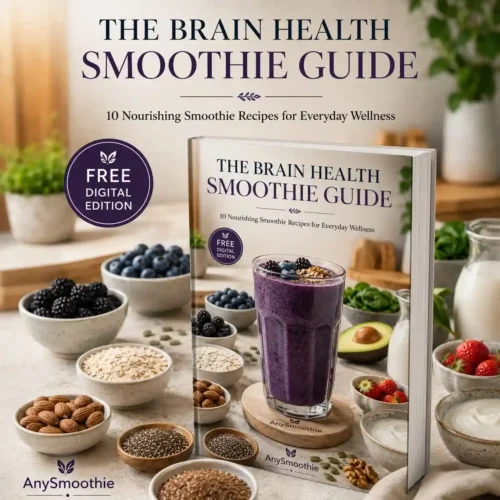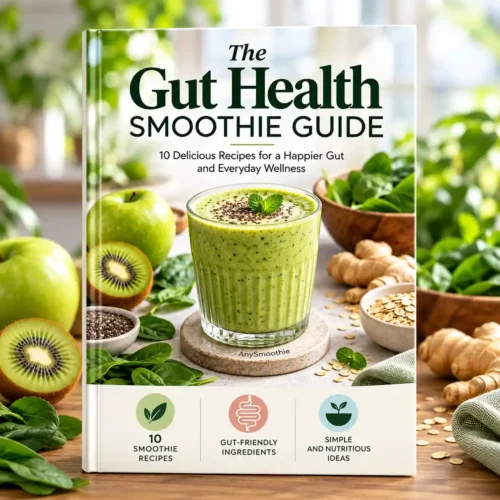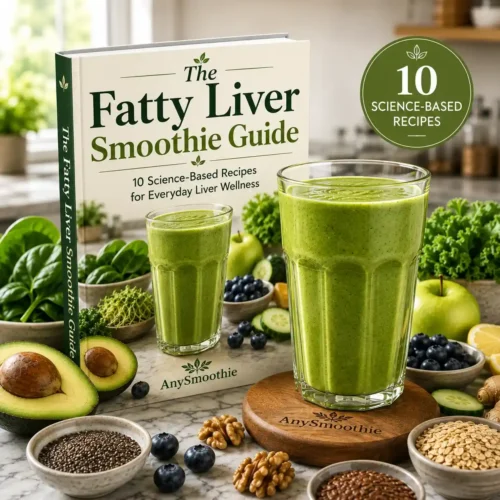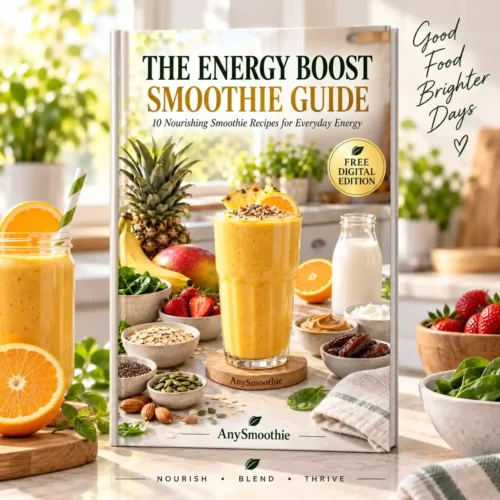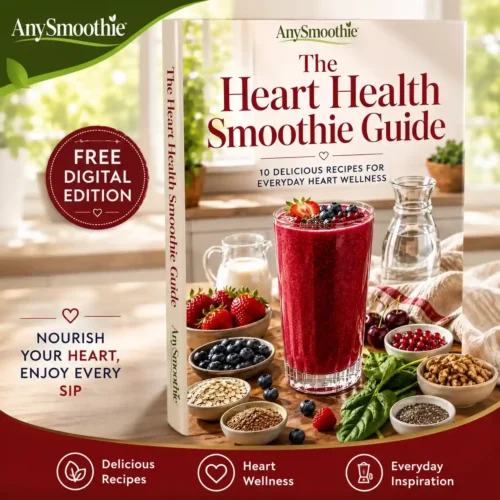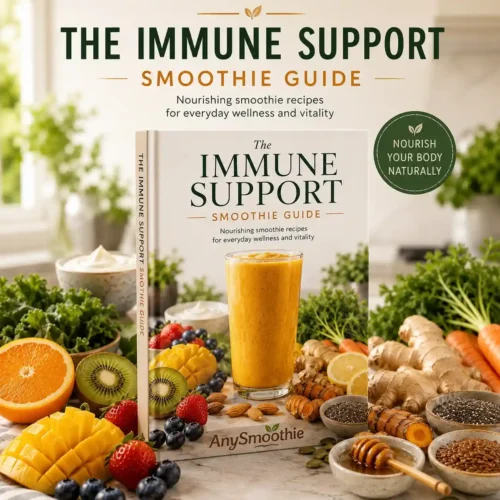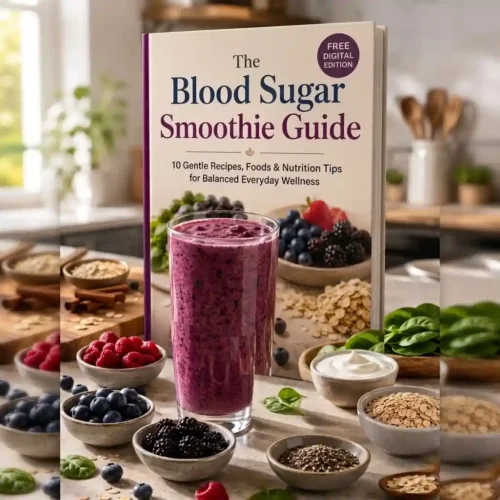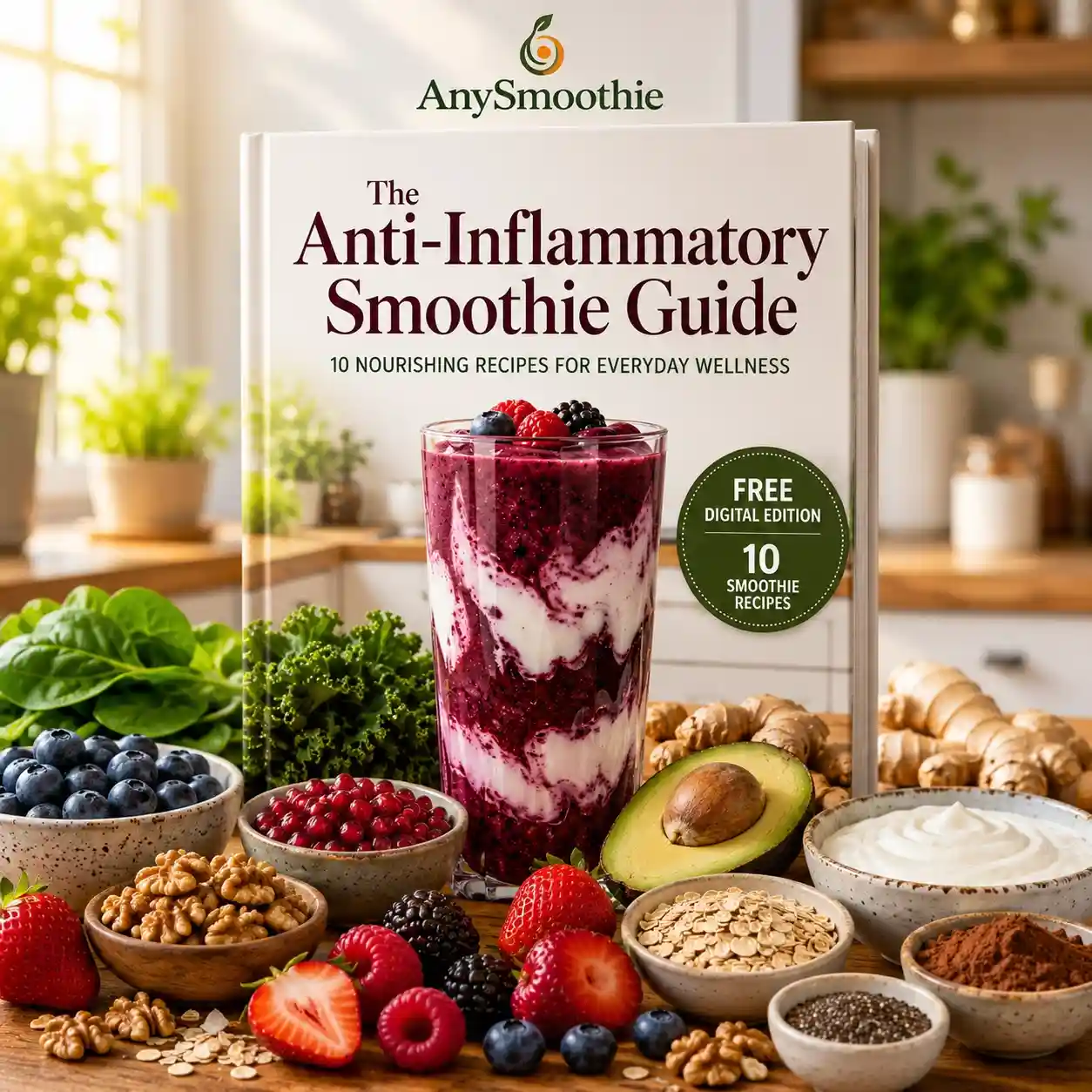
Make everyday smoothies more satisfying with The Anti-Inflammatory Smoothie Guide, a practical collection of 10 flavorful recipes built around wholesome ingredients and balanced eating patterns.
Each recipe combines colorful fruits and vegetables with nourishing additions such as whole grains, nuts, seeds, and other simple ingredients. You’ll find blends with fresh produce, leafy greens, berries, avocado, ginger, turmeric, and more, giving you plenty of variety for breakfast, a snack, or a refreshing addition to your day.
Inside, you’ll also learn how to:
- Choose nutritious ingredients for better-balanced smoothies
- Combine fruits, vegetables, whole grains, nuts, and seeds
- Build blends with satisfying texture and flavor
- Adjust liquid and ingredients to suit your preferred consistency
- Create simple smoothies you can enjoy as part of your regular routine
The recipes are easy to follow and designed for everyday use. Whether you already enjoy making smoothies or want fresh ideas for using more wholesome ingredients, this guide gives you a clear place to start.
Add variety to your routine with 10 delicious smoothie recipes and practical guidance for making balanced blends at home.
🛡️ Safety Notes & Dietary Interactions
- Balanced Nutrition: These smoothies are designed to complement a varied eating pattern rather than replace balanced meals. Include a variety of whole foods throughout the day to help meet your overall nutritional needs and personal health goals.
- Medication Awareness: If you take blood thinners or other prescription medications, speak with your healthcare provider before regularly consuming large amounts of ingredients such as leafy greens, turmeric, ginger, or other concentrated herbs and spices.
- Food Sensitivities: Individual tolerance varies. Adjust ingredients to accommodate food allergies, intolerances, digestive conditions, or personal preferences, and introduce unfamiliar foods gradually if you are unsure how your body responds.
- Medical Conditions: If you have a chronic medical condition, are pregnant, breastfeeding, or following a therapeutic diet, consult a qualified healthcare professional before making significant dietary changes or regularly consuming these smoothies.
FAQs
Can smoothies reduce inflammation?
No single smoothie has been proven to reduce inflammation or treat inflammatory conditions. These recipes are built around whole foods commonly included in balanced anti-inflammatory eating patterns. Their role is to support overall nutrition and healthy eating habits rather than provide medical treatment or replace professional healthcare.
Which ingredients are commonly included in anti-inflammatory smoothies?
Many anti-inflammatory smoothie recipes feature berries, leafy greens, oats, nuts, seeds, avocado, ginger, turmeric, yogurt, kefir, and other minimally processed whole foods. Choosing a variety of colorful ingredients helps create flavorful smoothies while contributing a broad range of nutrients as part of a balanced diet.
Is it better to use fresh or frozen fruit?
Both fresh and frozen fruit can be excellent choices. Frozen fruit is picked at peak ripeness, creates a naturally thick texture, and keeps smoothies cold without requiring much ice. The best option depends on seasonal availability, convenience, taste preferences, and the ingredients you have on hand.
Can I prepare smoothies ahead of time?
Yes. You can prepare freezer packs by portioning fruits, vegetables, and seeds in advance, then adding fresh liquids just before blending. If you make a smoothie ahead of time, store it in the refrigerator and consume it within about 24 hours for the best flavor and texture.
Do I need protein powder to make a balanced smoothie?
No. Many balanced smoothies provide protein from foods such as plain Greek yogurt, kefir, soy milk, cottage cheese, or silken tofu. Protein powder is optional and may be convenient for some people, but it is not necessary to prepare satisfying, nutrient-rich smoothies.
Medical Disclaimer
This ebook is for educational purposes only and does not provide medical advice, diagnosis, or treatment. Consult a qualified healthcare professional before making significant dietary changes. Individual responses vary. AnySmoothie and the authors are not responsible for decisions made using this information.