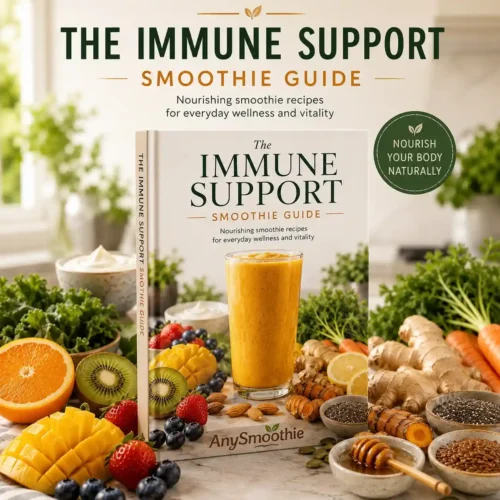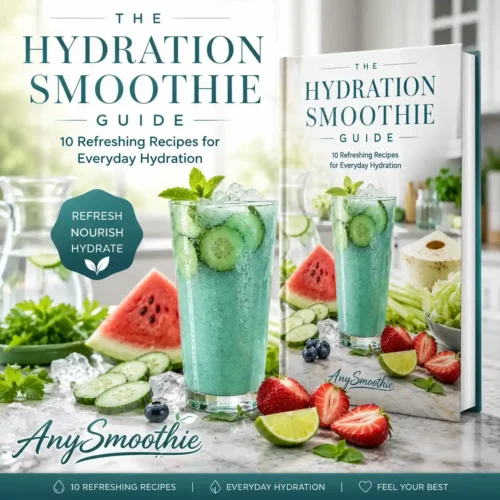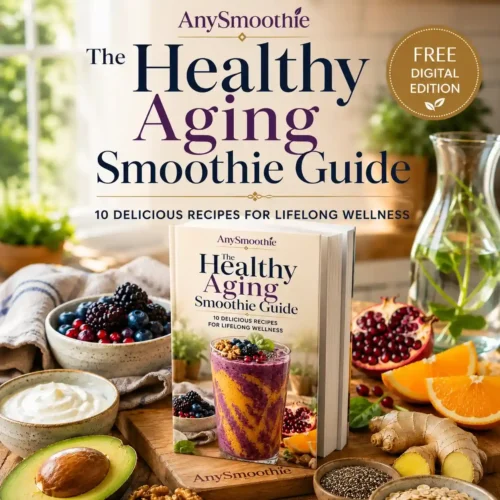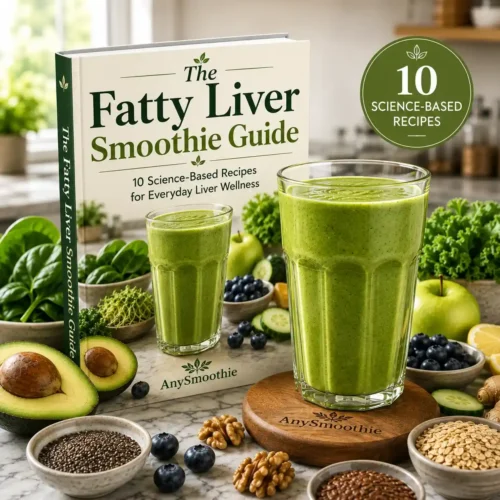
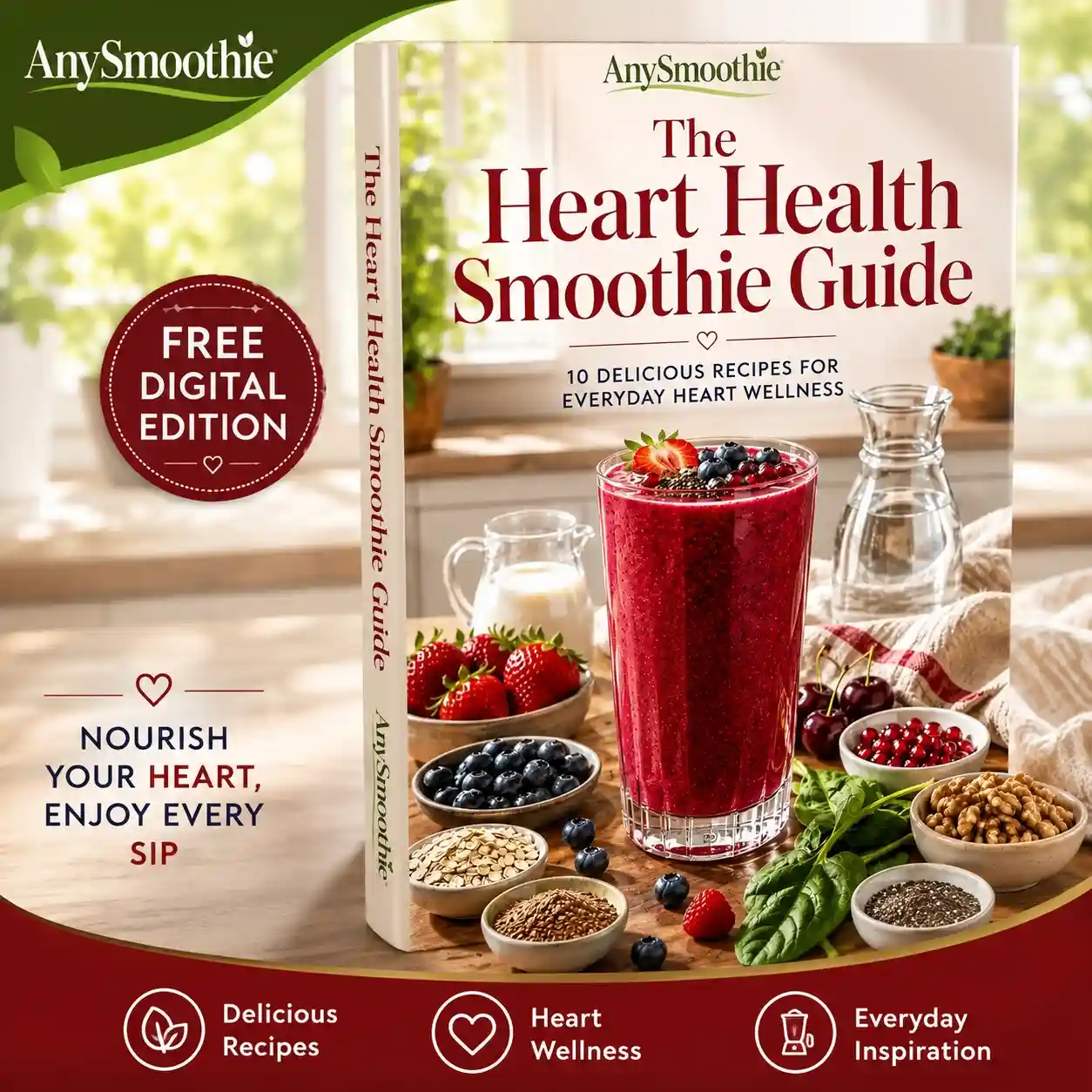
Make everyday nutrition easier with The Heart Health Smoothie Guide, a practical, science-informed collection of 10 delicious smoothie recipes created to support heart wellness as part of a balanced lifestyle.
Each recipe combines wholesome ingredients such as fruits, vegetables, whole grains, healthy fats, and quality protein sources. The result is a simple way to enjoy satisfying smoothies that fit into busy mornings, afternoon breaks, or everyday meal planning.
Inside the guide, you’ll learn how to:
- Build a more balanced smoothie with the right mix of ingredients
- Choose heart-friendly foods for flavor, texture, and nourishment
- Add fruits and vegetables to your daily routine
- Include whole grains, healthy fats, and quality protein sources
- Limit ingredients high in added sugars and saturated fats
- Create nutritious smoothies without complicated preparation
With clear guidance and easy-to-follow recipes, this guide helps you make thoughtful food choices without turning healthy eating into a chore. Keep it in your kitchen for fresh ideas whenever you want a quick, flavorful smoothie that supports your overall wellness goals.
The Heart Health Smoothie Guide is a helpful resource for anyone who wants practical recipes and straightforward nutrition guidance in one convenient collection.
🛡️ Safety Notes
- Heart Conditions: If you have cardiovascular disease, heart failure, high blood pressure, or high cholesterol, follow the nutrition advice provided by your healthcare professional and use these recipes as part of your overall eating plan.
- Medication Awareness: Some ingredients may interact with prescribed medications or require portion adjustments. If you take blood pressure medications, anticoagulants, or other heart-related medicines, consult your healthcare provider before making significant dietary changes.
- Choose Balanced Portions: Smoothies can be nutritious, but portion size still matters. Measure calorie-dense ingredients such as nuts, seeds, nut butters, and avocado to help maintain a balanced eating pattern.
- Individual Needs: Everyone’s nutritional requirements are different. Adjust ingredients according to your personal preferences, food tolerances, allergies, and any medical conditions while choosing wholesome foods that fit your lifestyle.
FAQs
Can smoothies support heart health?
Smoothies can be part of a heart-friendly eating pattern when they include nutrient-rich ingredients such as fruits, vegetables, whole grains, healthy fats, and quality protein sources. They work best alongside other healthy lifestyle habits, including regular physical activity, adequate sleep, and balanced meals.
Which ingredients are especially heart-friendly?
Berries, leafy greens, oats, flaxseed, chia seeds, walnuts, almonds, avocado, beans, and plain dairy or fortified plant-based alternatives are commonly included in heart-conscious eating patterns. Combining a variety of these ingredients creates satisfying smoothies with fiber, healthy fats, vitamins, minerals, and protein.
Can I customize the recipes?
Absolutely. You can substitute similar fruits, vegetables, dairy or plant-based alternatives, and seeds or nuts to suit your taste, dietary preferences, or ingredient availability. Keeping a balance of fiber, protein, and healthy fats helps maintain the nutritional quality of the smoothie.
Are these smoothies suitable as meal replacements?
Some recipes can serve as a light meal when they provide enough protein, fiber, and energy to keep you satisfied. Others work better as snacks or alongside balanced meals. Individual nutritional needs vary depending on age, activity level, and personal health goals.
How often can I drink these smoothies?
For most people, smoothies can be enjoyed regularly as part of a varied, balanced diet. Rotating ingredients, choosing mostly whole foods, and limiting added sugars helps maintain nutritional variety while supporting long-term healthy eating habits.
Medical Disclaimer
This ebook is provided for educational and informational purposes only and is not intended to diagnose, treat, cure, or prevent any medical condition. The recipes and nutrition guidance support healthy eating habits and everyday heart wellness as part of a balanced lifestyle. If you have cardiovascular disease, high blood pressure, high cholesterol, diabetes, kidney disease, or take prescription medications, consult your healthcare professional before making significant dietary changes. Individual nutritional needs and responses may vary.