
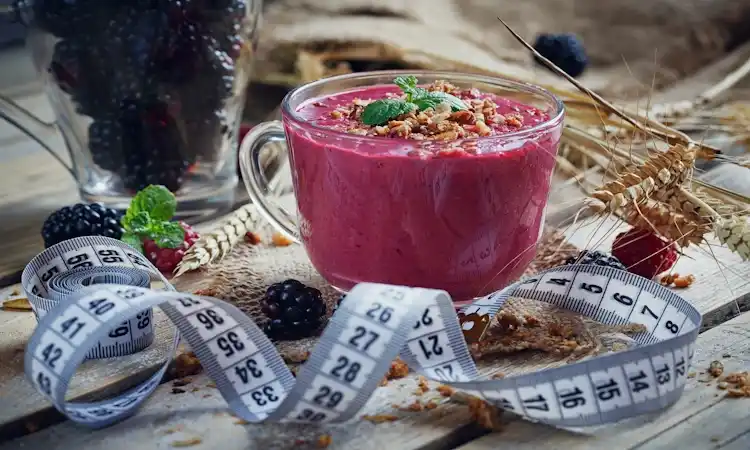
A smoothie won’t melt fat off your body. Still, the right blend can make weight loss feel a lot easier because it helps you stay full, keeps protein high, and keeps calories reasonable.
The problem is that many “healthy” smoothies are basically dessert in a cup. Fruit juice, sweetened yogurt, heaps of nut butter, and add-ons like honey can turn one drink into a big calorie hit with very little staying power.
This guide breaks down a simple, repeatable framework for the best weight loss smoothies, plus quick recipes that taste good and work with real life. You’ll also learn how to use smoothies as a snack or a meal without getting hungrier an hour later.
Weight Loss Programs
Diet & Weight Loss
Diet & Weight Loss
Old School New Body – Transformative Fitness & Nutrition Program
Diet & Weight Loss
Diet & Weight Loss
What makes a smoothie good for weight loss (and keeps you full)
Think of a fat loss smoothie like a sturdy chair. If one leg is missing, you’ll feel it fast. The “legs” are protein, fiber, volume, and flavor. When those are in place, calories tend to fall into a helpful range without obsessive tracking.
Here are easy targets that work for most adults:
- Protein: aim for 20 to 35 grams (higher if it’s a meal replacement).
- Fiber: include at least 5 grams (more is even better).
- Added sugar: keep it minimal (use fruit, spices, and vanilla instead).
- High-calorie extras: use small, measured portions (nut butter, oil, granola).
Protein matters because it’s the most filling macro for many people, and it also helps you protect muscle while you’re in a calorie deficit. Fiber slows digestion and helps your stomach feel “comfortably full,” not sloshy-full. If you want more ideas for getting protein without relying on powders, this roundup of high-protein smoothies without protein powder can spark some options.
Volume is the underrated trick. Ice, zucchini, cauliflower rice, spinach, and cucumber add bulk for very few calories. Finally, flavor makes it stick. If it tastes like punishment, you won’t repeat it on a stressful Tuesday.
The easy smoothie formula: protein, fiber, and smart fats
Use this “choose 1” approach so you don’t need a new recipe every day.
Choose 1 protein (pick one):
- 3/4 to 1 cup plain Greek yogurt
- 1/2 to 1 cup low-fat cottage cheese
- 1 scoop whey, soy, or pea protein
- 1/2 block silken tofu
Choose 1 to 2 fiber boosters:
- 1 cup berries (fresh or frozen)
- 1 tablespoon chia seeds or ground flax
- 1/4 cup oats
- 1 to 2 cups spinach
- 1/2 cup frozen cauliflower rice
Choose 0 to 1 smart fat (small portion):
- 1 to 2 teaspoons peanut butter or almond butter
- 1/8 to 1/4 avocado
- Extra chia (already counts as fiber too)
Then add: water, unsweetened milk, or unsweetened almond milk to blend. Finish with cinnamon, vanilla, cocoa, or citrus to make it taste like something you’d pay for.
Ingredients that quietly add too many calories
Some smoothie ingredients don’t look “bad,” but they stack calories fast.
Fruit juice is the biggest one. It’s easy to drink hundreds of calories with little fiber. Big spoonfuls of nut butter, coconut oil, sweetened yogurt, granola, honey, and dates can do the same. Even “detox” add-ins can be sugar-heavy if they’re mostly dried fruit or sweet powders.
Use these swaps instead:
- Juice → water, cold brew, or unsweetened milk
- Honey/dates → cinnamon, vanilla, or a few extra berries
- Granola → oats (measured) or chia for thickness
- Sweetened yogurt → plain yogurt plus fruit
A smoothie should feel like a meal or a real snack, not a liquid cupcake with a health label.
7 best weight loss smoothies you can make in 5 minutes
Each recipe below is built around protein + fiber, with enough flavor to keep you coming back. If you like browsing other “fat burning smoothies” for inspiration, compare the ingredient balance to lists like Simple Green Smoothies’ weight loss smoothie ideas, then tweak them using the formula above.
Berry Greek yogurt fat burning smoothie (high protein, low fuss)
For anyone who wants healthy breakfast smoothies that don’t taste “diet.”
Ingredients
- 1 cup frozen mixed berries
- 3/4 cup plain Greek yogurt
- 3/4 cup milk or unsweetened almond milk
- 1 tablespoon chia or ground flax
- Optional: 1 cup baby spinach
- Ice as needed
Why it helps: Greek yogurt plus chia makes it high-protein and higher-fiber, and it stays creamy without juice. The berries add sweetness without added sugar.
Green protein smoothie that tastes like pineapple (no “lawn” flavor)
For people who want a lighter, refreshing option that still has structure. It also fits the “metabolism boosting drinks” vibe without pretending it’s magic.
Ingredients
- 1 to 2 cups spinach
- 3/4 cup frozen pineapple
- 1 scoop vanilla protein powder or 1/2 block silken tofu
- 1/2 cup cucumber or chopped zucchini (fresh or frozen)
- Juice of 1/2 lime
- 3/4 to 1 cup water
Why it helps: The protein anchors it, while cucumber adds volume and hydration. Lime and pineapple cover the green taste.
Chocolate PB banana smoothie that fits your calories
For the “I want dessert” days, without turning it into a calorie bomb.
Ingredients
- 1 scoop chocolate or vanilla protein powder (or 3/4 cup cottage cheese)
- 1/2 medium banana (frozen is best)
- 1 tablespoon unsweetened cocoa powder
- 1 teaspoon to 1 tablespoon peanut butter
- 1 cup unsweetened almond milk
- 1 to 2 cups ice
Why it helps: You get the chocolate-PB feel with measured fat. To keep it lower calorie, use 1 teaspoon peanut butter or swap to powdered peanut butter.
Coffee breakfast smoothie for busy mornings (keeps cravings down)
For mornings when you’d otherwise grab a pastry and hope for the best.
Ingredients
- 3/4 cup cold brew or chilled coffee
- 3/4 cup plain Greek yogurt (or 1 scoop whey/soy protein)
- 2 tablespoons oats
- 1/2 teaspoon cinnamon
- 1/2 cup milk of choice (as needed for blending)
- Ice
Why it helps: Protein plus a small amount of oats gives steady energy. It’s one of the easiest meal replacement smoothies when you’re rushed.
Apple pie oats smoothie (sweet without added sugar)
For anyone who wants low calorie smoothie recipes that still feel cozy.
Ingredients
- 1/2 apple (cored) or 1/2 cup unsweetened applesauce
- 1 scoop vanilla protein powder
- 2 tablespoons oats
- 3/4 to 1 cup milk of choice
- 1/2 teaspoon cinnamon
- Optional: 1/2 cup frozen cauliflower rice
- Ice
Why it helps: Cinnamon and vanilla make it taste sweet, even without sweeteners. Cauliflower rice thickens it without changing flavor much.
Tropical chia smoothie for digestion and fullness (dairy free)
For a dairy-free option that stays thick and satisfying.
Ingredients
- 1 cup unsweetened soy milk (higher protein) or unsweetened almond milk
- 1/2 cup frozen mango
- 1 tablespoon chia seeds
- Squeeze of lemon
- Ice
Why it helps: Chia thickens the smoothie and adds fiber, which can help you stay full longer. Keep mango measured so the calories don’t creep up.
High fiber “detox” smoothie that is really just produce (and works)
For fans of detox smoothie recipes who want something more sensible. This isn’t a cleanse, it’s just a high-produce blend that supports appetite control.
Ingredients
- 1 cup frozen berries
- 1 to 2 cups spinach
- 1/2 cucumber (or 1 cup chopped)
- 1 tablespoon ground flax
- 1 to 1 1/4 cups water
- 1/2 teaspoon grated ginger (or a small knob)
- Optional protein: 1/2 cup Greek yogurt or 1 scoop unflavored protein
Why it helps: Fiber and volume are the stars here. Add protein if you want it to hold you longer than a light snack.
How to use smoothies to lose weight without getting hungry later
Smoothies work best when they have a job. Use them as a planned breakfast, a post-workout meal, or a structured afternoon snack. When you sip one randomly on top of your usual food, it turns into extra calories, not a helpful tool.
A simple approach is to match the smoothie to your next meal. If lunch is soon, keep it snack-sized. If you’re replacing breakfast, build it like a real meal. You don’t need to track every gram, but rough calorie ranges can keep you honest: 200 to 300 calories for a snack smoothie, and 350 to 500 calories for a meal replacement smoothie (depending on your needs and size).
If you want another set of balanced ideas, this list of dietitian-recommended weight loss smoothies is useful for comparing portion sizes and ingredient choices.
Also, if you’re pregnant, have kidney disease, take diabetes meds, or manage a medical condition, talk with a clinician or registered dietitian before making smoothies a daily habit.
Meal replacement smoothies vs snack smoothies (and how to build each)
Use these templates when you don’t want to think.
Snack smoothie template (lighter):
15 to 25 g protein, lots of ice or watery produce, minimal fats. Example: protein + berries + spinach + water + ice.
Meal replacement template (more complete):
25 to 35 g protein, at least 5 g fiber, plus a small carb like oats or a whole fruit portion. Example: Greek yogurt + berries + chia + 2 tbsp oats.
If you still feel unsatisfied, add something crunchy on the side (an apple, carrots, or a few whole-grain crackers). Chewing helps your brain register “I ate,” not “I drank.”
If hunger hits hard one hour later, your smoothie likely needs more protein, more fiber, or more volume (or all three).
Prep once, blend fast: freezer packs and a no clumps routine
The easiest way to stay consistent is to prep freezer packs. Portion fruit, spinach, and add-ins into zip bags or containers, then freeze. In the morning, dump one pack into the blender, add your liquid and protein, and go.
A simple blending order prevents clumps:
- Pour in liquid first.
- Add powders and soft ingredients (yogurt, tofu).
- Add frozen fruit and ice last.
For better texture, soak chia in your liquid for 5 minutes, or use finely ground flax. If the smoothie feels gritty, blend 20 to 30 seconds longer than you think you need. For more high-protein inspiration that stays practical, scan EatingWell’s high-protein smoothie recipes and borrow their flavor combos.
Conclusion
The smoothies that “work” are the ones you’ll actually drink again tomorrow. Skip the sugar-heavy blends and build around protein and fiber, with enough volume to feel satisfied. That’s the difference between a snack that holds you and a drink that leaves you hunting for chips at 3 pm.
Pick one or two recipes from this list and repeat them for a week. Then adjust thickness, sweetness, and portions based on how hungry you feel later. If you want the simplest next step, save your favorites and make two freezer packs tonight, so your next smoothie takes two minutes instead of ten.

The AnySmoothie team is all about smarter smoothie recipes made with whole-food ingredients. Everything we share centers on balanced nutrition, steady energy, and low-glycemic choices, so you can sip a smoothie that keeps you full, feels good, and helps you avoid sugar crashes.
- Disclaimer: This content is for educational use only. These smoothie recipes and nutrition details aren’t a substitute for medical advice from a licensed health professional. Please read our full Medical Disclaimer here.
Dietary Supplements
Dietary Supplements
ZenCortex – Daily Support for Brain Clarity and Hearing Health

Dietary Supplements
Dietary Supplements
Dietary Supplements