
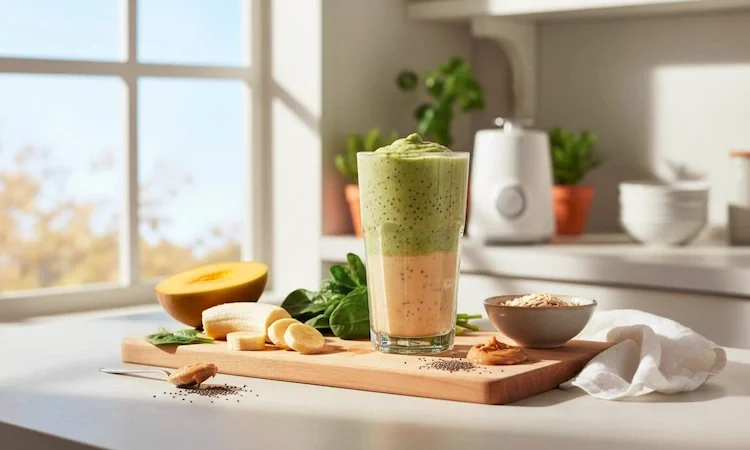
If coffee turns you into a vibrating phone on silent mode, you’re not alone. A smoothie without caffeine can be a smart way to get that “I’m awake and ready” feeling without the shaky hands, racing thoughts, or late-night tossing and turning.
People skip caffeine for all sorts of reasons: better sleep, anxiety, pregnancy, nursing, kids’ snacks, or just plain sensitivity. And sometimes it’s about timing. That 3 p.m. craving hits, but a caffeinated drink can ruin your night.
The good news is you can still feel steady energy from smoothies. The secret isn’t a stimulant, it’s protein, fiber, and smart carbs that don’t spike and crash. One more thing: some “healthy” add-ins hide caffeine, so this guide will show what to avoid, what to choose, and simple recipes that stay truly caffeine-free.
Weight Loss Programs

Cooking
Diet & Weight Loss
Diet & Weight Loss
Diet & Weight Loss
What makes a smoothie “without caffeine”, and what to watch out for
Caffeine is a natural stimulant found in plants like coffee beans, tea leaves, and cacao. When you’re trying to avoid it, the tricky part isn’t your blender. It’s the ingredients that sneak caffeine in through the side door.
A smoothie counts as “without caffeine” when none of the ingredients contain caffeine, including powders, syrups, and mix-ins. That sounds simple, but labels don’t always make it obvious, especially with supplements and “energy” products.
If you want a quick reality check on how often caffeine hides in everyday foods, guides like EatingWell’s overview of sneaky caffeine sources can be eye-opening. It’s not meant to scare you, it just shows why ingredient lists matter.
Here’s a simple way to read labels without turning it into homework:
- Scan for coffee or tea words first (including extracts and concentrates).
- Look for plant add-ins that sound herbal or “natural energy”.
- If a smoothie add-in has a “boost” vibe, assume it needs a second look.
If you’re highly sensitive, it can help to learn the common label names that signal caffeine-related ingredients. This roundup from Caffeine Informer on ingredients that contain hidden caffeine is a useful reference when you’re checking powders or nutrition bars you might blend in.
Common smoothie ingredients that often contain caffeine
Some sources are obvious, others are sneaky. These are the ones that show up most in smoothies:
Coffee in any form: cold brew, espresso shots, coffee concentrate, coffee “protein” blends, mocha flavoring. Even “decaf” coffee can contain small amounts of caffeine.
Tea-based add-ins: matcha powder, green tea powder, black tea, chai concentrates, bottled tea shots, kombucha add-ins.
Herbal stimulants: yerba mate, guarana, kola nut. These can appear in “natural energy” blends.
Cacao and chocolate ingredients: cacao nibs, cocoa powder, chocolate syrup, chocolate-flavored smoothie bases. Cocoa has less caffeine than coffee, but it is not caffeine-free. If your goal is zero caffeine, chocolate is a gray zone you’ll want to skip.
Energy powders and pre-workout mixes: these often contain caffeine or stimulant blends, sometimes with unclear amounts.
Certain protein powders or bars: especially coffee-flavored, mocha, “energy” labeled, or anything blended with tea, cacao, or guarana. If you toss half a protein bar into your smoothie, check that label too.
Quick tip: when in doubt, search the ingredient list for tea, coffee, cacao, guarana, mate. If any show up, it’s not truly caffeine-free. For more context on hidden caffeine beyond drinks, Food Network’s list of foods that have hidden caffeine is a helpful reminder of how common it is.
How to order a caffeine-free smoothie at a cafe or smoothie bar
Cafes can be the hardest place to control ingredients, because “boosts” are often pre-mixed. Keep it simple, be direct, and don’t be shy about repeating the request.
Here’s an easy script you can use:
“I’d like a smoothie with no coffee, no matcha, no tea, no chocolate, and no energy boosters. Can you make it just fruit plus yogurt or milk?”
Safer flavor routes usually include vanilla, cinnamon, fruit, peanut butter, and yogurt. If you want something refreshing, ask for a fruit-and-coconut-water base.
Cross-contact is rare, but possible if they use the same scoops or blenders for matcha or mocha smoothies. If you’re very sensitive, ask: “Do you use separate scoops for powders?” If you need more ideas for cafe ordering beyond smoothies, this guide on caffeine-free drinks to order in a coffee shop can help you think through what’s typically safe.
How to build a smoothie without caffeine that still gives steady energy
Caffeine gives a quick jolt, but it doesn’t fix the real problem when your energy dips. Most slumps come from one of three things: not eating enough protein, eating mostly sugar without fiber, or being mildly dehydrated.
A smoothie without caffeine can work like a well-built meal in a cup. Think of it like building a campfire. Kindling (fast carbs) catches quickly, but you need logs (protein and fat) to keep it going.
Use this repeatable formula:
Base + fruit/veg + protein + healthy fat + fiber add-in + flavor
You don’t need every category every time, but hitting most of them makes a big difference in how you feel an hour later.
Here are simple portion guides (no kitchen scale needed):
- Base: 1 to 1 1/2 cups
- Fruit/veg: 1 to 2 cups (frozen counts)
- Protein: enough to reach 15 to 30 grams for adults (kids usually need less)
- Healthy fat: 1 to 2 tablespoons
- Fiber add-in: 1 tablespoon chia or ground flax, or 1/4 cup oats
- Flavor: spices, zest, herbs, a pinch of salt
If you’re vegan, swap dairy for soy milk, tofu, or a plant-based yogurt. If you’re low-sugar, use more berries, add spinach, and keep juice to a small splash.
Caffeine-free bases that taste good and blend well
Your base changes the whole vibe. Some bases make a smoothie creamy and filling, others make it light.
Good options:
Milk (dairy or lactose-free): classic, neutral, creamy.
Soy milk: higher protein for a plant option.
Oat milk: naturally sweet, great with cinnamon and fruit.
Coconut milk beverage: lighter than canned coconut milk, adds a mild tropical taste.
Kefir: tangy, drinkable, good for smoothie texture.
Yogurt plus water: thick and high-protein, easy to thin out.
Water: clean taste, best when fruit is doing the heavy lifting.
Coconut water: refreshing, especially with pineapple or mango.
Diluted juice: use half juice, half water if you want less sweetness.
Sugar note: if you want more control, choose unsweetened milks and yogurt, then sweeten with fruit.
Texture trick: frozen fruit and a handful of ice create thickness fast. If you don’t want an icy texture, use frozen banana or frozen mango instead of extra ice.
Protein and fat add-ins that keep you full longer
This is where caffeine-free smoothies win. Protein and fat don’t feel “exciting” like espresso, but they help you stay even.
Reliable options:
Greek yogurt: thick, high-protein, mild flavor.
Cottage cheese: surprisingly smooth when blended, adds creaminess.
Silken tofu: neutral, easy vegan protein.
Hemp hearts: mild, nutty, blend easily.
Chia seeds: add fiber and thickness (let it sit 2 minutes).
Nut butters: peanut, almond, cashew, all work.
Tahini: slightly bitter in a good way, great with honey and banana.
Sunflower seed butter: nut-free, kid-friendly.
Protein powder can be fine too, just choose one that’s clearly caffeine-free (and not mocha, coffee, or “energy” labeled). If the ingredient list mentions cacao, coffee, tea, guarana, or yerba mate, skip it.
Simple target: 15 to 30 grams of protein for most adults at breakfast or lunch. If you’re making a smoothie for a kid, smaller portions and less added protein usually make more sense.
Naturally “energizing” flavor boosters that are caffeine-free
A smoothie can taste bright and wakeful without stimulants. The key is using flavors that feel crisp, spicy, or fresh.
Try these:
Citrus zest (lemon, orange): makes fruit taste sharper and fresher.
Ginger: adds a clean bite, especially with mango or pear.
Turmeric: earthy, pairs well with pineapple.
Cinnamon: cozy, helps dessert-like smoothies taste satisfying.
Vanilla extract: makes “plain” smoothies taste finished.
Mint: cooling, great with berries or melon.
Frozen mango or pineapple: bold flavor that doesn’t need extra sweetener.
A pinch of salt: not enough to taste salty, just enough to make fruit pop.
Everyday support tip (no hype): pairing vitamin C-rich fruit (like orange or pineapple) with spinach can help you make better use of what’s already in your food. It’s an easy combo that tastes better than it sounds.
Easy smoothie without caffeine recipes for mornings, afternoons, and evenings
Each recipe uses simple ingredients and stays caffeine-free (no chocolate, cocoa, matcha, coffee, or “energy” powders). Measurements are flexible, so adjust thickness with more liquid, or add ice for a frostier blend.
Morning smoothies without caffeine (fast, filling, not too sweet)
Creamy Berry Oat Protein Smoothie
Ingredients:
- 1 cup frozen mixed berries
- 1 cup milk (dairy or soy)
- 1/2 cup plain Greek yogurt
- 1/4 cup rolled oats
- 1/2 teaspoon cinnamon
Optional: 1 tablespoon chia or ground flax
Tip: blend the oats first for a smoother texture, then add everything else.
Apple Pie Breakfast Smoothie
Ingredients:
- 1 cup chopped apple (or 3/4 cup unsweetened applesauce)
- 3/4 cup plain yogurt (Greek if you want higher protein)
- 1/4 cup rolled oats
- 1/2 teaspoon cinnamon
- 1/2 teaspoon vanilla extract
Optional: 1 to 2 teaspoons maple syrup if your apple isn’t sweet
Swap: use oat milk for a warmer, bakery-style flavor.
Afternoon pick-me-up smoothies without caffeine (for the 3 p.m. slump)
Tropical Green Smoothie
Ingredients:
- 1 cup frozen mango
- 1/2 cup frozen pineapple
- 1 packed cup baby spinach
- 1 cup coconut water
- 1 tablespoon chia seeds
Optional: fresh lime squeeze for a brighter taste
Lower sugar option: reduce mango to 1/2 cup and add 1/2 cup cucumber.
Peanut Butter Banana Shake
Ingredients:
- 1 frozen banana
- 1 cup milk (dairy or soy)
- 1 to 2 tablespoons peanut butter
- 1 pinch of salt
Optional: 1/2 teaspoon vanilla extract
Note: frozen banana makes it thick and milkshake-like. Add ice only if you want it extra cold.
Evening and bedtime-friendly smoothies without caffeine (light and calming)
Cherry Vanilla Yogurt Smoothie
Ingredients:
- 1 cup frozen tart cherries
- 3/4 cup plain yogurt
- 1/2 cup milk (or water to lighten it)
- 1/2 teaspoon vanilla extract
Optional: 1 teaspoon honey if needed
Swap: use kefir instead of yogurt for a thinner, tangier drink.
Pear Ginger Smoothie
Ingredients:
- 1 ripe pear (cored, skin on is fine)
- 3/4 cup kefir or plain yogurt
- 1/2 teaspoon grated fresh ginger (or a pinch of ground ginger)
- 2 to 4 ice cubes
Optional: 1 teaspoon honey
Night tip: keep portions smaller in the evening if you deal with reflux, and blend it a bit thinner so it’s easier to sip slowly.
Conclusion
A smoothie without caffeine doesn’t have to feel like a compromise. When you build it with protein, fiber, and good carbs, it can give you the kind of steady energy that actually lasts, without the jittery spike or the late-day crash.
The main watch-out is hidden caffeine in powders, “energy” blends, and anything chocolate or cacao-based. If you keep your ingredient list simple, it’s easy to stay on track.
Pick one recipe from above this week and make it your baseline. Then adjust thickness, sweetness, and protein until it fits your day. Save the formula, rotate fruits and add-ins, and you’ll never get bored while staying confidently caffeine-free.

The AnySmoothie team is all about smarter smoothie recipes made with whole-food ingredients. Everything we share centers on balanced nutrition, steady energy, and low-glycemic choices, so you can sip a smoothie that keeps you full, feels good, and helps you avoid sugar crashes.
- Disclaimer: This content is for educational use only. These smoothie recipes and nutrition details aren’t a substitute for medical advice from a licensed health professional. Please read our full Medical Disclaimer here.
Dietary Supplements
Dietary Supplements
Remedies
Dietary Supplements
Dietary Supplements