
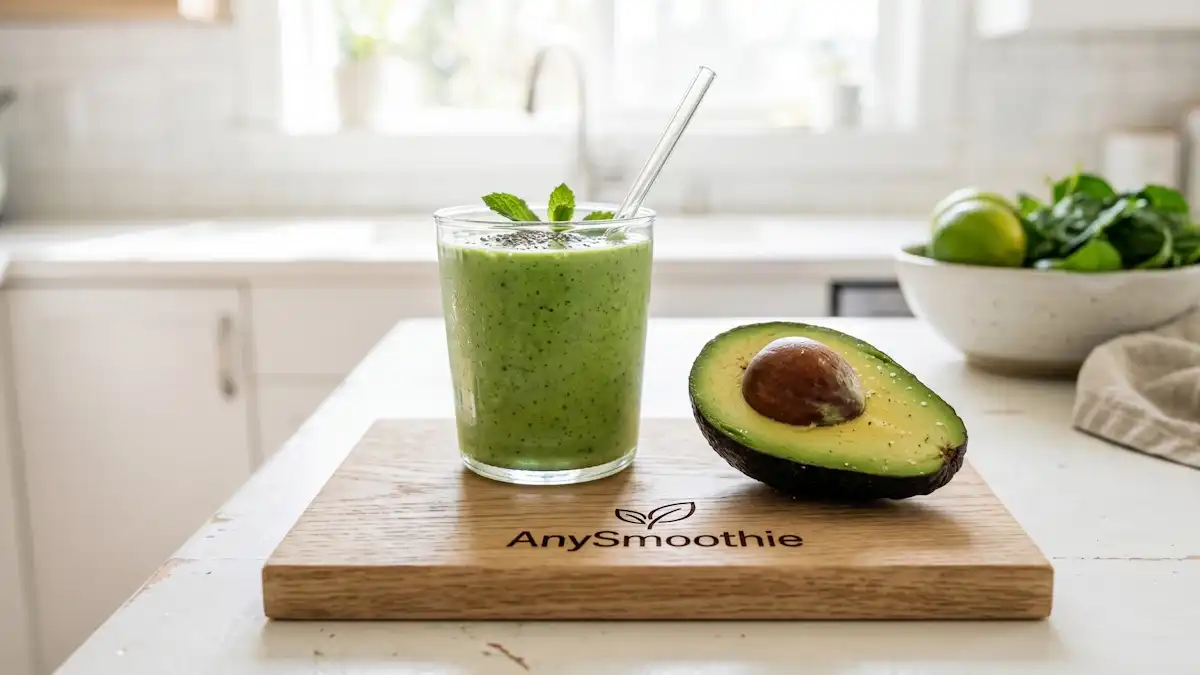
You blend up fruity smoothies for breakfast. Energy crashes hit by 10 a.m. Pounds creep back after diets fail. Avocado smoothies for metabolic weight loss fix that. They ramp up fat oxidation. They blunt blood sugar spikes. Their creaminess keeps you full for hours.
Metabolic weight loss means your body burns fat better. It improves lipid metabolism. It controls blood sugar. No more yo-yo cycles from empty calories. Avocados pack monounsaturated fats and fiber. These trigger real changes in how cells use energy.
Science backs this. Oleic acid in avocados activates fat-burning pathways. Studies show better satiety and steady glucose. You’ll see a comparison table soon. Then, try three simple recipes. Pairing tips boost results. Keep reading. Transform your mornings into fat-burning starts.
The Avocado Advantage: Beyond the Healthy Fat Myth
Avocados beat banana bases in smoothies. People think all fats slow weight loss. That’s wrong. Avocados speed fat use through lipid metabolism. They activate PPAR-alpha for true burning.
Bananas spike sugar fast. Avocados stabilize it. Fiber and fats create lasting fullness. Nutrient punch crushes empty carbs. Here’s how they stack up.
| Criteria | Avocado | Banana |
|---|---|---|
| Impact on Blood Sugar (GI) | Low GI blunts spikes | High GI causes surges |
| Satiety Duration | Sustains hours via fiber and fat | Short-lived sugar high |
| Caloric Density vs. Nutrient Density | High nutrients, low net carbs | Calorie-heavy, low micros |
| Metabolic Signaling | Triggers fat burning | Promotes storage |
Avocado stands as the metabolic king for steady loss. It shifts your body from storing to burning. Bananas fuel quick energy dumps. Avocados build endurance.
This edge comes from inside the fruit. Next, see the key player.
Oleic Acid and PPAR-α: Flipping the Genetic Switch for Fat Oxidation
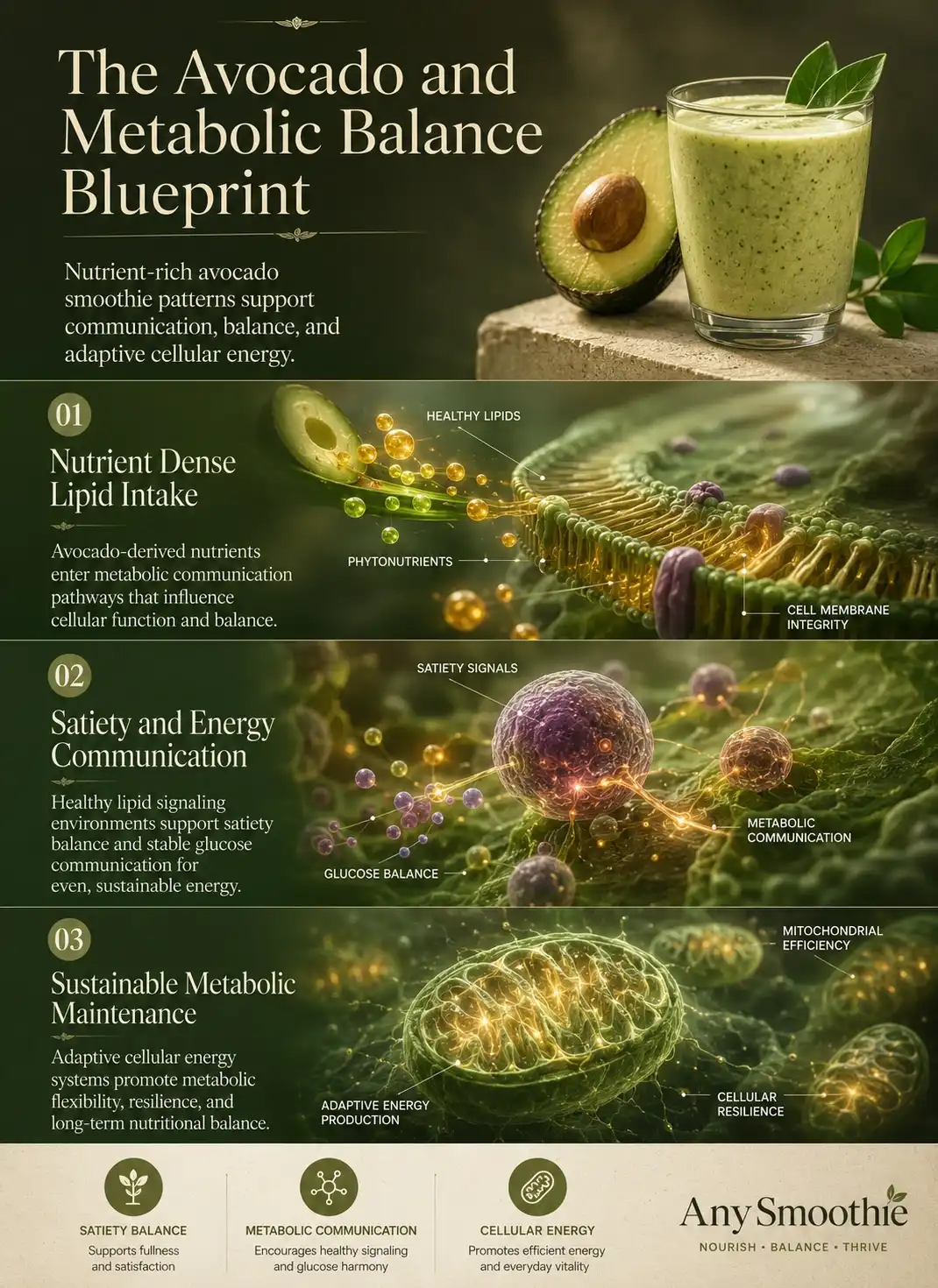
Oleic acid fills avocados. It turns on PPAR-α receptors. Think of it as a switch. Your cells fire up a fat-burning furnace.
PPAR-α boosts oxidation. Cells pull stored fat for fuel. Research shows a 20-30% jump in burn rates. One study links oleic acid to this path. Oleic acid stimulates complete oxidation of fatty acids.
This drives metabolic weight loss. You tap reserves easier. Smoothies with avocado make it simple. Results stick because fat use ramps up daily. Add one now. Feel the shift in weeks.
Glucose Blunting: How Avocado Fiber Prevents Insulin Spikes
Avocado fiber slows sugar uptake. It blunts glucose rises. Insulin stays low. No fat storage traps.
Fruit smoothies flood blood sugar. Crashes follow. Avocados smooth the ride. Steady energy lasts. One trial found daily intake cuts post-meal glucose
This breaks loss plateaus. Your body avoids store mode. Blend avocado daily. Watch cravings fade.
Satiety Signaling: The Role of Avocado in Regulating Leptin and Ghrelin
Avocado balances hormones. Fiber and fats raise leptin. It signals fullness to your brain. Ghrelin drops. No hunger pangs hit.
Leptin says stop. Ghrelin yells eat. Avocado meals double satiety time. A clinical trial proved it in overweight folks. Avocado boosts satiety over carbs.
Fewer snacks mean easier cuts. Smoothies curb urges all day. You win at weight loss.
3 Avocado-Based Metabolic Power Recipes
These recipes fire fat oxidation. They blunt sugar. Density packs punch. Each serves one or two. Around 300-400 calories. Prep takes five minutes. Avocado brings creaminess.
Customize with stevia or herbs. Blend until smooth. Add ice for chill.
The ‘Green-Keto’ Avocado and Collagen Reset
Ingredients:
- 1 ripe avocado
- 1 cup spinach
- 1 scoop collagen peptides
- 1 tbsp MCT oil
- 1 cup unsweetened almond milk
- Stevia to taste
- Ice
Steps:
- Add all ingredients to the blender.
- Blend for two minutes until smooth.
MCTs spike lipid metabolism. Collagen aids gut health for better loss. Net carbs stay at 5g. High fat oxidation rules.
Taste hits creamy and earthy. Perfect morning reset. Fuels steady burn.
Estimated Nutrition per Serving
Estimated with one medium avocado, unsweetened almond milk, and a collagen serving providing approximately 18–20g protein.
- Calories: ~500 kcal
- Protein: ~23 g
- Carbohydrates: ~20 g
- Fat: ~40 g
- Fiber: ~14 g
- Sugars: ~2 g
This is an especially rich smoothie, and the avocado can vary quite a bit in size. If the first blend feels closer to pudding than a drink, add almond milk a little at a time instead of adding more ice.
Berry Avocado Fat Igniter
Ingredients:
- 1 avocado
- 1/2 cup low-GI berries like blueberries
- Handful kale
- 1 tbsp chia seeds
- 1 cup coconut water
- Pinch ginger
- Ice cubes
Steps:
- Add all ingredients to the blender.
- Blend until smooth.
Berries bring antioxidants. Chia blunts glucose more. PPAR-α gets a nudge. Net carbs hit 8g. Energy holds strong.
Flavor mixes tart and sweet. Ignites your day.
Estimated Nutrition per Serving
Estimated with one medium avocado, 1/2 cup blueberries, and unsweetened coconut water.
- Calories: ~440 kcal
- Protein: ~9 g
- Carbohydrates: ~46 g
- Fat: ~27 g
- Fiber: ~18 g
- Sugars: ~18 g
Tropical Avocado Metabolism Booster
Ingredients:
- 1 avocado
- 1/2 cucumber
- 1/2 cup pineapple chunks
- Handful spinach
- 1 tsp turmeric
- 1 cup green tea
- Squeeze lemon
- Ice
Steps:
- Add all ingredients to the blender.
- Blend quickly until smooth.
Turmeric boosts burn like ginger. Cucumber hydrates. Low sugar shines. 10g net carbs max.
Refreshing tropical kick. Densest nutrients yet.
Estimated Nutrition per Serving
Estimated with one medium avocado, unsweetened brewed green tea, and approximately 1 tablespoon lemon juice.
- Calories: ~360 kcal
- Protein: ~7 g
- Carbohydrates: ~39 g
- Fat: ~22 g
- Fiber: ~16 g
- Sugars: ~13 g
Pineapple can easily take over the flavor even at half a cup. If you want the cucumber and lemon to stay noticeable, blend those first with the green tea, then add the pineapple and avocado.
Pairing Avocado for Maximum Nutrient Absorption
Avocado fats unlock veggies. They grab fat-soluble goods. Smoothies absorb better. Taste improves too.
Pair with greens or carrots. Metabolism gets a lift. Fats make it biohack gold.
Carotenoid Synergy: Why Avocado Makes Your Other Veggies Work Better
Fats in avocado skyrocket carotenoids. Beta-carotene and lutein jump 4-5 times. Studies confirm it. Pair avocado with veggies for max absorption.
Antioxidants fight oxidation indirectly. Add kale or peppers. Greens turn superchargers. Weight loss speeds with more uptake.
Conclusion: Avocado smoothies win big.
Avocado smoothies power metabolic weight loss. They spark fat oxidation via oleic acid. Fiber blunts spikes for steady fuel. Satiety curbs hunger long. Recipes deliver creaminess and ease.
Pairings amp nutrients. Start with the Green-Keto today. Energy rises. Fat drops in weeks. Share your wins below. More biohacks coming. Your body thanks you.
🛡️ Safety Notes & Dietary Interactions
- PPAR-α Activation and Lipid Oxidation Signaling: Avocados are rich in oleic acid, a monounsaturated fat commonly discussed in relation to PPAR-α pathways involved in fatty acid utilization. Smoothies built around avocado, fiber, and moderate carbohydrates may help support steadier fat oxidation dynamics compared to highly refined breakfast patterns that create rapid glucose swings and short-lived satiety.
- Glucose Curve Modulation and Insulin Stability: Avocado fiber slows gastric emptying and softens post-meal glucose elevation when paired with berries, greens, chia, or protein sources. This steadier nutrient pacing often creates a calmer metabolic environment than fruit-heavy smoothies that digest quickly and contribute to sharper insulin fluctuations across the morning.
- Leptin-Ghrelin Satiety Communication Dynamics: The combination of fats and fiber in avocado-based smoothies may help support more stable appetite signaling by improving meal satisfaction and reducing rapid hunger rebound. In practical terms, that often translates into fewer snack cravings and more consistent energy pacing during long workdays or calorie-conscious nutrition phases.
- Carotenoid Absorption and Fat-Soluble Nutrient Transport: Avocado lipids improve the absorption environment for fat-soluble phytonutrients found in spinach, kale, carrots, and other colorful plants. Pairing avocado with greens therefore supports more efficient carotenoid uptake while also improving smoothie texture, nutrient partitioning, and overall satiety structure.
FAQ
Why are avocados considered more metabolically stable than bananas in smoothies?
Avocados contain more fiber and monounsaturated fats while contributing far less sugar than bananas. This combination slows digestion and supports steadier glucose handling, which can help reduce the rapid energy fluctuations commonly associated with sweeter smoothie bases. In metabolic flexibility discussions, avocado-based blends are often preferred for longer-lasting satiety and smoother fat oxidation support.
How does oleic acid support fat-burning pathways?
Oleic acid is frequently studied because it interacts with PPAR-α signaling pathways involved in fatty acid metabolism and energy regulation. In practical nutrition terms, foods rich in oleic acid may help support a metabolic environment that favors steadier lipid utilization rather than repeated high-insulin storage cycles. This is one reason avocado appears so often in wellness-focused weight-management routines.
Why do avocado smoothies often keep people full longer?
The combination of fiber, fats, and slower digestion creates a stronger satiety response than low-fat or high-sugar breakfast options. Avocado-based smoothies also tend to digest more gradually, which may help stabilize appetite-related hormones tied to fullness and hunger signaling. Many people notice fewer cravings and steadier energy when the smoothie includes protein and seeds alongside the avocado base.
How do chia seeds and greens improve avocado smoothie formulas?
Chia seeds contribute soluble fiber and texture that further slow glucose absorption, while leafy greens provide minerals and carotenoids associated with metabolic and oxidative balance pathways. When combined with avocado fats, these nutrients are absorbed more efficiently. The result is a smoother nutrient-delivery profile that feels more balanced and metabolically supportive than sweetened smoothie combinations.
Why is nutrient absorption mentioned so often with avocado smoothies?
Avocado fats help improve the absorption of fat-soluble compounds such as carotenoids from spinach, kale, peppers, and similar vegetables. This means the smoothie functions as more than a calorie source alone. The fats also improve texture and satiety, making nutrient-dense ingredients easier to consume consistently as part of a long-term metabolic wellness routine.

Medical Disclaimer: AnySmoothie content is for educational purposes only and is not a substitute for professional medical advice. Consult a healthcare provider for personalized guidance. See our full Disclaimer & Terms of Use. AI Transparency: AnySmoothie may use AI to support content development. All content undergoes human editorial review for accuracy, clarity, and editorial quality. See our full AI Transparency.