
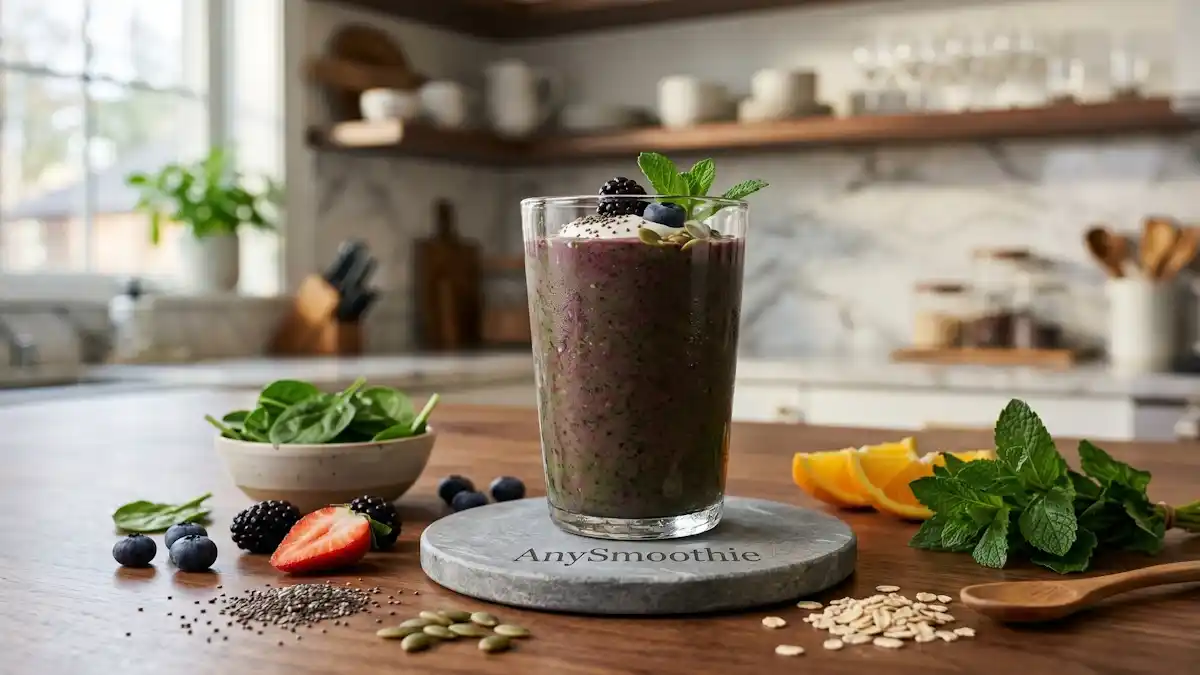
*Educational wellness content only. Not medical nutrition therapy.*
When you’re managing anemia, a smoothie can do more than taste good. It can pack iron-supporting foods, vitamin C, protein, and steady-energy fats into one easy glass.
That matters on low-appetite mornings or days when a full meal feels like work. The best blends stay gentle to drink, but still bring real nutrition.
Nourishing smoothies for people managing anemia work best when the ingredients support each other. Iron-rich greens, bright fruit, minerals, and slow-digesting fats all have a role.
How nutrient-dense smoothies can support everyday vitality
A well-built smoothie gives you a compact way to stack nutrients. Spinach, seeds, yogurt, tofu, and fruit blend into a drink that is easier to finish than a large plate of food. That can help when your schedule is tight or your energy is low.
The goal is simple. Support normal oxygen transport, support energy production, and make nutrient absorption easier. A smart blend does that by pairing iron sources with vitamin C, then adding protein and fat for balance. For a simple guide on healthy eating patterns, see the Mayo Clinic.
A better smoothie is balanced, not just sweet.
Mineral balance and adaptive recovery rhythms
Liquid meals can feel easier when your appetite is off. They also help when mornings move fast and you need something you can sip, not chew. That flexibility matters because consistency is easier when the routine feels light.
Smoothies also let you combine several supportive ingredients at once. One glass can include iron, fiber, protein, and fruit without turning the meal into a chore. That is useful when you want nutrition without a heavy finish.
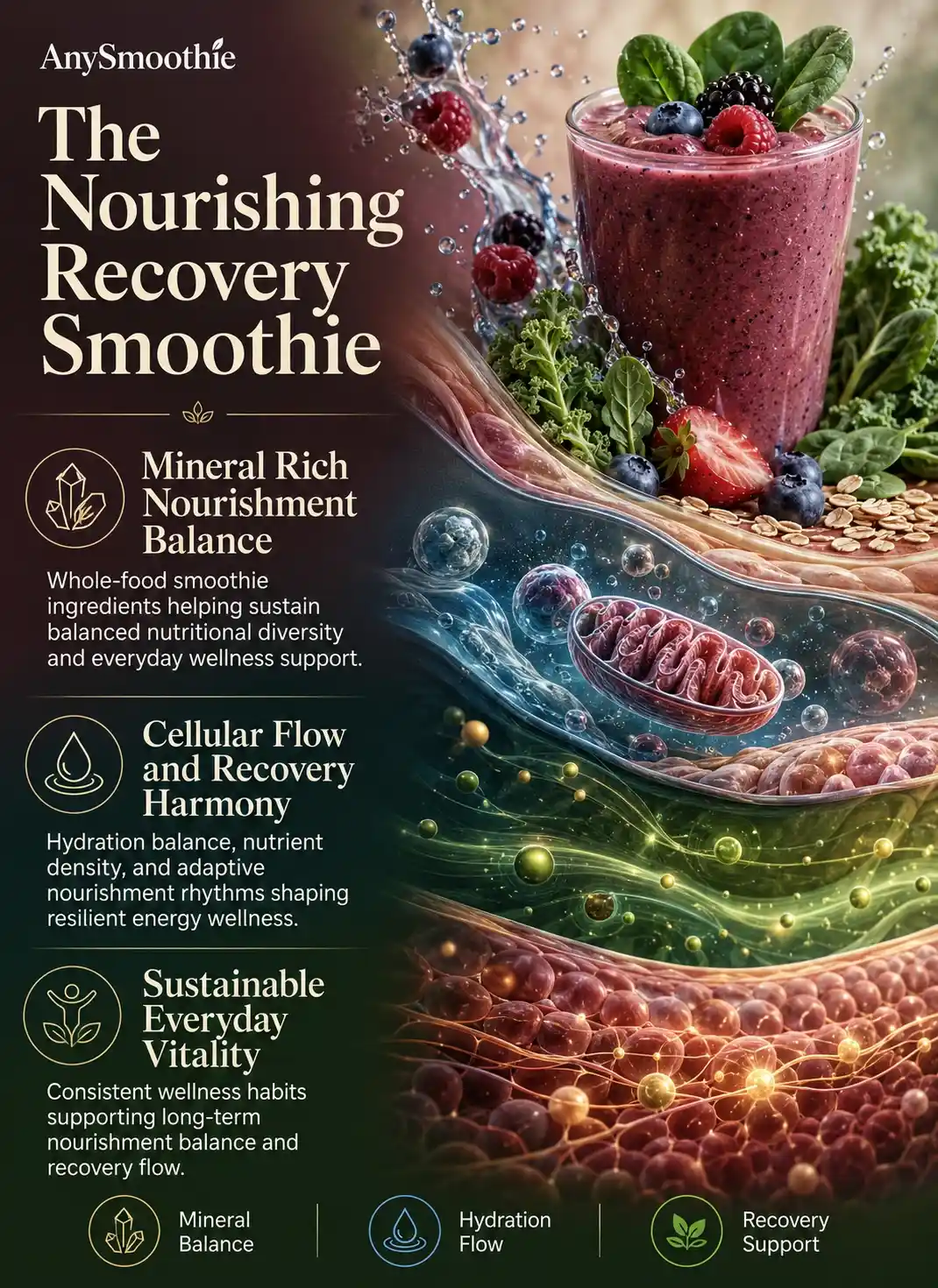
The iron plus vitamin C pairing that helps the body use nutrients better
Vitamin C helps plant iron stay more available during digestion. That is why spinach, berries, kiwi, pineapple, and citrus are such useful partners. They improve the flavor too, so the smoothie feels fresh instead of medicinal
This pairing is one of the simplest ways to support the body’s use of plant foods. You do not need a long ingredient list. You need the right mix in the same glass. If you want a quick check on iron basics, the NIH Office of Dietary Supplements has a clear overview.
Building smoother energy with protein, fiber, and healthy fats
Fruit gives quick energy, but protein and fats slow the pace. That helps the smoothie feel more satisfying and less like a sugar spike. It also supports a steadier feel between meals.
Greek yogurt, chia seeds, nut butter, hemp seeds, and soy milk all do this job well. They turn a fruit-heavy drink into a more complete option. That balance matters when you want a smoothie that carries you through the morning.
Whole food nourishment and cellular wellness harmony
A good smoothie formula is simple. Start with a liquid base, add a green, choose a fruit, then finish with protein and one seed or nut. That pattern supports hydration, keeps texture smooth, and gives each sip more depth.
Hydration stability and energy flow balance
This quick reference shows how common ingredients support the blend.
Nutrient Dense Wellness and Recovery Dynamics
| Functional Ingredient | Wellness Flow Context | Nutritional Support Role | Smoothie Ingredient Source | Everyday Wellness Perspective |
|---|---|---|---|---|
| Spinach Derived Nutrients | Morning base for easy drinking | Adds folate, iron, and magnesium | Spinach | Builds a calm, mineral-rich start |
| Pumpkin Seed Minerals | Mid-morning or post-workout | Supplies iron, zinc, magnesium | Pumpkin seeds | Adds depth and a nutty finish |
| Berry Polyphenols | Bright, tart flavor layer | Supports antioxidant intake | Blueberries, strawberries, mixed berries | Keeps the blend fresh and lively |
| Chia Seed Fiber Sources | Helps thicken the mix | Adds fiber and omega-3 fats | Chia seeds | Slows the pace of digestion |
| Citrus Vitamin C Compounds | Pairs with plant iron | Helps the body use iron from foods | Orange, lemon, grapefruit | Sharpens flavor and nutrient pairing |
The pattern is simple. Use greens and seeds for minerals, fruit for vitamin C, and a creamy base for texture. That gives you a drink that feels complete without becoming hard to sip.
Leafy greens, seeds, and legumes that add key minerals
Spinach and kale are easy starting points because they blend well. Pumpkin seeds add iron, zinc, and magnesium. Chia and hemp seeds bring fiber and healthy fats.
Silken tofu and white beans also work well. They add creaminess and extra nutrients without much sweetness. That makes them useful when you want a smoother, more neutral base.
Fruits that brighten flavor and support iron absorption
Strawberries, citrus, kiwi, pineapple, mango, and mixed berries do two jobs at once. They add vitamin C, and they make the smoothie taste better. That matters because a routine only works if you want to repeat it.
Fruit can also soften the grassy note of greens. The result feels brighter and cleaner. That is one reason fruit and spinach pair so well.
Protein boosters that help make smoothies more balanced
Greek yogurt, kefir, soy milk, protein powder, nut butter, and tofu all raise the protein side of the mix. That can turn a snack into a more complete meal. Variety helps here, because different combinations keep the routine from getting stale.
3 nourishing smoothie recipes
These three blends rotate well through the week. Each one uses everyday ingredients and brings a different nutrition angle.
Berry citrus recovery smoothie
Ingredients
- 1 cup mixed berries
- 1/2 cup orange juice or pineapple
- 1 small handful spinach
- 1 tablespoon chia seeds
- 3/4 cup plain Greek yogurt or 1 cup unsweetened soy milk
Blend until smooth.
This one is bright and easy to drink. The vitamin C from the fruit supports the iron-rich greens, while the chia adds fiber for a fuller finish. It works well at breakfast or after a walk.
Estimated Nutrition per Serving
Estimated with orange juice and nonfat plain Greek yogurt.
- Calories: ~335 kcal
- Protein: ~22 g
- Carbohydrates: ~55 g
- Fat: ~6 g
- Fiber: ~13 g
- Sugars: ~32 g
Green mineral-rich smoothie with pumpkin seeds
Ingredients
- 1 cup spinach
- 1 medium banana
- 2 tablespoons pumpkin seeds
- 1/4 avocado or 1 tablespoon nut butter
- 1 kiwi or 1/2 grapefruit
- 3/4 cup water, as needed
Blend until smooth.
This blend is thicker and more grounded. The seeds bring minerals, the avocado or nut butter adds healthy fats, and the citrus fruit keeps the flavor lively. It fits well when you want something more filling.
Estimated Nutrition per Serving
Estimated with avocado and kiwi.
- Calories: ~375 kcal
- Protein: ~12 g
- Carbohydrates: ~52 g
- Fat: ~17 g
- Fiber: ~13 g
- Sugars: ~24 g
Pumpkin seeds can leave a slightly gritty finish in an otherwise creamy green smoothie. Blending them with the water first for 15–20 seconds helps them disappear much more cleanly into the avocado and banana.
Creamy cacao and date smoothie for steady energy
Ingredients
- 1 tablespoon unsweetened cacao powder
- 2 Medjool dates, pitted
- 1/4 cup rolled oats
- 1 tablespoon almond butter
- 1 cup unsweetened soy milk or protein-rich milk
- Ice, optional
Blend until smooth.
This one feels richer and more dessert-like, but it still has a practical side. The oats and nut butter slow digestion, while the protein makes it more complete. It works well as a snack or post-workout option.
Estimated Nutrition per Serving
Estimated with unsweetened soy milk and almond butter.
- Calories: ~420 kcal
- Protein: ~16 g
- Carbohydrates: ~65 g
- Fat: ~15 g
- Fiber: ~11 g
- Sugars: ~34 g
Lifestyle habits associated with recovery wellness balance
A smoothie routine works best when it fits real life. Regular meal timing helps, and so does enough sleep. When your day has a steady rhythm, it is easier to remember food that supports your needs.
Sleep stability and nourishment rhythm patterns
Keep portions realistic. A smaller smoothie can work as a snack, while a larger one with protein and fat can replace breakfast. Hydrate with water through the day too, because smoothies work best as part of a broader routine.
Watch timing around tea, coffee, and calcium-rich drinks. They can affect how well your body uses iron when they sit right beside an iron-focused meal. Spacing them out is a simple habit.
Prep helps as well. Freezer packs make mornings easier, and a repeatable formula keeps decisions simple. Use one green, one fruit, one protein, one seed, and one liquid. That is enough to build a smoothie you can stick with.
Conclusion
Smoothies can be a low-effort way to support daily nutrition when anemia is part of the picture. The strongest blends pair iron-rich ingredients with vitamin C, then round them out with protein, fiber, and healthy fats.
The real win is consistency. Pick a few combinations you like, repeat them often, and change the fruit or greens when you want variety. Simple routines are easier to keep, and that matters more than chasing the perfect blend.
🛡️ Safety Notes & Dietary Interactions
- Iron Absorption and Vitamin C Pairing Dynamics: Plant-based iron sources from spinach, pumpkin seeds, legumes, and greens tend to work best when paired with vitamin C-rich fruits like orange, kiwi, pineapple, berries, or grapefruit. This combination may help support smoother iron utilization during digestion while also improving flavor balance and making the smoothie feel fresher and easier to drink.
- Protein, Fiber, and Steady-Energy Support: Fruit alone can digest quickly and create shorter-lived energy patterns, especially when appetite or energy levels already feel inconsistent. Adding Greek yogurt, soy milk, tofu, chia, hemp, oats, or nut butter helps slow digestion and create a more balanced nutrient structure that may support steadier satiety and smoother recovery rhythms across the day.
- Mineral Density and Everyday Recovery Balance: Greens and seeds contribute minerals commonly associated with energy metabolism and oxygen-transport support, including iron, magnesium, zinc, and folate. Smoothies built around these ingredients can provide a practical low-effort option on lower-appetite mornings when preparing larger meals feels difficult or exhausting.
- Meal Timing and Iron-Blocking Beverage Considerations: Tea, coffee, and calcium-heavy drinks may interfere with how efficiently the body uses iron-rich meals when consumed at the same time. Spacing these beverages away from iron-focused smoothies is a simple habit that may help support smoother nutrient availability without requiring major changes to the overall routine.
FAQ
Why are smoothies useful for people managing anemia or low energy?
Smoothies allow several supportive ingredients to be combined into one easy-to-drink meal, which can feel more manageable when appetite is low or mornings feel rushed. Greens, seeds, fruit, protein, and healthy fats all work together to provide a steadier nutrient profile without requiring large or heavy meals.
Why is vitamin C paired with spinach and other iron-rich foods?
Vitamin C helps support the availability of plant-based iron during digestion, which is why citrus fruits, kiwi, pineapple, strawberries, and berries are commonly paired with greens and seeds. This combination also improves the flavor profile by balancing the earthier notes of spinach, kale, or legumes with brighter and fresher acidity.
How do seeds and healthy fats improve an iron-support smoothie?
Pumpkin seeds, chia, hemp, avocado, and nut butters add minerals, fiber, and fats that help slow digestion and create a more satisfying texture. This steadier digestion curve may support smoother energy pacing and reduce the “quick crash” feeling that sometimes follows fruit-heavy smoothies without enough protein or fat balance.
Why are Greek yogurt, tofu, and soy milk used so often in these blends?
These ingredients increase the protein content and make the smoothie feel more complete as a meal. They also improve texture and creaminess without depending entirely on sweet fruit for flavor. In practical routines, protein-rich bases often help smoothies feel steadier and more sustaining between meals.
Why does consistency matter more than building the “perfect” smoothie?
The article repeatedly emphasizes that simple routines are easier to maintain long term. A balanced smoothie used consistently often provides more practical benefit than constantly changing complicated formulas. Rotating greens, fruits, seeds, and protein sources gradually helps maintain variety while keeping the routine realistic enough to repeat regularly.

Medical Disclaimer: AnySmoothie content is for educational purposes only and is not a substitute for professional medical advice. Consult a healthcare provider for personalized guidance. See our full Disclaimer & Terms of Use. AI Transparency: AnySmoothie may use AI to support content development. All content undergoes human editorial review for accuracy, clarity, and editorial quality. See our full AI Transparency.