
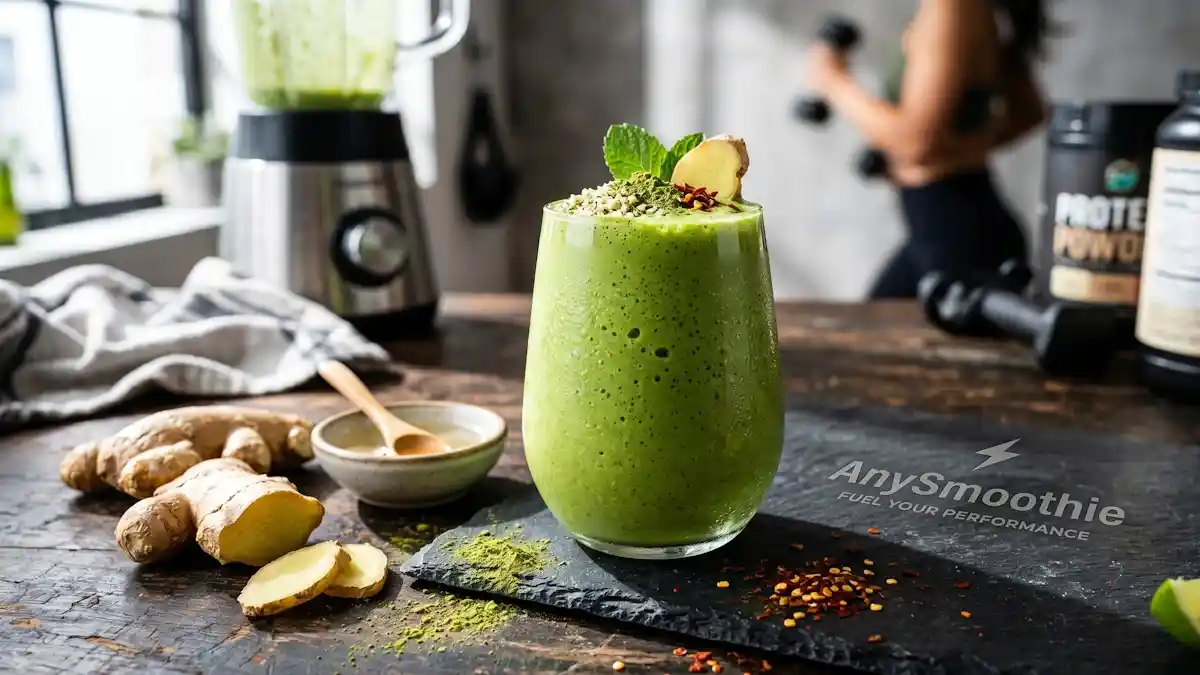
You’ve tried fad diets that promise quick results. They leave you hungry and frustrated. Then the weight comes back faster than before. Metabolic smoothies for weight loss offer a better way. These drinks taste great and back science supports them. They boost your metabolism. They improve insulin sensitivity. They balance satiety hormones like leptin and ghrelin. Plus, they spark thermogenesis for steady fat burn.
You stick with them because they take just minutes to make. Flavors satisfy your cravings. Customize them to your taste. This article covers the science of metabolic flexibility. It lists key thermogenic ingredients with a comparison table. You get three recipes you’ll crave daily. It also explains best timing for results.
Build metabolic flexibility. Enjoy effortless weight loss. Let’s get started.
Metabolic Flexibility: Why Your Smoothie Should Be a Fat-Burning Fuel
Your body needs metabolic flexibility to burn fat efficiently. This means it switches smoothly between carbs and fats for fuel. Without it, you crash after meals. Weight loss stalls. The right smoothie fixes this. It uses moderate protein, healthy fats, and fiber-rich low-glycemic carbs. These keep blood sugar stable. They boost insulin sensitivity. Satiety hormones kick in. Hunger fades.
Thermogenesis helps too. Your body produces heat to burn calories. Smoothies with boosters trigger this. Avoid pitfalls like sugar overload. That kills flexibility.
Here’s a quick comparison of three metabolic boosters. Each ramps up fat burn in unique ways.
| Booster | Primary Metabolic Action | Energy Duration | Satiety Level | Best Smoothie Pairing |
|---|---|---|---|---|
| MCT Oil | Ketone Production | Immediate (2-4 hrs) | High | Creamy bases like avocado |
| Matcha Green Tea | Fat Oxidation | Sustained (4+ hrs) | Medium | Protein shakes |
| Cayenne Pepper | Thermogenesis | Immediate | Medium | Chocolate or fruit blends |
MCT Oil provides immediate brain and metabolic fuel. Studies show it increases fat oxidation up to five times.
The Insulin Spike Trap: Balancing Macronutrients to Avoid the Crash
High-sugar smoothies spike insulin. Fat stores instead of burns. Ghrelin surges. You get hungry soon after. Balance fixes it. Aim for 20-30g protein. Add 10-20g fats like MCT. Include 10g+ fiber from greens or chia. Limit fruit. A good ratio is 40% protein, 40% fat, 20% carbs.
Blend greens first. They create creaminess without sugar. One study found balanced meals improve leptin sensitivity by 20%. You stay full longer. Energy stays even. Make this your habit.
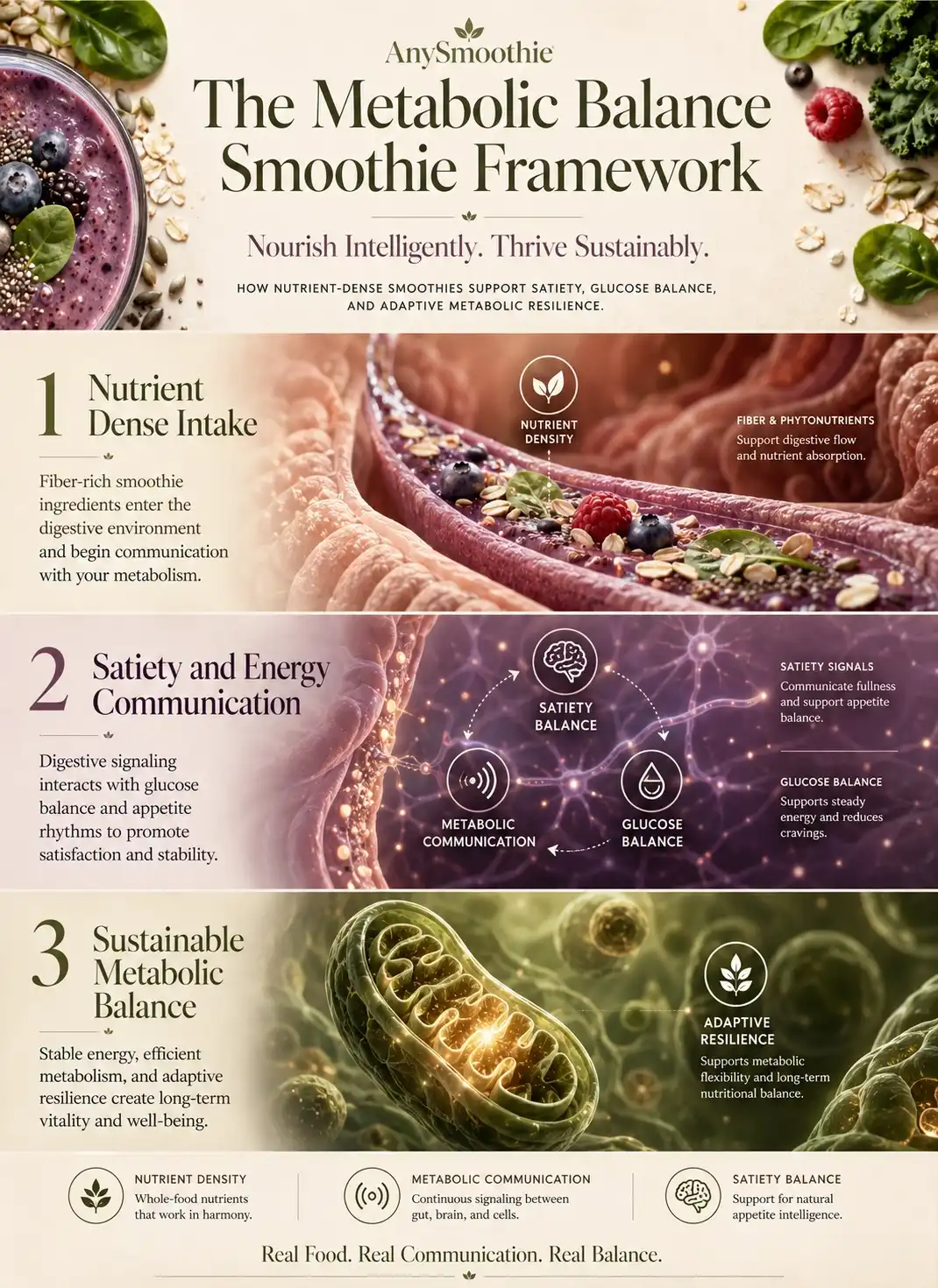
Thermogenic Boosters: Ingredients That Ignite Your Basal Metabolic Rate
Your basal metabolic rate (BMR) burns calories at rest. Thermogenic ingredients raise it. They speed lipid oxidation. They produce heat for extra burn. Add them to smoothies. Weight loss lasts.
MCT oil shines. It skips digestion. Turns to ketones fast. Green tea catechins like EGCG break down fat. Cayenne’s capsaicin activates brown fat. Start small: 1 tsp MCT, 1 tsp matcha. Green tea aids 4% more fat loss in trials. These make metabolic smoothies sustainable.
The Role of MCT Oil and Green Tea Catechins in Lipid Oxidation
MCT oil boosts BMR by 12%. It fuels your brain. No energy dips. Green tea catechins block fat absorption. They raise norepinephrine for thermogenesis. Pair them in smoothies with protein. Satiety soars.
Start low on MCT. Tummy upset fades with time. Studies show the combo burns more fat at rest. Add cayenne for brown fat kick. Research links capsaicin to higher metabolism. See foods that boost brown fat.
3 High-Satiety Metabolic Smoothie Recipes You Will Crave Daily
These recipes take five minutes. Each hits 300-400 calories. Protein, fiber, and fat keep you full. Boosters fire metabolism. Flavors hook you. Customize with April berries or zucchini. Swap milks for preference. They promote flexibility, thermogenesis, and hormone balance.
The ‘Green Lean’ Matcha and Fiber Powerhouse
Ingredients:
- 1 cup spinach
- 1 scoop vanilla protein powder (25g protein)
- 1 tsp matcha
- 1 tbsp chia seeds
- 1/2 avocado
- 1 cup almond milk
- Stevia to taste
Blend spinach and milk first. Add rest. Pulse smooth. Macros: 30g protein, 15g fat, 15g net carbs (350 cal).
Matcha sparks thermogenesis. Fiber curbs ghrelin. Avocado fats steady energy. Creamy and mildly sweet. Sip mid-morning. You’ll crave the zen vibe.
Estimated Nutrition per Serving
Estimated with unsweetened almond milk and a protein powder providing approximately 25g protein per scoop.
- Calories: ~360 kcal
- Protein: ~32 g
- Carbohydrates: ~25 g
- Fat: ~18 g
- Fiber: ~11 g
- Sugars: ~3 g
Matcha can taste noticeably stronger from one brand to another. If your first blend comes out too earthy, start with 1/2 teaspoon next time rather than covering the flavor with extra sweetener.
MCT Berry Ketone Igniter
Ingredients:
- 1/2 cup mixed berries (April fresh)
- 1 scoop whey isolate (25g protein)
- 1 tbsp MCT oil
- Handful kale
- 1 tbsp flaxseeds
- 1 cup coconut water
Blend kale and water base. Add others. Whirl until silky. Macros: 28g protein, 18g fat, 20g net carbs (380 cal).
MCT delivers instant ketones. Berries add low-GI antioxidants. Flax boosts satiety. Fresh tang refreshes. Perfect post-workout.
Estimated Nutrition per Serving
Estimated with unsweetened coconut water and a whey isolate providing approximately 25g protein per scoop.
- Calories: ~390 kcal
- Protein: ~30 g
- Carbohydrates: ~27 g
- Fat: ~20 g
- Fiber: ~6 g
- Sugars: ~14 g
Spicy Cocoa Thermogenic Dream
Ingredients:
- 1 tbsp cacao powder
- 1 scoop collagen protein (20g)
- 1/4 tsp cayenne
- 1 tbsp almond butter
- 1 small zucchini (April pick)
- 1 cup oat milk
Blend zucchini and milk smooth. Incorporate rest. Enjoy the kick. Macros: 25g protein, 16g fat, 18g net carbs (360 cal).
Cayenne activates brown fat. Cacao lifts mood and leptin. Almond butter sustains burn. Chocolatey with spice. Dessert without guilt.
Estimated Nutrition per Serving
Estimated with unsweetened oat milk and collagen powder providing approximately 20g protein per scoop.
- Calories: ~330 kcal
- Protein: ~27 g
- Carbohydrates: ~31 g
- Fat: ~12 g
- Fiber: ~6 g
- Sugars: ~9 g
Cayenne is one ingredient where a little really does change the whole glass. If you’re making this for the first time, use a small pinch and work upward—the chocolate flavor is much easier to enjoy when the heat stays in the background.
Strategic Timing: When to Sip for Optimal Metabolic Response
Timing syncs smoothies with your body clock. It maxes fat loss. Drink fasted in morning. Metabolism revs. Mid-afternoon fights slumps. Pre-bed light version aids sleep. Skip heavy carbs at night.
Benefits stack. Energy evens out. Hormones balance. For insulin insights, review this study on macronutrient balance.
Post-Exercise vs. Meal Replacement: Managing Glycogen and Fat Loss
Post-workout, sip within 30 minutes. Low-carb versions refill glycogen. They push fat adaptation. Meal replacement swaps big eats. It controls insulin all day.
Post-exercise boosts EPOC by 15%. Replacements cut calories 300+. Tie “Green Lean” to workouts. Use “Berry Igniter” as lunch swap.
| Timing | Best For | Glycogen Impact | Fat Loss Edge |
|---|---|---|---|
| Post-Exercise | Recovery | Replenish | High (EPOC) |
| Meal Replacement | Hunger control | Minimal | Steady (insulin) |
Choose based on your day.
Metabolic flexibility thrives with balanced macros and boosters like MCT or matcha. These three recipes deliver craveable taste. Smart timing seals results.
Small changes shift your metabolism in weeks. Try one recipe tomorrow. Track hunger and energy. Share your wins in comments. Sustainable weight loss feels good. You got this.
Conclusion: Empower Your Metabolism
Achieving sustainable weight loss isn’t about deprivation; it’s about metabolic empowerment. By integrating nutrient-dense smoothies rich in MCT oil, matcha, and high-quality protein, you are doing more than just cutting calories—you are training your body to become a flexible, fat-burning machine. These science-backed recipes stabilize insulin, silence hunger hormones, and ignite thermogenesis, making your wellness journey feel effortless rather than a struggle. Consistency is the ultimate biohack. Start with one metabolic smoothie a day, listen to your body’s rising energy levels, and watch as your health transforms from the inside out. You’ve got the tools; now let’s blend.
⚠️ Specific Safety Notes for Metabolic Health:
- MCT Digestive Tolerance: MCT oil can cause “disaster pants” (urgent diarrhea) or stomach cramps if introduced too quickly. Start with 1 teaspoon and increase to 1 tablespoon over two weeks to allow your digestive enzymes to adapt.
- Caffeine Sensitivity: Matcha contains concentrated caffeine and L-theanine. If you are sensitive to stimulants or have heart arrhythmias, avoid drinking the “Green Lean” smoothie in the afternoon to prevent insomnia.
- Cayenne and Gastritis: While great for metabolism, cayenne pepper can irritate the lining of the esophagus and stomach in people with ulcers or severe GERD (acid reflux). Skip the “Spicy Cocoa” if you have a sensitive stomach.
- Insulin and Medication: If you are taking insulin or medications for Type 2 diabetes, these smoothies will significantly improve your insulin sensitivity. Monitor your blood glucose closely to avoid hypoglycemia and consult your doctor for dosage adjustments.
- Pregnancy and Thermogenics: High doses of green tea extracts or intense thermogenic spices are generally not recommended during pregnancy. Stick to the whole-food versions without concentrated boosters.
FAQ
Can I use fruit in a metabolic smoothie for weight loss?
Yes, but focus on low-glycemic fruits like berries or green apples. High-sugar fruits like tropical mango or pineapple can spike insulin, which signals your body to store fat rather than burn it. Always pair fruit with healthy fats or protein to slow sugar absorption.
What makes a smoothie “metabolic” compared to a regular one?
A metabolic smoothie is specifically designed to enhance “metabolic flexibility”—the body’s ability to switch between burning carbs and fat. It emphasizes thermogenic ingredients (like ginger or green tea) and high fiber to keep insulin low and satiety high.
Is it better to use whey protein or plant-based protein for fat loss?
Both can work. Whey is excellent for muscle protein synthesis and has a high thermic effect, but some find it spikes insulin. Plant-based proteins (pea/hemp) are often less insulinogenic and provide extra fiber, which is crucial for long-term satiety.
How does MCT oil help with weight loss in a smoothie?
MCTs (Medium-Chain Triglycerides) are sent directly to the liver and converted into ketones for immediate energy. This provides a metabolic boost that can suppress appetite and increase the number of calories your body burns at rest.
Can I replace two meals a day with these smoothies?
While effective for short-term weight loss, replacing too many meals can lead to metabolic adaptation (slowing down). For sustainable results, replace one meal (ideally breakfast or lunch) and focus on nutrient-dense, whole-food meals for the rest of the day.

Medical Disclaimer: AnySmoothie content is for educational purposes only and is not a substitute for professional medical advice. Consult a healthcare provider for personalized guidance. See our full Disclaimer & Terms of Use. AI Transparency: AnySmoothie may use AI to support content development. All content undergoes human editorial review for accuracy, clarity, and editorial quality. See our full AI Transparency.