
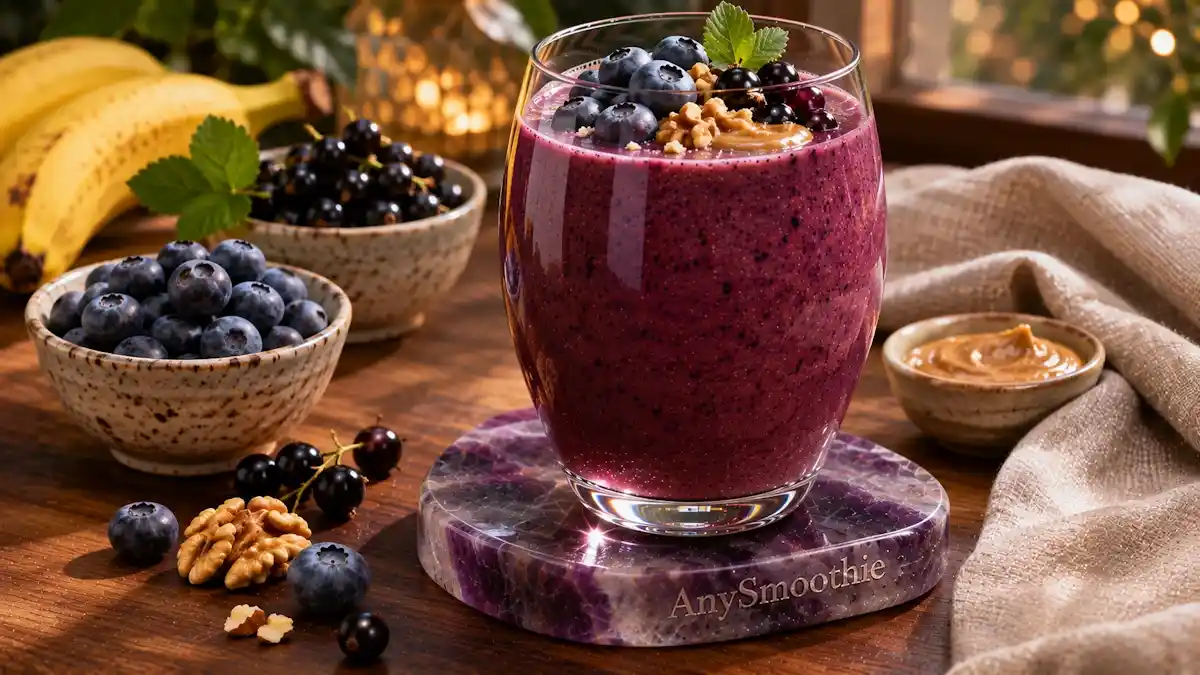
Smoothies for heart rate variability support can provide useful nutrients, but they can’t promise to raise HRV or replace medical care. Their value is balanced nutrition in a convenient form that fits your appetite and schedule. These three practical recipes offer different flavors and textures, with a few limits to keep in mind.
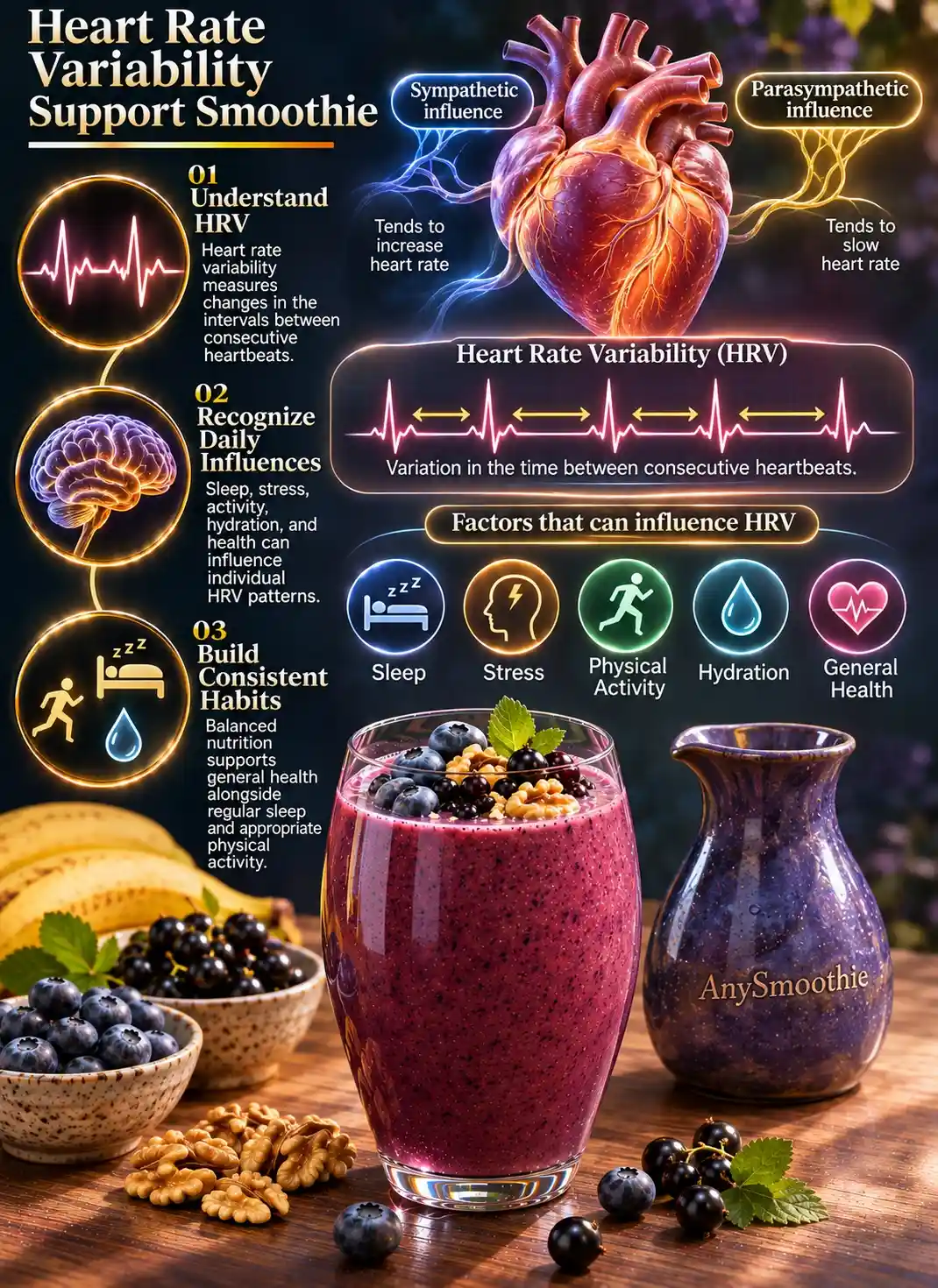
Food choices can help you meet nutritional needs that support your body’s normal stress response and recovery. For another food-focused discussion of nutrition during stressful periods, see stress relief: the nutrient-dense smoothie solution. Heart rate variability (HRV) is the variation in time between heartbeats.
What Smoothies Can and Can’t Do for HRV Support
Your heart doesn’t beat at perfectly equal intervals. HRV describes those small timing differences, usually measured in milliseconds, rather than the number of beats per minute. It reflects aspects of autonomic nervous system activity, which helps regulate automatic processes such as heartbeat.
Sleep, stress, illness, exercise, hydration, and measurement method can all shift readings. Because illness can also affect recovery patterns, a related food-focused topic is recovery smoothies for post-viral wellness routines. Cleveland Clinic’s explanation of HRV describes its connection to physical and mental health. However, a single high or low result doesn’t diagnose a condition.
Meanwhile, a balanced smoothie can supply fluids, carbohydrates for energy, protein for tissue maintenance, and fiber for digestive health. Fruit, vegetables, seeds, and dairy also contribute micronutrients that support normal physiological systems.
Those benefits don’t establish a direct effect on HRV. No particular ingredient or blend guarantees a higher reading, and a wearable score can’t tell you whether one breakfast “worked.” Choose a smoothie for its nutritional contribution and how well it fits your eating habits, rather than treating it as a way to control your measurements. For a separate discussion of cortisol and smoothie ingredients, see lemon balm and cortisol support smoothie.
3 Smoothies for Heart Rate Variability Support
Each recipe makes one serving. Nutrition figures are estimates because brands and serving sizes vary.
Berry, Banana, and Kefir Smoothie
Fruit, oats, and kefir make this a filling, easy-to-drink option.
Ingredients
1/2 cup blueberries
1/2 medium banana
1/2 cup plain kefir
1/4 cup rolled oats
1 teaspoon ground flaxseed
1/2 cup water or ice
Instructions
Blend all ingredients until smooth, adding water or ice to reach the texture you like.
Estimated Nutrition (per serving)
Calories: ~260 kcal
Protein: ~10 g
Carbohydrates: ~46 g
Fat: ~6 g
Fiber: ~8 g
Sugars: ~20 g
Spinach, Orange, and Avocado Smoothie
This blend combines produce, yogurt, and unsaturated fat from avocado.
Ingredients
1 cup fresh spinach
1 medium orange, peeled
1/2 medium avocado
1/2 cup plain Greek yogurt
1/2 cup water or ice
Instructions
Blend until creamy, adding more water as needed.
Estimated Nutrition (per serving)
Calories: ~260 kcal
Protein: ~13 g
Carbohydrates: ~30 g
Fat: ~12 g
Fiber: ~9 g
Sugars: ~18 g
Tart Cherry, Cocoa, and Chia Smoothie
The juice contributes naturally occurring sugars. Check its label for added sugars.
Ingredients
1/2 cup unsweetened tart cherry juice
1/2 medium banana
3/4 cup plain Greek yogurt
1 teaspoon unsweetened cocoa powder
1 teaspoon chia seeds
Ice as desired
Instructions
Blend until smooth and serve right away; add a splash of water if it’s too thick.
Estimated Nutrition (per serving)
Calories: ~240 kcal
Protein: ~16 g
Carbohydrates: ~42 g
Fat: ~4 g
Fiber: ~5 g
Sugars: ~30 g
Compare the Smoothies by Flavor, Texture, and Nutrition
These differences can help you choose a blend that suits your appetite and preferences.
| Smoothie | Nutritional focus | Flavor | Texture | Best fit |
|---|---|---|---|---|
| Berry, banana, and kefir | Fiber with carbohydrates | Fruity and tangy | Thick, lightly textured | A filling fruit option |
| Spinach, orange, and avocado | Most fiber; unsaturated fat | Citrus with mild greens | Creamy and rich | A less-sweet preference |
| Tart cherry, cocoa, and chia | Most protein; most sugars | Tart with cocoa notes | Smooth, slightly seedy | A protein-focused snack |
Flavor is a useful starting point because a nutritious recipe has little practical value if you don’t enjoy it. Texture matters, too: oats and seeds leave more body, while avocado gives a creamier result.
Then consider your nutrition needs. The estimated protein, fiber, and sugar amounts differ, even though the calorie estimates are similar. Total sugars include naturally occurring sugars, so that number alone doesn’t tell you whether a product contains added sugar.
None of these comparisons identifies a winner for HRV. They help you choose food you’ll enjoy and tolerate.
Make Smoothies Part of a Steady Daily Routine
Fit the portion to your appetite and the rest of your day. A smoothie may work as a snack or part of breakfast, but it doesn’t need to replace a meal. For another example of a balanced snack-style smoothie routine, see afternoon smoothies for a calm mind. If you’re still hungry afterward, pair it with other foods rather than treating the recipe as a fixed meal plan.
Balance fruit with protein and fiber. Plain, unsweetened dairy works well when you tolerate it. For a plant-based substitute, choose an unsweetened, fortified option and compare protein content, since products differ. Substitutions also change the nutrition estimates.
Keep sleep, regular movement, hydration, and stress care in your routine. If you track HRV, use the same device under similar measurement conditions and compare trends over time. Cedars-Sinai’s guide to HRV explains that wearables can help track trends but aren’t medical diagnostic tools.
Also review ingredients for milk or seed allergies and use suitable substitutes. If you have symptoms or a condition requiring dietary limits, ask your clinician for individualized guidance.
Conclusion: Choose the Smoothie That Fits Your Routine
These three smoothies offer practical ways to include varied foods and nutrients. They don’t guarantee a change in HRV, and their usefulness doesn’t depend on your next wearable reading.
Choose the flavor and texture you enjoy, then fit the portion to your needs. A smoothie is one supportive part of daily well-being, alongside the habits that help you feel and function well.
🛡️ Safety Notes & Dietary Interactions
- HRV Interpretation: These smoothies cannot reliably raise HRV or diagnose recovery status. Sleep, illness, stress, exercise, hydration, and measurement conditions can all influence readings independently of food choices.
- Added Sugar Awareness: The tart cherry smoothie contains approximately 30 grams of total sugars, including naturally occurring sugars. Check the juice label for added sugars, especially when choosing different products.
- Dairy and Seeds: Kefir and Greek yogurt provide dairy, while flaxseed and chia introduce seed-related considerations. Check labels and use suitable alternatives for milk or seed allergies or dietary restrictions.
- Portion and Hydration: A smoothie contributes fluids but does not replace a balanced eating pattern or individualized hydration needs. Adjust portions to appetite and consider other foods if the smoothie does not provide enough satiety.
FAQs
Can these smoothies increase heart rate variability?
No specific smoothie or ingredient is established as a reliable way to increase HRV. The recipes provide nutrients that support normal nutrition, but HRV is influenced by factors including sleep, stress, illness, exercise, hydration, and measurement conditions.
Which smoothie provides the most protein?
The Tart Cherry, Cocoa, and Chia Smoothie provides the highest estimated protein, at approximately 16 grams per serving. The Spinach, Orange, and Avocado Smoothie provides about 13 grams, while the Berry, Banana, and Kefir Smoothie provides approximately 10 grams.
Which smoothie has the most fiber?
The Spinach, Orange, and Avocado Smoothie provides the highest estimated fiber, at approximately 9 grams per serving. The Berry, Banana, and Kefir Smoothie provides about 8 grams, while the Tart Cherry, Cocoa, and Chia Smoothie provides approximately 5 grams.
Why does the tart cherry smoothie contain so much sugar?
Its estimated 30 grams of sugar come from the tart cherry juice and banana, which naturally contain sugars. The article specifically recommends checking the juice label for added sugars because different products can vary substantially.
Should I change my diet based on a low HRV reading?
Not based on a single reading alone. HRV can vary with sleep, stress, illness, exercise, hydration, and measurement conditions. If readings remain concerning or you have symptoms, discuss the pattern with a qualified healthcare professional rather than using a smoothie to address it.

Medical Disclaimer: AnySmoothie content is for educational purposes only and is not a substitute for professional medical advice. Consult a healthcare provider for personalized guidance. See our full Disclaimer & Terms of Use. AI Transparency: AnySmoothie may use AI to support content development. All content undergoes human editorial review for accuracy, clarity, and editorial quality. See our full AI Transparency.