
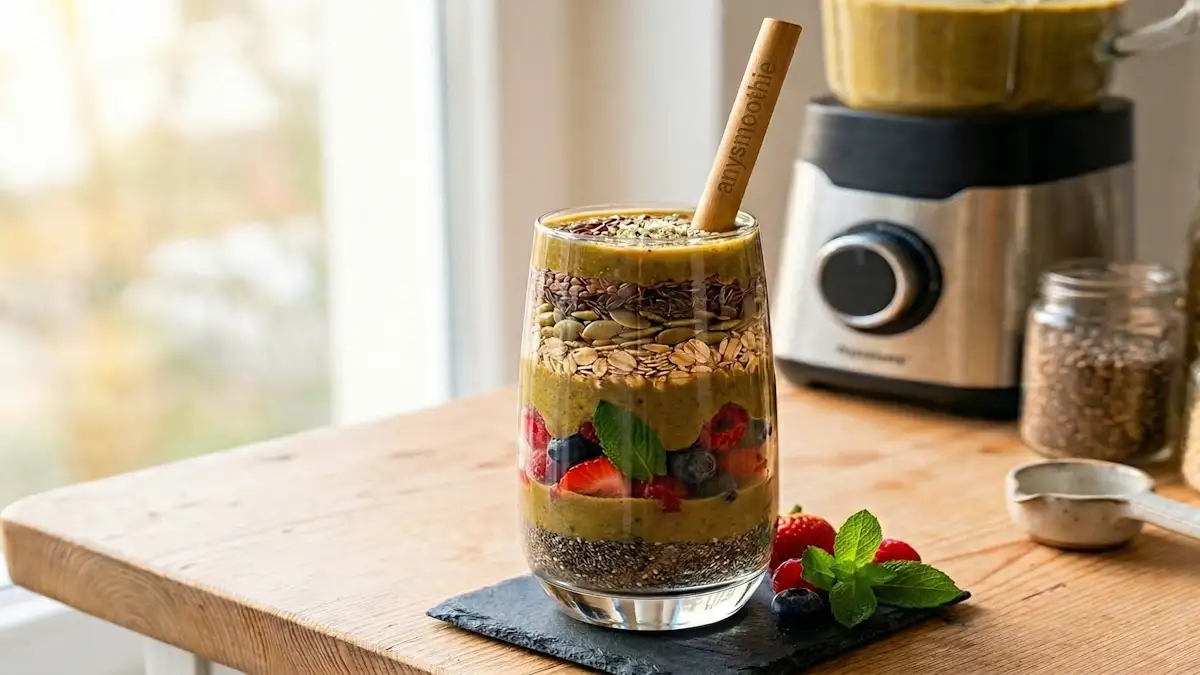
Want a smoothie that actually fills you up, but don’t want dairy weighing it down? The best dairy free high protein smoothies do more than taste good, they use seeds and grains to add protein, fiber, body, and staying power, so you’re not hungry again an hour later.
That matters on busy mornings and after workouts, when you need something fast that still feels like a real meal. Chia, oats, hemp, flax, and other easy plant-based staples can turn simple fruit blends into creamy, satisfying drinks without milk, yogurt, or hard-to-find powders.
Next, you’ll find practical ingredient tips and easy recipe ideas you can mix up with everyday plant-based ingredients.
How to build a dairy-free high protein smoothie that actually keeps you full
Weight Loss Programs
Diet & Weight Loss

Diet & Weight Loss
Diet & Weight Loss
The Mediterranean Diet – Diamond Evergreen Digital Diet Program
Diet & Weight Loss
A filling smoothie needs more than fruit and ice. If you want dairy free high protein smoothies that hold you over, build them like a meal, not a drink. That means choosing a liquid with the right body, adding seeds or grains for fiber and texture, and using a simple protein booster that blends smoothly.
Think of it like stacking blocks. The liquid sets the texture, the seeds and grains add staying power, and the protein booster turns it into something that can carry you through a busy morning or a post-workout crash.
Best dairy-free liquids for a creamy base
Your liquid does more than help the blender move. It changes the thickness, flavor, and protein level of the whole smoothie, so this is the first choice to get right.
Here’s a quick side-by-side view of the most useful options:
| Liquid | Texture | Flavor | Protein | Best for |
|---|---|---|---|---|
| Unsweetened soy milk | Creamy | Mild, slightly beany in some brands | High | Meal-style smoothies |
| Pea milk | Creamy and thick | Neutral to slightly rich | High | High-protein blends |
| Oat milk | Smooth and full | Mild, slightly sweet | Moderate to low | Creamy breakfast smoothies |
| Almond milk | Thin to light | Nutty, subtle | Low | Lighter smoothies |
| Coconut milk beverage | Light, silky | Mild coconut | Low | Tropical flavors |
| Water | Thin | Neutral | None | Lowest-calorie, lightest option |
If protein matters most, unsweetened soy milk and pea milk are your best starting points. They usually bring much more protein than almond, oat, or coconut beverage. A quick comparison from Plant-Based Milks Ranked By Protein shows why these two stand out when you want a smoothie that feels more like a meal.
Soy milk is often the easiest all-around pick. It blends into berries, cocoa, peanut butter, banana, and coffee flavors without much fuss. It also gives smoothies a creamy body without making them heavy.
Pea milk has a similar protein edge, but it can feel a bit thicker and richer. That works well in smoothies with oats, dates, or frozen banana. If you like a cold, shake-like texture, pea milk is a strong option.
Oat milk sits in the middle. It usually has less protein, but it adds a smooth, almost soft texture that makes smoothies feel comforting. For that reason, it’s great when you’re already adding protein from seeds, tofu, or powder and just want a creamier sip.
Almond milk and coconut milk beverage are better when you want something lighter. They won’t add much protein, but they keep flavors clean and let heavier add-ins do the work. Almond milk is especially useful in smoothies with nut butter, cinnamon, or cocoa because it stays in the background.
Water works too, and it deserves more credit. If your smoothie already includes frozen fruit, oats, chia, tofu, or protein powder, water can keep the blend from becoming too dense. It’s the best choice when you want smoothies without milk high protein, but you still want the texture to feel balanced.
If your smoothie feels thin, fix it with oats, chia, or tofu before adding more frozen fruit. That usually gives better texture.
A simple rule helps here:
- Use soy milk or pea milk when protein is the goal.
- Use oat milk when creaminess matters most.
- Use almond milk, coconut beverage, or water when you want a lighter blend.
The seeds and grains that add protein, fiber, and texture
Seeds and grains are what make a smoothie stick with you. They add fiber, healthy fat, and body, which slows things down and helps you stay full longer. In other words, they turn a quick drink into breakfast.
Chia seeds are small, but they do a lot. They soak up liquid fast, which thickens the smoothie and gives it more staying power. They also bring fiber and plant omega-3s, so a little goes a long way. Start with 1 tablespoon if you want a drinkable texture, because too much can turn the blend into pudding.
Hemp seeds are one of the easiest add-ins for protein and creaminess. Unlike chia or flax, they don’t gel much, so they keep the texture smoother. They also have a mild, nutty taste that works in almost any flavor combo, from berry to chocolate to green smoothies. This is one of the easiest ways to make a chia seed protein smoothie dairy free without making it too thick, just pair chia with a spoonful of hemp.
Ground flax adds fiber and omega-3s, plus a soft thickness that feels more subtle than chia. The key word is ground. Whole flax often passes through without blending well, while ground flax disappears into the smoothie and creates a better texture.
Then come the grains. Rolled oats are one of the best tools for fuller, more satisfying dairy free smoothies with seeds and grains. They make the smoothie creamy, mellow out sharp fruit flavors, and add carbs and fiber that help you feel fed, not just refreshed. That’s why an oat smoothie high protein vegan recipe often feels more like breakfast than a snack.
Quinoa can work too, especially if it’s cooked and chilled first. Cooked quinoa adds some protein, extra body, and a soft texture without much flavor. It won’t make a smoothie creamy on its own, but it boosts fullness in a quiet, useful way.
Cooked grains in general can help, as long as they’re soft and plain. A few spoonfuls of cooked oats, quinoa, or even cooked millet can make a smoothie thicker and more satisfying without dairy. This is especially helpful if you don’t want to rely on protein powder.
A practical way to think about these add-ins:
- Chia thickens fast and boosts fiber.
- Hemp adds protein and a smoother texture.
- Ground flax brings fiber and healthy fat with mild thickness.
- Rolled oats make smoothies heartier and creamier.
- Cooked quinoa adds body and helps with fullness.
For texture, balance matters. One tablespoon each of chia and flax can be too much in a small smoothie. But one tablespoon of chia plus a few tablespoons of oats often lands in a better place. If you want more inspiration for how these ingredients work together, this chia and hemp seed oatmeal recipe shows why the combo is so satisfying.
Easy plant-based protein boosters that blend well
Once your liquid and seeds are in place, a protein booster finishes the job. The best ones blend in quietly. You want more protein, not a gritty shake that feels like drywall in a glass.
Soy yogurt is one of the easiest choices. It adds creaminess, a little tang, and extra protein, especially in berry, peach, or mango smoothies. Plain, unsweetened versions work best because they let you control sweetness.
Silken tofu is another smart option, and it’s one of the smoothest. It blends into fruit-based smoothies almost invisibly, adding protein and a rich texture without a strong flavor. If you’ve never tried it, start small. A few chunks are often enough to make the smoothie feel thicker and more meal-like. This kind of texture is easy to picture in a silken tofu berry smoothie.
Nut and seed butters also help, especially peanut, almond, cashew, or sunflower seed butter. They add some protein, but their biggest win is staying power. Fat plus protein plus fiber makes a smoothie feel steady and satisfying. The catch is portion size. Too much can make the blend heavy and mute the fruit. One tablespoon is usually enough.
If you want a whole-food protein boost, try edamame. Shelled, cooked, and cooled edamame blends better than many people expect. It pairs best with mango, pineapple, banana, and vanilla because those flavors soften its green taste. It also gives the smoothie a thick, creamy feel without dairy.
Plain plant protein powder is useful, but keep it optional. A good powder can make high protein vegan smoothies without dairy easier to hit, especially after exercise. Still, too much creates a chalky texture fast.
To avoid that dry, powdery finish, keep these habits in mind:
- Use a small amount first, then adjust.
- Pair powder with creamy ingredients like soy milk, tofu, or oats.
- Blend long enough to fully smooth it out.
- Don’t stack too many thickeners in one glass.
For example, if you use oats, chia, peanut butter, and protein powder all at once, the smoothie can turn spoon-thick fast. Instead, pick one main thickener and one main protein booster. That keeps the drink smooth and easier to enjoy.
The best plant based protein smoothies recipes usually stay simple. Too many boosters can make the texture worse, not better.
A good formula to remember is this: one protein-rich liquid, one seed or grain, and one extra booster. That structure keeps your smoothie balanced, creamy, and filling without dairy.
The best seeds and grains to use in smoothies, and when to use each one
The right add-ins can make dairy free high protein smoothies feel creamy, filling, and balanced instead of thin or overly thick. Still, not every seed or grain works the same way. Some boost protein, some soak up liquid fast, and some are better for body than flavor.
A simple way to think about it is this: seeds do the fine-tuning, while grains do the heavy lifting. Use seeds when you want more nutrition in a small amount. Use grains when you want a smoothie that drinks more like breakfast.
Chia, hemp, and flax for quick protein and healthy fats
These three seeds often get grouped together, but they behave very differently in a blender. If you want a quick rule, start here: hemp for protein, chia for thickness, flax for fiber and healthy fats.
Hemp seeds are usually the easiest to use. They blend smoothly, taste mild, and add a soft, nutty richness without turning the smoothie gummy. If your goal is more protein without much texture change, hemp is the best first pick. In most smoothies, 1 to 2 tablespoons is enough.
Chia seeds absorb liquid fast, which is great when your smoothie feels too thin. They help create that cold, spoonable texture many people want in a breakfast blend. The catch is that a little goes a long way. In a small or medium smoothie, 1 tablespoon is usually plenty. Push it to 2 tablespoons only if you also increase the liquid.
Flax seeds work best when they’re ground, not whole. Whole flax often stays gritty and doesn’t break down well in a standard blender. Ground flax blends in much better and adds a gentle thickness that feels softer than chia. Use 1 to 2 tablespoons, especially in berry, banana, or peanut butter smoothies.
Here’s the quick comparison:
| Seed | Best reason to use it | Texture effect | Simple amount |
|---|---|---|---|
| Hemp seeds | More protein | Smooth and creamy | 1 to 2 tablespoons |
| Chia seeds | Thicken fast | Gel-like, heavier | 1 tablespoon, sometimes 2 |
| Ground flax | Fiber and healthy fats | Mild thickness, slightly earthy | 1 to 2 tablespoons |
If you want a fast shortcut, think of them like kitchen tools. Hemp is the quiet helper, chia is the thickener, and flax is the subtle builder. For a broader side-by-side look, this seed comparison guide gives a useful overview.
If your smoothie turns pudding-thick, chia is usually the reason. Cut back first before changing everything else.
For most high protein vegan smoothies without dairy, hemp is the easiest daily choice. Then add chia or ground flax only when you want a thicker or more filling result.
Oats and quinoa for thicker, more satisfying smoothies
When you want your smoothie to feel more like a meal, grains help more than most people expect. They add body, mellow out sharp flavors, and make the drink more satisfying.
Rolled oats are the most practical option for everyday smoothies. They blend into a creamy texture that makes fruit taste softer and fuller. This is why an oat smoothie high protein vegan recipe often feels so comforting. Oats don’t add huge protein on their own, but they pair well with higher-protein ingredients like soy milk, silken tofu, or protein powder.
A good starting point is 1/4 to 1/2 cup rolled oats. If your blender isn’t very strong, you can blend the oats with the liquid first. That small step makes the final texture smoother.
For example, if you mix rolled oats with frozen banana, cinnamon, and soy milk, the smoothie starts to taste almost like drinkable oatmeal. Add a scoop of plain plant protein powder, and it becomes one of the easiest smoothies without milk high protein readers can make at home.
Quinoa is a little different. It works best when it’s cooked and cooled first. Once blended, it adds body and some extra protein, but it doesn’t have a strong taste. That’s the win. You get more substance without making the smoothie taste like a grain bowl.
Start with 2 to 4 tablespoons cooked quinoa in fruit-forward smoothies. Banana, berries, cocoa, and dates all cover it well. If you use too much, the drink can get dense, so keep the portion modest. This cooked quinoa smoothie example shows how well it can fit into a protein-focused blend.
In plain terms, oats are better when you want creaminess, while quinoa is better when you want extra body without much flavor. Both work well in plant based protein smoothies recipes, but oats are usually the easier place to start.
How to combine seeds and grains without making the smoothie heavy
The easiest mistake is adding too many “healthy” ingredients at once. A smoothie can go from creamy to muddy fast if you pile in chia, flax, oats, nut butter, and protein powder all together. More isn’t always better.
A good rule is to choose one seed plus one grain. That gives you better balance and a cleaner texture. For example, hemp plus oats works well because hemp stays smooth while oats add creaminess. Chia plus cooked quinoa can also work, but you need more liquid because both add body.
Keep these pairings simple:
- Hemp seeds and rolled oats for a creamy, higher-protein breakfast smoothie
- Ground flax and oats for a hearty berry or banana blend
- Chia and cooked quinoa for a thicker post-workout smoothie, with extra liquid
- Hemp and cooked quinoa for a smooth texture with more staying power
Liquid matters just as much as the add-ins. If you’re using seeds and grains together, start with at least 1 to 1 1/4 cups of liquid, then adjust after blending. Soy milk works especially well here because it adds protein and keeps the texture creamy.
Frozen fruit helps too. It gives structure without the pasty feel that too many dry add-ins can create. Banana, mango, berries, and peaches all help smooth out the texture. In other words, let the fruit do some of the thickening so the seeds and grains don’t have to do all the work.
To avoid common texture problems, keep this in mind:
- Use ground flax, not whole flax.
- Go easy on chia unless you want a very thick smoothie.
- Blend oats with liquid first if your blender struggles.
- Use cooked, cooled quinoa instead of dry quinoa.
- Add more liquid before adding more fruit if the smoothie feels too dense.
If your smoothie feels gummy, there’s probably too much chia. If it feels gritty, flax may not be ground well enough, or the oats need more blending. If it feels heavy, reduce the total add-ins before changing the flavor ingredients.
That balance is what makes dairy free smoothies with seeds and grains work so well. You want enough texture to make the smoothie satisfying, but not so much that it drinks like wet cement.
6 dairy-free high protein smoothies with seeds and grains to try
If you want dairy free high protein smoothies that feel like real food, these combinations are a smart place to start. Each one uses seeds or grains to add body, fiber, and staying power, so your smoothie does more than just taste good for five minutes.
Keep the method simple. Blend the liquid and dry add-ins first if needed, then add frozen fruit and the rest. That small step gives you a smoother drink, especially with oats, chia, or quinoa in the mix.
Creamy banana oat smoothie with hemp seeds
This is one of the easiest breakfast smoothies to build on repeat. Use soy milk or pea milk as the base, then blend in banana, rolled oats, hemp seeds, and a pinch of cinnamon. If you want a richer finish, add a spoonful of peanut butter.
The texture is the big win here. Banana and oats make it thick and creamy, while hemp seeds add protein without turning the smoothie gummy. In other words, you get a dairy-free smoothie that feels smooth and filling, even without yogurt.
For a colder, thicker blend, use frozen banana. If you want extra sweetness, a date works well without changing the flavor much. This kind of combo is also easy to tweak, and recipes like this banana oat smoothie idea show how well oats carry a creamy breakfast blend.
Berry chia protein smoothie with soy milk
For something bright and easy, go with mixed berries, chia seeds, and soy milk. A scoop of vanilla plant protein powder fits nicely here, but it isn’t required if you want to keep things simple.
Chia does two jobs at once. First, it thickens the smoothie as it sits. Second, it helps the drink feel more satisfying. Meanwhile, berries bring fiber, color, and a tart-sweet flavor that keeps everything fresh instead of heavy.
This is a great pick when you want high protein vegan smoothies without dairy that don’t feel dense. Frozen berries work best because they chill the drink and build body fast. If the smoothie thickens too much after a few minutes, just add a splash more soy milk and blend again.
Chocolate peanut butter smoothie with oats and flax
When you want something richer, this one tastes like a treat but still works as a solid everyday option. Blend cocoa powder, peanut butter, rolled oats, ground flax, banana, and a high-protein dairy-free base like soy milk or pea milk.
Oats make the texture fuller, while ground flax adds fiber and a soft thickness. Banana smooths out the cocoa, and peanut butter gives the whole drink that milkshake feel without pushing it into dessert territory.
This is one of the better smoothies without milk high protein if you need a post-workout option or a filling afternoon snack. Keep the cocoa unsweetened, then let the banana handle most of the sweetness. If you want a stronger chocolate flavor, add a few dairy-free chocolate chips or another small spoon of cocoa.
Green quinoa smoothie with mango and spinach
Cooked quinoa in a smoothie sounds odd at first, but it works better than most people expect. Once it’s cooked, cooled, and blended well, quinoa adds body more than flavor. That’s why mango and spinach are such a smart match.
Use soy milk, frozen mango, a handful of spinach, cooked quinoa, and either hemp seeds or chia. Mango keeps the flavor sweet and fresh, while spinach blends in quietly. Hemp gives a smoother result, and chia makes it thicker.
This is a practical way to use grains in dairy free smoothies with seeds and grains without making the drink taste too earthy. Start with a small amount of quinoa, then build up if you like the texture. If you want a model for the flavor pairing, this mango spinach quinoa smoothie shows why the combo works so well.
Cooked quinoa adds substance, not a strong grain taste, as long as you keep the portion modest.
Apple cinnamon smoothie with oats and chia
This one tastes like a lighter fall breakfast in a glass. Blend apple, rolled oats, chia seeds, cinnamon, and soy milk or pea milk until smooth. If you like a colder texture, use chopped frozen apple or add a few ice cubes.
The flavor is cozy, but the build is practical. Oats make it creamy, chia helps it stay thick, and the apple keeps it fresh. It’s a nice switch when berry and banana smoothies start to feel repetitive.
This recipe is also easy to prep ahead. You can portion the oats, chia, and cinnamon the night before, then just add the apple and milk in the morning. If the smoothie sits for a bit, expect it to thicken, because chia keeps working after blending.
Mocha smoothie with hemp seeds and silken tofu
Not every smoothie needs to taste like fruit salad. If you want something more balanced and a little less sweet, blend chilled coffee, cocoa powder, hemp seeds, silken tofu, and banana or a couple of dates for sweetness.
Silken tofu gives this smoothie a soft, creamy body with extra protein, and hemp seeds add even more without rough texture. The coffee and cocoa do most of the flavor work, so the result feels closer to a cold mocha shake than a fruit smoothie.
This is one of the smartest plant based protein smoothies recipes for busy mornings when you want breakfast and coffee in the same glass. Start with half a banana if you want the mocha flavor to lead. Use dates if you’d rather keep the fruit flavor more in the background.
Simple tips to make your smoothies taste better, blend smoother, and fit your goals
Even the best ingredients can turn into a bad smoothie if the texture is off or the balance feels heavy. A few small tweaks make a big difference. With dairy free high protein smoothies, the goal is simple: keep the flavor clean, the texture creamy, and the protein level matched to what you need that day.
How to get a smooth texture every time
Start with the right blender order. Put liquid in first, then soft items, then dry add-ins like oats or flax, and finish with frozen fruit. That gives the blades room to move and helps avoid dry pockets at the bottom.
If you’re using chia, think about the texture you want. A small amount can go straight in, but soaking chia first can help if your blender is weak or you hate tiny specks. For a thicker, more pudding-like base, a recipe like blended overnight oats shows how soaking and blending can smooth everything out.
Flax works best when it’s ground, not whole. Whole flax often leaves a gritty finish, while ground flax blends in much better. Oats also need a little help. If your blender struggles, blend the oats with the liquid first for 20 to 30 seconds, then add the rest.
Frozen fruit changes everything. It makes smoothies colder and thicker fast, which is great until the blender stalls. If your mix looks too dense, add extra liquid in small amounts, a splash at a time. That’s usually better than dumping in a lot at once and ending up with a thin drink.
A quick texture fix guide helps:
- If it feels gummy, cut back on chia.
- If it feels gritty, use ground flax and blend longer.
- If it feels too thick, add liquid before more fruit.
- If it feels too thin, use more frozen fruit or a spoonful of oats.
For smoother dairy free smoothies with seeds and grains, fix texture in layers. Don’t try to solve everything with more ice or more fruit.
Easy ways to raise protein without adding dairy
You don’t need dairy to make a smoothie filling. In many cases, one strong protein add-in is enough, especially if your base already helps. Unsweetened soy milk is one of the easiest choices because it adds protein without changing the texture much.
For a simple everyday smoothie, pick one of these and stop there:
- Soy milk
- Hemp seeds
- Silken tofu
- Plain soy yogurt
- Shelled edamame
- Plain plant protein powder
Each one works a little differently. Hemp seeds are easy when you want a mild taste and smooth texture. Silken tofu is great when you want creaminess. Soy yogurt adds body and a slight tang that works well with berries. Edamame fits best in mango, pineapple, or vanilla blends because those flavors soften its savory edge. If you want the easiest path to more grams of protein, plain protein powder is the most direct option.
Sometimes one add-in isn’t enough. If you’re making a meal smoothie, skipping nut butter, or using a lower-protein liquid like almond milk, combine two moderate boosters instead of piling on three or four. Good pairs include soy milk plus hemp seeds, tofu plus soy yogurt, or soy milk plus a half scoop of plain protein powder.
This is the sweet spot for most high protein vegan smoothies without dairy:
- Use one add-in for a snack, lighter breakfast, or smaller smoothie.
- Use two add-ins for a meal smoothie or post-workout blend.
- Skip the third booster unless you know your blender and texture can handle it.
That balance matters because too many extras can make a smoothie thick, chalky, or oddly savory. A simple guide to protein-rich smoothie add-ins can also help you compare options before you stock up.
Meal prep, storage, and smart ingredient swaps
A little prep saves a lot of time. The easiest method is to make freezer packs with fruit, spinach, cooked grains, and seeds already portioned. Then, in the morning, you just add liquid and your protein booster. If you want ideas for how to set them up, these DIY frozen smoothie packs show the basic system well.
Dry ingredients are even easier to prep. Fill small jars or containers with oats, hemp, ground flax, cinnamon, or protein powder. That way, you don’t measure five things before coffee. Just dump the jar into the blender with your liquid and frozen ingredients.
Some parts store well overnight, and some don’t. These are the safest bets for next-day smoothies:
- Good to prep ahead: freezer fruit packs, pre-measured dry jars, cooked quinoa, soaked chia, and blended oats
- Better added fresh: liquid, fresh banana, ice, and avocado
If you fully blend your smoothie the night before, expect it to thicken by morning, especially if it has chia or oats. A quick re-blend with a splash of soy milk or water usually fixes it.
Smart swaps keep the smoothie workable when you have allergies or pantry gaps. If you avoid nuts, use sunflower seed butter or more hemp seeds. If soy is off the table, try pea milk and a plain pea-protein powder. For gluten-free smoothies, choose certified gluten-free oats. And if you want smoothies without milk high protein, water can work when tofu, seeds, or powder are doing the heavy lifting.
The best prep routine is the one you’ll repeat. Keep two or three combinations on hand, and your plant based protein smoothies recipes will stay easy, fast, and much more consistent.
Conclusion
The best dairy free high protein smoothies don’t need a long ingredient list or fancy extras. When you build them with the right seeds and grains, they stay simple, filling, and easy to adjust for your day.
Start with one basic formula, a protein-rich liquid, one seed or grain, and one extra booster. Then rotate the flavor combos above until you find a few go-to blends that fit your mornings, workouts, or busy afternoons.
Pick one recipe, make it this week, and keep notes on the texture and flavor so your next smoothie is even better. A smart smoothie doesn’t have to be complicated, it just has to be balanced.
FAQ
Are dairy-free smoothies high in protein?
Yes, dairy-free smoothies can be high in protein when made with ingredients like chia seeds, hemp seeds, oats, nut butters, and plant-based protein powders. The key is combining multiple protein-rich plant sources.
What can I use instead of milk in protein smoothies?
You can use plant-based alternatives like almond milk, oat milk, soy milk, or even water combined with seeds and nut butters. Soy milk is one of the highest-protein dairy-free options.
Which seeds are best for protein smoothies?
Chia seeds, hemp seeds, and flaxseeds are excellent choices. Hemp seeds are especially high in protein, while chia seeds add fiber and help create a thicker texture.

The AnySmoothie team is all about smarter smoothie recipes made with whole-food ingredients. Everything we share centers on balanced nutrition, steady energy, and low-glycemic choices, so you can sip a smoothie that keeps you full, feels good, and helps you avoid sugar crashes.
- Disclaimer: This content is for educational use only. These smoothie recipes and nutrition details aren’t a substitute for medical advice from a licensed health professional. Please read our full Medical Disclaimer here.
Dietary Supplements
Dietary Supplements
Liv Pure – Daily Support for Detoxification and Metabolic Health

Dietary Supplements
Dietary Supplements
NeuroQuiet – Daily Support for Brain Health, Hearing, and Tinnitus Relief
Dietary Supplements