
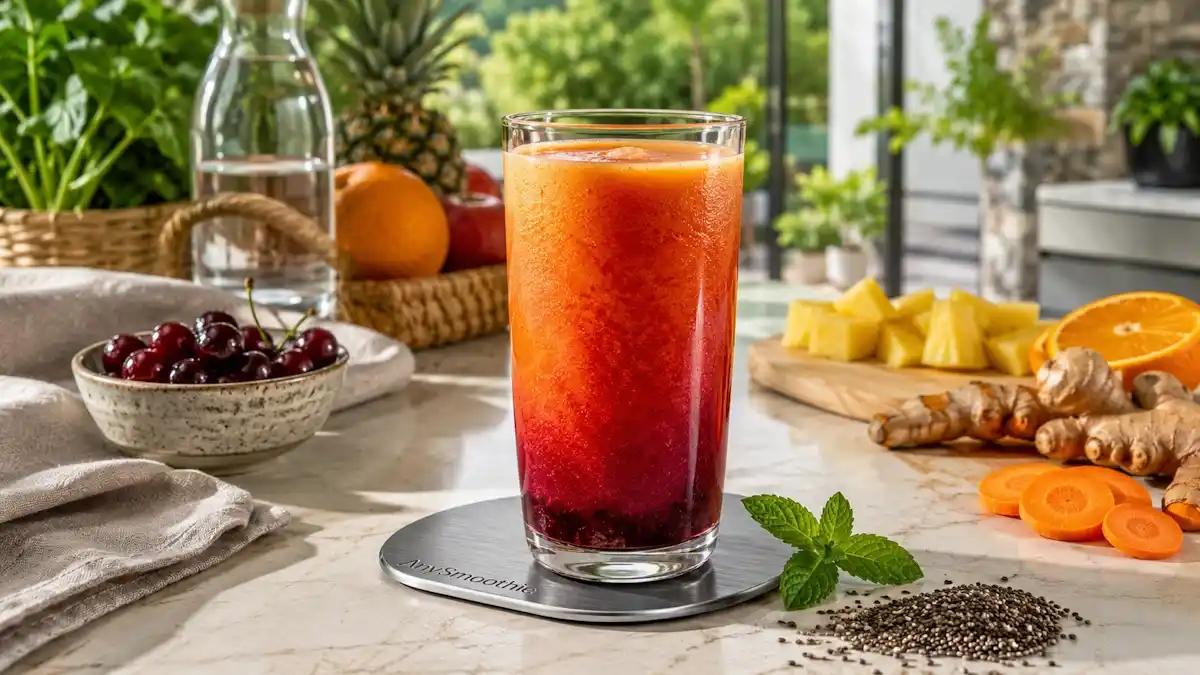
Joint-friendly eating gets easier when the drink in your hand does more than taste good. MSM, short for methylsulfonylmethane, is a sulfur-containing compound that many people add to support connective tissue, recovery, and normal joint function.
Smoothies make it easy to fold into a daily habit. If you already use a simple 3 ingredient smoothie base, MSM can slip in without much effort. The right fruit, protein, and fat can also smooth out the flavor, which matters more than most people expect.
What MSM does in a joint-friendly smoothie routine
MSM is used most often as a powder because it blends into food and drinks. A review in PubMed Central summarizes its safety profile and the ways researchers have studied it as a dietary supplement. For everyday use, that matters because a smoothie is one of the easiest places to put it.
People reach for MSM smoothies for joint support when they want a food-first routine they can repeat. Active adults often want an easy post-workout drink. Older adults may want a softer habit that fits breakfast. Anyone who dislikes capsules may prefer a drink that feels more natural.
Why people choose MSM powder instead of capsules
Powder gives you more flexibility. You can mix it into a smoothie, adjust the amount more easily, and cover the taste with fruit or yogurt. Capsules are tidy, but they do not blend with the rest of your ingredients.
That matters if you want one routine that fits into breakfast, a snack, or recovery time. Powder also lets you pair MSM with foods that support the rest of the blend, which makes the habit feel more complete.
How MSM supports the ingredients already in your blend
MSM works best as part of a whole smoothie, not as a solo act. Protein helps the drink feel more filling, while vitamin C-rich fruit supports collagen formation. Chia, flax, greens, and nut butter add fiber and fats that slow the drink down.
A thick base such as Greek yogurt for smoothie protein can make the blend feel richer and more balanced. The goal is a smoothie that supports normal tissue maintenance without tasting medicinal.
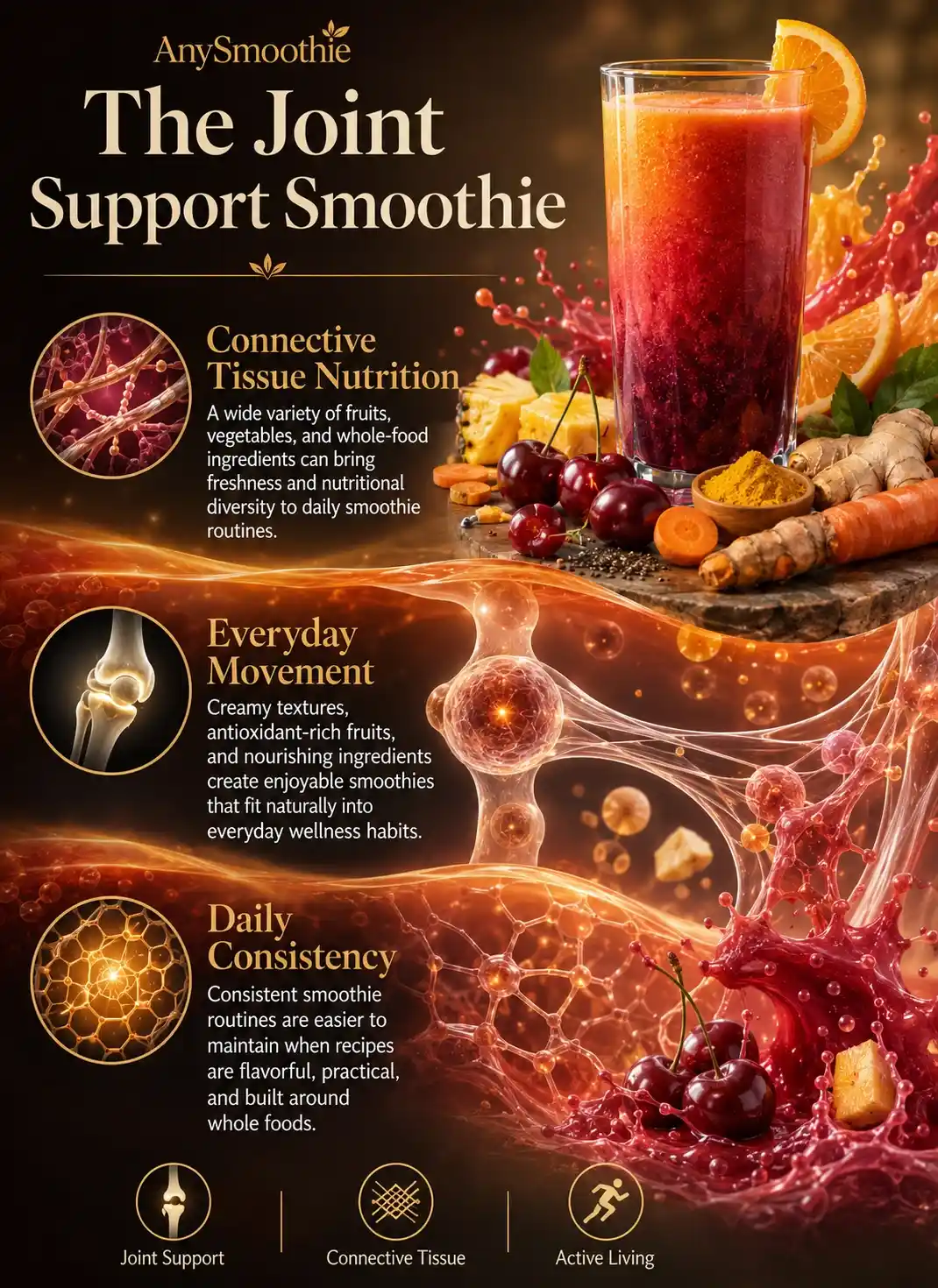
How to build MSM smoothies for joint support without ruining the taste
A good MSM smoothie tastes like food first. Start with one bright fruit, one creamy base, and one texture helper. That keeps the flavor clean while still giving you protein, fiber, and steady energy.
If you want a berry-heavy base, simple berries smoothie ingredients are easy to adapt. The table below shows three easy ways to build a blend that works with MSM.
| Blend style | Taste | Texture | Best use | Supportive angle |
|---|---|---|---|---|
| Berry citrus | Bright, tart | Medium-thick | Morning or after activity | Vitamin C and plant compounds support a nutrient-rich base |
| Tropical green | Sweet, fresh | Light and smooth | When you want greens without bitterness | Pineapple, mango, and spinach keep the flavor easy |
| Creamy vanilla spice | Mild, cozy | Thick and filling | Breakfast or evening | Yogurt, nut butter, and protein make daily use simple |
Consistency beats complexity. The best smoothie is the one you’ll make again tomorrow.
Best ingredients to pair with MSM
Berries, pineapple, and citrus bring sharp flavor and color. Leafy greens add volume without much sugar. Ginger and turmeric add warmth that works well with fruit. Yogurt or kefir gives body and a tangy note.
Chia and flax thicken the drink and add fiber. Nut butter and protein powder make the smoothie more filling. Vitamin C-rich fruit also pairs well with collagen support, since collagen formation depends on vitamin C.
Ingredients that can hide the taste of MSM
Banana smooths the texture and softens the sulfur note. Mango adds sweetness. Cocoa and vanilla make the drink taste more like dessert. Cinnamon brings a warm edge, while frozen fruit helps blunt any chalky finish.
These are simple fixes, but they matter. If the flavor is easy, you’ll use the powder more often.
Simple dosing and timing basics
Follow the serving size on the label, and start with a smaller amount if you want to test the taste. Use the smoothie consistently instead of randomly. Some people like it at breakfast, others after training, and some in the afternoon when they want a steady snack.
The best timing is the one you can repeat.
3 MSM smoothies for joint support
Berry Citrus Recovery Smoothie
Ingredients
- 1 cup mixed berries
- Juice of 1/2 orange or a squeeze of lemon
- 3/4 cup plain yogurt or kefir
- 1 serving MSM, according to the product label
- 1 tablespoon chia seeds or ground flaxseed
Blend until smooth and creamy.
The berries and citrus bring bright flavor and vitamin C, which supports collagen formation. Yogurt adds protein and a creamy finish.
This one tastes cool, tart, and clean. It works well in the morning or after activity, when you want something light but filling. If you want a stronger berry base, simple berries smoothie ingredients fit this style well.
Estimated Nutrition per Serving
Estimated with mixed berries, half a medium orange, plain low-fat kefir, and chia seeds. MSM contribution varies by product and is not included.
- Calories: ~310 kcal
- Protein: ~13 g
- Carbohydrates: ~45 g
- Fat: ~9 g
- Fiber: ~13 g
- Sugars: ~27 g
Tropical Green Joint Support Smoothie
Ingredients
- 1 cup pineapple
- 1/2 cup mango
- 1 handful spinach
- 1 serving MSM, according to the product label
- 1 small piece fresh ginger
- 1 scoop protein powder
- Water or unsweetened milk, as needed
Blend until completely smooth.
Pineapple and mango keep the flavor bright, while spinach fades into the background. Ginger adds a sharp note that keeps the blend from tasting flat.
The texture stays light and smooth. This is a good choice if you want greens without a strong vegetable taste. It feels fresh, not heavy.
Estimated Nutrition per Serving
Estimated with pineapple, mango, spinach, one typical scoop protein powder, fresh ginger, and approximately 1/2 cup water. MSM contribution varies by product and is not included.
- Calories: ~310 kcal
- Protein: ~27 g
- Carbohydrates: ~49 g
- Fat: ~3 g
- Fiber: ~6 g
- Sugars: ~36 g
Pineapple and mango can easily overpower the spinach, but ginger behaves differently: even a small extra piece can dominate the whole blend. Start with a thin slice and increase only after tasting to keep the tropical profile in front.
Creamy Vanilla Spice Smoothie
Ingredients
- 1 medium banana
- 1 cup unsweetened almond milk
- 1/2 teaspoon vanilla extract
- 1/2 teaspoon ground cinnamon
- 1 tablespoon nut butter
- 1 serving MSM, according to the product label
- 1 scoop collagen or protein powder, optional
Blend until thick and creamy.
Banana and nut butter make it thick and filling. Vanilla and cinnamon cover the supplement taste well.
The result is soft, mellow, and easy to drink every day. If you want one repeatable base, this is the most forgiving option.
Estimated Nutrition per Serving
Estimated with one medium banana, unsweetened almond milk, vanilla, cinnamon, and natural almond butter, without optional collagen or protein powder. MSM contribution varies by product and is not included.
- Calories: ~255 kcal
- Protein: ~6 g
- Carbohydrates: ~38 g
- Fat: ~11 g
- Fiber: ~6 g
- Sugars: ~18 g
The banana’s ripeness changes this simple base more than adding extra vanilla does. A spotted banana gives a sweeter, rounder result, while a firmer one lets the cinnamon and nut butter stand out more clearly.
What to look for in a good MSM powder
For a plain-language overview of MSM, Arthritis UK’s MSM page is a useful reference.
Quality signs that matter most
Third-party testing matters because it gives you more confidence in what’s in the scoop. Clear sourcing helps too, especially when the label tells you where the MSM comes from and how it is processed.
Good powders dissolve well in water, milk, or yogurt without leaving grit. That matters in smoothies, where texture is half the experience. A shorter ingredient list is usually easier to work with. If the label is crowded with fillers or added sugar, the blend can start to taste more like candy than a daily habit.
How to make your smoothie habit stick
Keep freezer packs of fruit and greens ready, pick one base recipe, and pair the smoothie with a daily cue like breakfast. If mornings are chaotic, prep the dry ingredients the night before. If you train in the afternoon, make the smoothie part of your post-workout routine.
Small habits stick when they feel automatic. A simple repeat is easier to keep than a perfect plan.
Conclusion
MSM smoothies for joint support work best when they fit real life. Choose a quality powder, pair it with fruit, protein, fiber, and a creamy base, and keep the recipe simple enough to repeat.
A good blend does not need to be fancy. It needs to taste good, mix well, and show up often enough to become part of your routine.
🛡️ Safety Notes & Dietary Interactions
- Serving Size: Start with the manufacturer’s recommended serving or a smaller amount if you are new to MSM. Gradually increasing your intake gives you time to assess taste, digestive comfort, and how the supplement fits into your daily smoothie routine.
- Medication Use: If you take prescription medications, are pregnant, nursing, or manage an ongoing medical condition, consult a qualified healthcare professional before adding MSM supplements regularly. Individual circumstances and supplement compatibility can vary from person to person.
- Product Quality: Choose MSM products from reputable manufacturers that provide third-party quality testing and clear ingredient lists. Products with minimal additives and transparent sourcing are generally easier to incorporate into a consistent wellness routine.
- Digestive Comfort: Some people notice mild digestive discomfort when introducing MSM for the first time. Starting with a lower serving, drinking adequate water, and pairing MSM with food may help improve overall tolerance during the adjustment period.
FAQ
What is MSM and why is it added to smoothies?
MSM, or methylsulfonylmethane, is a sulfur-containing compound commonly used as a dietary supplement. People add it to smoothies because the powder blends easily with fruit, yogurt, and protein while making supplementation part of a simple daily routine instead of taking separate capsules.
What ingredients pair best with MSM powder?
Banana, berries, pineapple, mango, citrus, vanilla, cinnamon, yogurt, kefir, and almond butter are popular choices because they help soften MSM’s slightly bitter taste. These ingredients also create a smoother texture, making the smoothie more enjoyable and easier to drink consistently each day.
Can I use MSM smoothies every day?
Many people include MSM smoothies in their everyday wellness routine by following the serving recommendations provided by the product manufacturer. Building a consistent habit, choosing a quality supplement, and pairing it with balanced nutrition are generally more important than using large servings.
Is MSM powder better than capsules for smoothies?
Yes. MSM powder is typically the better option because it mixes directly into smoothies and allows flexible serving adjustments. Capsules are more convenient when taken separately, but they are not designed to blend into drinks or contribute to smoothie texture and flavor.
When is the best time to drink an MSM smoothie?
There is no single best time for everyone. Many people enjoy MSM smoothies with breakfast, after exercise, or as an afternoon snack because those moments fit naturally into existing routines. Choosing a consistent time each day usually makes the habit easier to maintain over the long term.

Medical Disclaimer: AnySmoothie content is for educational purposes only and is not a substitute for professional medical advice. Consult a healthcare provider for personalized guidance. See our full Disclaimer & Terms of Use. AI Transparency: AnySmoothie may use AI to support content development. All content undergoes human editorial review for accuracy, clarity, and editorial quality. See our full AI Transparency.