
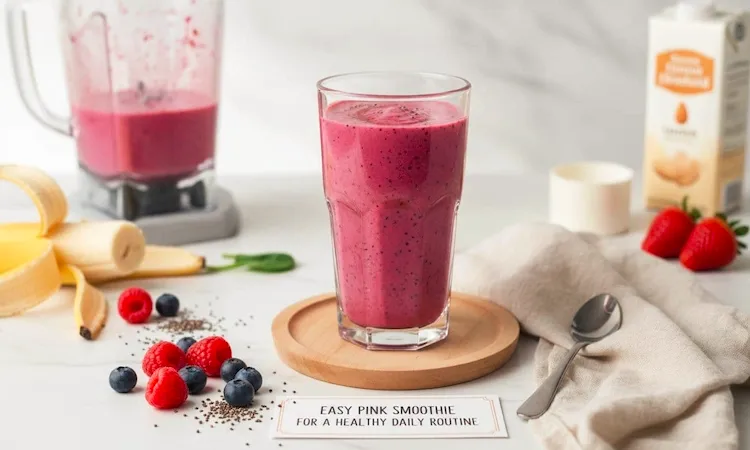
Want to eat healthier, but your mornings (and that mid-afternoon slump) get busy fast? You’re not alone, and you don’t need a full meal prep plan to start. A good smoothie can be the simplest way to get fruit, protein, and fiber in without thinking too hard.
In this post, you’ll learn how to make an easy blender smoothie for healthy daily routine that tastes good, uses basic ingredients, and takes about 5 minutes. No fancy powders required, and no weird textures.
You’ll get a balanced smoothie formula you can use every day, plus a go-to base recipe you can change based on what’s in your fridge. We’ll also cover smart add-ins (for energy, fullness, or extra greens) that won’t wreck the flavor.
If your smoothies come out watery, gritty, too sweet, or “healthy” but not filling, you’ll find quick fixes here. You’ll also pick up simple prep tips that make weekday blending faster, even when you’re rushing out the door.
Weight Loss Programs

Diet & Weight Loss
Diet & Weight Loss
Diet & Weight Loss
Diet & Weight Loss
Why a daily smoothie can make healthy eating feel easier
A daily smoothie takes the pressure off “perfect” meals. Instead of cooking a full breakfast or figuring out a snack, you can blend fruit, veggies, protein, and healthy fats in one cup and move on with your day. It’s a simple routine that supports steadier energy, easier portion control, more fiber, and better hydration, especially when you keep the formula consistent.
Smoothies are not a magic cure, but they can make an easy blender smoothie for healthy daily routine feel realistic on busy weeks. They shine when you need something fast (workday breakfast), practical (post-workout), or satisfying without overthinking it (afternoon snack or late-night sweet cravings).
Breakfast, snack, or mini meal, how to choose the right size
Your goal decides the build. If you want a light snack, keep it smaller and simple. If you want a filling breakfast, add more protein and fiber so you stay full longer.
Use these easy portion cues as a starting point:
- 1 cup fruit (fresh or frozen)
- 1 protein (like Greek yogurt, milk, soy milk, tofu, or protein powder)
- 1 tablespoon fat (nut butter, chia, flax, or avocado)
- Liquid to blend (enough for the texture you like)
Quick sizing guide:
- Snack: 10 to 12 ounces, lighter on add-ins.
- Breakfast or mini meal: 16 to 20 ounces, include protein plus a fiber booster.
Some people simply need more calories. Teens, active adults, and anyone using a smoothie after a hard workout may feel best with a larger portion and an extra carb (like oats). If you want a lighter option (or you’re less active), keep the portion smaller and focus on protein plus fruit.
What makes a smoothie truly filling, protein, fiber, and healthy fats
Think of these as the “brakes” that slow digestion and help your smoothie last.
- Protein: helps repair and build tissue and keeps hunger down. Good picks include Greek yogurt, milk, soy milk, tofu, and protein powder.
- Fiber: the part of plant foods that helps you feel full and supports digestion. Add oats, chia, flax, berries, or a handful of leafy greens.
- Healthy fats: help with satisfaction and smooth texture. Use peanut butter, almond butter, or avocado.
When you combine these, you get fewer “I’m hungry again” moments and less of a sugar crash. For more on building a balanced smoothie, see Johns Hopkins’ healthy smoothie tips.
A quick word on sugar, store bought smoothies vs homemade
Many bottled smoothies are juice-heavy, which can pack in sugar fast and leave you hungry soon after. Homemade usually wins because you control what goes in and can keep more of the fiber from whole foods.
Simple swaps that keep flavor high and sugar steadier:
- Use whole fruit instead of fruit juice.
- Choose unsweetened milk (dairy or soy) as your main liquid.
- Add cinnamon or vanilla for “sweet” taste without extra sugar.
- Toss in a handful of greens to balance sweetness without changing the flavor much.
If you buy smoothies sometimes, it helps to know what to watch for. This breakdown on smoothies and sugar explains why some options drink more like dessert than a meal.
The easy blender smoothie formula you can repeat every day
If you want smoothies to become a habit, you need a template you can remember, not a new recipe every morning. Think of it like getting dressed: you keep the same basic pieces, then change the color or accessory. This is the easiest way to make an easy blender smoothie for healthy daily routine without overthinking it.
The basic build: liquid, fruit, greens, protein, healthy fat
Use this simple formula as your default. It works for most blender sizes and gives you a smoothie that’s creamy, cold, and filling.
Here’s the template (with ranges so you can adjust texture):
- Liquid (3/4 to 1 cup): milk, soy milk, oat milk, or water. (Start with 3/4 cup if you like it thick.)
- Fruit (1 to 1 1/2 cups): berries, banana, mango, pineapple, peaches.
- Greens (1 packed handful): spinach is the mildest, kale is stronger.
- Protein (aim for 20 to 30 g): Greek yogurt, skyr, cottage cheese, soy milk, or protein powder.
- Healthy fat (1 tablespoon): peanut butter, almond butter, chia, flax, or 1/4 avocado.
Why this works: fruit gives flavor and carbs, greens give fiber and micronutrients, protein and fat help you stay full. If you want a deeper breakdown of the “pick-one-from-each-category” approach, see this smoothie formula guide.
Frozen fruit is the texture cheat code. It makes your smoothie cold and thick without dumping in lots of ice (ice can water down flavor fast). Frozen berries also help “grab” the liquid, so everything blends into a creamy slush instead of a thin juice.
A simple rule: if you use mostly fresh fruit, add a few ice cubes. If you use mostly frozen fruit, skip the ice and start with less liquid.
The go to recipe: 5 minute berry banana smoothie (no fancy ingredients)
This is the one to memorize. It tastes like a classic fruit smoothie, it’s forgiving, and it uses regular grocery items.
Ingredients (1 large smoothie):
- 3/4 cup milk (dairy or unsweetened soy works best for protein)
- 1 cup frozen mixed berries (or fresh berries plus 4 to 6 ice cubes)
- 1 medium banana (fresh or frozen in chunks)
- 1/2 cup plain Greek yogurt (or 3/4 cup yogurt if you skip milk)
- 1 handful baby spinach (optional)
- 1 tablespoon chia seeds or 1 tablespoon peanut butter
Steps (5 minutes):
- Add the milk to the blender first.
- Add yogurt, chia (or peanut butter), banana, and spinach (if using).
- Add berries on top.
- Blend 30 to 60 seconds until smooth. Add a splash more liquid only if the blender stalls.
- Taste and adjust (see options below).
If you’re missing an item, use one of these easy swaps:
- No Greek yogurt: use regular yogurt, skyr, or cottage cheese (start with 1/3 cup and increase if you like it thicker).
- No milk: use water plus extra yogurt, or use kefir.
- No banana: use 1/2 cup mango, 1/2 cup cauliflower rice (surprisingly neutral), or an extra 1/2 cup berries plus 2 tablespoons oats for body.
- No chia or peanut butter: use ground flax, sunflower seed butter, or 1/4 avocado.
How to keep it sweet without adding sugar: use a ripe banana and frozen berries. If it still tastes tart, add 1/4 teaspoon vanilla extract or a pinch of cinnamon. If you need more sweetness, add a few extra slices of banana first, not honey. It keeps the flavor “fruit-sweet” and helps texture too. For another straightforward version of this combo, check out Simply Recipes’ berry banana smoothie.
3 easy flavor swaps so you do not get bored
Keep the same base build and change 2 to 3 ingredients. These are quick, familiar flavors that don’t require a pantry makeover.
- Chocolate Peanut Butter: Add 1 tablespoon cocoa powder and use peanut butter as your fat. Tastes like a milkshake, especially with frozen banana.
- Tropical Green: Swap berries for 1 cup frozen mango plus 1/2 cup pineapple, keep spinach. Tastes bright and juicy, with a mild “green” finish.
- Apple Pie Oats: Use 1 cup chopped apple (or unsweetened applesauce) plus 1/2 frozen banana, add 2 tablespoons oats and a pinch of cinnamon. Tastes like oatmeal in a cup, creamy and cozy.
Blending order and texture fixes: too thick, too thin, too icy
Most smoothie problems come down to order and small adjustments. Do this and your blender will work with you, not against you.
Best blending order for most blenders:
- Liquid first (it helps the blades catch and circulate)
- Powders and seeds (protein powder, cocoa, chia, flax)
- Soft items (yogurt, banana, greens)
- Frozen fruit last (it should sit on top and pull down as it blends)
Quick texture fixes:
- Too thick (won’t blend well): add 1 to 2 tablespoons liquid at a time, then blend again. If your blender has a tamper, use it to guide ingredients toward the blades.
- Too thin (tastes watery): add more frozen fruit, or add 2 to 3 tablespoons oats or a few spoonfuls of yogurt, then blend 15 seconds.
- Too icy or chunky: let frozen fruit sit on the counter for 2 minutes, then blend again. You can also start on a lower speed for 5 seconds, then increase to high.
If you need to stir the blender jar, unplug it first, then stir, then plug back in. It takes two seconds and keeps the process safe.
Smart ingredients for energy and digestion, plus simple add ins that work
A smoothie can be more than fruit and ice. The right add-ins help it feel like a real meal, with steadier energy and a calmer stomach (no “hungry again in 45 minutes” moment). The trick is to keep your add-ins simple, measure them once or twice until you learn what you like, and add new things slowly so your body can adjust. This is how an easy blender smoothie for healthy daily routine stays easy.
Best proteins for smoothies, dairy, plant based, and powder options
Protein is your smoothie’s anchor. It boosts fullness, makes the texture richer, and helps turn a snack into a mini meal.
Here’s how the most common options compare:
- Greek yogurt: Thick, tangy, and reliable. It makes smoothies creamy fast and usually brings a solid protein bump. Downside: the tang can stand out with delicate fruits (like peach). Choose plain when you can, then sweeten with banana or vanilla.
- Cottage cheese: Mild flavor, very creamy when blended, and it adds body without making the smoothie taste “yogurty.” Downside: it can feel heavy if you use too much. Start small (about 1/4 to 1/2 cup).
- Milk (dairy): Neutral taste, easy to blend, and good for thinning thick smoothies while adding some protein. Downside: not as filling as thicker proteins unless paired with yogurt, tofu, or powder.
- Kefir: Drinkable, tangy, and thin enough to pour like milk, but still adds protein and a yogurt-like vibe. Downside: the tang is noticeable, and some brands are sweetened, so check the label.
- Soy milk (unsweetened): A great plant-based option with a more protein-friendly profile than many other plant milks. Downside: some brands have a “beany” taste, especially in simpler smoothies, so pair it with cocoa, berries, or a ripe banana.
- Silken tofu: Smooth, mild, and makes a surprisingly creamy shake without dairy. Downside: it can flatten bright fruit flavors if you add too much, so start with about 1/4 block.
- Protein powder: The fastest way to raise protein without changing volume much. Downside: it can taste chalky or overly sweet, depending on the brand. If you’re new to it, start with half a scoop, blend well, then adjust. For more whole-food protein ideas, see high-protein smoothie add-ins.
Quick tip: choose unsweetened versions (milk, yogurt, kefir, soy milk) when possible. You can always add sweetness with fruit, but you can’t un-sweeten a smoothie.
Fiber boosters that actually taste good: oats, chia, flax, berries, greens
Fiber is what helps a smoothie “stick with you.” Add it slowly if your stomach is sensitive, because jumping from low fiber to high fiber in one drink can feel rough.
Practical add-ins that taste good:
- Oats (1/4 cup): Makes smoothies taste like breakfast and adds thickness. Great with banana, cinnamon, and apple.
- Chia seeds (1 to 2 tablespoons): Adds thickness and a gentle pudding-like body. To avoid weird clumps, soak chia for 5 minutes in your liquid first, then blend.
- Ground flax (1 tablespoon): Easy, nutty, and smooth if it’s ground. Avoid whole flax if you hate grit. Blend 45 to 60 seconds for the smoothest result.
- Berries (1 to 1 1/2 cups): High-impact flavor plus natural fiber. Frozen berries also fix watery smoothies.
- Greens (1 packed handful): Baby spinach is the easiest start because it’s mild. Use more liquid and blend longer to keep it silky.
If you want more ideas, this list of ways to add fiber to smoothies is a helpful menu. Start with half portions for a week, then increase.
Healthy fats that make smoothies creamy: nut butter, avocado, seeds
Fat is the “creamy switch.” It rounds out flavor and helps your smoothie feel satisfying, like adding a little padding to a hard chair.
Easy portions that work:
- Nut butter (1 tablespoon): Peanut butter, almond butter, cashew butter. Adds richness and a dessert-like vibe.
- Avocado (1/4 avocado): Mostly neutral, super creamy, and great in berry or chocolate smoothies.
- Seeds (1 tablespoon hemp or chia): Adds body without strong flavor.
Allergy-friendly option: sunflower seed butter works like peanut butter, but has its own earthy taste. To prevent any fat from taking over, keep the portion modest and balance with strong flavors like cocoa, coffee, or berries. For a simple example combo, see this peanut butter avocado smoothie.
Optional extras for flavor: cinnamon, vanilla, cocoa, coffee, ginger, lemon
These are your “tiny but mighty” add-ins. They make the same base taste totally different.
Try these easy pairings:
- Cocoa + banana: Use 1 to 2 teaspoons cocoa powder for a chocolate shake vibe.
- Cinnamon + apple or oats: Start with 1/4 teaspoon for a cozy flavor.
- Ginger + mango: Fresh ginger (a small slice) brightens tropical smoothies fast.
- Lemon + berries: A squeeze makes berry flavors pop, especially in thicker smoothies.
- Vanilla: A few drops of extract softens tartness and makes smoothies taste sweeter.
If you add coffee or espresso, keep caffeine in mind for kids and for late-day smoothies. A small amount can be great in a morning blend, but it can also mess with sleep if you drink it too late.
Make it a healthy daily routine: shopping, prep, and easy cleanup
The best part about an easy blender smoothie for healthy daily routine is that it doesn’t need willpower, it needs a plan you can repeat. Think of it like setting out your coffee stuff the night before. A tiny bit of weekly prep saves you daily decisions, keeps costs down, and makes smoothies feel automatic instead of “one more thing.”
A simple grocery list for 7 days of smoothies (mix and match)
To keep smoothies affordable and low-waste, buy 2 to 3 fruits for the week and rotate them. You’ll get variety without a half-used bag of everything.
Here’s a simple mix-and-match list to build 7 smoothies:
- Frozen fruit (budget-friendly base): frozen mixed berries, frozen mango, frozen peaches. (Frozen fruit helps texture and keeps you from tossing bruised produce.) For more budget smoothie ideas, see BBC Good Food’s budget smoothie guide.
- Bananas (texture + sweetness): 6 to 8 bananas. Buy a mix of yellow and slightly green so they ripen through the week.
- Greens (mild + easy): a large tub of baby spinach (usually the most “blendable” and often cheaper per ounce in a big box), or frozen spinach if fresh tends to wilt on you.
- Protein choice (pick 1 to keep it simple): plain Greek yogurt, unsweetened soy milk, cottage cheese, silken tofu, or protein powder.
- Healthy fats (pick 1): peanut butter, chia seeds, ground flax, or a couple of avocados (freeze chunks if they ripen fast).
- Liquids (choose what you’ll actually use): milk, unsweetened soy milk, kefir, or water (water works better when you also use yogurt).
- Flavor add-ins (small, high-impact): cinnamon, vanilla extract, cocoa powder, frozen riced cauliflower (neutral thickener), lemon.
Waste saver: if fresh spinach always goes slimy by day five, freeze handfuls in a bag. It blends fine and stops the “I forgot about it” toss.
Freezer smoothie packs: 10 minutes of prep for a whole week
Freezer packs are the easiest way to make weekdays feel effortless. You portion the “solid” ingredients once, then you just dump and blend.
How to prep 7 packs (fast):
- Set out 7 freezer bags or containers.
- Add fruit to each (about 1 to 1 1/2 cups).
- Add greens (about 1 packed handful of spinach).
- Peel and slice bananas, then freeze slices on a plate for 30 to 60 minutes (optional but helps prevent one big banana brick). Add a few slices to each pack.
- Label each pack with the flavor and date.
Tip: add chia or flax later (right before blending). They can clump in the freezer, especially if any fruit is wet.
Simple pack example (Berry Banana Spinach):
- 1 cup frozen berries
- 1/2 to 1 sliced banana
- 1 handful spinach
How to blend from frozen: add liquid to the blender first (about 3/4 cup), dump in the pack, add protein (Greek yogurt or powder), then blend until smooth. If you want more make-ahead ideas, use this frozen smoothie pack tutorial.
How to keep cleanup fast and your blender fresh
Cleanup is the difference between “daily habit” and “special occasion.”
- Rinse right away: a 5-second rinse keeps fruit sugar from turning into glue.
- Quick wash method: fill the blender halfway with warm water, add a drop of dish soap, blend about 20 seconds, then rinse well. This approach is similar to The Kitchn’s quick blender-cleaning method.
Once a week, do a deeper clean:
- Check the lid gasket and seals for trapped gunk.
- If your blender manual says it’s safe, remove the blade assembly and wash parts thoroughly.
- For smells: soak the jar with warm water plus baking soda for 15 to 30 minutes, then rinse. You can also blend water with a few lemon slices, then rinse.
Common routine problems and easy solutions: time, cost, cravings, travel
Small backup plans keep you consistent:
- No time: keep a “3-ingredient emergency” smoothie: frozen fruit + milk (or soy milk) + Greek yogurt.
- Cost creeping up: use frozen fruit year-round, buy oats and seeds in bulk, and limit yourself to 2 to 3 fruits weekly.
- Cravings hit later: add protein plus a fat (yogurt + peanut butter). It turns a sweet drink into something that actually satisfies.
- Travel or no blender: pack a shaker bottle and use shelf-stable protein (protein powder, UHT milk, or single-serve cartons). Add a banana on the side for carbs and fiber.
- Need it to-go: use an insulated cup so it stays cold and thick, even if you drink it slowly.
Conclusion
A smoothie habit sticks when you stop chasing perfect recipes and use a simple formula you can repeat. Start with liquid, fruit, a handful of greens, a solid protein, and a small fat, then adjust texture with frozen fruit and a splash more liquid. That’s the core of an easy blender smoothie for healthy daily routine, and it’s what keeps it filling, consistent, and flexible.
Keep it simple at first. Make the same base smoothie for three days in a row, so your taste and timing feel automatic. Then try one swap, change the fruit, switch chia for peanut butter, or trade yogurt for tofu. Small changes keep it interesting without turning breakfast into a project.
Thanks for reading, and don’t overthink the next step. Pick a time of day you’ll actually blend, choose your protein, prep one freezer pack tonight, and blend tomorrow. A healthier routine doesn’t need more effort, it needs a plan you can repeat.

The AnySmoothie team is all about smarter smoothie recipes made with whole-food ingredients. Everything we share centers on balanced nutrition, steady energy, and low-glycemic choices, so you can sip a smoothie that keeps you full, feels good, and helps you avoid sugar crashes.
- Disclaimer: This content is for educational use only. These smoothie recipes and nutrition details aren’t a substitute for medical advice from a licensed health professional. Please read our full Medical Disclaimer here.
Dietary Supplements
Dietary Supplements
Dietary Supplements
Dietary Supplements

Dietary Supplements